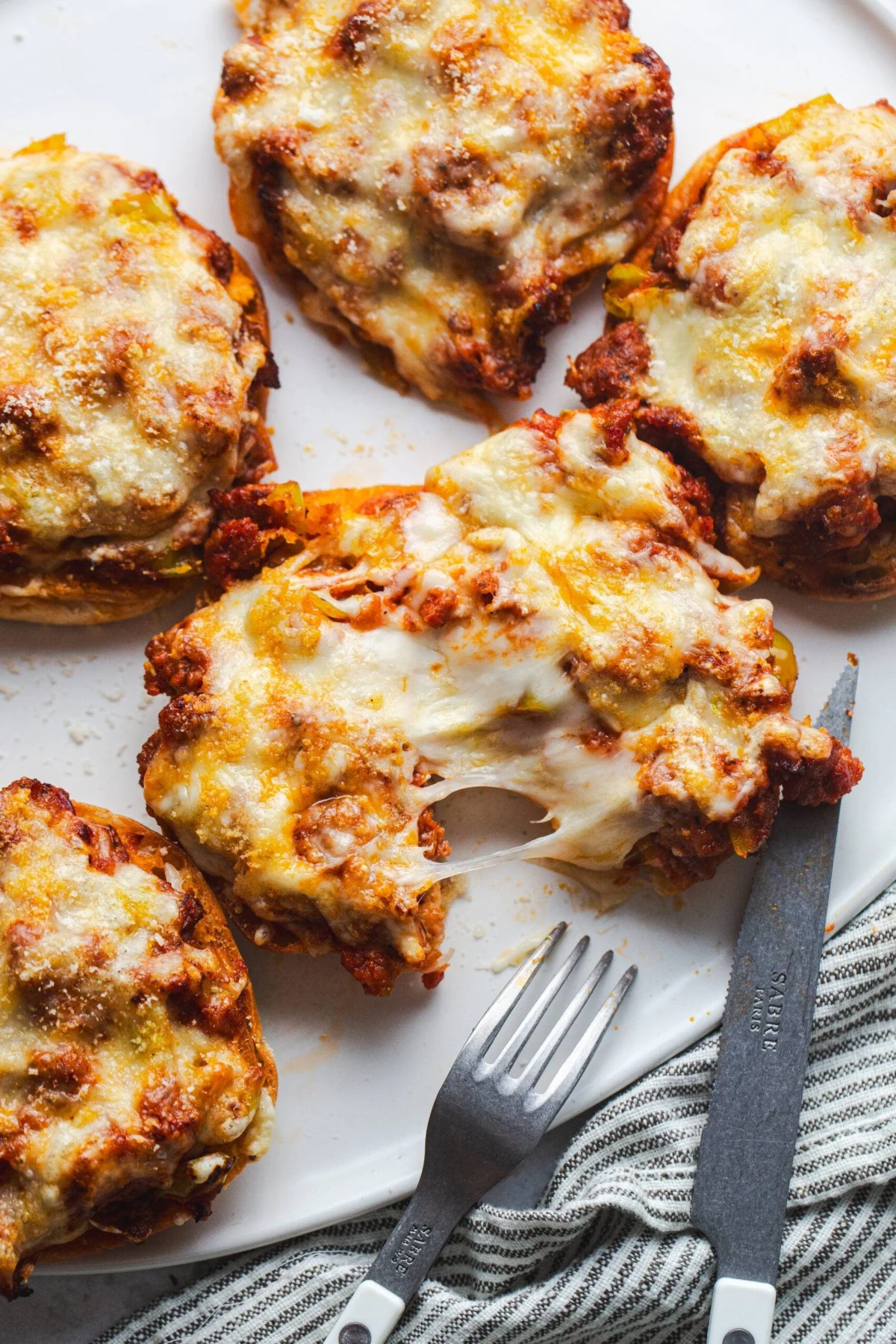

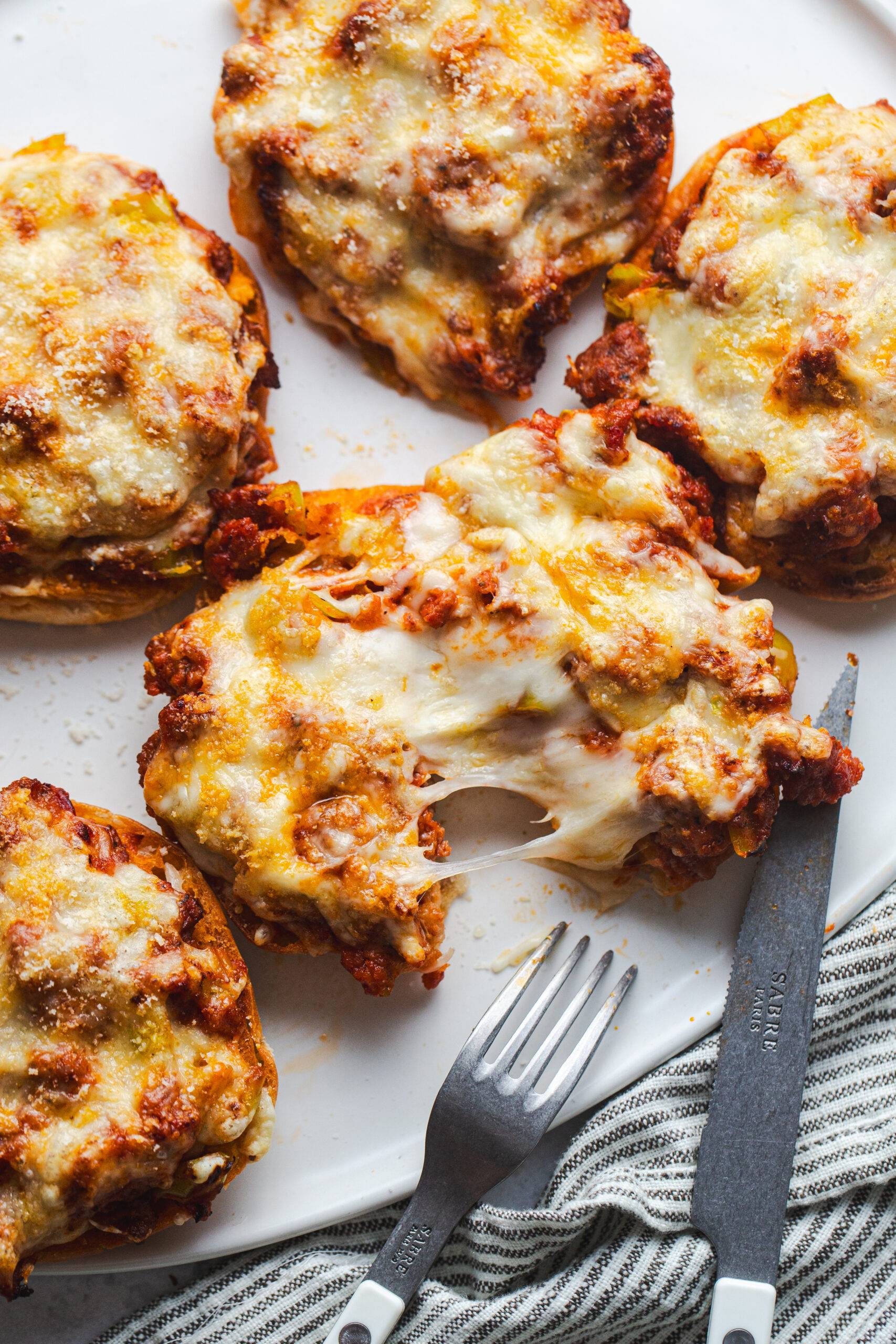
The Pizza Burger, a nostalgic American comfort food, is experiencing a significant resurgence, captivating a new generation of home cooks with its simplicity, versatility, and deep-rooted appeal. This hybrid dish, traditionally featuring a crisped English muffin base topped with a savory meat sauce and melted cheese, exemplifies the enduring power of classic recipes adapted for contemporary lifestyles, particularly through the lens of meal preparation and innovative cooking appliances like the air fryer. Its recent popularization underscores a broader trend towards convenient, satisfying, and economically sensible home-cooked meals that evoke a sense of culinary heritage.
Historical Context and Midwestern Roots
The concept of combining elements of pizza and a burger into a singular, accessible dish likely emerged from the fertile grounds of mid-20th-century American home cooking, a period characterized by innovation in convenience foods and the blending of diverse culinary influences. While the precise origins are somewhat nebulous, the "Pizza Burger" as described often points to a strong Midwestern American lineage. During this era, English muffins, initially a breakfast staple, found their way into various savory applications, serving as quick bases for mini-pizzas or open-faced sandwiches due to their nooks and crannies, which perfectly captured sauces and melted cheese. This adaptability made them an ideal foundation for a dish that promised the flavors of pizza without the complexities of traditional dough.

Grandmothers and homemakers across the Midwest, adept at stretching budgets and maximizing flavor, were instrumental in popularizing such resourceful creations. These dishes were born out of a practical need for hearty, satisfying meals that could be prepared efficiently and often in advance, a hallmark of family-oriented cooking. The use of ground beef, a ubiquitous and affordable protein, combined with readily available tomato-based sauces and cheese, formed the core of many such recipes. The "Pizza Burger" thus became a staple, a testament to culinary ingenuity in a time when home kitchens were the primary innovation hubs for everyday meals. Its presence in family freezers, regularly restocked, speaks volumes about its utility and universal appeal as a quick, beloved option for busy households.
Anatomy of a Classic: Ingredients and Evolution
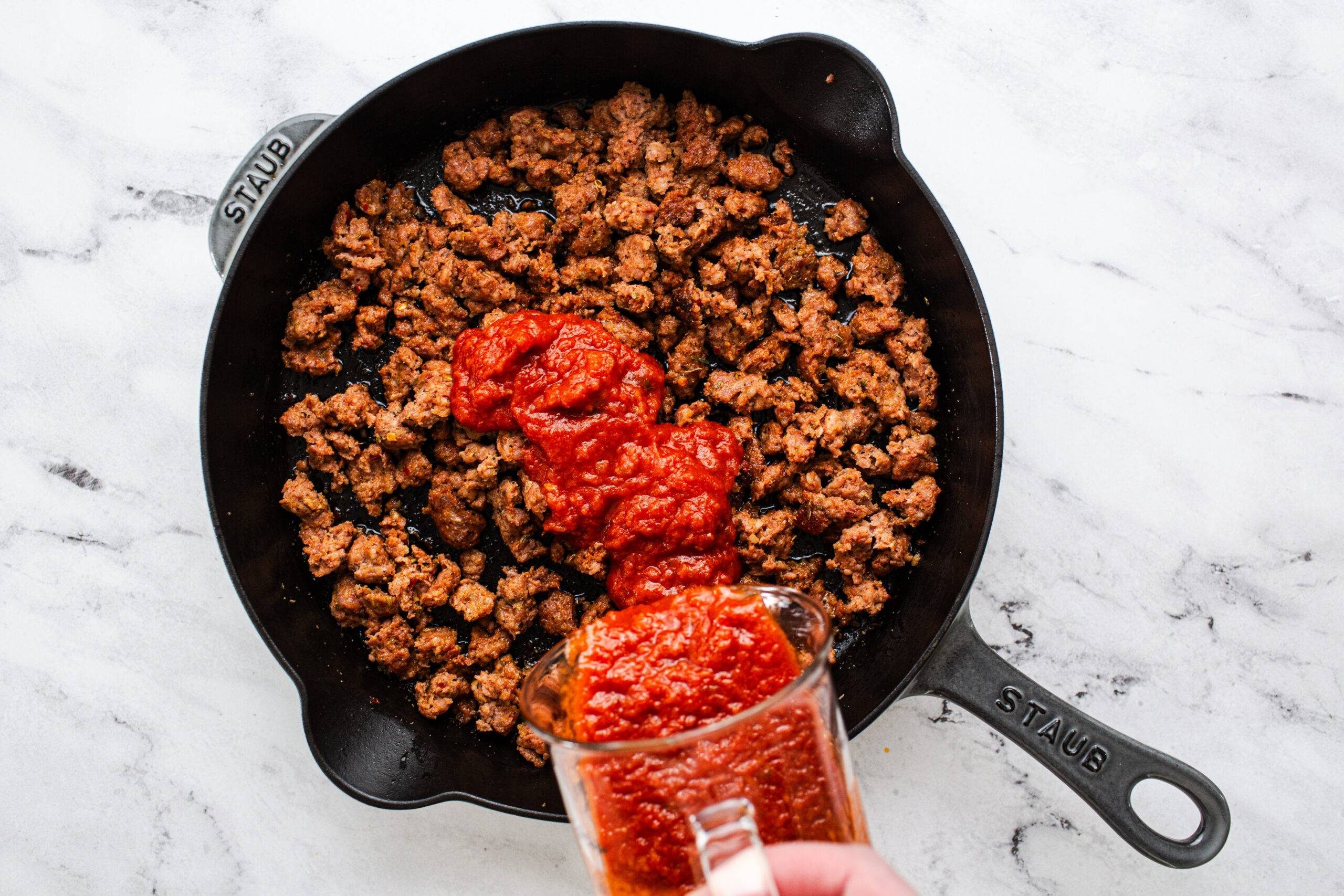
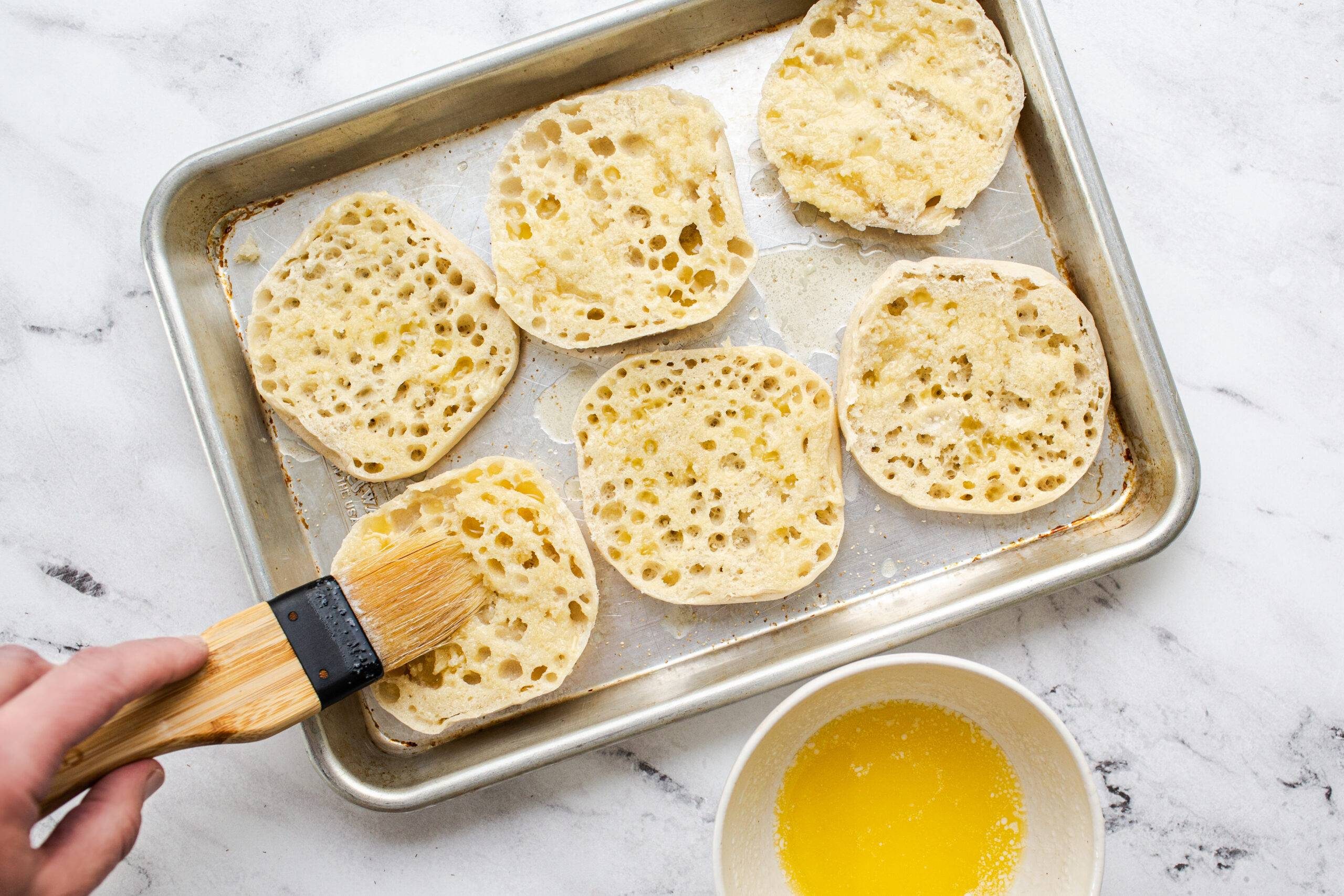
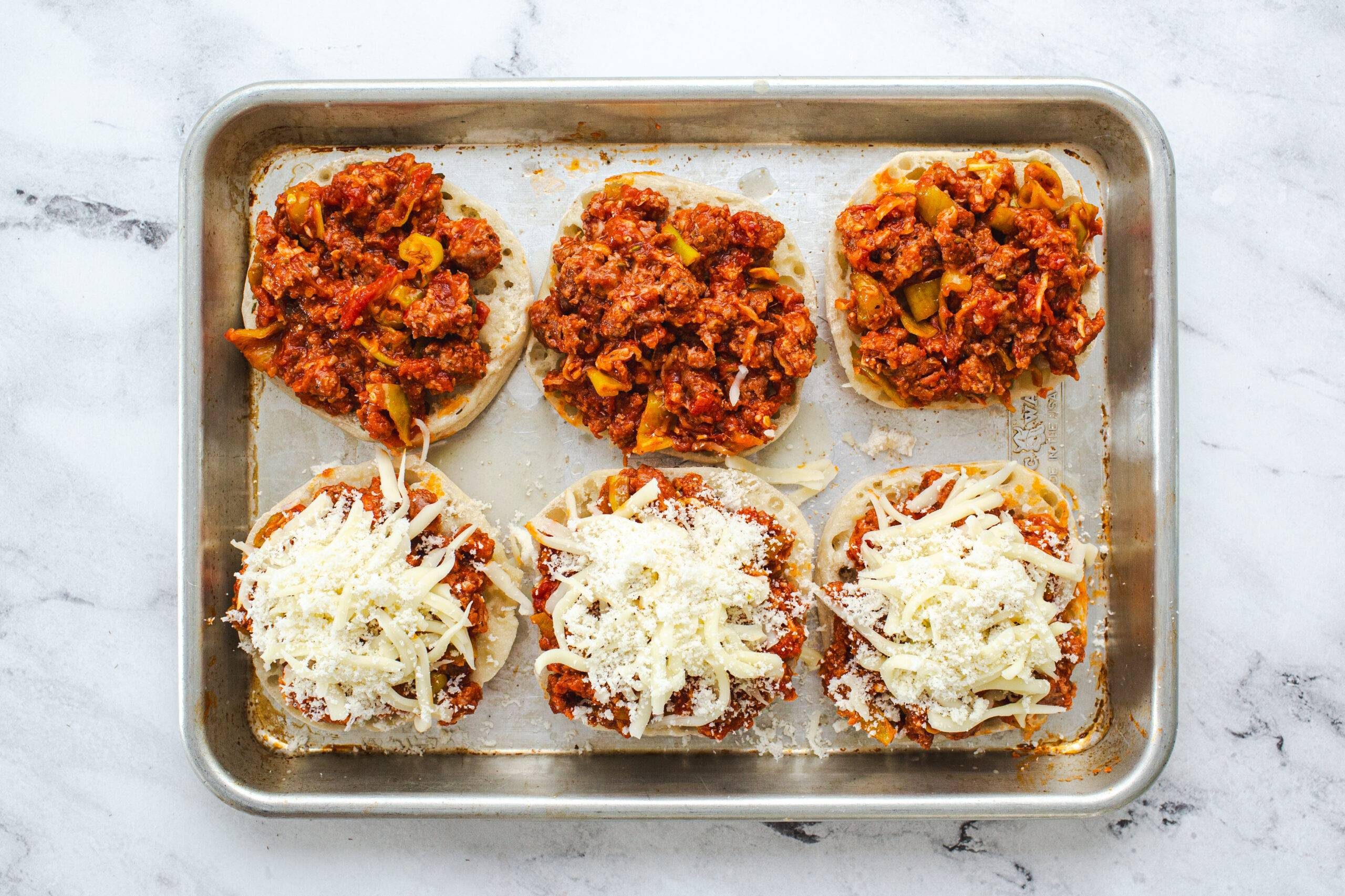
At its heart, the Pizza Burger is a symphony of familiar, comforting flavors. The foundational element is typically an English muffin, which, when toasted and brushed with garlic butter, provides a crisp yet tender base with a fragrant aroma. This garlic-butter application is a modern enhancement, elevating the flavor profile significantly beyond simpler historical renditions. The "burger" aspect, while not a traditional patty, comes from a robust meat filling. Historically, ground beef was the protein of choice, seasoned to evoke Italian-American flavors. Contemporary versions, however, frequently incorporate ground Italian sausage, known for its inherent spices and richness, or leaner alternatives such as ground turkey or chicken, which cater to evolving dietary preferences while still delivering a savory punch. The choice of meat filling allows for considerable customization, enabling cooks to tailor the dish to their specific tastes or health considerations.
The meat filling is typically simmered in a marinara or pizza sauce, creating a cohesive, flavorful topping that marries the savory notes of the meat with the tangy sweetness of tomatoes and Italian herbs. This sauce-laden meat is then generously spooned onto the prepared English muffin. The final, quintessential component is the cheese—often mozzarella, sometimes blended with provolone or parmesan—which melts into a gooey, irresistible layer under heat, completing the pizza illusion. Some modern interpretations also include additional toppings like sliced pepperoncini for a zesty counterpoint, or a final drizzle of good olive oil and a sprinkle of kosher salt to enhance the overall sensory experience. These incremental enhancements reflect a contemporary culinary sensibility that seeks to refine and elevate even the most humble of comfort foods.

The Modern Kitchen: Meal Prep and Air Fryer Integration
The resurgence of the Pizza Burger is intrinsically linked to modern lifestyle trends, particularly the increasing emphasis on efficient meal preparation and the widespread adoption of advanced kitchen appliances. For families navigating the "end-of-school-year madness" or simply seeking streamlined weeknight dinners, the Pizza Burger offers a compelling solution. Its components can be prepared in batches, and the assembled "burgers" can be frozen, transforming them into a convenient, grab-and-go meal option. This aligns perfectly with the burgeoning meal prep movement, which sees individuals and families dedicate time to preparing food in advance to save time, reduce stress, and maintain healthier eating habits throughout the week. According to a 2023 report by Grand View Research, the global meal kit delivery services market size, a close cousin to meal prep, was valued at USD 19.3 billion in 2022 and is expected to grow significantly, indicating a strong consumer demand for convenient food solutions.
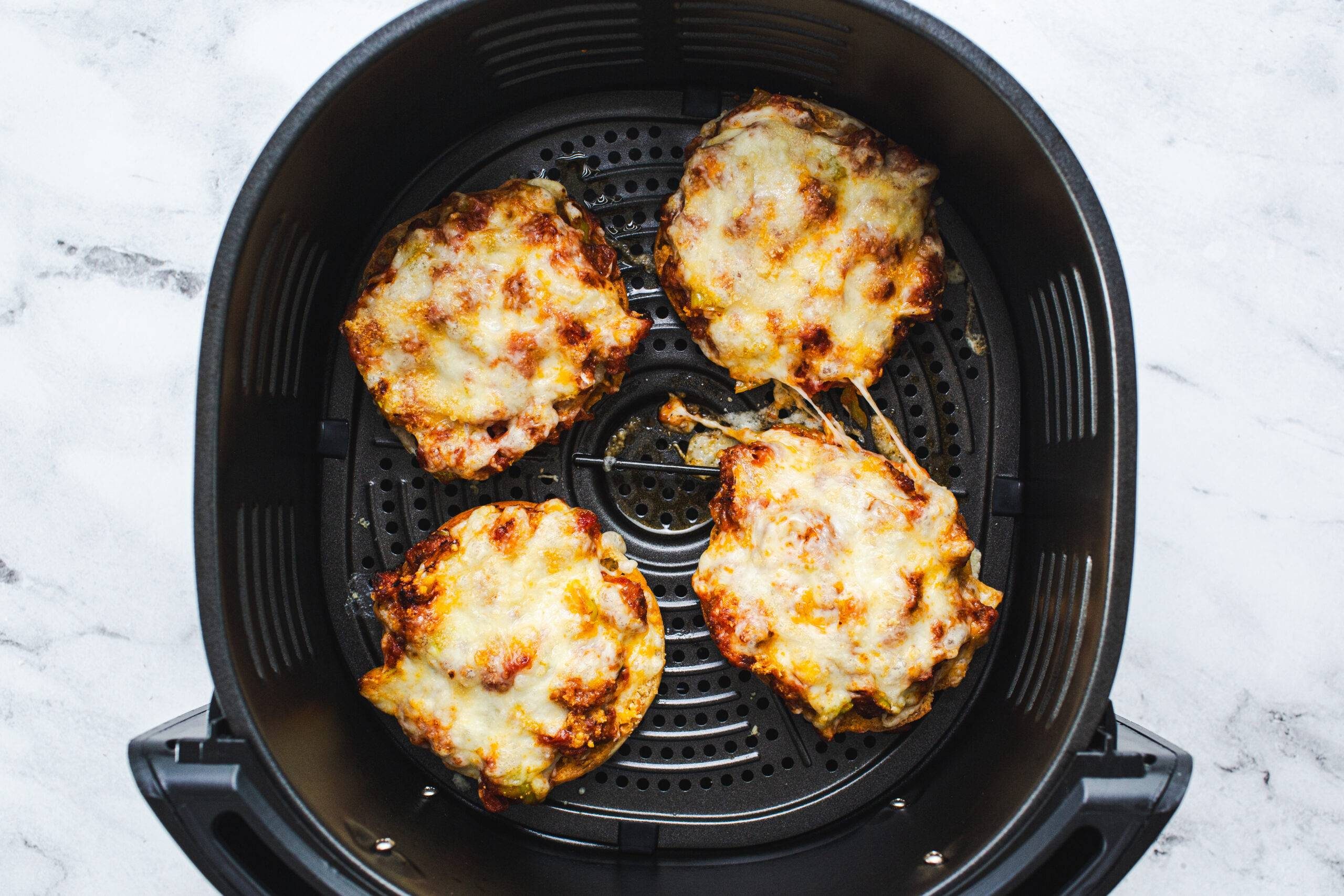
Furthermore, the advent and popularization of the air fryer have provided a novel and highly efficient method for cooking these pizza burgers. Air fryers, which utilize rapid hot air circulation, are celebrated for their ability to achieve a desirable crispy texture with minimal oil, making them ideal for dishes like the Pizza Burger where a golden-brown, crunchy finish is prized. An air-fried pizza burger, whether cooked from fresh or directly from frozen, can be ready in a matter of minutes (e.g., 8 minutes from frozen), offering an unparalleled level of convenience. The global air fryer market, valued at USD 1.1 billion in 2022, is projected to reach USD 1.9 billion by 2030, according to Statista, underscoring its significant penetration into home kitchens. This appliance transforms the Pizza Burger from a simple oven-baked dish into a quick, crisped delicacy, perfectly suited for the demands of fast-paced contemporary living.
Culinary Perspectives and Nutritional Adaptations
Culinary historians often point to hybrid dishes like the Pizza Burger as fascinating examples of culinary evolution, reflecting societal shifts in taste, economy, and convenience. "These types of dishes are culinary comfort food archetypes," explains Dr. Eleanor Vance, a food anthropologist. "They combine familiar, beloved flavors in novel yet intuitive ways, often rooted in practicality and resourcefulness. The Pizza Burger speaks to the universal appeal of both pizza and the humble sandwich, merging them into a format that is both satisfying and easy to prepare." The dish’s enduring appeal lies in its ability to tap into collective nostalgia while simultaneously offering flexibility for modern adaptations.
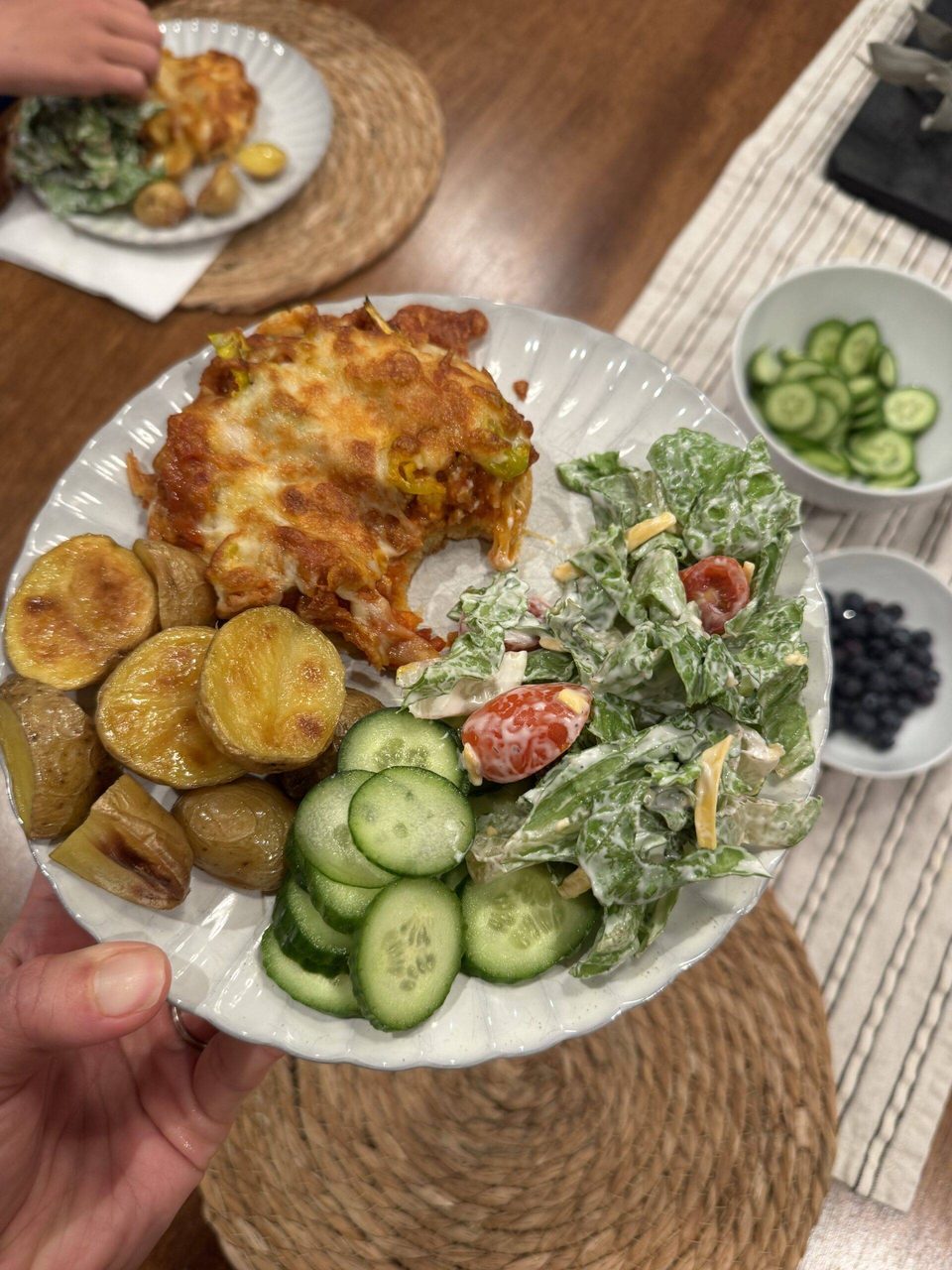
From a nutritional standpoint, the Pizza Burger can be surprisingly versatile. While traditional versions might lean towards higher fat content with ground beef and full-fat cheese, contemporary home cooks are increasingly opting for healthier modifications. Substituting ground Italian turkey or chicken sausage significantly reduces saturated fat content without compromising flavor, especially when seasoned appropriately. Pairing the pizza burgers with fresh, crunchy vegetables, as demonstrated by the accompanying "supremely crunchy cucumbers" mentioned by some enthusiasts, transforms the meal into a more balanced offering. This conscious effort to integrate fresh produce highlights a growing awareness among home cooks to balance comfort with health. Dietitians frequently recommend incorporating vegetables and lean proteins into comfort food recipes to enhance their nutritional profile, making the Pizza Burger an adaptable template for a more wholesome meal.
Broader Impact and Implications
The renewed interest in the Pizza Burger carries several broader implications for contemporary food culture. Firstly, it exemplifies the power of culinary nostalgia. In an increasingly complex world, familiar dishes from childhood offer a sense of comfort, security, and connection to personal history. Food blogs and social media platforms play a crucial role in amplifying these nostalgic trends, allowing classic recipes to find new audiences and interpretations. The "from my Midwestern grandma, to me, to all of us" sentiment perfectly captures this intergenerational culinary transfer.
Secondly, the dish underscores the ongoing demand for budget-friendly, versatile meals. As economic pressures fluctuate, consumers prioritize recipes that are cost-effective, utilize common pantry staples, and can feed a family without extensive culinary skills. The Pizza Burger fits this criterion perfectly, offering a satisfying meal solution that is both economical and approachable. Its adaptability, from the choice of meat to optional toppings, further enhances its value proposition.
Finally, the phenomenon highlights the democratizing effect of home cooking and digital culinary communities. Recipes once confined to family cookbooks or regional traditions are now easily shared and iterated upon globally. The detailed, step-by-step photographic guides and video tutorials associated with such recipes make complex cooking accessible to novices, fostering a culture of experimentation and enjoyment in the home kitchen. The Pizza Burger, in its modern iteration, stands as a testament to how traditional comfort foods can be revitalized and made relevant for today’s dynamic culinary landscape, proving that sometimes, the simplest ideas are the most enduring. The fusion of tradition, convenience, and adaptability ensures its continued place as a family favorite for generations to come.