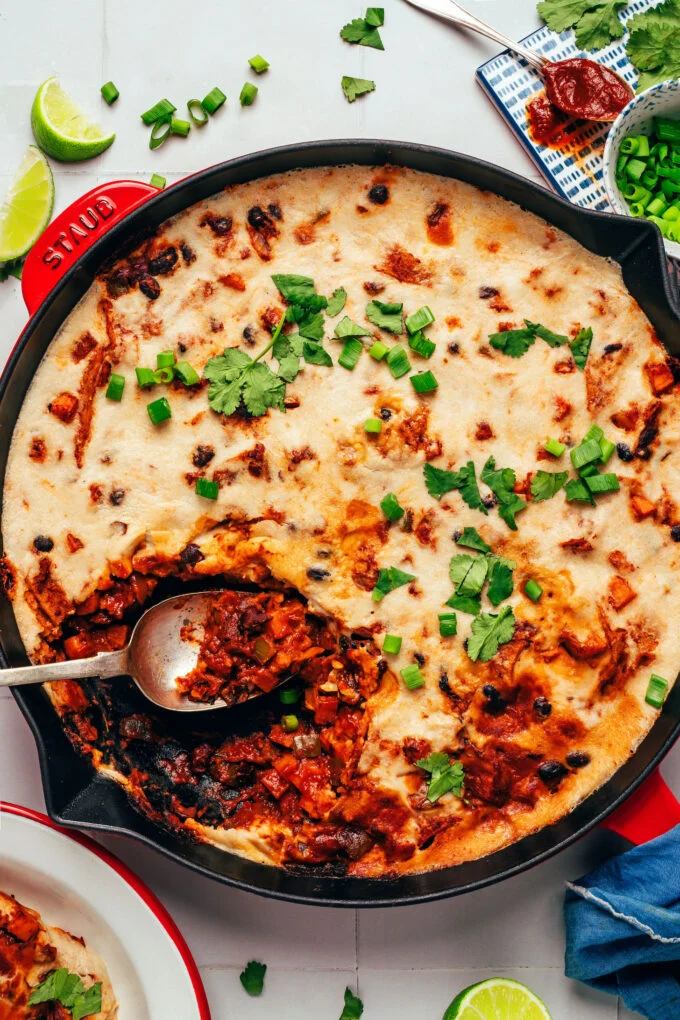

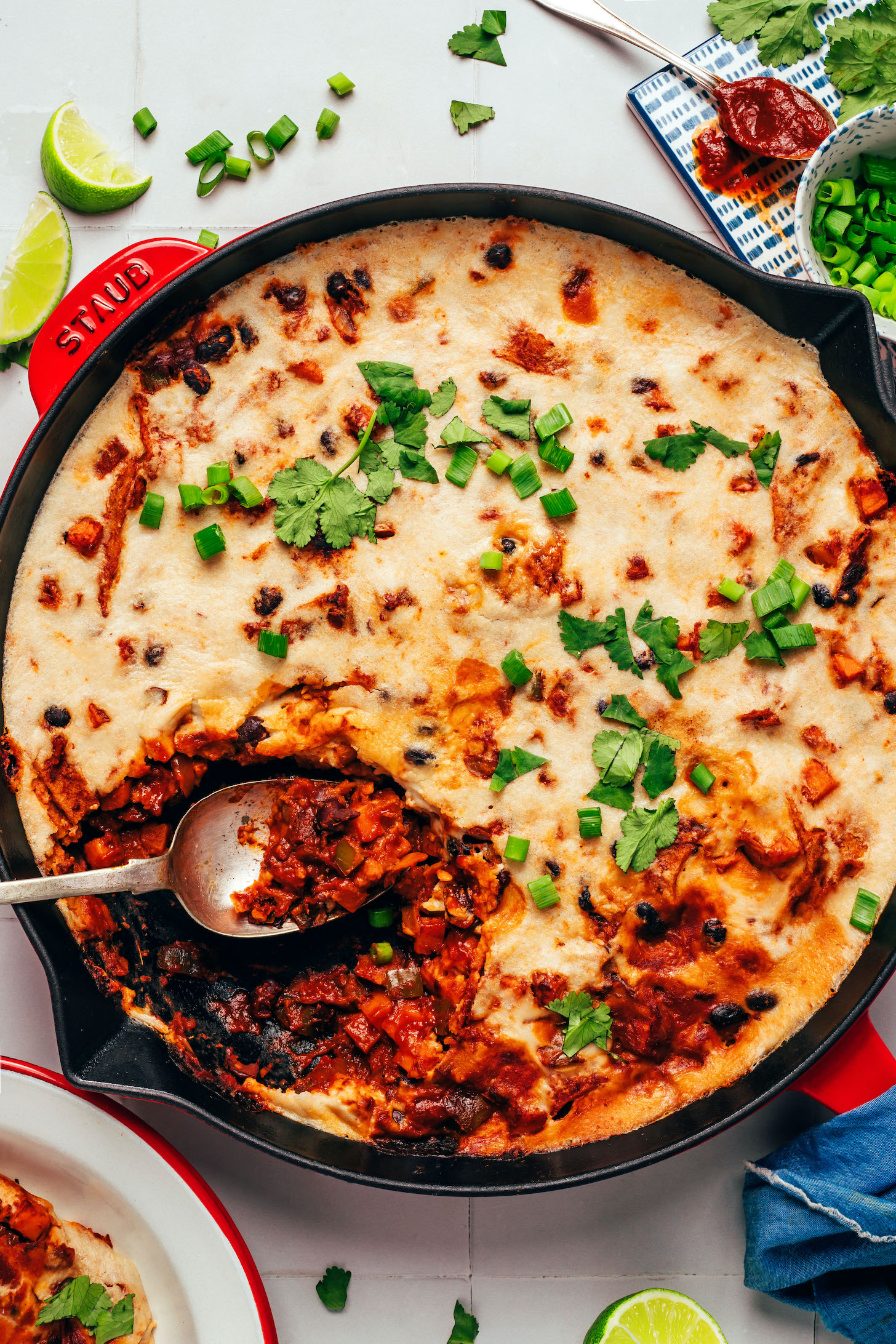
The culinary landscape has seen a significant shift in recent years toward streamlined, plant-based cooking methods that prioritize both nutritional density and time efficiency. Among the latest developments in home-cooking trends is the emergence of the "skillet" format for traditional recipes, a technique that simplifies complex dishes like enchiladas into single-pan preparations. This method, exemplified by the recently released Cheesy Vegan Enchilada Skillet, eliminates the labor-intensive process of rolling individual tortillas, thereby reducing preparation time to approximately 30 minutes.
Evolution of the Enchilada and Modern Adaptations
The enchilada, a cornerstone of Mexican cuisine, traces its historical roots to ancient Mesoamerican practices. Historians and anthropologists often cite the Mayan dish papadzules—consisting of tortillas dipped in pumpkin seed sauce and stuffed with hard-boiled eggs—as a conceptual ancestor. The first documented written recipe for the modern iteration appeared in the 1831 cookbook El Cocinero mexicano, marking a transition from a regional staple to a documented culinary standard.
Traditionally, the preparation of enchiladas requires the filling of corn tortillas with a variety of ingredients, such as meats, cheeses, or beans, followed by rolling and baking them in a covered dish with sauce. The contemporary "skillet" iteration, however, reinterprets these components as a deconstructed, one-pan meal. By slicing the tortillas into strips and simmering them directly with the vegetable base and sauce, the dish achieves a cohesive texture that mimics the traditional preparation while significantly lowering the barrier to entry for home cooks.
Nutritional Composition and Ingredient Analysis
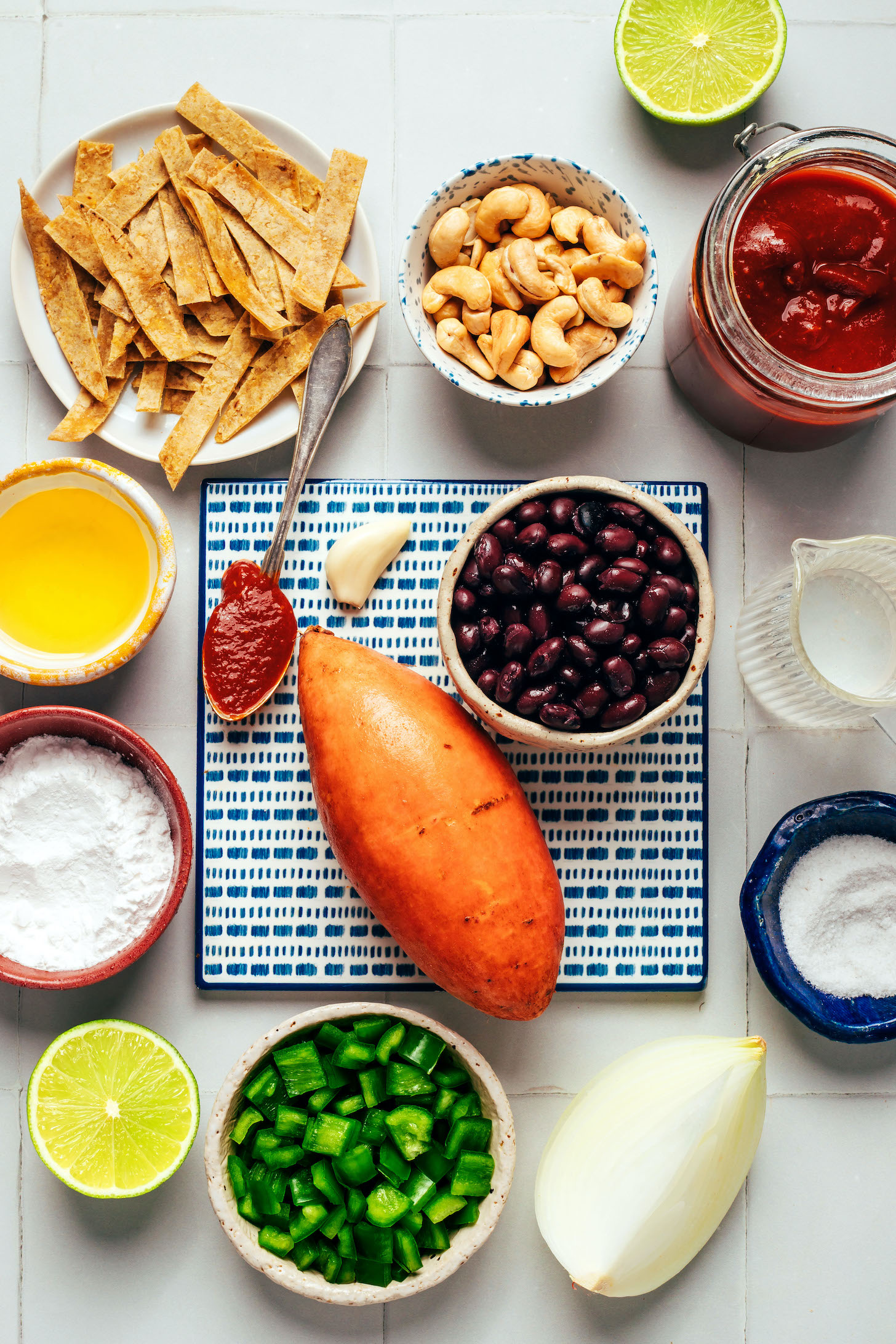
The nutritional profile of the plant-based skillet is designed to cater to modern dietary preferences, specifically those favoring high-fiber and moderate-protein intake. A standard serving of this dish provides approximately 416 calories, with a notable fiber content of 14.3 grams per serving. The reliance on black beans as a primary protein source provides a plant-based alternative to traditional meat-heavy fillings, while the inclusion of sweet potatoes or winter squash introduces complex carbohydrates and essential micronutrients, including high levels of Vitamin A.
The "cheese" component of this recipe represents a significant departure from dairy-based staples. By utilizing a blend of raw cashews, water, lime juice, and tapioca starch, the recipe achieves a melt-like consistency through the thickening properties of the starch when heated. This formulation serves a dual purpose: it offers a dairy-free alternative for lactose-intolerant consumers and provides a source of healthy fats, replacing the saturated fats typically found in conventional cow’s milk cheeses.
Chronology of the 30-Minute Preparation Method
The efficiency of this dish is contingent upon a specific sequence of operations designed to maximize the heat transfer and flavor development within a single vessel:
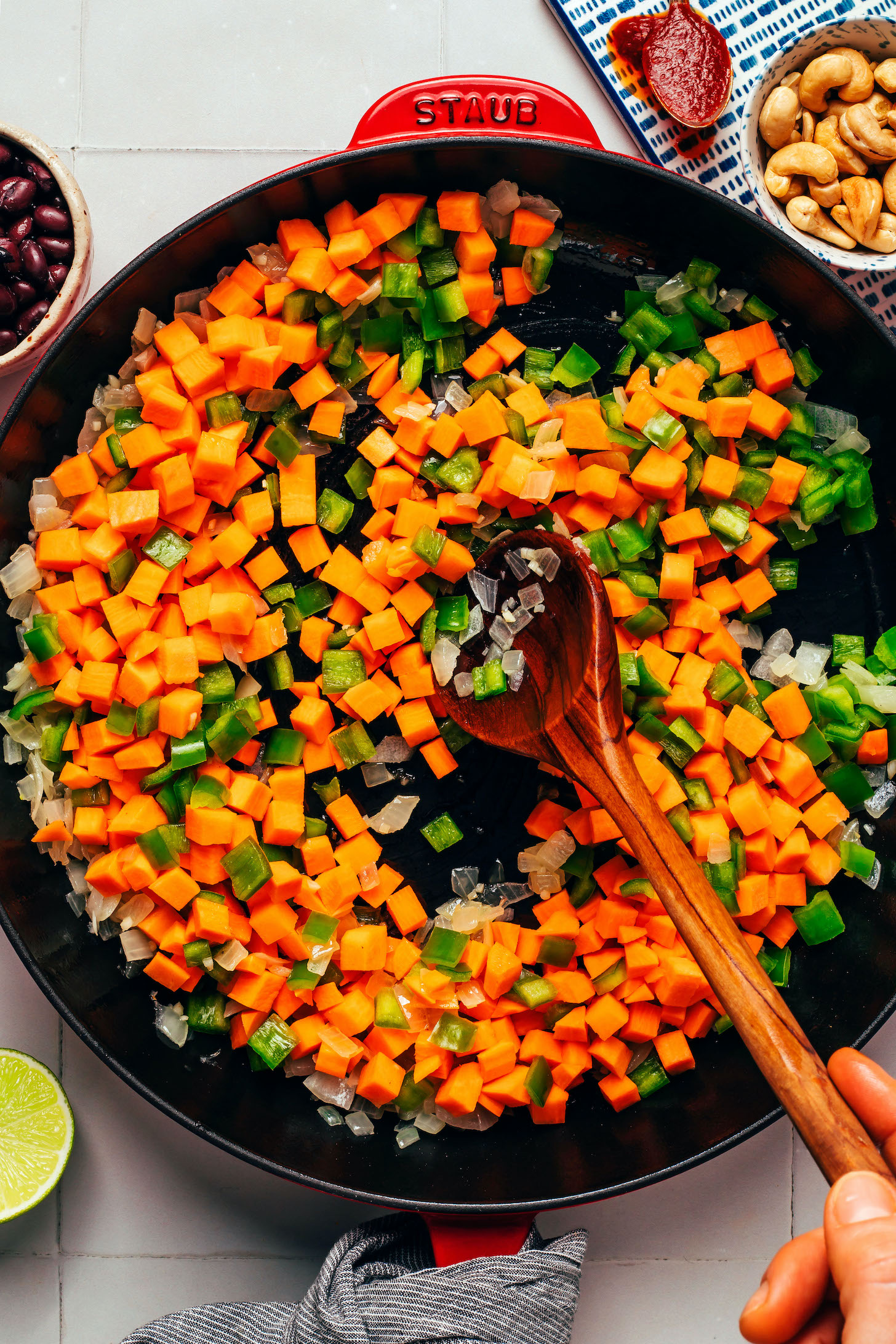
- Preparation (0–10 minutes): The process begins with the preparation of the vegetable base. Onions, garlic, poblano peppers, and small-cubed sweet potatoes are sautéed to tenderize the produce. The size of the vegetable cuts is critical; 1/4 to 1/2-inch cubes are required to ensure the vegetables reach a palatable texture within the 20-minute cooking window.
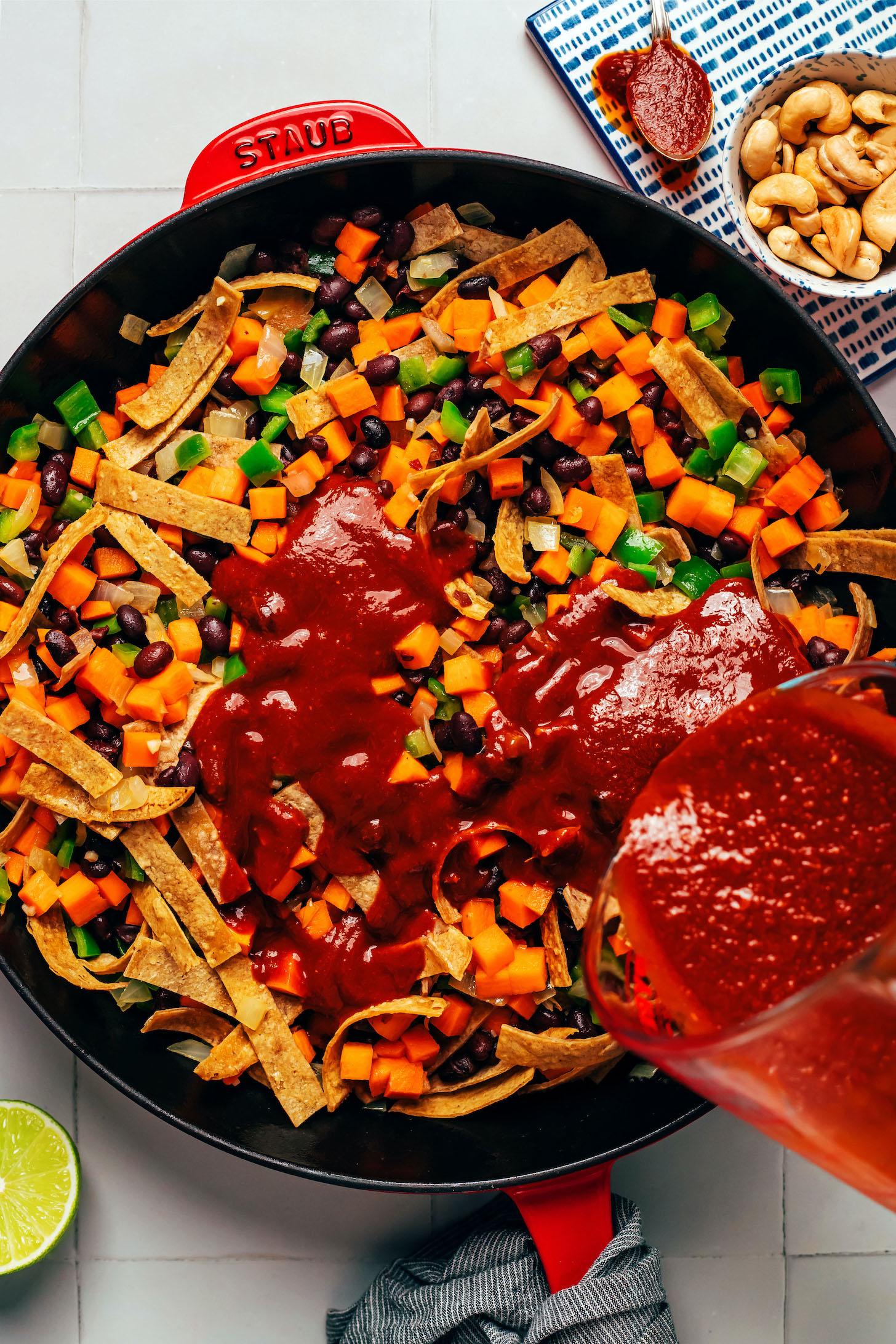
- Assembly (10–15 minutes): Black beans and sliced corn tortillas are integrated into the mixture. The addition of red enchilada sauce follows, allowing the tortillas to soften and absorb the liquid, mimicking the texture of a traditional baked enchilada.
- The Emulsion (15–25 minutes): The cashew-based sauce is poured over the top. As the pan is covered, the heat acts as a catalyst for the tapioca starch, transforming the liquid into a viscous, cheese-like layer.
- Finalization (25–30 minutes): The dish is allowed to rest briefly before serving, ensuring the flavors meld and the moisture content is balanced.
Industry Implications of Simplified Plant-Based Cooking
The rise of such recipes is not merely a trend but a reflection of changing consumer behaviors in the post-pandemic kitchen. Data from culinary market analysts indicate a sustained interest in "low-effort, high-reward" recipes. As consumers face rising food costs and time constraints, the preference for recipes that minimize dishwashing—such as the one-pan skillet—has gained momentum.
Furthermore, the versatility of this recipe highlights a broader shift toward "flexible" cooking. The substitution of poblano peppers for green bell peppers, or the inclusion of various squashes depending on seasonal availability, aligns with modern sustainability goals that encourage the use of local, seasonal produce. From a market perspective, the adaptation of classic recipes into plant-based, time-efficient formats creates opportunities for grocery retailers to bundle ingredients—such as canned black beans, corn tortillas, and high-quality enchilada sauces—to simplify the shopping experience for time-pressed consumers.
Perspectives on Dietary Inclusivity
Dietary professionals have noted that the success of these plant-based alternatives often depends on their sensory compatibility with the original versions. The use of cashew-based sauces in place of dairy is a well-documented technique in professional vegan catering, yet its adoption in mainstream home cooking has accelerated significantly in the last five years.
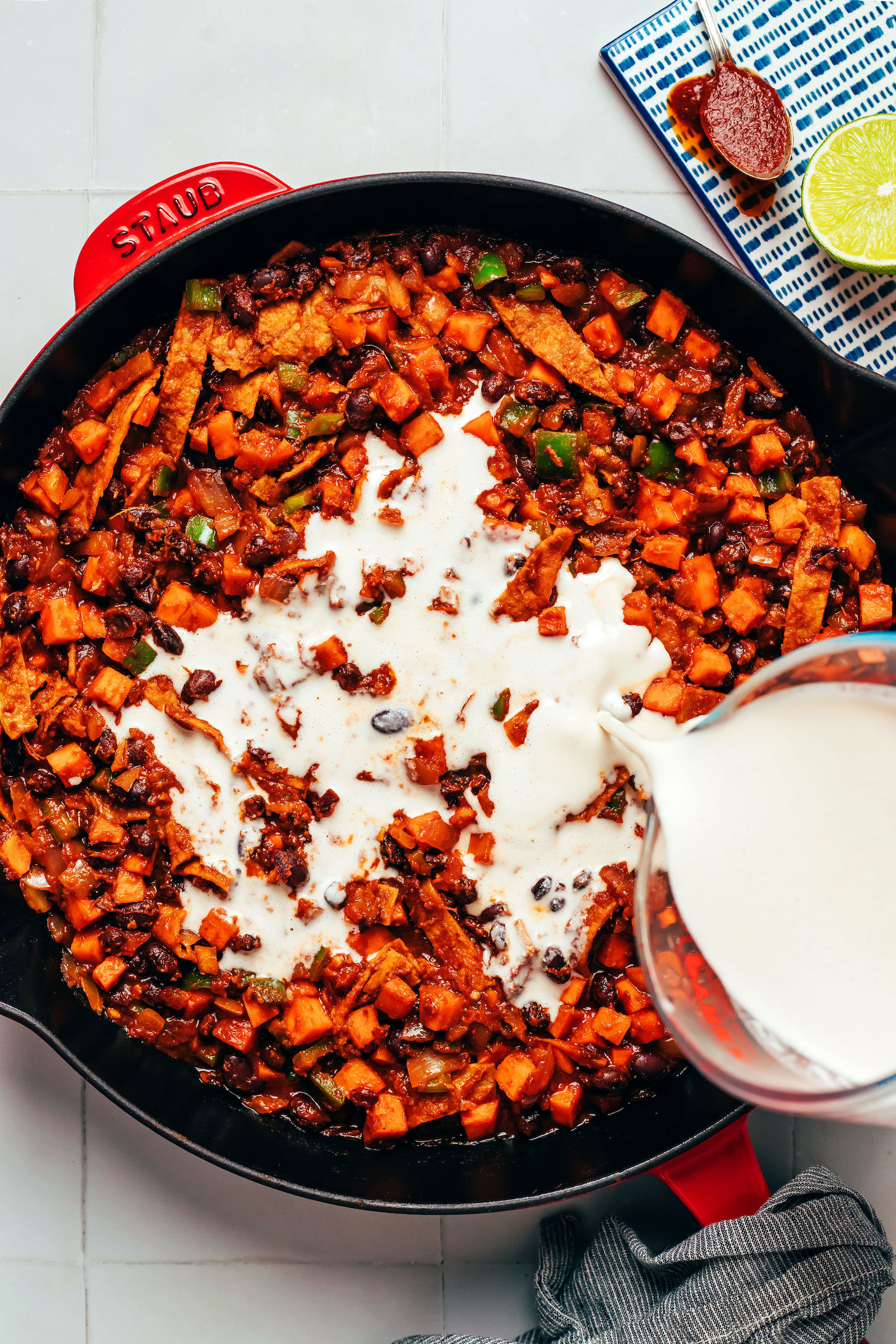
By utilizing ingredients commonly available in most households, the recipe avoids the "niche" label often associated with vegan cooking. It effectively bridges the gap between traditional comfort food and modern health-conscious living. The ability to incorporate protein-rich add-ons—such as tofu "meat" or shredded poultry for non-vegan consumers—further suggests that this dish is designed to be inclusive rather than exclusive, appealing to a broad demographic of omnivores, vegetarians, and vegans alike.
Future Outlook and Conclusion
The longevity of the one-pan enchilada format seems likely, given the convergence of several key consumer drivers: the demand for sustainable protein, the necessity for time-efficient meal preparation, and the ongoing interest in traditional flavor profiles. As the food industry continues to emphasize "clean label" ingredients, the reliance on whole foods like cashews, beans, and fresh vegetables rather than highly processed meat substitutes or synthetic cheeses is a trend that is expected to continue.
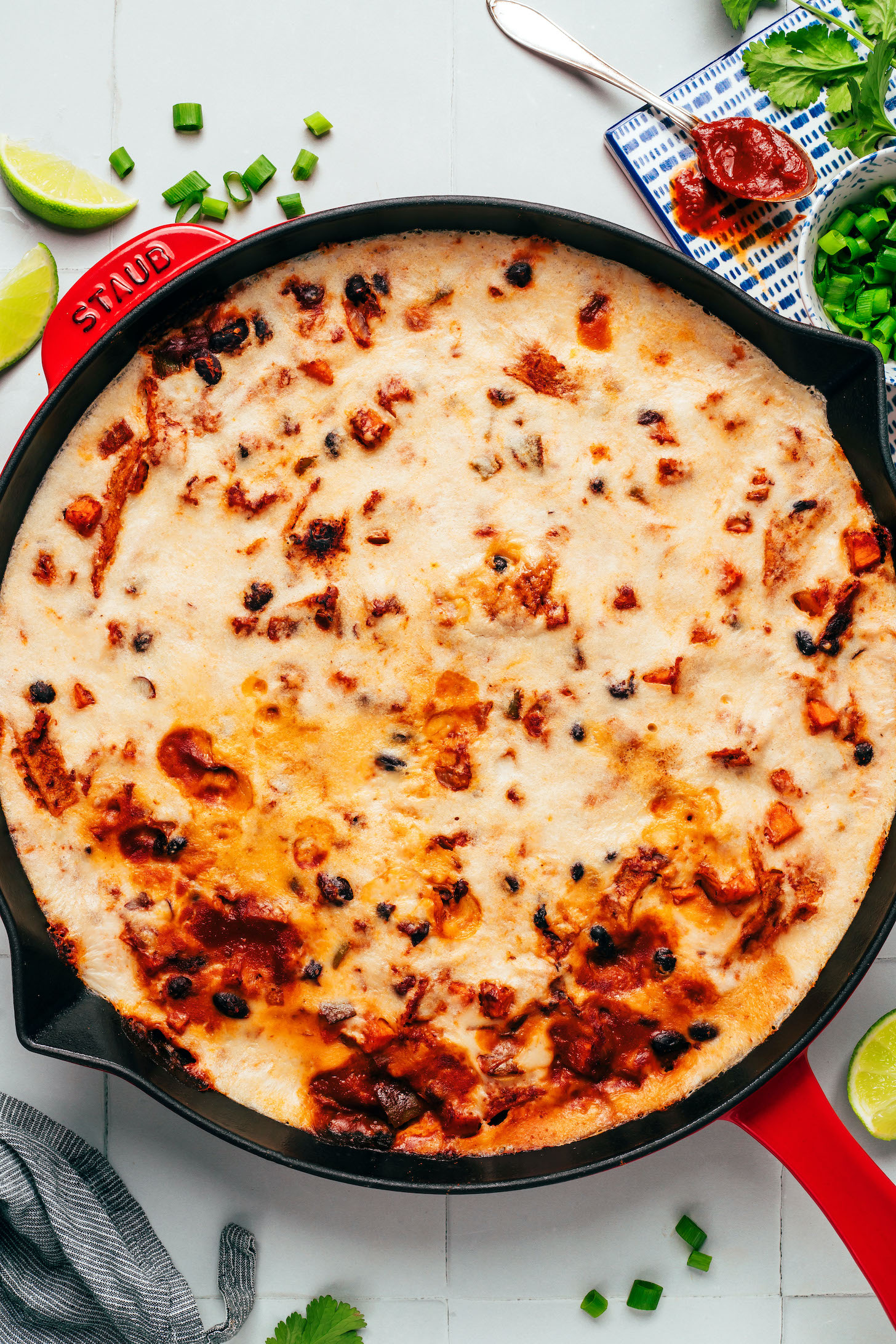
Ultimately, the Cheesy Vegan Enchilada Skillet serves as a case study for modern recipe development. It respects the historical context of its origins while simultaneously leveraging modern culinary techniques to meet the practical needs of the contemporary home cook. Whether viewed through the lens of nutritional science, historical evolution, or culinary innovation, the dish represents a pragmatic approach to the future of home-prepared meals.