The preservation of maple syrup represents a significant challenge for consumers who purchase the product in bulk, as improper storage frequently leads to colonization by various mold species and subsequent product loss. While maple syrup is often perceived as a shelf-stable commodity due to its high sugar concentration, food safety experts and agricultural extension services emphasize that its longevity is heavily dependent on container material, temperature control, and the integrity of the original seal. Recent data from the North American Maple Syrup Council and various university research extensions suggest that while traditional room-temperature storage is acceptable for certain unopened containers, the preferred method for long-term home preservation is freezing. This comprehensive analysis explores the chemical properties of maple syrup, the mechanics of spoilage, and the rigorous standards required to maintain quality from the sugar bush to the kitchen table.
The Chemistry of Stability: Brix and Water Activity
To understand why maple syrup requires specific storage conditions, one must first examine its chemical composition. By legal definition in North America, maple syrup is the result of boiling maple sap until it reaches a specific density. This density is measured in degrees Brix, which represents the percentage of sugar by weight in an aqueous solution. According to the North American Maple Syrup Council, the mandatory density for finished maple syrup must fall between 66° and 68° Brix.
This narrow window is critical for both safety and quality. If the syrup falls below 66° Brix, the water activity—the amount of "free" water available for microbial growth—remains high enough to allow for fermentation and the growth of mold. Conversely, if the syrup exceeds 68° Brix, it becomes supersaturated, leading to the precipitation of sugar crystals at the bottom of the container. While the average pH of maple syrup is approximately 5.15—well above the 4.6 threshold that typically prevents the germination of C. botulinum spores—the high sugar concentration creates an environment with low water activity. This low water activity is the primary mechanism that inhibits bacterial growth, though it is less effective against certain resilient fungi.

The Impact of Container Porosity on Shelf Life
A common misconception among consumers is that all unopened containers of maple syrup are equally suited for the pantry. However, the Quebec Maple Syrup Producers Association (QMSP) has released guidelines highlighting the varying oxygen barrier properties of retail packaging. Unopened glass, metal, and squeeze-type plastic containers provide a formidable barrier to oxygen, allowing them to be stored at room temperature in a dark, cool cupboard for extended periods.
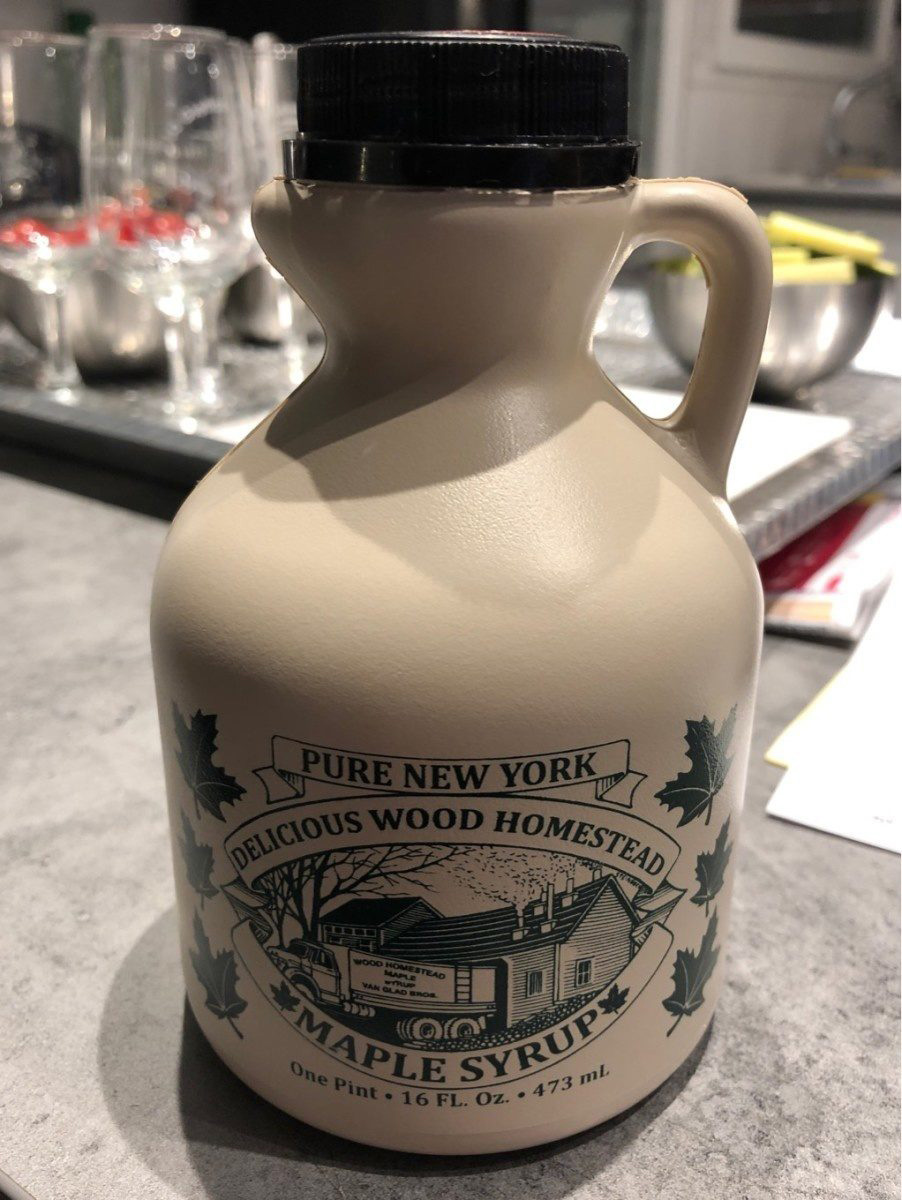
In contrast, the iconic beige or grey plastic jugs frequently used by small-scale producers are often made of porous materials that do not provide a foolproof barrier to oxygen. Research indicates that oxygen can permeate these containers over time, facilitating the growth of aerobic molds even if the seal remains unbroken. Consequently, the QMSP recommends that maple syrup purchased in these specific plastic jugs be stored in the refrigerator immediately upon purchase to prolong its lifespan and prevent premature spoilage.
Post-Opening Protocols: The Refrigeration Mandate
Once the original seal of a maple syrup container is broken, the product is immediately exposed to mold spores present in the ambient air. From this moment, the syrup is no longer suitable for room-temperature storage. Professional food safety experts, including those from the Special Broadcasting Service’s food division, categorize consumers into "team fridge" or "team cupboard," but the scientific consensus is clear: opened syrup must be refrigerated.
Refrigeration serves to slow the metabolic processes of mold spores, but it does not eliminate them entirely. For households that consume large quantities slowly, even refrigerated syrup can eventually succumb to mold. This reality has led many extension services to advocate for secondary preservation methods for bulk purchases, ensuring that only a manageable amount is kept in the refrigerator for immediate use.
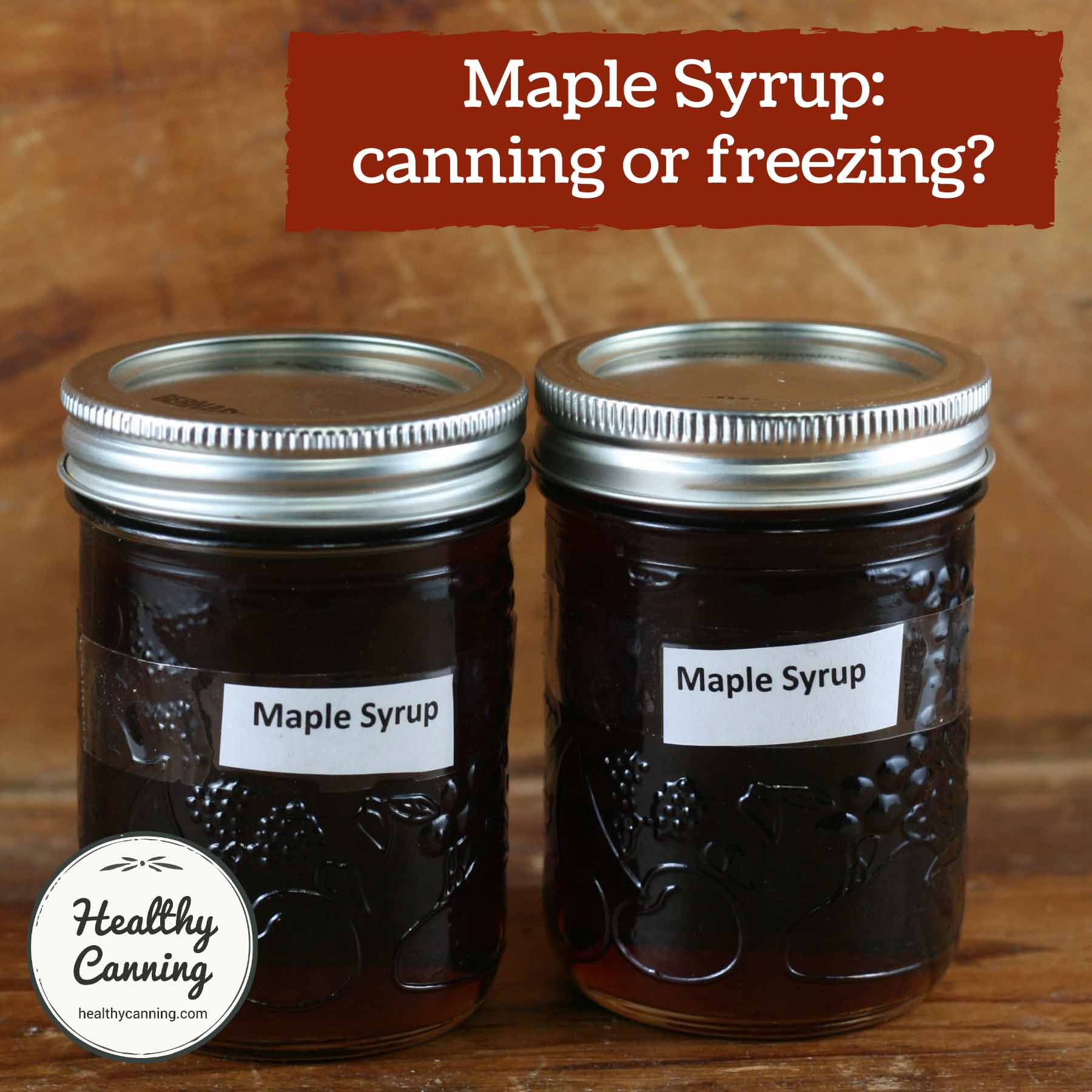
The Gold Standard: Long-Term Preservation via Freezing
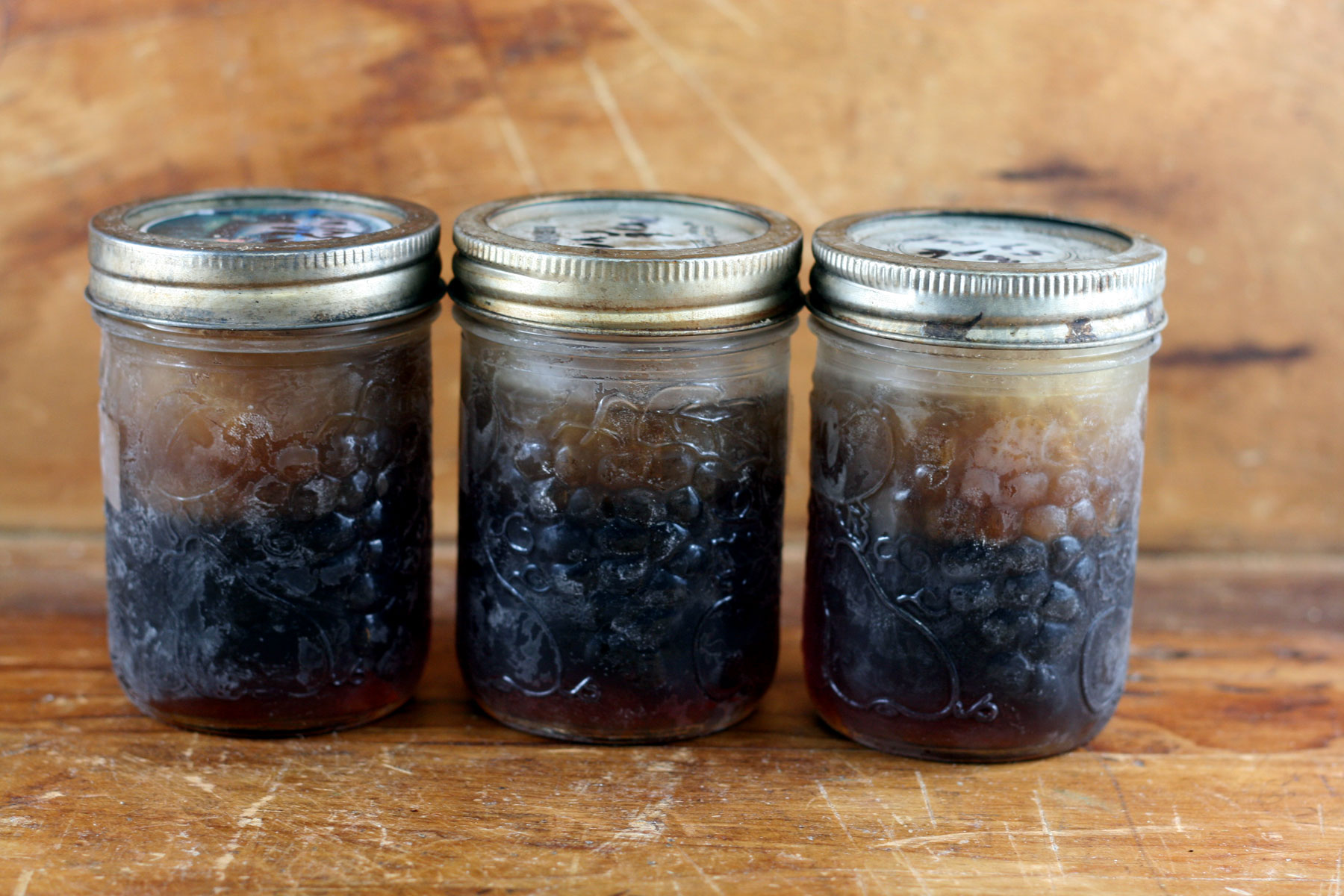
For home preservation, freezing is widely regarded as the superior method for maintaining the organoleptic qualities of maple syrup—namely its flavor, color, and viscosity. Unlike many water-based liquids, maple syrup does not freeze into a solid block. Due to its high sugar content, it remains highly viscous, taking on a texture similar to chilled honey. This allows the syrup to be stored for years without the risk of expansion-related container breakage, provided certain precautions are taken.
The Vermont Maple Sugar Makers’ Association confirms that maple syrup can undergo multiple freeze-thaw cycles without degradation, provided that any condensation forming on the surface is stirred back into the liquid upon thawing. For optimal results, experts recommend transferring syrup into glass Mason jars. While plastic jugs are susceptible to oxygen intrusion and metal cans may eventually impart a metallic taste or suffer from rust, glass remains inert.
When preparing syrup for the freezer, headspace—the empty space between the liquid and the lid—is a critical factor. The National Center for Home Food Preservation provides specific guidelines to balance the need for expansion room with the goal of minimizing oxygen exposure. For half-pint and pint jars, a headspace of one-half inch is recommended. For larger quart jars, this should be increased to one inch. This ensures the jar does not shatter while limiting the volume of air that could potentially lead to quality loss over an "extended period of time," a duration Purdue University Extension Services notes can span several years.
The Controversy of Home "Canning" and Bottling
While some home enthusiasts attempt to "re-can" bulk maple syrup by heating it and sealing it in smaller jars, this practice is generally discouraged by agricultural extensions. Ohio State University Extension warns that reheating syrup can cause it to darken and undergo flavor changes, a phenomenon known as "stack burn" or "coding."
Technically, the process used by hobbyists is not "canning" in the traditional sense, as it lacks a pressurized or boiling-water processing step. Instead, it is a form of "hot packing." In commercial operations, syrup is heated to between 82°C and 85°C (180°F to 185°F) before being bottled. At this temperature, the syrup is hot enough to kill most mold spores. However, if the temperature exceeds 90°C (194°F), minerals known as "sugar sand" or niter can precipitate out of the solution, resulting in a cloudy, unappealing product that requires professional-grade filtering cloth to clarify.
Furthermore, the industry utilizes a technique called "inversion," where filled and capped containers are tilted to ensure the hot syrup contacts the lid and neck of the bottle. This is intended to sterilize the interior surfaces. Despite these rigorous commercial standards, research from the University of Maine found that 32 out of 34 samples of syrup submitted for testing were contaminated with fungi, proving that even professional hot packing is not a guarantee of sterility. Some heat-resistant spores, such as certain strains of Penicillium and Aspergillus, can survive temperatures of 75°C for several minutes, requiring at least seven minutes at 70°C for a total kill.
Analysis of Implications for Food Waste and Quality
The implications of these storage findings are significant for both the consumer economy and food waste reduction. Maple syrup is a premium product, often involving intensive labor and energy to produce—requiring approximately 40 gallons of sap to produce a single gallon of syrup. Spoilage due to improper storage represents a notable economic loss for the household.
The transition from traditional pantry storage to a more scientifically informed approach involving refrigeration and freezing reflects a broader trend in food preservation. As consumers increasingly buy in bulk to reduce packaging waste and cost, the necessity for robust home preservation techniques grows. The data suggests that the "buy and forget" mentality in the pantry is no longer viable for maple syrup, particularly when packaged in modern, sometimes porous, plastic materials.
Summary of Best Practices for the Consumer
Based on the synthesis of data from the Ontario Ministry of Agriculture, Food and Rural Affairs (OMAFRA), and various North American extension services, a clear chronology for maple syrup management emerges. Upon purchase, consumers should identify the container material; glass and metal may remain on the shelf, while beige plastic should be refrigerated. Once opened, all syrup must be kept at 4°C (40°F) or lower.
For bulk quantities that will not be consumed within six months, freezing in glass Mason jars with appropriate headspace remains the only foolproof method to prevent mold growth without compromising the syrup’s delicate flavor profile. By adhering to these standards, consumers can ensure that the "liquid gold" of the forest remains a safe and high-quality staple in their kitchens for years to come.