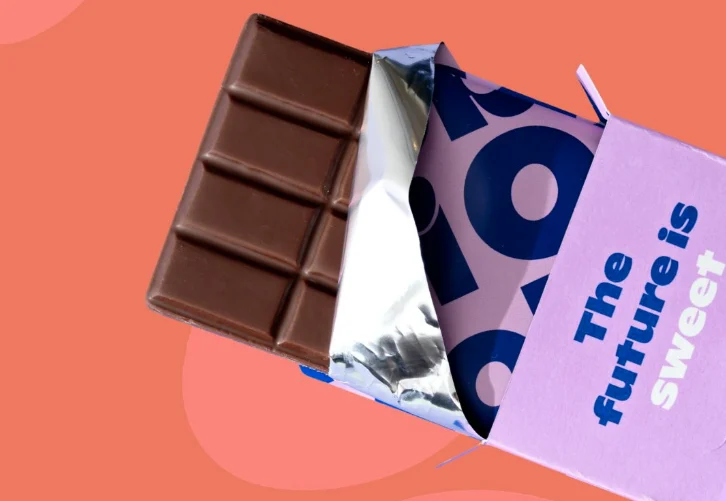

Three years ago, Oobli emerged onto the food and beverage scene with a novel approach to sweetness, launching a line of sweet teas and chocolates designed to showcase its precision-fermented sweetener. At the time, the company’s position at the nexus of protein innovation and the growing demand for healthier sweetening systems seemed strategically sound. The prevailing consumer trends of "protein-maxxing" and a general push for "better-for-you" options created a fertile ground for Oobli’s protein-based sweetener, which promised a natural alternative to traditional sugars. However, what appeared to be peak interest in protein and sugar reduction in 2023 has since been dwarfed by the seismic shifts brought about by the widespread adoption of GLP-1 medications and the broader "MAHA" (Metabolic Health and Aging) movement. These forces have compelled food companies to fundamentally re-evaluate their product portfolios, leading to extensive reformulation efforts and a race to market with innovative solutions.
In light of these evolving market dynamics, The Spoon reconnected with Oobli and its CEO, Ali Wing, to understand the company’s current strategy and how it is adapting to the new food landscape.
Oobli’s Strategic Evolution: From Consumer Brand to B2B Ingredient Platform
"We are first and foremost a sweet protein technology platform," stated CEO Ali Wing in a recent interview on The Spoon Podcast. "Our revenue and our business model are centered on being a specialty ingredient that can replace sugar or transform sweetening systems in packaged food and beverages." This strategic pivot from a direct-to-consumer model to a business-to-business (B2B) ingredient supplier represents a significant evolution for Oobli. While a shift towards a B2B focus is a natural progression for many technology-driven companies, it holds particular strategic advantage within the competitive and capital-intensive consumer packaged goods (CPG) and food industries.
Instead of attempting to build a standalone brand in a crowded marketplace, Oobli is now concentrating on forging partnerships with established companies that possess global reach and robust distribution networks. As Wing elaborated, Oobli’s primary role is to facilitate reformulation and innovation for its partners, rather than to compete for shelf space directly. This often involves working through intermediary partners, such as ingredient distributors, to reach CPG manufacturers.
Leveraging Partnerships for Wider Market Penetration
Oobli’s B2B strategy is characterized by a collaborative approach, often described as an "and strategy" by Wing. This means working in conjunction with partners rather than in direct competition. "For dedicated projects where a company truly wants to delve deep with us and we are helping them develop a specific formula, we will invest resources if there’s a co-investment," Wing explained. "Otherwise, we have major partners who will dedicate time and expertise to assist them with their formulations."
This partnership model has already yielded significant collaborations. Oobli has joined forces with ingredient giant Ingredion, a move aimed at integrating sweet protein solutions into existing sweetener systems. Furthermore, the company is engaged in discussions and projects with food industry titan Mars across various segments of its vast business. The overarching goal of these alliances is to seamlessly integrate Oobli’s technology into the established food manufacturing ecosystem, empowering partners to develop novel sweetening approaches.
"If you consider most packaged goods, packaged food and beverages very rarely rely on a single sweetener; it’s typically a complex sweetener system," Wing noted. This underscores the value of Oobli’s technology, which can be tailored to complement or replace components within these intricate systems.
Responding to the GLP-1 and MAHA Imperative
The company has ceased production of its own branded teas, which served as initial "marketing proof points" to demonstrate the technology’s potential to potential brand partners. This decision reflects Oobli’s strategic realignment to capitalize on the accelerating market demand for healthier sweetening options and enhanced nutrient density, particularly among consumers influenced by the GLP-1 trend and the broader MAHA movement.
The rise of GLP-1 medications, initially developed for diabetes management, has had a profound impact on consumer behavior and dietary preferences. Users often report reduced appetite and cravings, leading to a greater emphasis on nutrient-dense foods and a desire for sugar alternatives that align with health-conscious lifestyles. Similarly, the MAHA movement emphasizes proactive strategies for metabolic health and aging, further driving demand for ingredients that support these goals.

"Sweet proteins show up exceptionally well in both these areas," Wing affirmed. The inherent protein content of Oobli’s sweetener offers a nutritional benefit that aligns with protein-focused diets, while its ability to provide sweetness without the caloric and metabolic drawbacks of sugar makes it an attractive option for health-conscious consumers and those managing their metabolic health.
The Science Behind Oobli’s Sweetness: Precision Fermentation
Oobli’s core technology relies on precision fermentation, a sophisticated biotechnological process. This method utilizes microorganisms, such as yeast or bacteria, that have been genetically engineered to produce specific proteins. In Oobli’s case, these microorganisms are programmed to synthesize sweet proteins derived from natural sources, such as fruits and plants.
The process begins with the identification and isolation of genes responsible for sweetness in these natural sources. These genes are then introduced into a carefully selected microbial host. The host organism is then cultivated in a controlled environment, a fermenter, where it consumes nutrients and, through its metabolic processes, produces the desired sweet proteins. Following fermentation, these proteins are harvested, purified, and processed into an ingredient that can be incorporated into food and beverage products.
This method offers several advantages over traditional agricultural production of sweeteners. Precision fermentation allows for a consistent and scalable supply of high-quality sweet proteins, independent of seasonal variations or geographical limitations. It also enables the production of novel sweetening compounds that may not be readily available or economically viable through conventional means. Furthermore, the process can be optimized to minimize environmental impact compared to large-scale agriculture.
Market Dynamics and Future Implications
The food industry is undergoing a period of unprecedented transformation. Consumer expectations are shifting rapidly, driven by scientific advancements, health awareness, and evolving dietary trends. Companies that can offer innovative solutions that meet these demands are poised for significant growth.
Oobli’s strategic pivot positions it to be a key enabler of this transformation. By providing a versatile and health-conscious sweetening ingredient, the company empowers established food manufacturers to reformulate their products and introduce new offerings that resonate with today’s consumers. The partnerships with major players like Ingredion and Mars signal a strong validation of Oobli’s technology and its potential market impact.
The broader implications of Oobli’s approach extend beyond mere sugar replacement. The integration of protein into sweetening systems offers a pathway to developing more nutritionally complete and satisfying food and beverage options. As the understanding of metabolic health and the role of diet in aging continues to deepen, ingredients that offer a combination of health benefits, such as reduced sugar and added protein, are likely to see increased demand.
The success of Oobli’s B2B strategy will depend on its ability to continue innovating, scaling production, and fostering strong relationships with its partners. The company’s focus on providing a specialty ingredient that addresses complex formulation challenges suggests a long-term vision for influencing the future of sweetening systems in the global food and beverage market.
The full interview with Oobli CEO Ali Wing is available for viewing, offering further insights into the company’s vision and its role in shaping the next generation of food and beverage products.