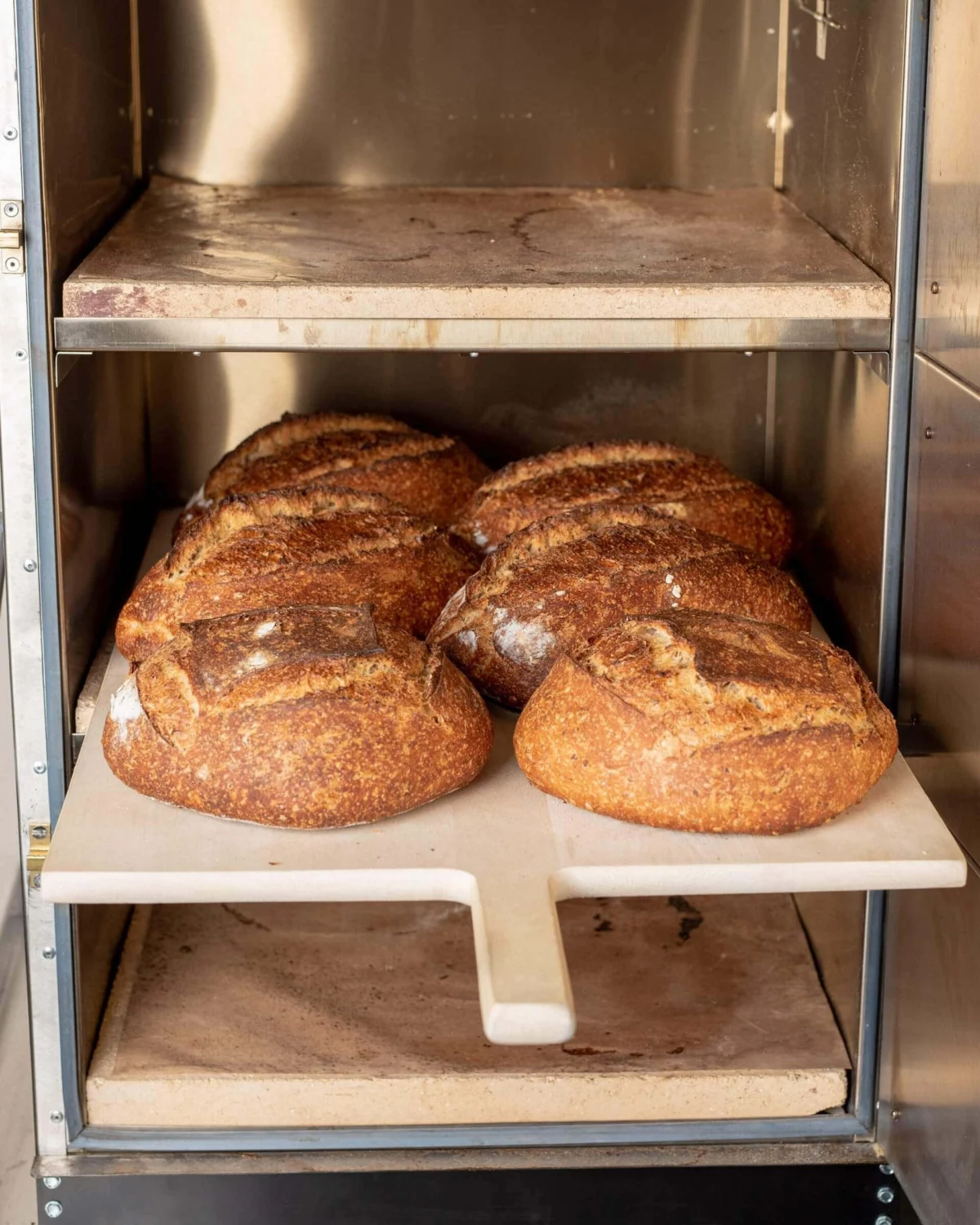

The journey from aspiring home baker to one who dreams of outfitting a professional-grade kitchen is often marked by a singular, growing realization: the limitations of existing equipment. For many passionate bakers, this evolution culminates in the search for a larger, more capable oven. This was precisely the juncture at which this article’s author found themselves, moving beyond the desire for a slightly bigger oven to actively seeking a solution that could accommodate ambitious baking goals, such as easily producing six loaves simultaneously – a modest target for a commercial bakery, yet a significant undertaking for a home environment. The impetus for this transition is rooted in the pursuit of efficiency, allowing more focus to be dedicated to the nuanced artistry of bread-making: flavor development, precise fermentation, dough handling, and intricate shaping. The Rofco oven emerged as the natural progression for this baker, promising the capacity to handle increasing quantities of dough with enhanced efficiency.
This progression is not an uncommon one among dedicated home bakers. For some, it’s a gradual immersion into an ever-deepening obsession with the craft. This often leads to the establishment of nano or micro-bakeries, or the expansion into selling goods at local farmers’ markets. Regardless of the specific driver for scaling up production, this guide aims to consolidate essential information for those venturing into this territory. It delves into the tools, optimal temperatures, baking times, and other practical tips accumulated through hands-on experience with a Rofco bread oven. Furthermore, it serves as a resource for individuals contemplating the acquisition of a Rofco oven, offering guidance on initiating its use and developing a personalized baking process.
Understanding the Rofco Bread Oven
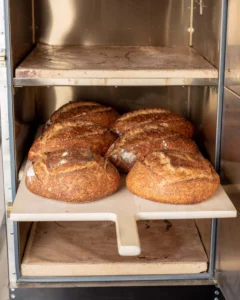
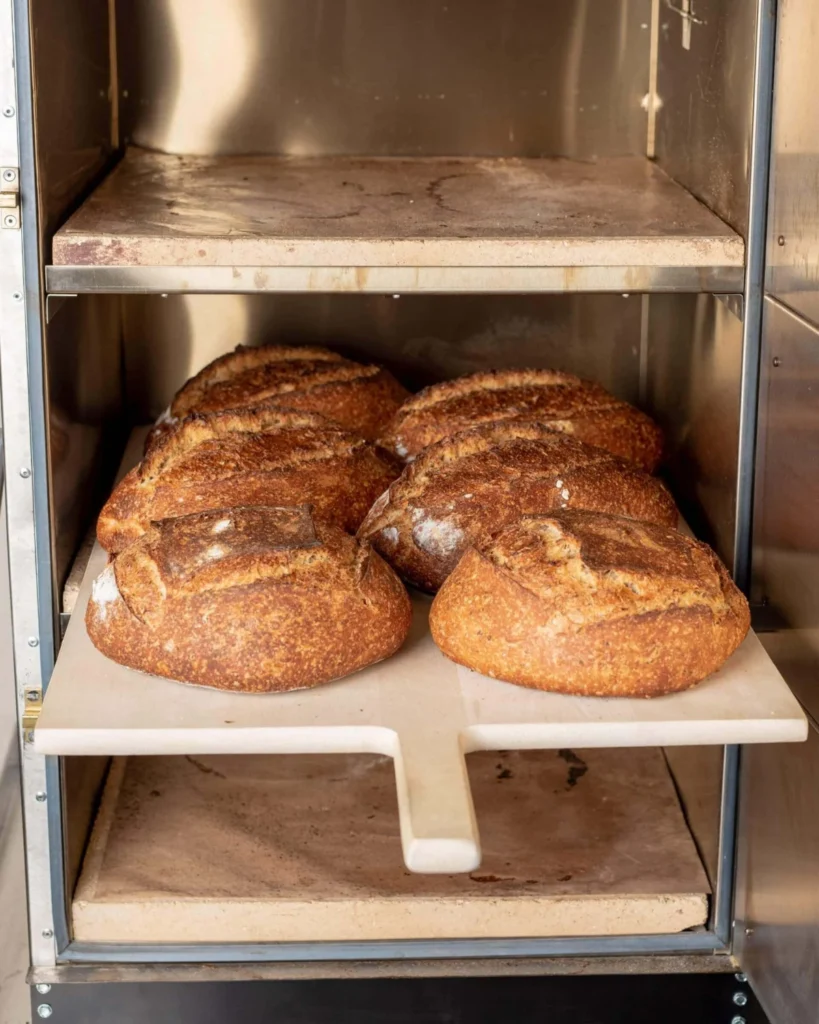
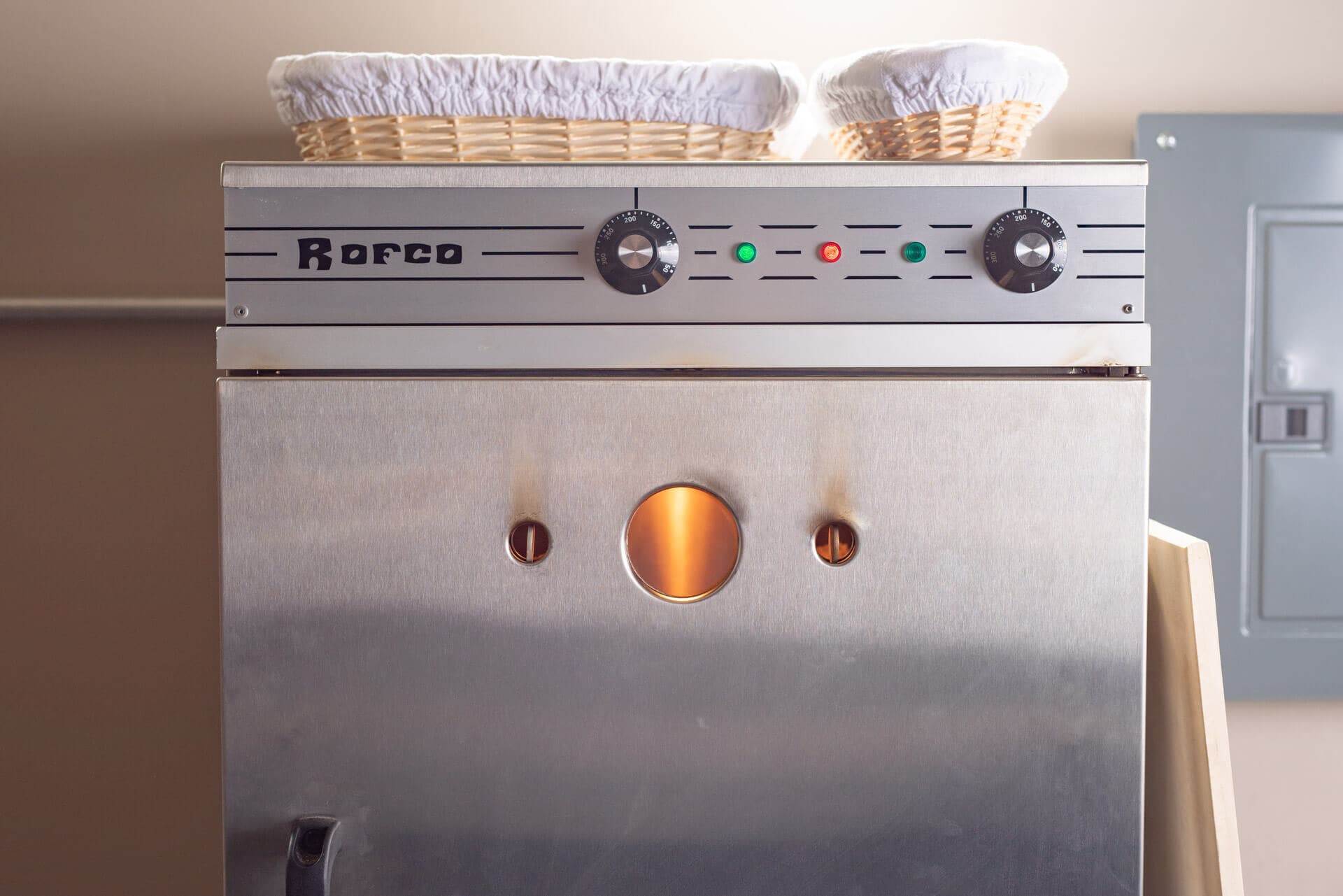
A Rofco is a specialized, Belgian-manufactured brick oven engineered specifically for baking bread. Available in various configurations, the model discussed, the Rofco B40, represents the largest option, featuring three spacious, square baking decks. Its design is characterized by a robust, no-nonsense construction and a fully sealed oven chamber. A key advantage is its minimal external heat radiation, allowing for placement in close proximity to walls or other appliances, despite the oven’s internal heat. The oven is equipped with three 1-3/8-inch thick chamotte (refractory brick) deck stones. These stones possess a remarkable capacity for heat retention, maintaining elevated temperatures even after the door has been opened for loading dough. This sustained heat retention makes the Rofco exceptionally well-suited for consecutive baking sessions, requiring only brief recovery periods between batches to reach optimal temperature.
The Rofco operates on standard 220V AC single-phase power, a common electrical requirement for many household appliances in North America. For installation, it is typically advisable to consult with a qualified electrician to ensure the appropriate receptacle and dedicated breaker are installed in the home’s electrical panel.
While the Rofco is adept at baking large quantities for events, its regular use often involves producing batches of 4-6 loaves. Its efficiency and convenience are frequently highlighted, positioning it as a reliable workhorse for both demanding baking schedules and more modest home production needs. The author acquired their Rofco oven from Pleasant Hill Grain, a retailer lauded for its exceptional customer service. Their responsiveness to inquiries and assistance with minor issues, such as a faulty door clasp, underscores the positive purchasing experience. It is important to note that while a discount was received, this guide is presented as an independent assessment based on personal experience.
A Resounding Endorsement: The Rofco Bread Oven
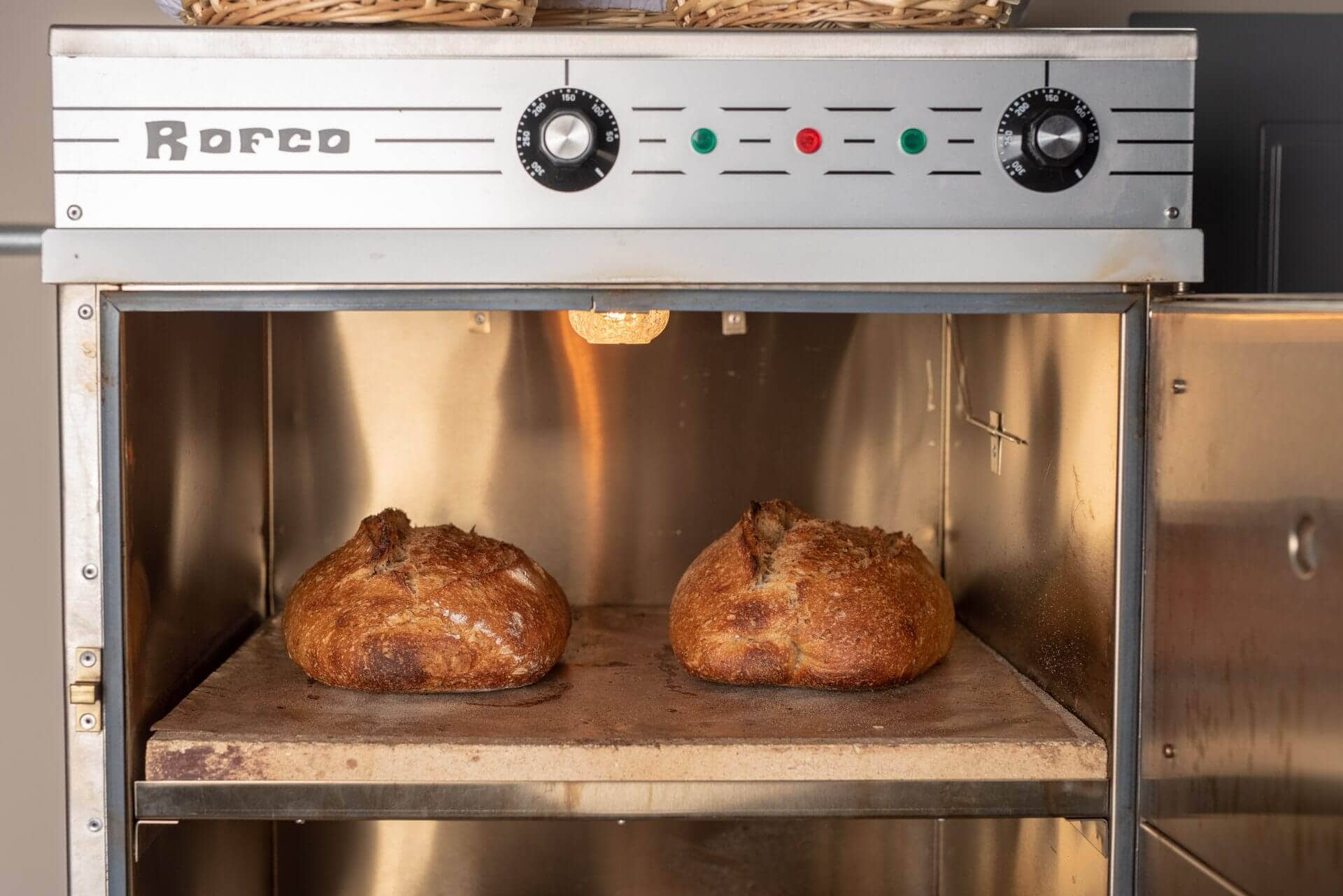
To be unequivocal, the Rofco bread oven receives a strong recommendation. It is presented as an outstanding appliance for any home baker looking to expand their capacity beyond the limitations of a standard two-loaf oven. Its straightforward design, the ease with which its components can be repaired, and its consistent baking performance make it a valuable asset for both domestic and professional bread bakers.
Optimizing Dough Placement on the Decks
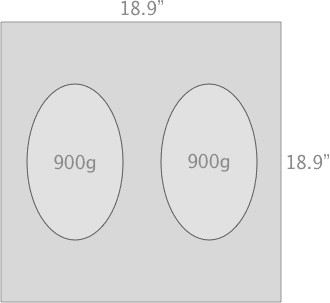
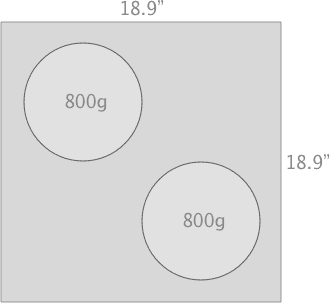
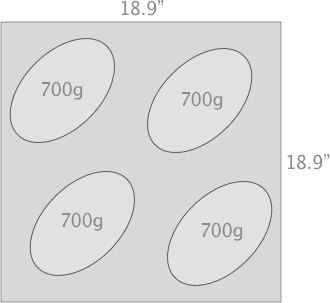
A critical aspect of maximizing oven capacity involves strategically arranging dough to ensure even baking without loaves touching. While the author has not extensively explored the absolute limits of dough placement, common configurations for home baking are detailed below, with the most frequent scenario involving two 900g batard loaves per deck. It is important to note that the diagrams represent typical batard shapes, while circles denote boules. Each deck in the Rofco B40 measures 18.9 inches by 18.9 inches. The top edge of each depicted square corresponds to the rear of the oven, and the bottom edge represents the front, where the door is located.
- Configuration 1: 2 x 900g Batards per Deck – This is the author’s most frequent baking setup.
- Configuration 2: 2 x 800g Boules per Deck – An alternative for round loaves.
- Configuration 3: 4 x 700g Loaves per Deck – This configuration allows for the highest number of loaves per deck, though they are smaller.
In addition to whole loaves, the Rofco’s included square steel trays are versatile. They can accommodate multiple smaller buns, rolls, or even a large square pizza. These trays are particularly useful for items other than bread, simplifying the transfer of numerous small baked goods and containing any potential messes.

Mastering Steam in the Rofco Oven
Achieving optimal bread oven spring relies heavily on generating sufficient steam during the initial stages of baking. The Rofco’s sealed oven chamber, designed to retain steam by preventing its escape through exhaust fans (until the front vents are opened), is a significant advantage. However, unlike some professional ovens, it does not feature an automated steam injection system. This necessitates manual methods for introducing steam, and several effective approaches exist.
High-Pressure Sprayer Method
The author’s preferred method for steaming involves a commercial-grade pressure sprayer. When using this technique, the sprayer is set to produce the finest mist possible. Prior to loading the dough, the sprayer is pressurized and filled with water. Starting with the bottom deck, approximately 10-12 seconds of mist is applied to the entire surface. This is repeated for the middle and top decks. A crucial caution is to avoid spraying the glass of the oven light fixture, as thermal shock can cause it to crack – a phenomenon the author has personally experienced. After applying mist to the top deck, the oven door is partially closed, and a second round of mist is applied to each deck before the door is fully secured.
To vent the steam, the oven door is carefully opened, allowing the accumulated steam to dissipate. Once the majority of steam has escaped, the door is closed again, and the two circular vents on the door are tilted to their open position.
Steam Pods
Rofco offers optional rectangular steam pods. These are long, steel boxes designed to be preheated within the oven. To generate steam, water or ice cubes are poured into these pods, and the oven door is closed. The resulting evaporation fills the oven with steam. While effective, these pods occupy valuable deck space, which can be a consideration for bakers aiming to maximize the number of loaves baked. The author has experimented with these pods and found them to be a viable option, but ultimately prioritizes the full use of deck space by employing the pressure sprayer method. Once the water in the pods has evaporated, steam venting is achieved by opening the circular vents on the oven door.
The Rofco Baking Process: A Step-by-Step Guide
The author has continually refined their Rofco baking process, adjusting times, temperatures, and minor procedural details. While different dough formulations may require specific adjustments, the following outline represents a reliable baseline.
The oven is controlled by two knobs: the left controls the top heating element, and the right controls the bottom element. Indicator lights illuminate when each respective element is active.
Preheating: Before initiating any baking, ensure the oven is empty. The author recommends preheating both the top and bottom elements to 240°C (464°F). A preheating duration of 1.5 hours is suggested to ensure the deck stones are thoroughly saturated with heat.
Loading the Oven: Once preheated, a large wooden pizza peel is placed on a nearby surface. A silicone baking mat is laid onto the peel, and two additional mats are prepared alongside. Dough is carefully turned out onto the mats, scored, and then the first sheet with dough is slid from the peel into the oven. The peel is then used to transfer the subsequent dough-loaded mats into the oven.
Baking Schedule:
| Step | Action | Temperature | Duration |
|---|---|---|---|
| 1. | Preheat oven (door closed, vents closed) | 240°C | 1 hour 30 mins |
| 2. | Bake with steam | 150°C | 20 minutes |
| 3. | Vent steam (briefly open door, open vents) | 220°C | 10 minutes |
| 4. | Continue baking (reshuffle loaves if necessary for even browning) | 150°C | 20-30 minutes |
Cooling and Storage: Upon completion of baking, loaves and silicone mats are removed from the oven using the peel and placed on wire racks to cool. The oven is then either turned off or reheated for subsequent batches.
Essential Tools for Rofco Baking
Several tools enhance the efficiency and effectiveness of baking with a Rofco oven.
Commercial-Grade Sprayer for Steam
For those opting against steam pods, a high-quality sprayer is indispensable. The author recommends an electric spray bottle that can deliver a substantial amount of fine mist with the press of a button, significantly streamlining the steaming process compared to manual pump sprayers.

Oven Equipment Stand
Elevating the Rofco oven can improve ergonomics and accessibility. A custom-cut stainless steel equipment stand is a practical solution. For instance, a 30" x 30" stainless steel stand, with legs adjusted to approximately 18 inches, can provide a comfortable working height. The addition of casters can offer mobility, though it may slightly impact overall stability if not properly secured.
Large Wooden Peel
A large wooden pizza peel is a crucial implement for safely and efficiently transferring dough into and out of the oven. A peel with a width matching the oven’s deck dimensions (approximately 18 inches for the Rofco B40) is ideal. The peel facilitates the process of sliding silicone mats with scored dough directly onto the hot deck stones.
Post-Baking Utility: Drying Proofing Baskets
A clever post-baking application for the Rofco is the drying of proofing baskets, or bannetons. After removing the baked loaves and silicone mats, the proofing baskets can be placed inside the still-warm oven. This residual heat effectively dries any damp liners or canvas, preventing mold formation and allowing for quicker storage.

The Path Forward: Continued Baking Evolution
Transitioning to a Rofco oven, or any new baking equipment, typically involves a brief adjustment period where baking quality might see a minor initial dip. The author advises selecting a straightforward sourdough recipe and practicing it consistently until proficient with the new oven’s nuances. For those seeking to acquire a Rofco, Pleasant Hill Grain is recommended for their exemplary service.
For bakers aspiring to equip a more professional setup, further exploration into complementary equipment is encouraged. This includes high-capacity dough mixers, such as the Famag spiral dough mixer, capable of handling substantial dough batches. For smaller-scale or micro-bakery operations, the Ooni Halo Pro Spiral Mixer offers a convenient alternative. Additionally, for those requiring even greater baking capacity than the Rofco B40, larger ovens like the RackMaster 2020 Bread Oven are available, featuring expansive decks for increased throughput.
The journey of a home baker often involves a continuous pursuit of improvement and expansion. The Rofco oven represents a significant step in this evolution, empowering bakers to achieve greater quantities and refined quality in their craft.