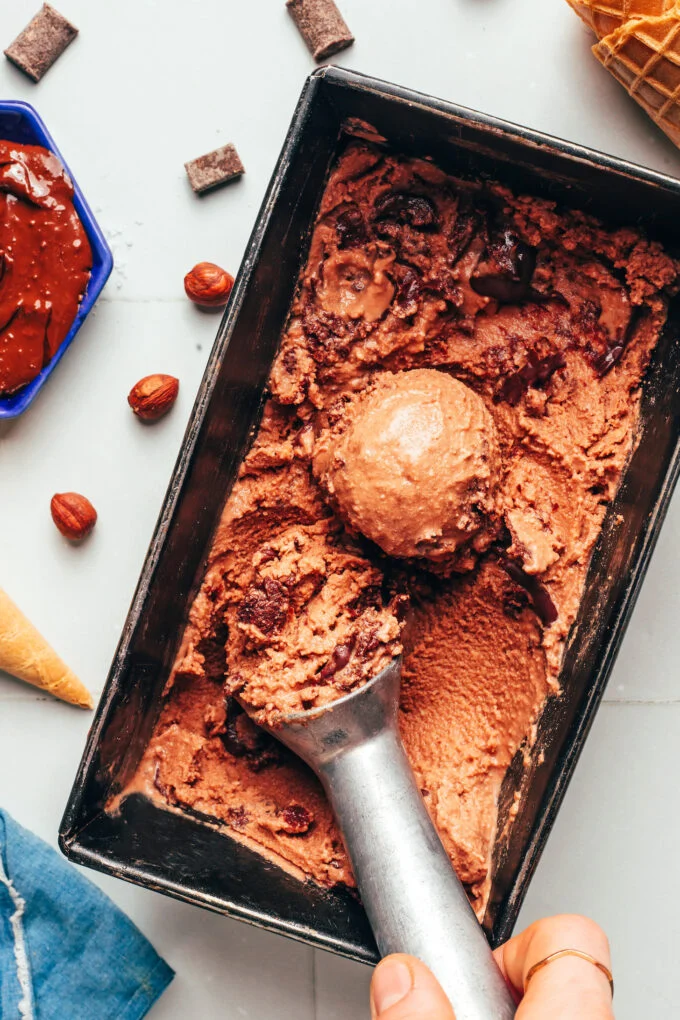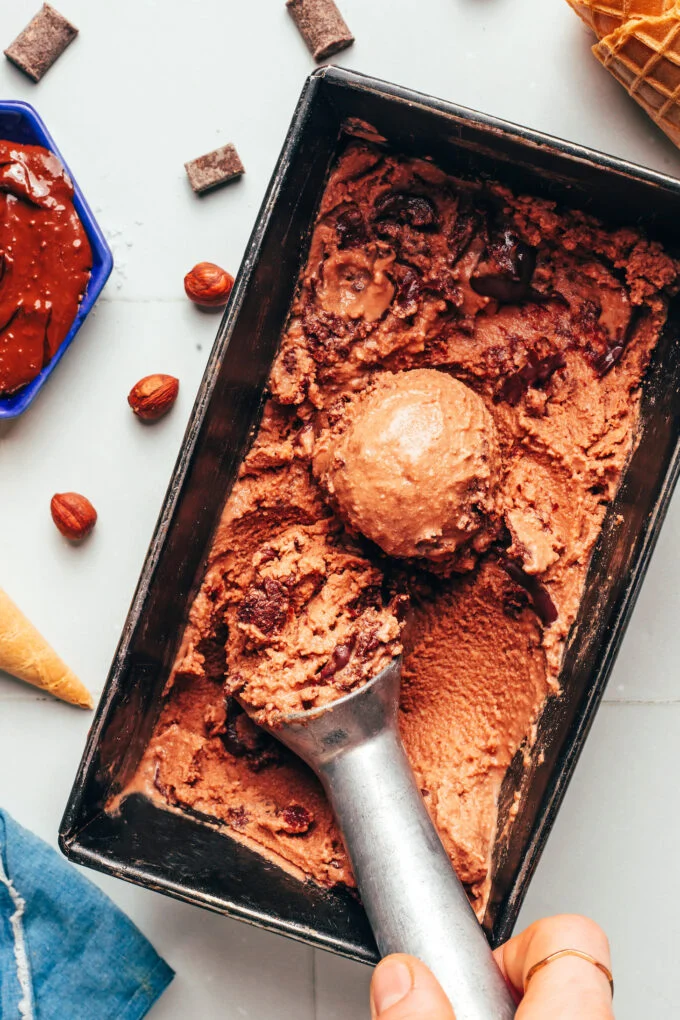

The Evolution of the Chocolate-Hazelnut Profile
The flavor profile commonly associated with the brand name Nutella has its roots in the Italian tradition of Gianduja, a sweet chocolate spread containing about 30% hazelnut paste. Developed in Piedmont, Italy, during the Napoleonic regency, the inclusion of hazelnuts was originally a strategic response to the scarcity of cocoa beans due to the Continental System. In the modern era, this flavor combination has become a global standard for indulgence. However, traditional commercial spreads often rely heavily on palm oil and dairy derivatives, which has led a growing segment of health-conscious and environmentally aware consumers to seek alternatives.
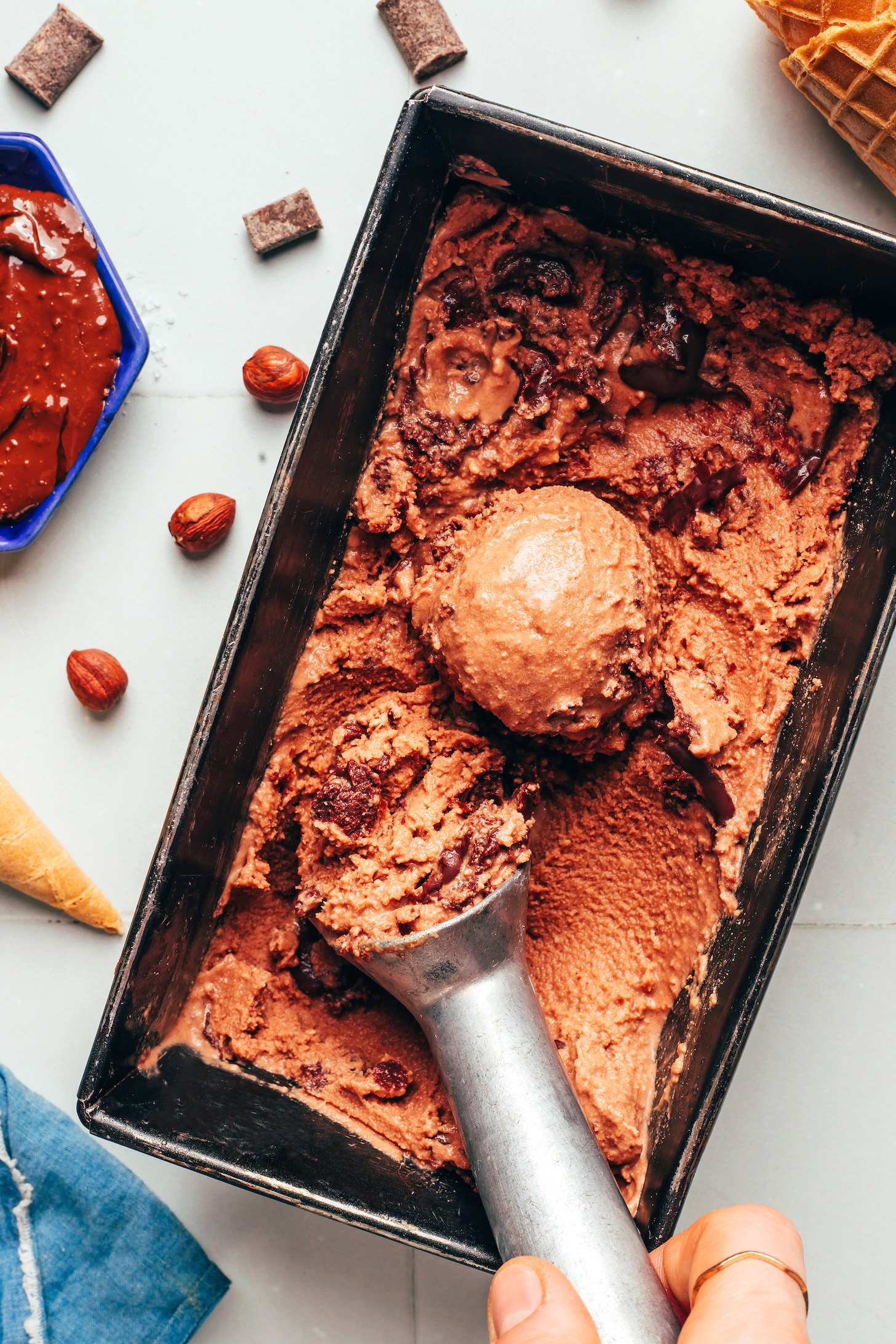
The Minimalist Baker formulation leverages the foundational elements of Gianduja—roasted hazelnuts and chocolate—while substituting dairy with canned light coconut milk and utilizing cane sugar as a sweetener. This shift aligns with broader industry data indicating that the global vegan ice cream market is projected to reach approximately $1.5 billion by 2030, driven by an increasing prevalence of lactose intolerance and a shift toward veganism for ethical and environmental reasons.
Chronology of the Preparation Process
The technical execution of the Vegan Nutella Ice Cream follows a precise multi-stage chronology designed to maximize flavor extraction and achieve a desirable textural "overrun"—the amount of air incorporated into ice cream during the freezing process.
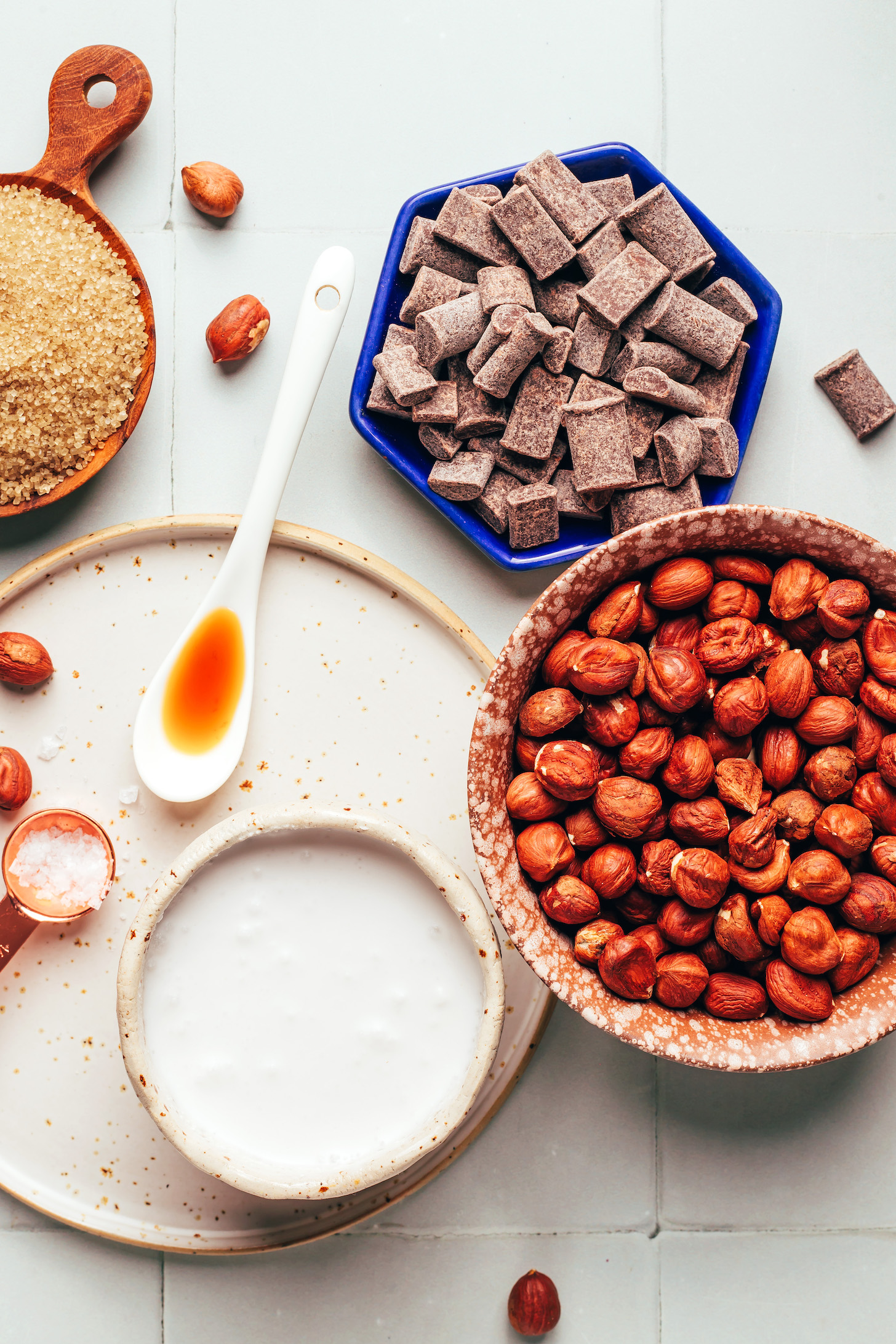
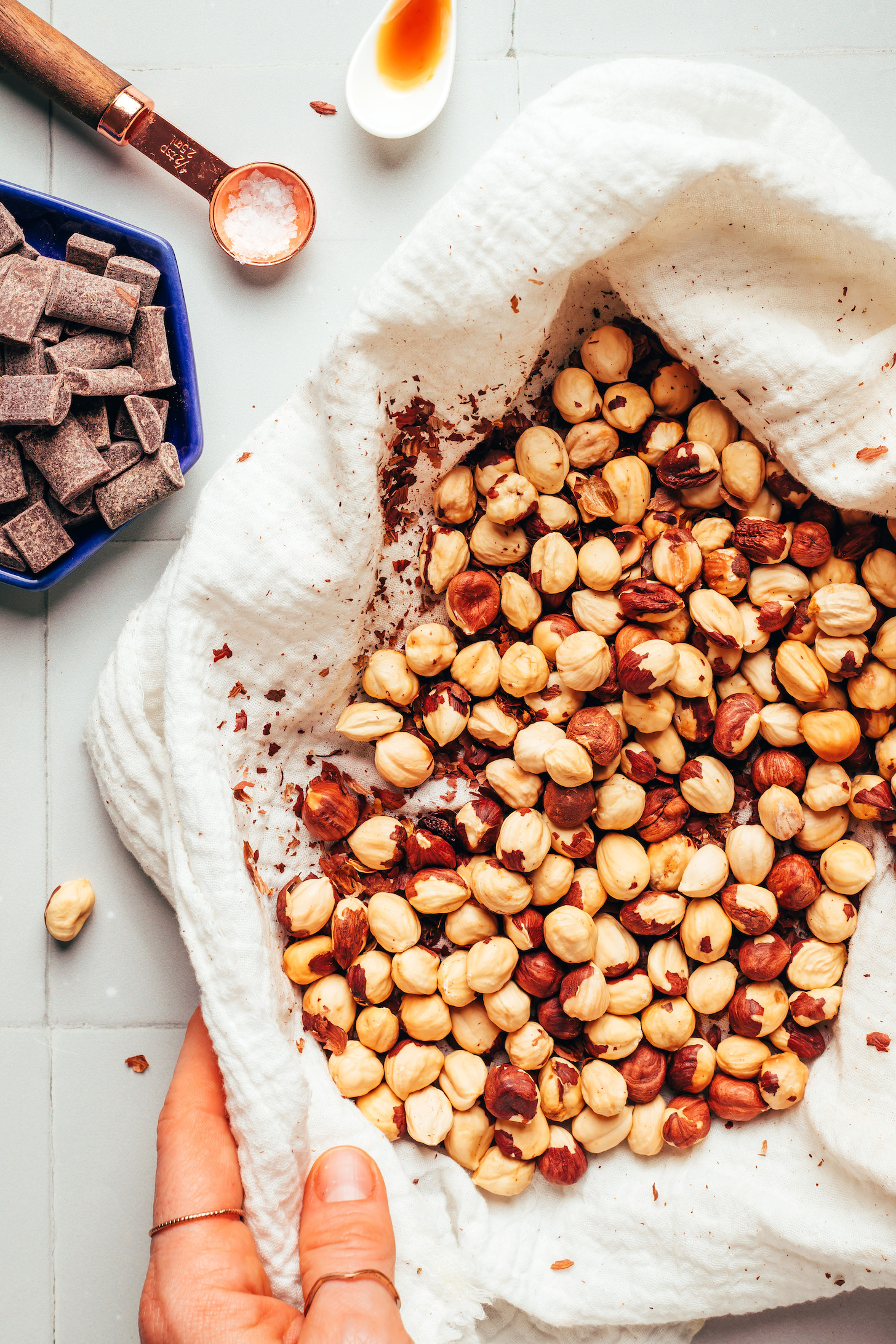
- Thermal Processing of Hazelnuts: The procedure begins with the dry-roasting of raw hazelnuts. This stage is critical for the Maillard reaction, which develops the complex, nutty aromatic compounds. Furthermore, roasting serves the mechanical purpose of loosening the hazelnut skins and warming the natural oils within the nut, which facilitates a smoother emulsification during the blending phase.
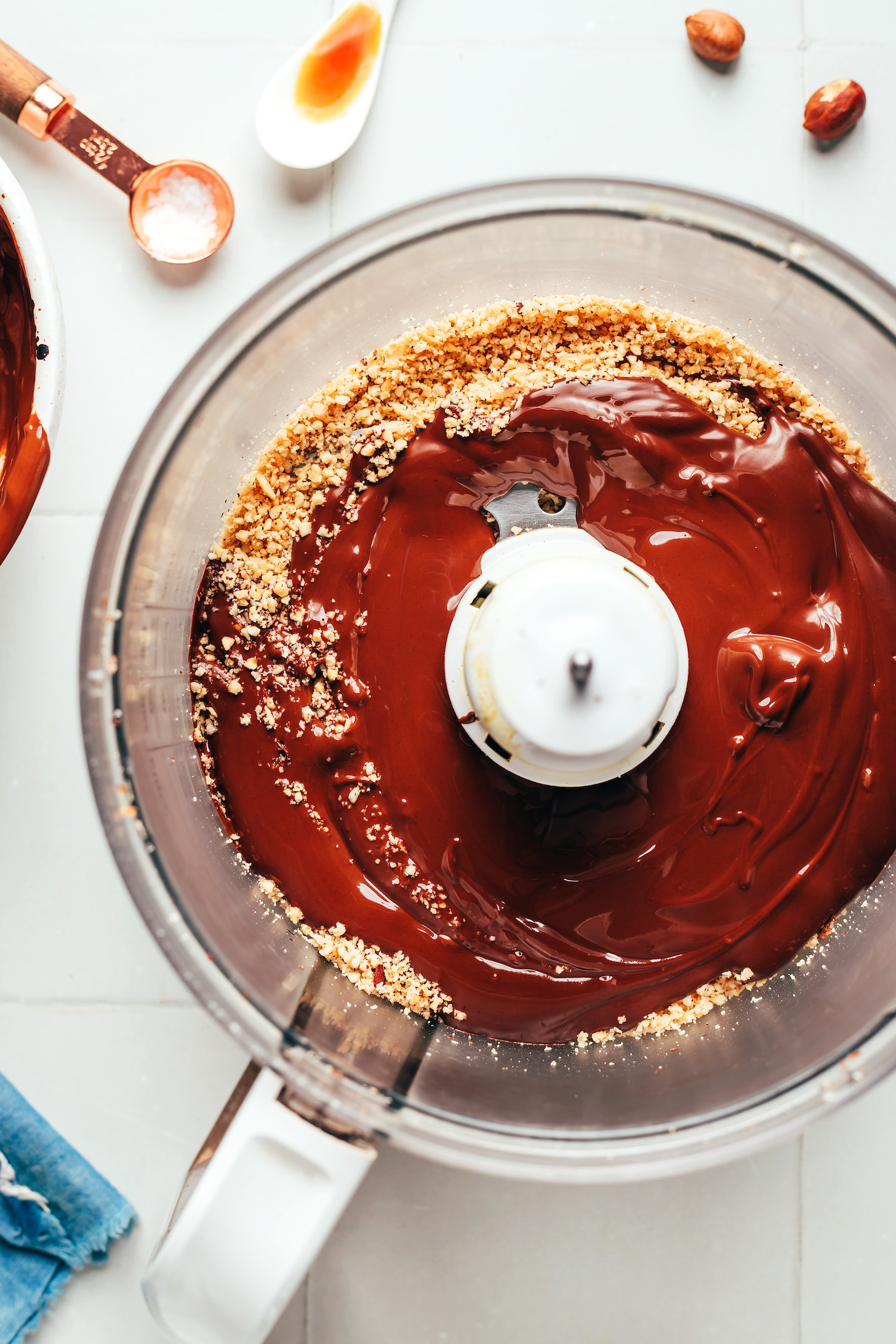
- Primary Emulsification: Once roasted and peeled, the hazelnuts are combined with melted dairy-free chocolate chunks. This creates a base "spread" that serves as the flavor anchor for the dessert. A portion of this mixture is traditionally reserved to be used as a "variegate"—a swirl added after the churning process to provide textural contrast and concentrated bursts of flavor.
- Base Formulation: The remaining chocolate-hazelnut mixture is integrated with canned light coconut milk, cane sugar, vanilla extract, and sea salt. This mixture is blended until homogenous.
- Thermal Stabilization: Following blending, the liquid base requires a refrigeration period of at least one hour. In professional confectionery, this is known as the "aging" process. Aging the mix allows the vegetable fats to crystallize and the proteins (even in plant-based versions) to hydrate, which results in a smoother final texture and better resistance to melting.
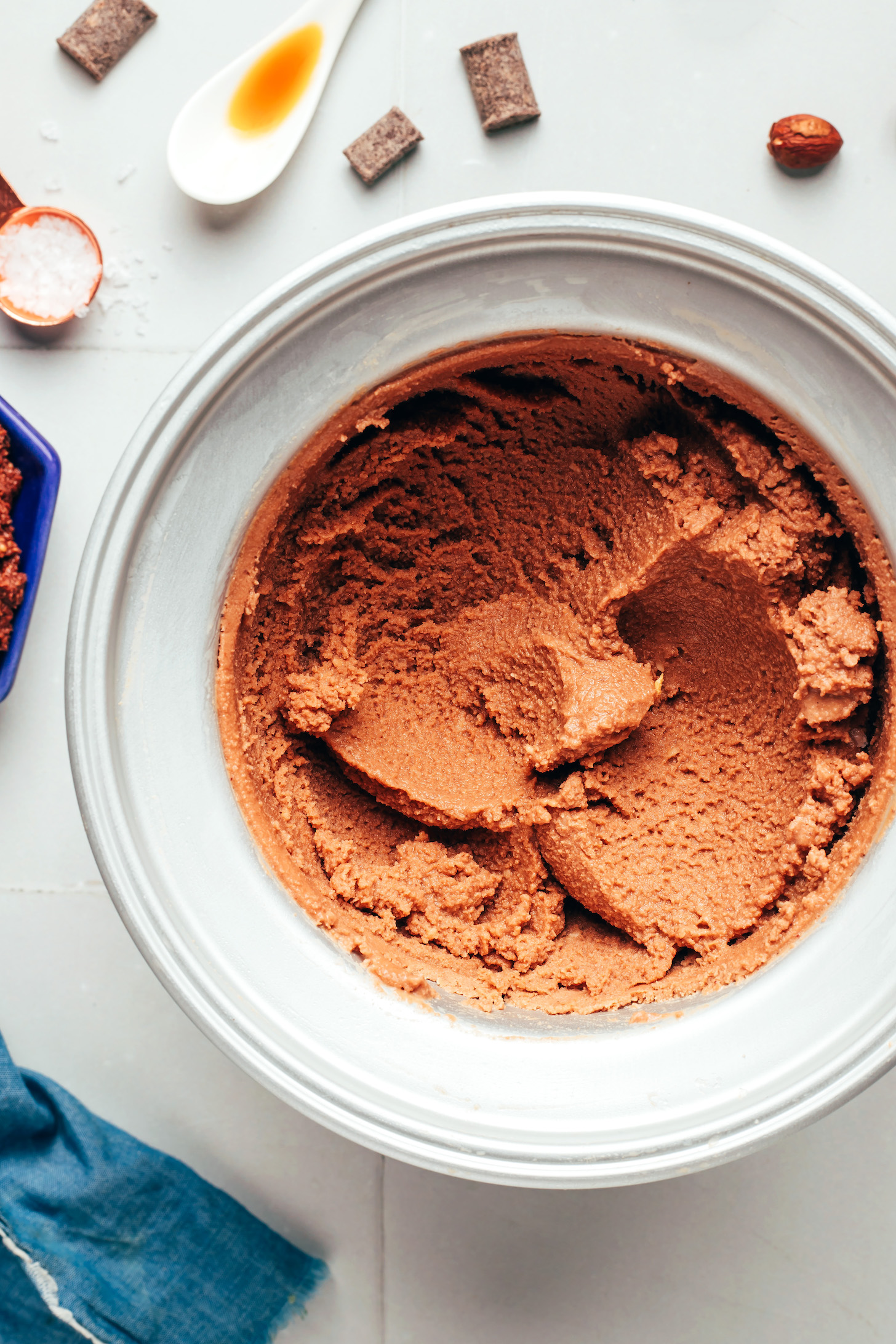
- Mechanical Churning: The chilled base is processed in an ice cream maker for approximately 30 minutes. This stage is where the liquid is simultaneously frozen and aerated.
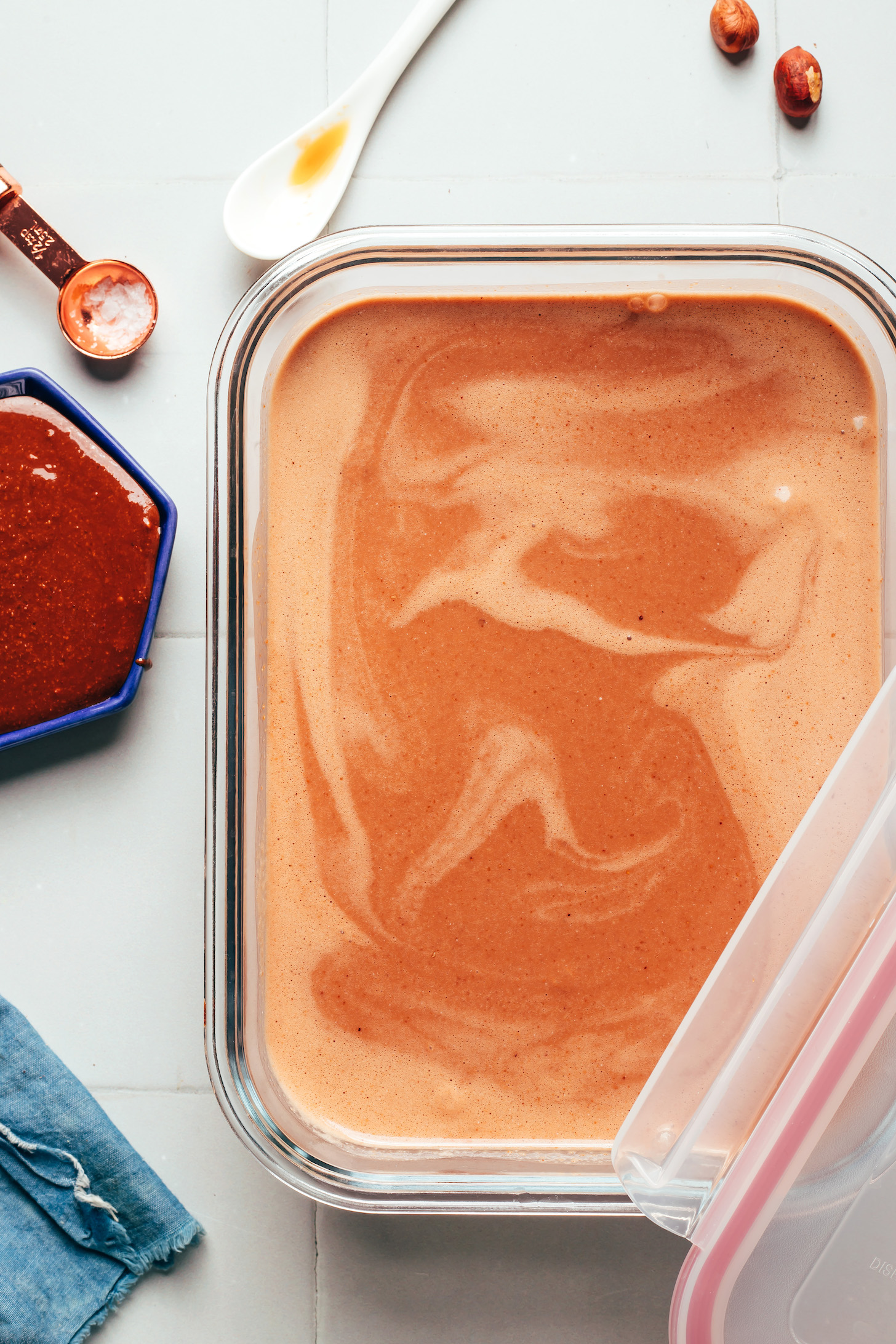
- Final Integration: The reserved hazelnut-chocolate spread is folded into the churned mixture, creating the aesthetic and sensory "swirl" characteristic of premium artisanal gelato.
Nutritional Profile and Ingredient Analysis
The nutritional data provided for the recipe indicates a caloric density of 277 calories per half-cup serving. From a macronutrient perspective, the dessert contains 21.2 grams of fat, of which 9.4 grams are saturated. While this is high, it is important to note that the primary sources of these fats are hazelnuts (monounsaturated fats) and coconut milk (medium-chain triglycerides).
The use of canned light coconut milk is a strategic choice for home cooks. According to culinary notes accompanying the recipe, brands that include emulsifiers like guar gum are recommended. Guar gum, a galactomannan polysaccharide extracted from guar beans, acts as a stabilizer that prevents the formation of large ice crystals. In the absence of dairy proteins and milk solids, these plant-based stabilizers are essential for achieving the "fluffy" and "creamy" texture described by the developers.
The carbohydrate content stands at 21.5 grams, with 17 grams of sugar. Compared to traditional commercial dairy ice creams, which can often exceed 25 grams of sugar per serving, this formulation offers a slightly moderated glycemic profile, particularly when considering the fiber content (2.8g) provided by the hazelnuts.
Market Context and Consumer Response
The release of this recipe comes at a time when the "Minimalist Baker" brand has established itself as a leader in the "accessible vegan" space. By focusing on recipes with 10 ingredients or fewer, the publication taps into the consumer desire for "cleaner" eating without the complexity often associated with specialized diets.
While official corporate responses from commercial spread manufacturers are rarely issued for individual blog recipes, the broader industry trend shows that major brands are increasingly launching their own plant-based versions of classic products. However, the DIY nature of this recipe appeals to a specific demographic that prioritizes the avoidance of additives like palm oil, which has been linked to significant deforestation issues in Southeast Asia.
Consumer feedback within the plant-based community suggests a high level of interest in "re-creating childhood favorites." The ability to control the quality of the chocolate and the origin of the hazelnuts provides a level of transparency that pre-packaged goods cannot match. On social media platforms such as Instagram, the engagement metrics for "Nutella-inspired" vegan products consistently outperform standard fruit-based vegan desserts, indicating a strong market preference for rich, indulgent flavor profiles in the plant-based sector.
Implications for the Home Culinary Landscape
The implications of such recipes extend beyond simple meal preparation. They represent a democratization of food technology. Processes that were once the exclusive domain of industrial food scientists—such as stabilizing plant-based emulsions for freezing—are now being adapted for the home kitchen using accessible tools like high-speed blenders and domestic ice cream makers.
Furthermore, the recipe highlights a shift in how "healthy" food is perceived. The term "better-for-you ingredients" used in the source text reflects a nuanced view of nutrition where the focus is not necessarily on low-calorie counts, but on the quality and recognizability of the ingredients. This "orthorexic" shift in the market favors whole foods like hazelnuts over processed fillers.
Broader Impact on Diet and Sustainability
The move toward vegan ice cream formulations like this one also carries environmental implications. Dairy production is a significant contributor to greenhouse gas emissions, particularly methane. By substituting bovine milk with coconut milk and nut fats, the carbon footprint of the dessert is substantially reduced. According to various environmental impact studies, plant-based milks generally require less land and water than their dairy counterparts, although the specific impact of coconut and hazelnut farming depends heavily on regional agricultural practices.
In conclusion, the Vegan Nutella Ice Cream by Minimalist Baker is more than a seasonal recipe; it is a microcosm of current food industry trends. It combines the historical legacy of Italian Gianduja with modern plant-based science and the consumer-driven demand for transparency and simplicity. As the technology for home-based plant-based cooking continues to evolve, formulations like these will likely become staples in the modern diet, offering a bridge between traditional indulgence and contemporary health and environmental standards. The success of such recipes reinforces the viability of the vegan dessert market and sets a high bar for both home cooks and commercial manufacturers in the pursuit of the "perfect" dairy-free treat.