
The culinary landscape of pastry-making is constantly evolving, with bakers and cookbook authors alike pushing the boundaries of traditional techniques and ingredients. In this spirit of innovation, Rebecca Firkser, author of the acclaimed cookbook "Galette!", has collaborated with Maurizio of The Perfect Loaf to introduce a novel twist on the classic galette crust: a sourdough discard cocoa variation. This development not only expands the repertoire of sourdough applications but also offers a unique flavor profile for home bakers looking to elevate their pastry creations. The collaboration, detailed in a recent publication on The Perfect Loaf, highlights Firkser’s meticulous approach to pastry and her commitment to exploring diverse flour and butter combinations.
Firkser’s cookbook, "Galette!", published in June, serves as a comprehensive guide to the rustic, freeform pastry, featuring over 50 sweet and savory recipes. While the book delves deeply into various crust compositions, a specific omission was the integration of sourdough starter discard. Firkser explains that this was not an oversight but a consequence of page limitations. However, recognizing the inherent connection between sourdough starter (flour and water) and pastry dough, she felt it imperative to share a sourdough galette crust recipe, finding an ideal platform on The Perfect Loaf. This strategic partnership leverages Maurizio’s established expertise in sourdough baking, including his existing sourdough pie crust recipe, which also performs admirably in galettes. The aim is to offer a distinct flavor profile that complements, rather than duplicates, existing offerings.
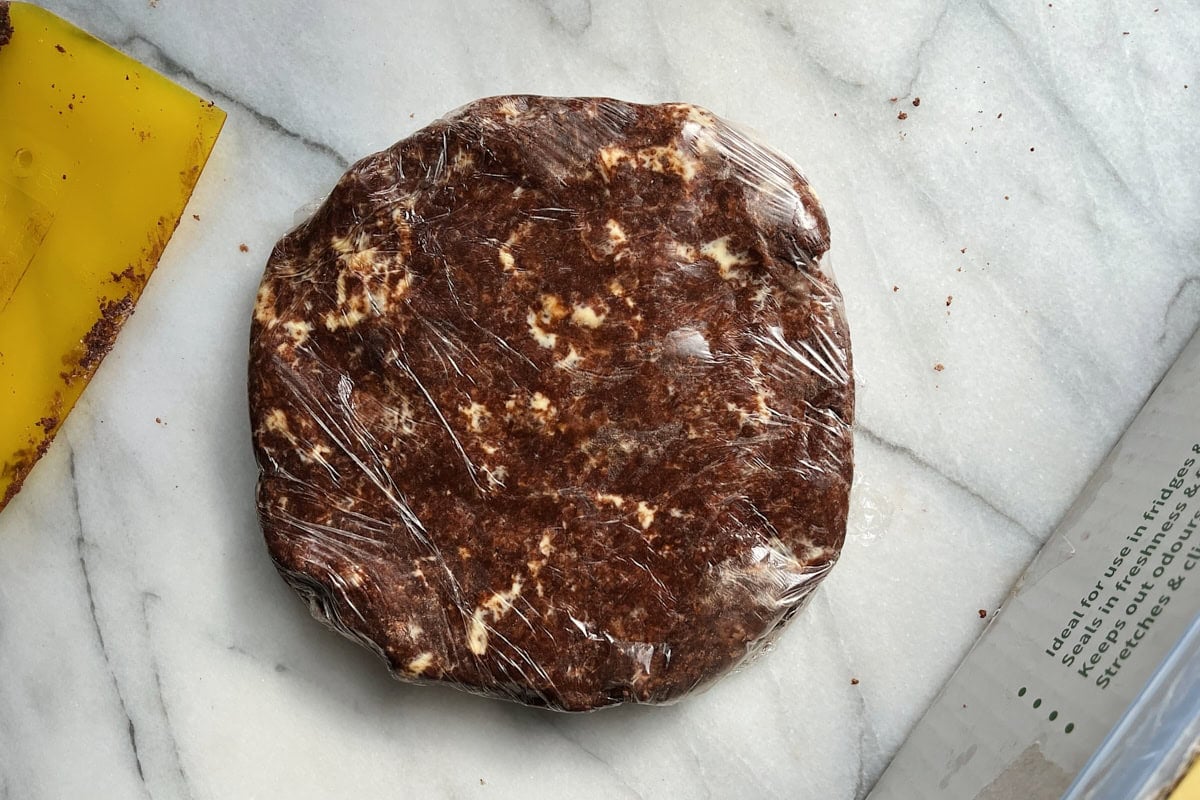
The "A Good Crust With Sourdough Discard and Cocoa" recipe, adapted from Firkser’s "A Good Crust" base recipe in "Galette!", represents a thoughtful fusion of familiar techniques with an unexpected ingredient: cocoa powder. This culinary experiment addresses a common quandary for sourdough enthusiasts – what to do with discard – and introduces a subtle yet impactful flavor dimension to galette dough.
The Science of Sourdough and Cocoa in Pastry
The incorporation of sourdough starter discard into pastry dough is not merely about waste reduction; it fundamentally alters the dough’s structure and flavor. Sourdough, a living culture of wild yeasts and bacteria, introduces a complex tang and aids in fermentation, contributing to a more tender and flavorful crust. When starter discard, which is the portion removed before feeding, is used, it still retains these beneficial properties.
Cocoa powder, on the other hand, presents its own set of culinary challenges and rewards. As Firkser notes, cocoa is not a grain and possesses different hydration properties than flour. It is more absorbent, meaning that while it can contribute a desirable depth of flavor and color, it necessitates careful adjustment of liquid content to prevent a dry or overly stiff dough. The specific type of cocoa powder used – natural or Dutch-process – also plays a role. Natural cocoa, being more acidic, offers a brighter, slightly bitter flavor profile and a tawny hue. Dutch-process cocoa, alkalized for a milder taste, results in a darker, more earthy dough. In the context of galette crust, where leavening is not a primary concern, either type can be used, offering bakers a choice in the subtle nuances of their creation.
Adapting the Crust: From Flour to Cocoa
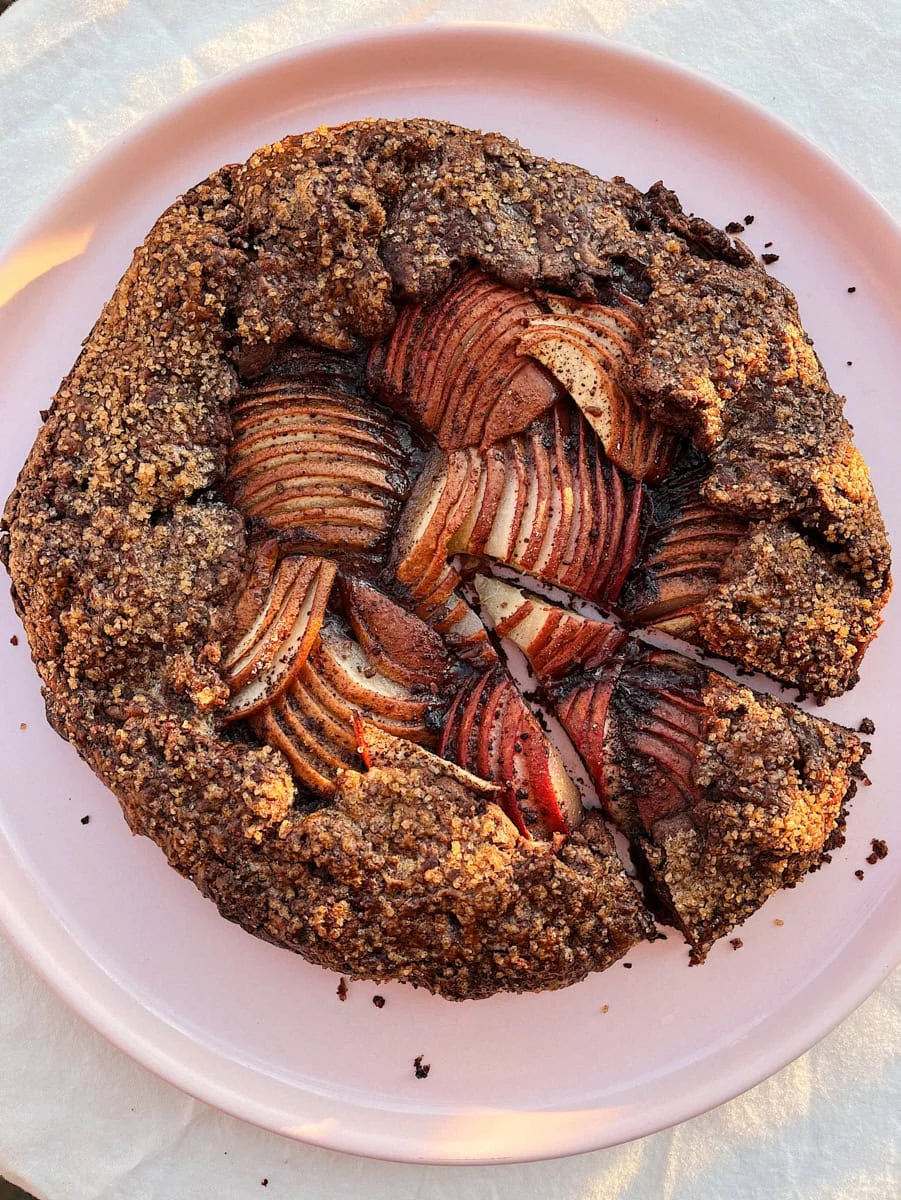
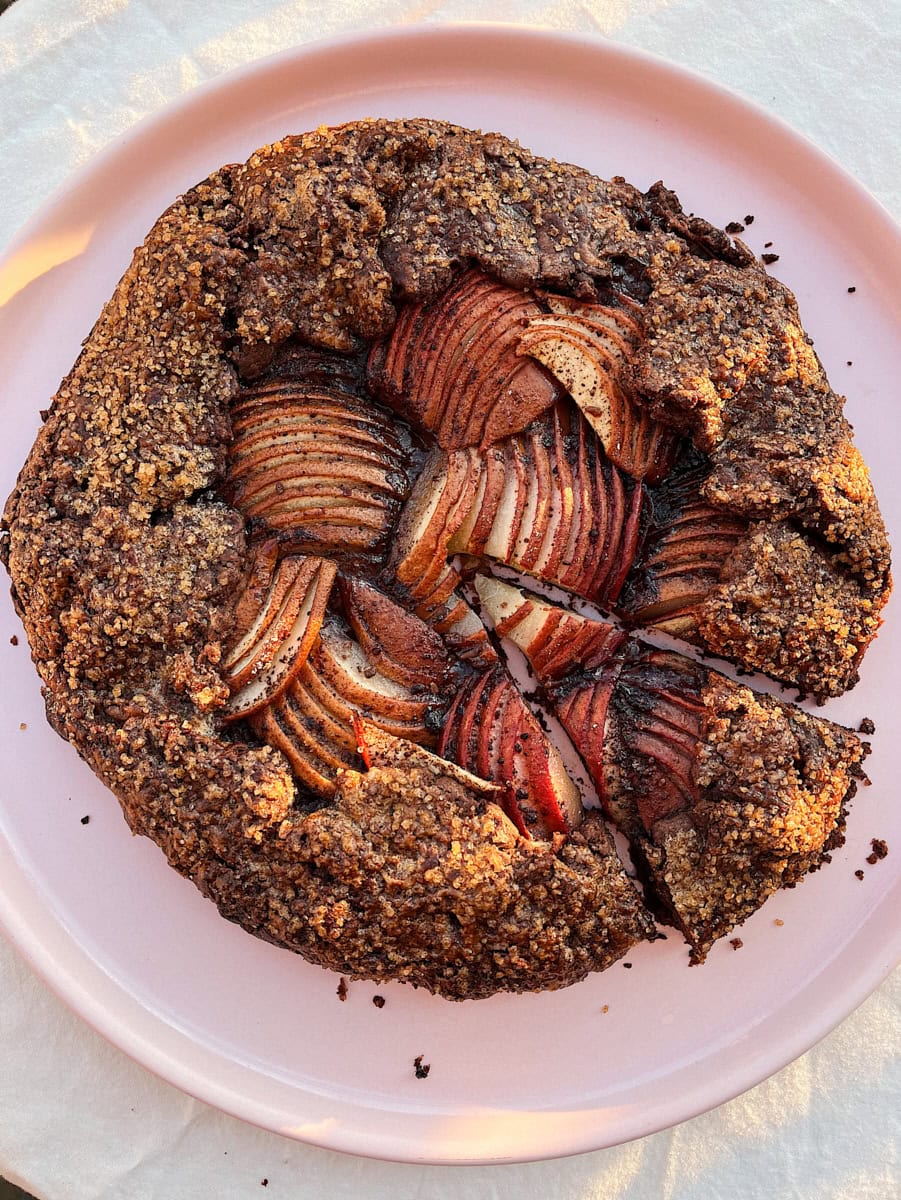
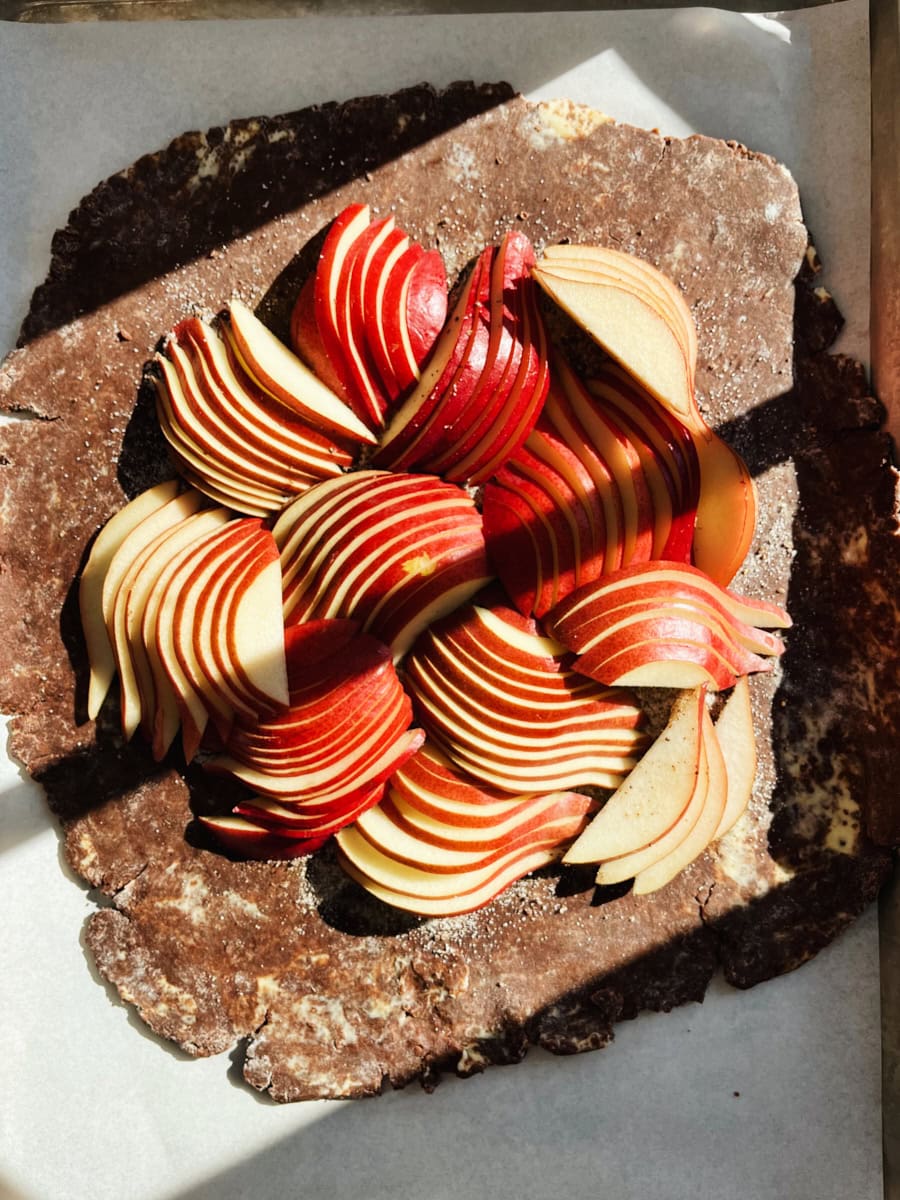
Firkser’s adaptation involves a strategic reduction of all-purpose flour to accommodate the cocoa powder. The original recipe in "Galette!" replaces a scant quarter cup (25 grams) of all-purpose flour with 30 grams of cocoa powder. This substitution yields a crust with a "toasty-fruity bitterness" rather than an overwhelmingly chocolatey flavor, a characteristic Firkser finds particularly delightful when paired with autumnal fruits. The visual evidence of this fusion is showcased in accompanying imagery, featuring a galette with pears, sumac, and ginger, demonstrating the aesthetic and potential flavor synergy.
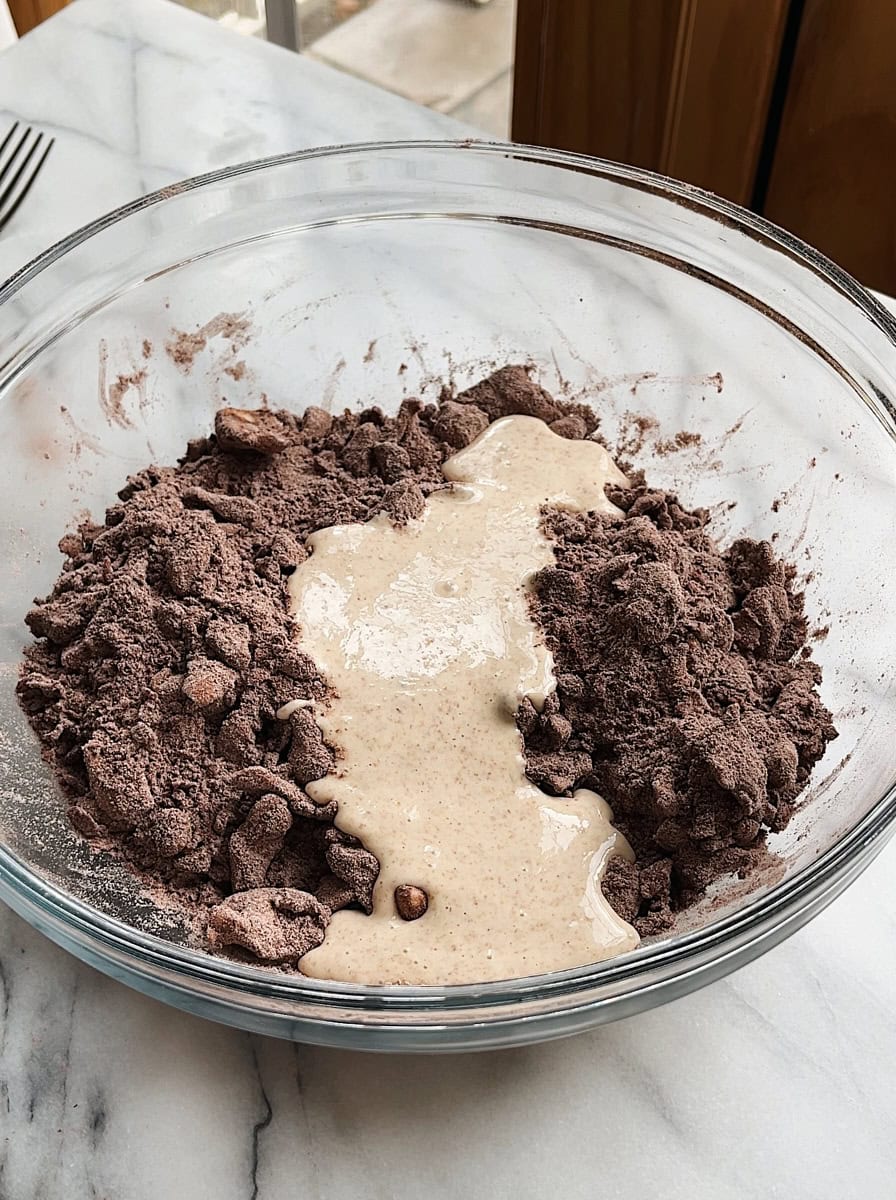
A crucial step in integrating cocoa powder is sifting. Cocoa’s tendency to clump can lead to an uneven texture in the dough. By sifting the cocoa before combining it with other dry ingredients, bakers can ensure a smoother, more homogenous mixture. Firkser advises that even if sifting is forgotten, working the dry ingredients with hands before adding butter can help break up any cocoa lumps.
The Role of Butter in Galette Crusts
The choice of butter is another critical element in pastry making, and Firkser addresses the distinctions between American and European-style butters. American butter, generally more affordable, has a higher water content and lower fat percentage, which can result in a less rich flavor but a firmer texture that may be easier for novice bakers to handle. European-style butter, with its higher fat content and lower water, offers superior flavor but can be softer and more pliable, potentially requiring additional chilling time, especially in warmer kitchen environments. The recipe, however, does not call for browning the butter, a technique sometimes employed in sourdough discard recipes to reduce water content.
Navigating Sourdough Discard and Hydration
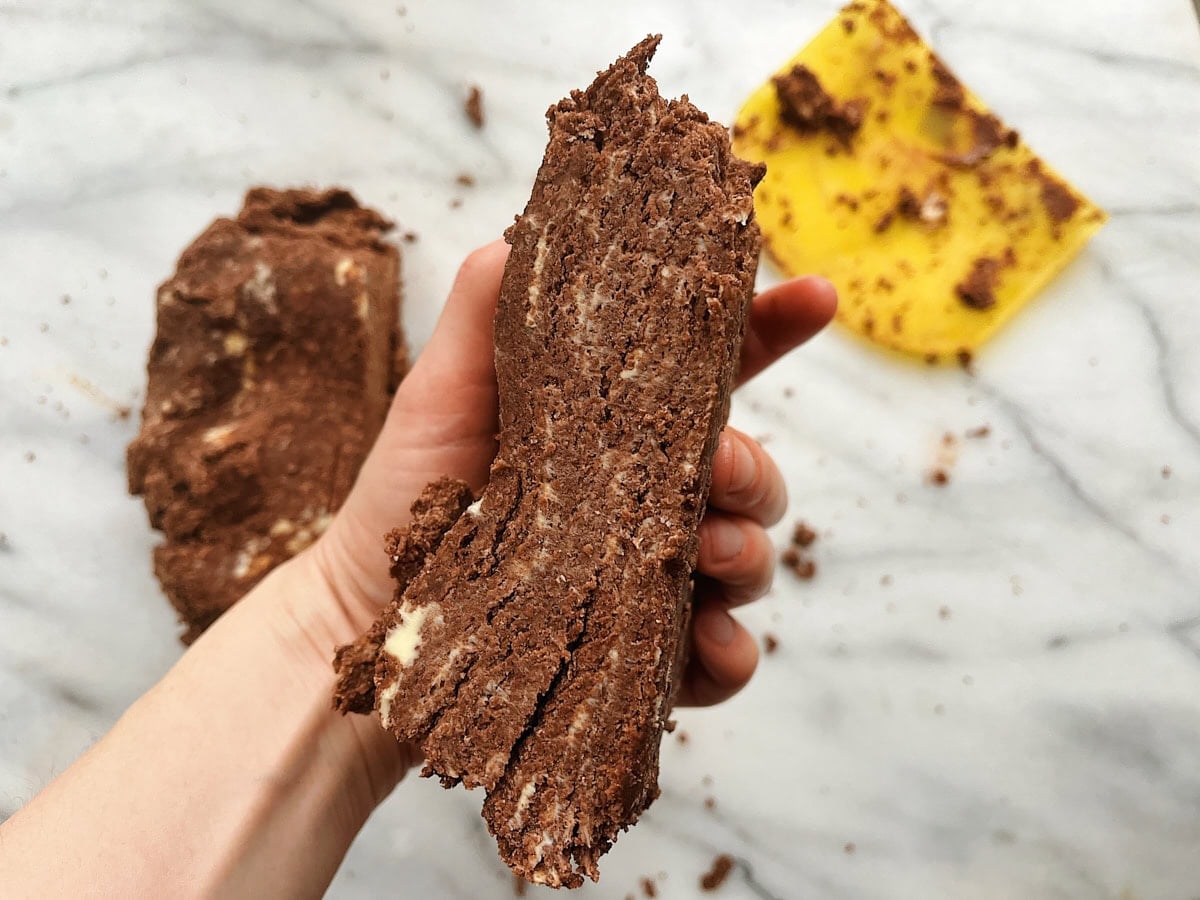
The precise ratio of sourdough starter discard to other ingredients is a key consideration. Firkser experimented with various proportions, finding success with up to 138 grams (approximately ½ cup plus 2 tablespoons) of discard, with minimal additional water. Conversely, the dough can also function with as little as 55 grams (¼ cup) of discard. The resulting cocoa crust is described as being slightly less flaky and more delicate than those made with solely grain flours, but no less successful in its final form.
Hydration is a delicate balance, particularly when incorporating ingredients like cocoa powder. Firkser emphasizes the importance of adding water incrementally. Cocoa’s increased absorbency means the dough will likely require a small amount of additional water, approximately 14 grams (1 tablespoon). However, over-hydrating the dough can lead to stickiness, making it difficult to achieve the desired flaky layers. The exact water requirement can vary based on ambient temperature, butter type, and even the brand of flour and cocoa used. Therefore, a gradual approach to hydration is recommended, with the understanding that the full tablespoon may not always be necessary, or slightly more might be needed.
Pairing and Versatility
The versatility of the sourdough discard cocoa galette crust is highlighted by its suitability for a wide array of fillings. Firkser suggests pairings that span the seasons. For autumn, combinations like Pear with Sumac and Ginger, Gingery Cranberry Sauce, or Crumble-Topped Kabocha Squash are recommended, noting their potential as festive Thanksgiving desserts. Winter offerings include Creamy Pistachio and Citrus or Cocoa and Toasted Pecan. Spring calls for lighter options such as Apricot and Pepita-Sesame Frangipane, while summer is ideal for classic Blue and Black Berry galettes.
While the cocoa crust offers a subtle flavor enhancement, Firkser clarifies that it is best suited for sweet fillings. Savory applications are generally not recommended, as the cocoa’s flavor profile does not complement them as effectively.

Technical Considerations and FAQ
The article also includes a detailed FAQ section addressing common baking queries. These include the choice between Dutch-process and natural cocoa powder, the possibility of using cacao powder, and the implications of substituting all-purpose flour with bread flour or heritage grain flours. The FAQ elaborates on why the cocoa crust might be more crumbly than other variations, attributing it to cocoa’s moisture absorption. It also provides guidance on adjusting sourdough starter discard quantities and adapting other crust recipes from "Galette!" to incorporate sourdough.
For those seeking a more traditional sourdough galette or pie crust, Maurizio’s established flaky sourdough discard pie crust recipe is recommended. The collaborative effort between Firkser and Maurizio underscores a shared passion for advancing the art of baking, offering home cooks innovative ways to utilize sourdough discard and explore nuanced flavor profiles in their pastry endeavors. The introduction of the sourdough discard cocoa galette crust signifies a step forward in accessible, yet sophisticated, home baking, encouraging experimentation and a deeper understanding of ingredient interactions. This culinary fusion not only pays homage to the foundational elements of pastry but also embraces the dynamic possibilities that emerge when tradition meets contemporary innovation.