
The preservation of seasonal produce through home canning has seen a significant resurgence in recent years, driven by a growing interest in food sovereignty, artisanal cooking, and the desire for shelf-stable, additive-free ingredients. Among the various vegetables preserved during the peak of the harvest, the tomatillo (Physalis philadelphica) holds a unique position due to its distinct tartness and essential role in Mexican and Central American cuisines. To ensure the safety and quality of this staple, the United States Department of Agriculture (USDA) has established rigorous, science-based protocols for canning whole, plain tomatillos. Unlike the labor-intensive process required for traditional tomatoes, which often involves blanching and peeling, the tomatillo requires only the removal of its papery husk and a thorough cleaning, making it an accessible project for both novice and experienced home preservers.
The Botanical and Culinary Context of Tomatillos
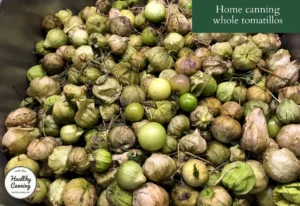
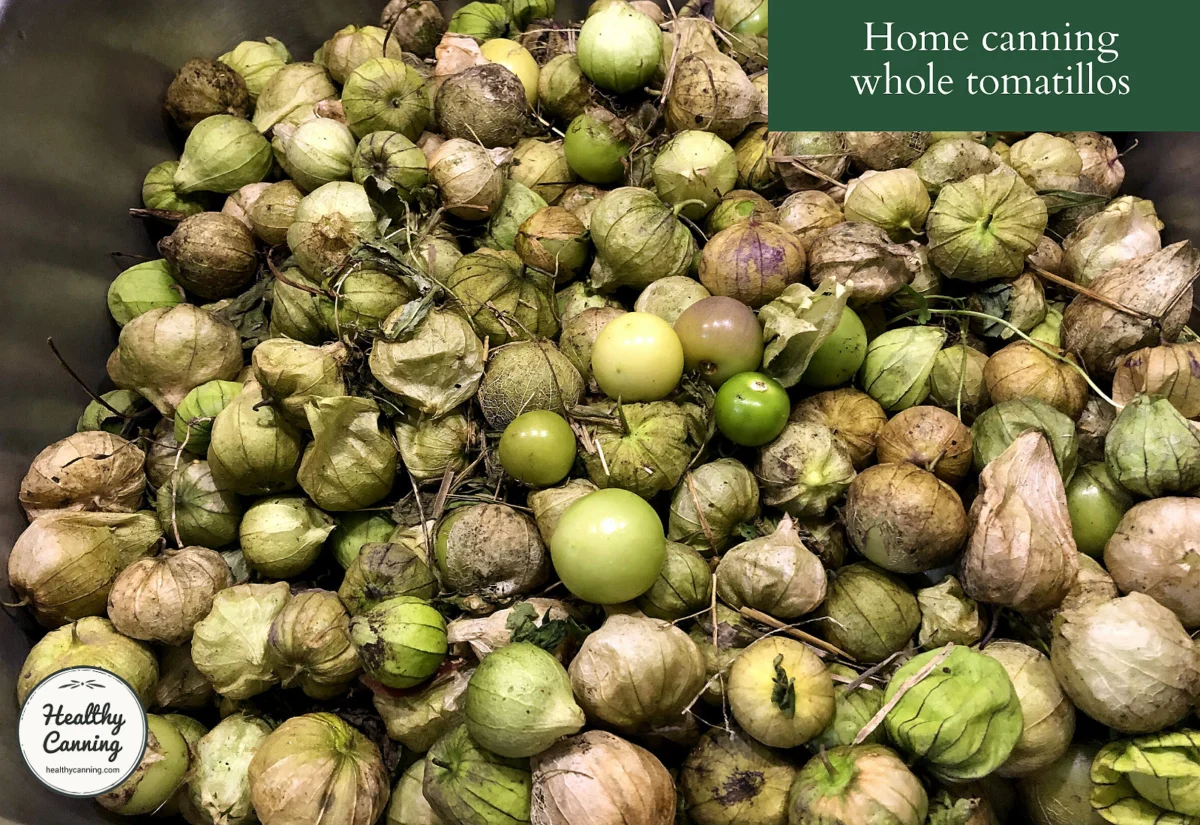
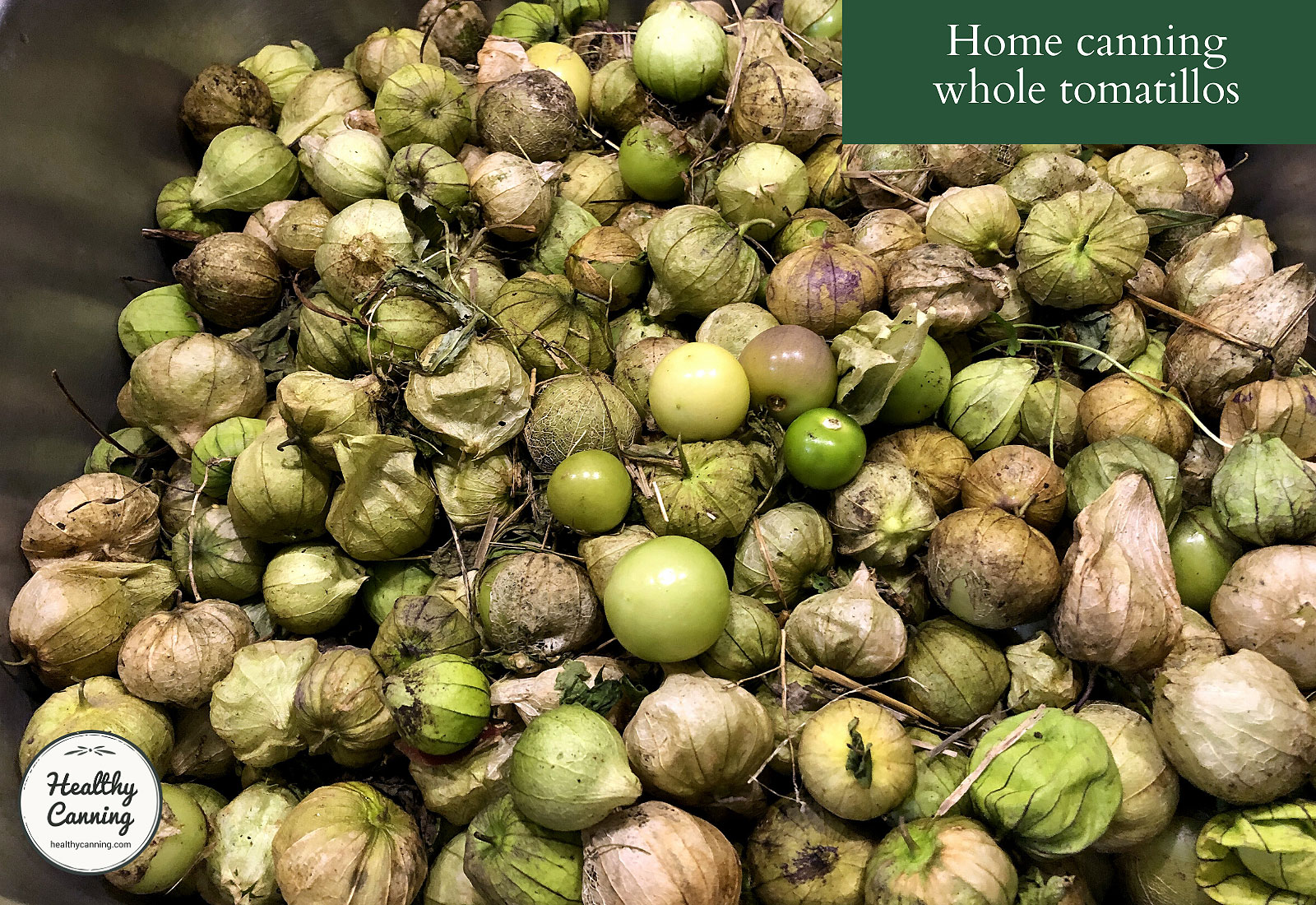
The tomatillo, often referred to as the "husk tomato" or "Mexican green tomato," is a member of the nightshade family, though it is more closely related to the Cape gooseberry than the common tomato. Encased in a protective, papery calyx, the fruit is known for its firm texture and acidic profile. As a culinary ingredient, it provides the backbone for salsa verde, various enchilada sauces, and stews.

From a preservation standpoint, the tomatillo is a favorable candidate for canning. Data from the USDA’s Center for Food Safety and Applied Nutrition indicates that tomatillos typically possess a pH value of approximately 3.83. This makes them naturally more acidic than many varieties of green or ripe tomatoes. However, despite this inherent acidity, the USDA mandates the addition of supplemental acidifiers—such as bottled lemon juice, lime juice, or citric acid—during the canning process. This requirement serves as a critical safety buffer to ensure the environment within the jar remains below the pH threshold of 4.6, preventing the growth of Clostridium botulinum spores, which can thrive in low-acid environments.
Technical Specifications and Preparation Requirements
The success of home canning begins with the selection of high-quality raw materials. For those planning a canning session, the USDA provides approximate guidelines for quantities: on average, one kilogram of fresh tomatillos is required per one-liter jar (roughly two pounds per US quart). This ratio accounts for the space occupied by the whole fruits and the necessary packing liquid.
Preparation begins with the removal of the husks. Underneath the husk, tomatillos often have a sticky, resinous coating that must be washed away with cool water. Unlike tomatoes, the skins of tomatillos are thin and edible, and the USDA procedure specifically notes that peeling is not required. Before packing, the husks are removed, the fruits are washed, and they are typically simmered in boiling water for two minutes. This brief pre-cooking softens the fruit slightly, allowing for a tighter pack and reducing the amount of air trapped within the tissues of the plant.
The Chronology of the Canning Process
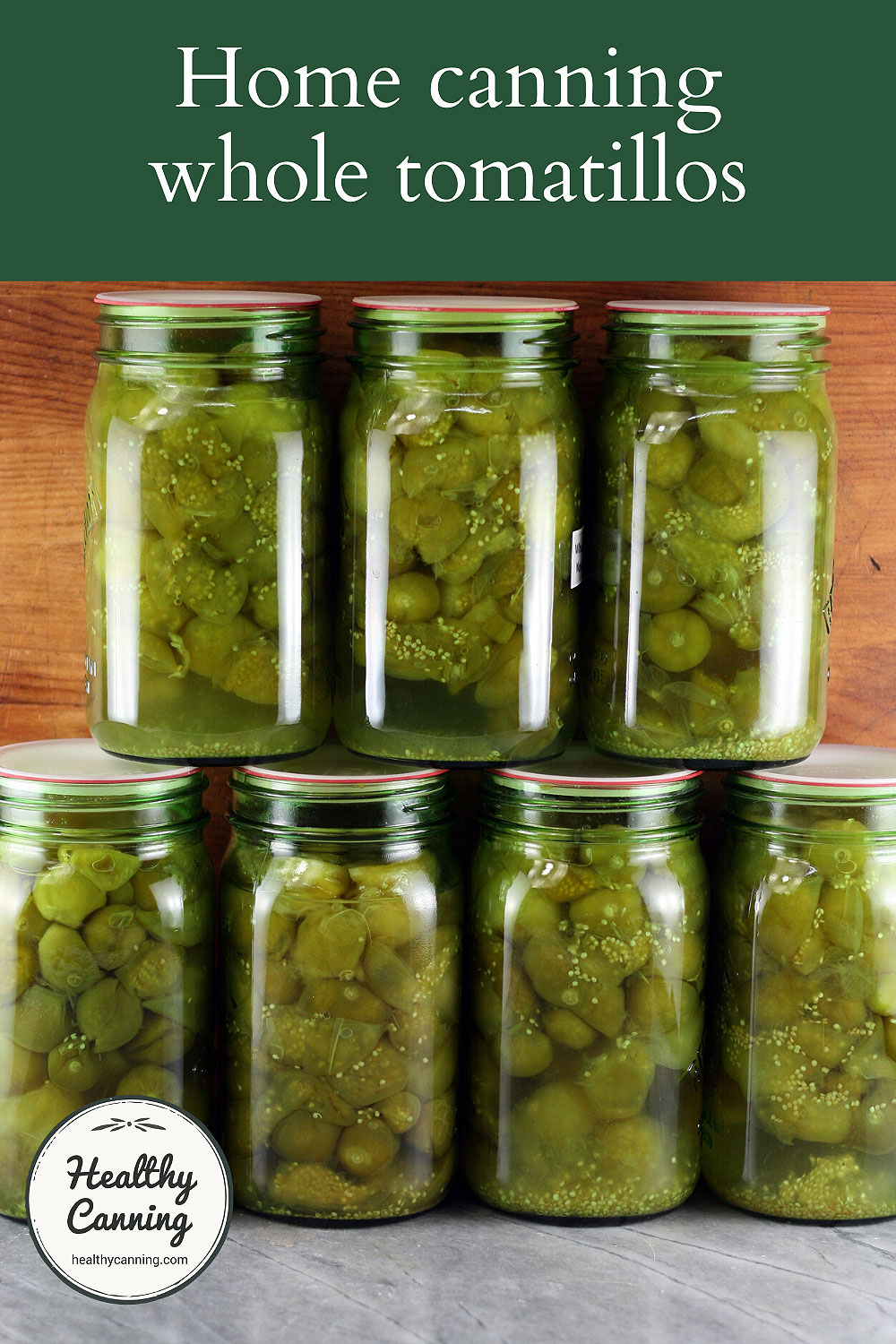
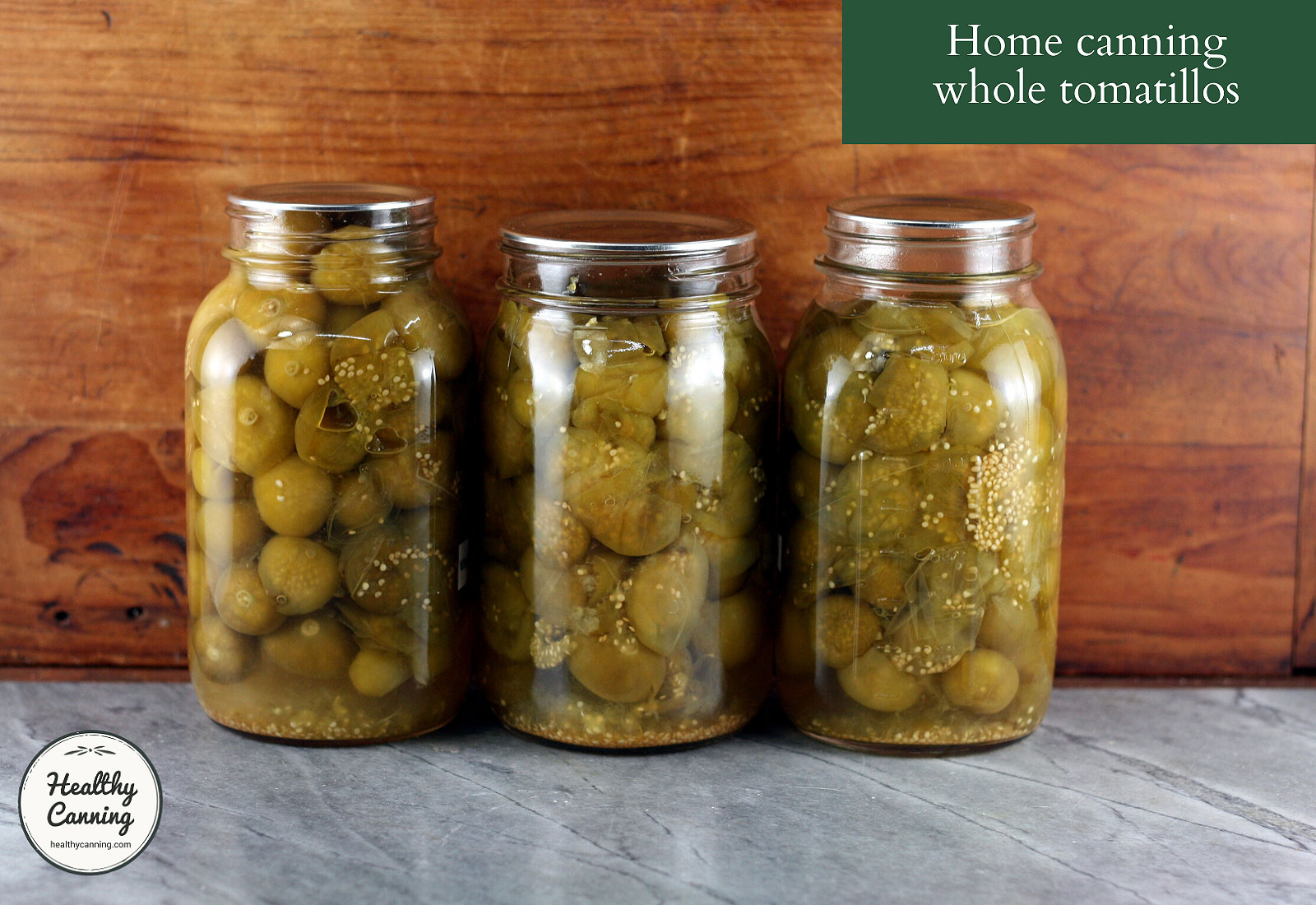
The canning process follows a strict chronological order to ensure vacuum sealing and long-term shelf stability. Once the tomatillos are prepared and simmered, the jars must be readied. The USDA recognizes two primary jar sizes for this procedure: the half-liter (1 US pint) and the one-liter (1 US quart).
- Acidification: Before adding the fruit, the acidifier must be placed directly into the jars. For a one-liter (quart) jar, the requirement is two tablespoons of bottled lemon or lime juice, or a half-teaspoon of citric acid. For a half-liter (pint) jar, the amounts are halved.
- Packing: The hot tomatillos are packed into the jars, leaving a headspace of 2 centimeters (1/2 inch).
- Liquidation: The jars are filled with boiling water, maintaining the same headspace.
- Seasoning: Salt may be added for flavor—typically one teaspoon per quart—but it is strictly optional and serves no preservative function in this specific recipe.
- Sealing: Air bubbles are removed using a non-metallic spatula, the rim is wiped clean to ensure a proper seal, and the lids and rings are applied to "finger-tight" tension.
Comparative Processing Methods: Water Bath, Steam, and Pressure Canning
The USDA provides three approved methods for processing whole tomatillos, offering flexibility based on the equipment available to the home canner.
Water Bath and Steam Canning
Water bath canning is the most common method, involving the total immersion of jars in boiling water. Steam canning, a more recent addition to approved home preservation techniques, uses a fraction of the water and relies on the temperature of pure steam. For both methods, the processing times are identical: 40 minutes for half-liter (pint) jars and 45 minutes for one-liter (quart) jars.

It is important to note that steam canning is subject to limitations regarding altitude. If the processing time—when adjusted for altitude—exceeds 45 minutes, steam canning is not recommended, as the canner may boil dry before the cycle is complete.
Pressure Canning
For those seeking a faster processing time, pressure canning is an efficient alternative. The USDA offers specific guidelines for weighted-gauge pressure canners:
- 0 to 300 meters (0-1,000 feet): 15 minutes at 5 pounds of pressure, or 10 minutes at 10 pounds.
- Above 300 meters (1,000 feet): 15 minutes at 10 pounds of pressure, or 10 minutes at 15 pounds.
A critical point of safety emphasized by the National Center for Home Food Preservation (NCHFP) is that acidification remains mandatory even when pressure canning. The pressure process for tomatillos was designed to reduce time, not to eliminate the need for an acidic environment.
Supporting Data and Nutritional Profile
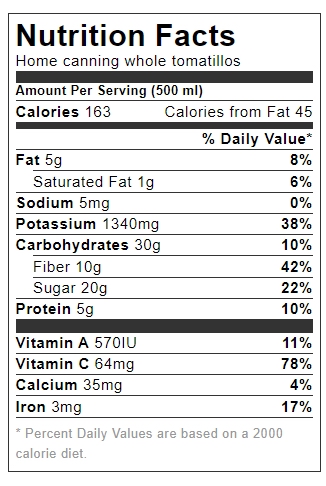
Home-canned tomatillos are a nutritionally dense addition to a pantry. Based on a serving size of 500 ml (one pint), the contents provide approximately 163 calories. The nutritional breakdown is as follows:
- Carbohydrates: 30g (including 10g of dietary fiber and 20g of natural sugars).
- Protein: 5g.
- Vitamins and Minerals: 64mg of Vitamin C (over 70% of the daily recommended intake), 570 IU of Vitamin A, and a significant 1340mg of Potassium.
- Sodium: 5mg (assuming no salt was added during the canning process).
The high potassium and Vitamin C content make canned tomatillos a healthy base for various dishes, particularly for those monitoring their sodium intake.
Expert Insights and Culinary Applications
The utility of plain canned tomatillos is widely recognized by culinary experts. Martha Rose Shulman, writing for the New York Times, notes that canned tomatillos are an excellent substitute for fresh ones in cooked recipes. She suggests that since the canning process involves simmering, the initial cooking steps in many recipes—such as boiling or roasting—can be bypassed when using the canned variety.
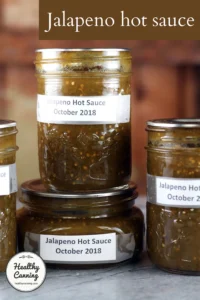
The Joy of Cooking further highlights their versatility, suggesting that canned tomatillos function well as a standalone condiment for grilled meats, poultry, and especially seafood. Because the texture of a canned tomatillo is softer than a fresh one, they are best utilized in "cooked" salsas or blended into sauces rather than in fresh, chunky pico-de-gallo style appetizers. They serve as a vital ingredient in the preparation of "Jalapeño Hot Sauce" and various green chili bases.
Broader Implications of Standardized Preservation
The existence of standardized USDA recipes like the one for whole tomatillos has profound implications for public health and food security. By providing validated processing times and acidification requirements, the USDA mitigates the risk of foodborne illness. In the early 20th century, improper home canning was a leading cause of botulism; however, the dissemination of science-based guidelines has made home preservation one of the safest ways to manage a domestic food supply.
Furthermore, the ability to preserve tomatillos allows for the reduction of food waste. During peak harvest, garden yields often exceed immediate consumption capabilities. Canning provides a bridge between seasons, ensuring that the nutritional value of the summer harvest is available throughout the winter months. For the consumer, this also translates to economic savings, as home-canned goods are significantly less expensive than their commercially processed counterparts, which often contain stabilizers and higher levels of sodium.
Conclusion and Long-Term Storage
Once the processing is complete and the jars have cooled for 12 to 24 hours, the seals must be tested. A properly sealed jar will have a lid that does not flex when pressed in the center. The rings should be removed for storage to prevent "false seals" caused by oxidation. Jars should be stored in a cool, dark, and dry place to maintain optimal quality. While home-canned goods are safe to eat as long as the seal remains intact, the USDA recommends consuming them within one year for the best flavor and nutritional retention.
Mastering the preservation of whole tomatillos through these established methods allows home cooks to maintain a link to traditional culinary practices while adhering to the highest modern safety standards. Whether used for a quick weeknight salsa or a complex mole, the home-canned tomatillo remains an indispensable asset in the modern pantry.