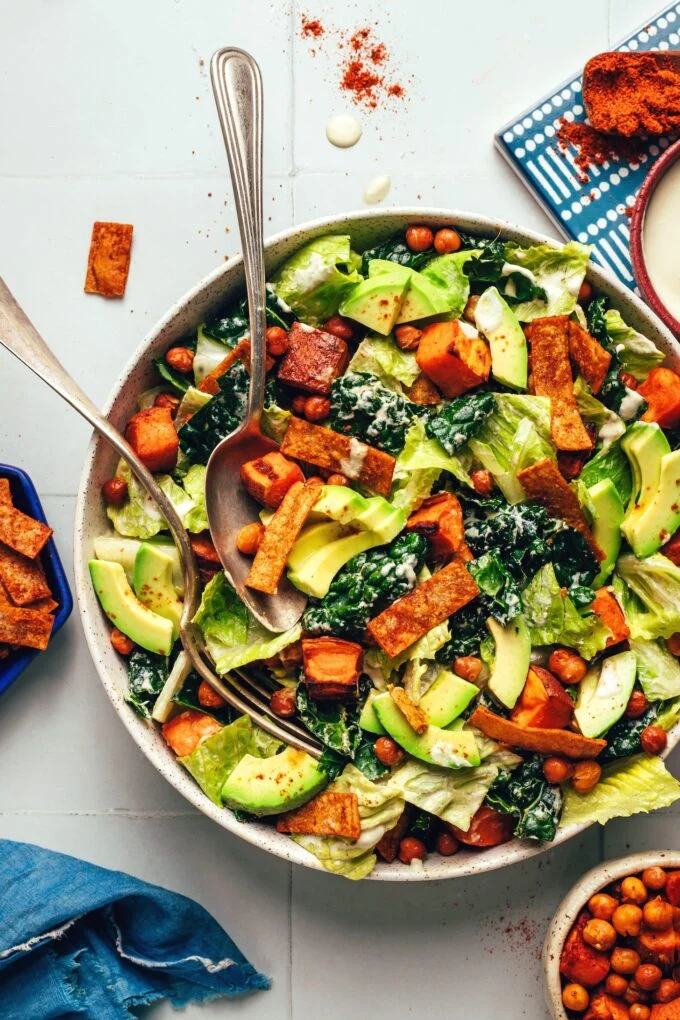

The culinary landscape of 2024 continues to be defined by a significant shift toward plant-forward diets, a movement underscored by the release of nutrient-dense, time-efficient recipes like the Vegan Sweet Potato Chickpea Taco Salad. This dish represents a convergence of modern dietary demands: the need for high-protein plant-based options, the requirement for meals that can be prepared in under 30 minutes, and a growing consumer preference for complex, smoky flavor profiles. By utilizing a combination of roasted legumes, root vegetables, and a nut-based emulsified dressing, this recipe offers a sophisticated alternative to traditional meat-based taco salads, catering to both the vegan community and the "flexitarian" demographic seeking to reduce animal product consumption without sacrificing gastronomic satisfaction.
The Evolution of the Plant-Based Entrée
Historically, the "taco salad" emerged in the mid-20th century as a fusion of Mexican-inspired ingredients served in a large, fried flour tortilla bowl. While popular, these iterations were often criticized by nutritionists for their high saturated fat content and caloric density. The Vegan Sweet Potato Chickpea Taco Salad marks a departure from these heavy origins, focusing instead on whole-food, plant-based (WFPB) ingredients.

The dish centers on two primary roasted components: sweet potatoes and chickpeas. Sweet potatoes provide a complex carbohydrate base rich in beta-carotene, while chickpeas (Cicer arietinum) serve as a robust source of plant protein and dietary fiber. When seasoned with a blend of chili powder and smoked paprika, these ingredients undergo the Maillard reaction during roasting, creating a depth of flavor that mimics the smokiness traditionally associated with grilled meats.
Chronology of Preparation: The 30-Minute Efficiency Model
In the fast-paced environment of contemporary domestic life, the "30-minute meal" has become a gold standard for recipe development. The preparation of the Vegan Sweet Potato Chickpea Taco Salad is structured into a precise timeline designed to maximize efficiency through multitasking.
Minutes 0–5: Preparation and Seasoning
The initial phase involves the mechanical processing of the produce. Sweet potatoes are cubed to a uniform size to ensure even heat distribution, while canned or pre-cooked chickpeas are drained and patted dry. Drying the chickpeas is a critical technical step; residual moisture can lead to steaming rather than roasting, preventing the desired "crunch" texture. The ingredients are then tossed in avocado oil—selected for its high smoke point—and the spice blend.

Minutes 5–25: Thermal Processing
While the oven facilitates the roasting process at high heat, the secondary components are prepared. This "dead time" in the cooking cycle is utilized for the assembly of the greens and the creation of the dressing. The recipe calls for a dual-base of kale and romaine lettuce. This selection is intentional: romaine provides the aqueous "crunch" characteristic of traditional salads, while kale adds structural integrity and a higher concentration of vitamins K and C.
Minutes 25–30: Emulsification and Assembly
The final five minutes are dedicated to the Jalapeño Cashew Dressing. This component serves as the "creamy" element that replaces traditional dairy-based sour cream or cheese. By blending soaked cashews with water, lime juice, nutritional yeast, and miso paste, an emulsion is created that offers a savory, "umami" profile. The addition of jalapeño introduces a controlled capsaicin heat, which is tempered by the fats in the cashew base.
Nutritional Analysis and Supporting Data
The Vegan Sweet Potato Chickpea Taco Salad is not merely a culinary exercise but a nutritionally dense meal. According to data provided by the recipe’s developers, a single serving contains approximately 442 calories, making it a substantial main course.

Macro-Nutrient Profile
- Protein (12.6g): The combination of chickpeas and cashews provides a significant protein hit, essential for muscle repair and satiety.
- Dietary Fiber (11.9g): This represents nearly 50% of the daily recommended intake for adults, promoting digestive health and stabilizing blood glucose levels.
- Healthy Fats (19.4g): Primarily derived from avocado oil and cashews, these monounsaturated and polyunsaturated fats are vital for cardiovascular health.
Micro-Nutrient Density
The salad is particularly high in Vitamin A (4020 IU), largely due to the sweet potato content. Vitamin A is a critical micronutrient for immune function and vision. Furthermore, the inclusion of kale and lime juice ensures a high Vitamin C content (24 mg), which aids in the absorption of non-heme iron found in the chickpeas.
Culinary Science: The Role of Nutritional Yeast and Miso
A key factor in the success of modern vegan recipes is the ability to replicate "cheesy" or "savory" flavors without dairy. The dressing in this recipe utilizes two specific ingredients to achieve this: nutritional yeast and miso paste.
Nutritional yeast, a deactivated yeast (Saccharomyces cerevisiae), is prized in vegan cooking for its nutty, cheesy flavor and its fortification with B-vitamins. Miso paste, a traditional Japanese seasoning produced by fermenting soybeans with salt and koji, adds a deep umami flavor. When combined with the acidity of lime juice and the heat of jalapeño, these ingredients create a complex flavor profile that satisfies the "savory" craving often missing in simpler salads.

Market Context and Consumer Trends
The release of this recipe aligns with broader economic and social trends. The global plant-based food market is projected to reach over $74 billion by 2027, according to industry reports. This growth is driven by several factors:
- Health Consciousness: An increasing number of consumers are adopting "plant-forward" diets to manage weight and reduce the risk of chronic diseases such as Type 2 diabetes and hypertension.
- Environmental Concerns: Legumes like chickpeas have a significantly lower carbon and water footprint compared to bovine protein sources. Furthermore, chickpeas are nitrogen-fixing crops, which improve soil health.
- Digital Recipe Consumption: The "Minimalist Baker" platform, where this recipe originated, exemplifies the power of digital influencers in shaping modern eating habits. By providing high-quality photography and streamlined instructions, such platforms lower the barrier to entry for home cooks.
Professional Perspectives and Reactions
Culinary experts note that the success of the Vegan Sweet Potato Chickpea Taco Salad lies in its textural diversity. "The contrast between the soft, roasted sweet potato, the crispy chickpea, the crunchy romaine, and the velvety cashew dressing is what makes a salad feel like a complete meal," says one independent chef specializing in plant-based cuisine.
Dietitians also point to the "flexibility" of the recipe as a major benefit. While the base is vegan, the recipe acknowledges the needs of different dietary groups by suggesting the addition of shredded tofu for extra plant protein or even shredded chicken for non-vegan consumers. This inclusive approach to recipe development is seen as a way to encourage more people to experiment with plant-heavy meals.

Broader Implications for the Food Industry
The rise of recipes like the Vegan Sweet Potato Chickpea Taco Salad indicates a shift in how "fast food" is perceived. The 30-minute preparation time challenges the notion that healthy, plant-based eating is labor-intensive or reserved for those with professional culinary training.
Furthermore, the use of pantry staples—canned chickpeas, spices, and nuts—demonstrates how high-quality meals can be constructed from accessible ingredients. This has implications for food security and budget-conscious cooking, showing that "gourmet" plant-based flavors do not necessarily require expensive, specialized meat substitutes.
Conclusion: A Paradigm for Modern Dining
The Vegan Sweet Potato Chickpea Taco Salad is more than a simple assembly of vegetables; it is a carefully engineered meal that addresses the intersection of health, flavor, and time management. By leveraging the science of roasting and the chemistry of plant-based emulsions, the dish provides a satisfying, nutrient-rich experience that rivals traditional entrees. As the global population continues to seek out sustainable and health-conscious food options, the principles found in this recipe—simplicity, nutritional density, and bold flavoring—will likely become the standard for the next generation of home cooking.

Through its balanced macro-nutrient profile and its clever use of umami-rich ingredients, this taco salad serves as a blueprint for the future of plant-based culinary arts, proving that the removal of animal products does not necessitate the removal of culinary excellence. For the home cook, it offers a reliable, 30-minute solution to the perennial question of what to serve for dinner, while for the broader food industry, it serves as a testament to the enduring appeal of whole-food innovation.