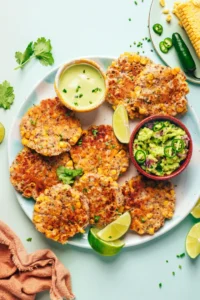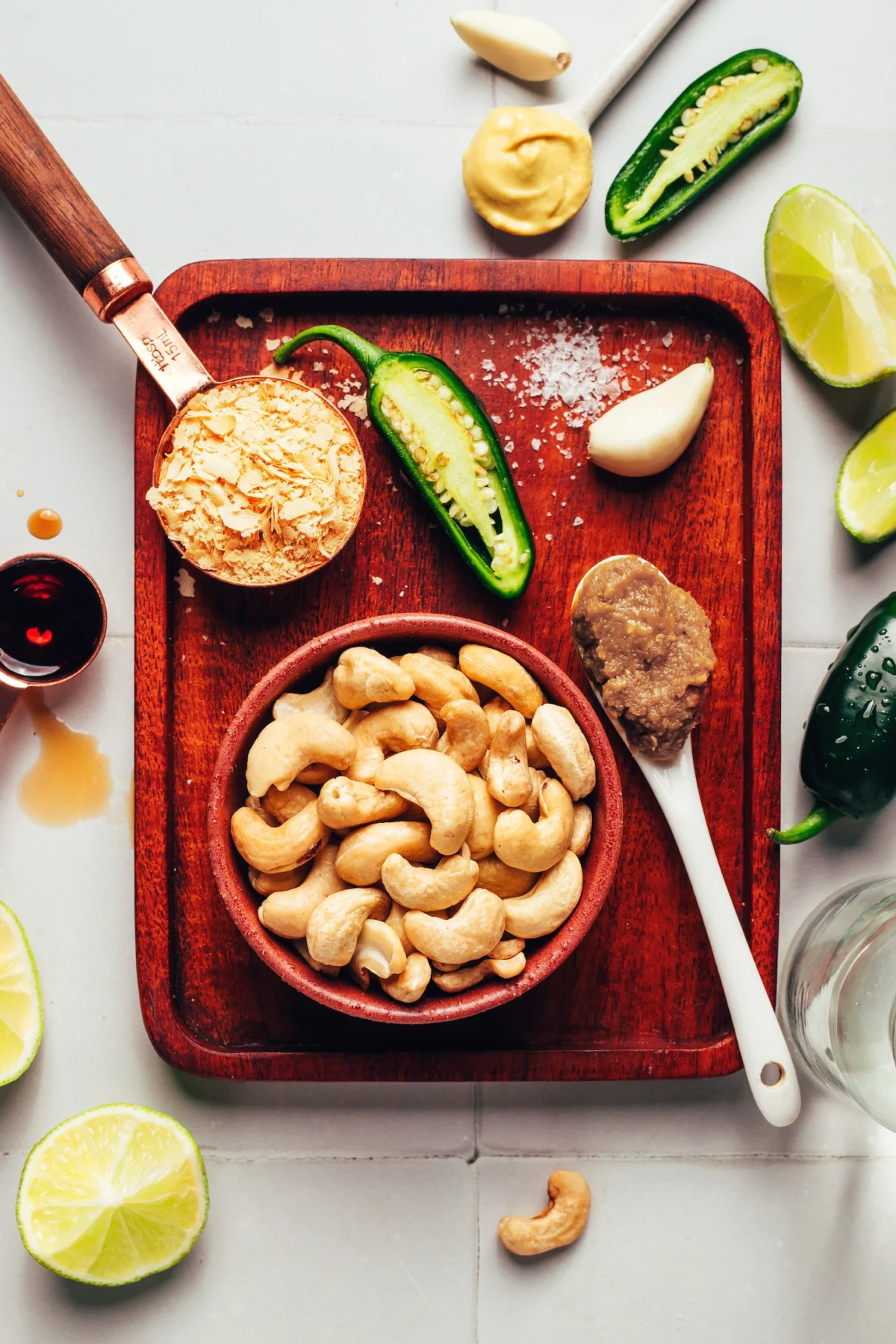

The recipe, characterized by its nine-ingredient composition and a five-minute preparation window, utilizes a high-speed blending process to achieve a texture and flavor profile traditionally associated with dairy-heavy dressings such as Ranch or Caesar. By leveraging the natural fats of raw cashews and the umami depth of fermented miso and nutritional yeast, the dressing provides a savory, "cheesy" experience without the use of animal products or synthetic emulsifiers.
The Evolution of Plant-Based Condiments
The development of the Cheesy Jalapeño Cashew Dressing occurs within a historical context of rapid innovation in vegan dairy substitutes. For decades, the primary challenge for plant-based chefs was replicating the mouthfeel and satiety provided by animal fats. The use of cashews as a base for creams and cheeses gained mainstream traction in the early 2010s, as high-powered blending technology became more accessible to home cooks.
Unlike soy or almond-based alternatives, cashews possess a unique starch and fat content that, when emulsified with water, creates a remarkably stable and smooth liquid. This specific recipe builds upon that foundation by introducing a complex flavor matrix: the acidity of lime juice, the heat of fresh jalapeños, and the savory "cheesy" notes of nutritional yeast. The inclusion of Dijon mustard acts as a natural emulsifier, ensuring that the dressing maintains its consistency over several days of refrigeration.

Technical Specifications and Nutritional Profile
From a nutritional standpoint, the Cheesy Jalapeño Cashew Dressing offers a nutrient-dense alternative to traditional oil-based dressings. A standard two-tablespoon serving contains approximately 70 calories, with 4.9 grams of fat primarily derived from monounsaturated and polyunsaturated sources found in cashews.
The nutritional breakdown is as follows:
- Protein: 2.8 grams per serving, contributing to satiety.
- Carbohydrates: 5 grams, with less than 1.2 grams of sugar.
- Micronutrients: Significant levels of Vitamin B12 (from nutritional yeast), Vitamin C (from lime and jalapeño), and essential minerals such as iron and potassium.
Unlike commercial dressings that often rely on high-fructose corn syrup and sodium-heavy preservatives, this formulation utilizes maple syrup for a subtle glycemic balance and fresh garlic for aromatic depth. The absence of refined oils makes it an "oil-free" option, a category highly sought after by proponents of Whole Food Plant-Based (WFPB) nutrition.
Chronology of Development and Digital Impact
The timeline of this recipe’s rise to prominence is inextricably linked to the digital democratization of culinary knowledge. The "Minimalist Baker" platform, which popularized the recipe, has been a central figure in the shift toward "accessible veganism"—recipes requiring 10 ingredients or fewer, one bowl, or 30 minutes or less to prepare.

- Phase One (Conceptualization): The need for a spicy, creamy alternative to traditional vegan ranch led to experimentation with heat-stable fats (cashews) and fresh aromatics.
- Phase Two (Testing): Refinement of the water-to-nut ratio to ensure the dressing could function both as a pourable salad topper and a thick vegetable dip.
- Phase Three (Publication): The recipe was released alongside instructional video content, demonstrating the "blender-only" method which eliminates the need for soaking nuts—a traditional barrier to entry for many home cooks.
- Phase Four (Market Integration): Following its digital release, the recipe has seen widespread adoption in meal-prep communities, cited for its 5-to-7-day shelf life and versatility in various cuisines, from Mexican-inspired taco salads to Middle Eastern shawarma wraps.
The Science of Flavor: Umami and Capsaicin
The success of the Cheesy Jalapeño Cashew Dressing can be attributed to its sophisticated use of flavor chemistry. The "cheesy" flavor is not a result of a single ingredient but a synergistic effect between three components:
- Nutritional Yeast: Provides the primary "nutty" and "cheesy" notes.
- Miso Paste: Adds a fermented, salty depth that mimics the aging process of dairy cheese.
- Garlic and Salt: Act as flavor enhancers that brighten the lipid profile of the cashews.
Furthermore, the integration of jalapeño introduces capsaicin, which triggers a mild endorphin release and clears the palate, preventing the creaminess of the cashews from becoming cloying. The balance of acidity from lime juice and sweetness from maple syrup creates what chefs refer to as a "round" flavor profile, hitting all major taste receptors simultaneously.
Market Data and Consumer Trends
Industry analysts observe that the "DIY Condiment" movement is a direct response to inflation and health concerns. According to recent consumer reports, 64% of shoppers are more likely to purchase items with recognizable, kitchen-cupboard ingredients. The Cheesy Jalapeño Cashew Dressing aligns with these "clean label" trends.
Furthermore, the plant-based dressing and sauce market is seeing a shift toward "functional" ingredients. Cashews, for instance, are being marketed not just as a dairy substitute but as a source of magnesium and healthy fats. The use of miso, a probiotic-rich food, also appeals to the growing segment of consumers focused on gut health, even when the cultures are not active (as is often the case in blended dressings).

Expert Responses and Culinary Implications
Nutritionists have largely praised the shift toward nut-based dressings. "Moving away from highly refined seed oils toward whole-food fats like those found in cashews provides a more complex array of nutrients and fiber," states Dr. Elena Richardson, a plant-based nutrition specialist. "Recipes like the Cheesy Jalapeño Cashew Dressing make it easier for individuals to adhere to vegetable-heavy diets by making the salads themselves more palatable and satiating."
Professional chefs have also noted the dressing’s utility in "fusion" cooking. The profile—combining the creaminess of a French sauce with the heat of North American peppers and the umami of Asian miso—makes it a versatile tool in modern professional kitchens that prioritize speed without sacrificing depth of flavor.
Environmental and Sustainability Analysis
The environmental impact of cashew-based products is a subject of ongoing discussion within the sustainability community. While cashews require more water than some seeds, their carbon footprint remains significantly lower than that of dairy-based cream or cheese.
Data from the Water Footprint Network indicates that while nut production is water-intensive, the localized production of a homemade dressing eliminates the carbon costs associated with industrial manufacturing, plastic bottling, and long-distance shipping of heavy, water-based commercial products. By producing the dressing at home in small batches, consumers significantly reduce packaging waste, aligning with zero-waste lifestyle goals.

Broader Impact on Home Cooking
The Cheesy Jalapeño Cashew Dressing is more than a simple condiment; it is a case study in the modern "Minimalist" cooking philosophy. By reducing the barrier to entry (5 minutes, no soaking required), the recipe empowers the average consumer to bypass the ultra-processed food aisle.
The implications for public health are notable. As home cooks gain the skills to create high-flavor, low-sodium, and nutrient-dense sauces, the reliance on fast food and pre-packaged meals decreases. The versatility of the dressing—functioning as a dip for "Crispy Breaded Cauliflower Wings" or a topping for "Sweet Potato Chickpea Taco Salads"—demonstrates how a single high-quality condiment can serve as the anchor for multiple healthy meals throughout a work week.
In conclusion, the Cheesy Jalapeño Cashew Dressing stands as a testament to the current era of food innovation, where flavor, health, and efficiency intersect. As the plant-based movement matures, the focus is shifting from "imitation" to "elevation," using whole ingredients to create new classics that stand on their own merit. This dressing, with its balanced heat and creamy texture, is a primary example of how simple ingredients, when combined with culinary science, can redefine the modern pantry.