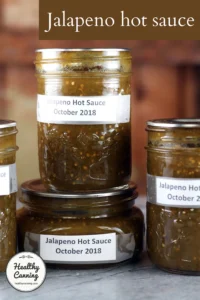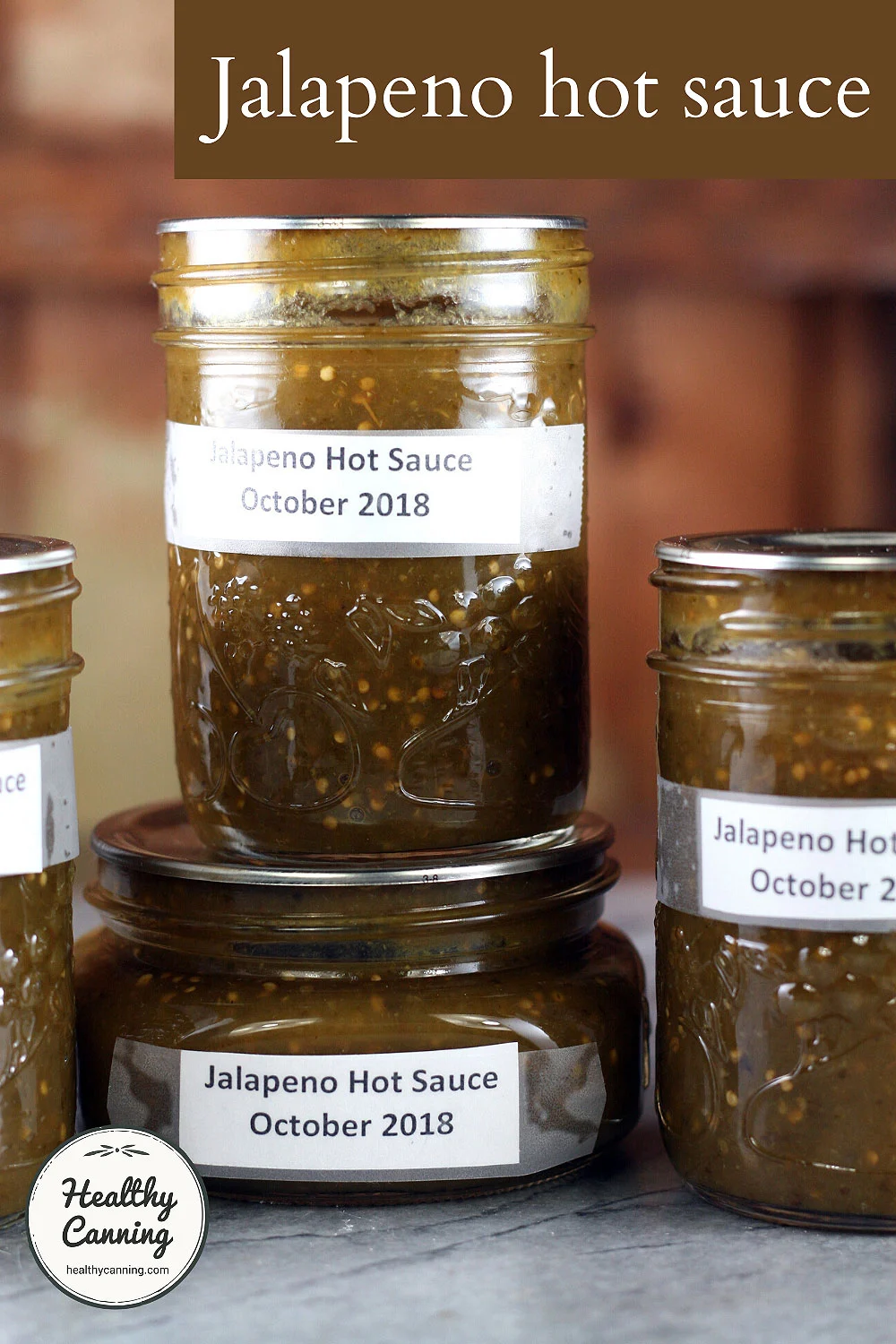

Home food preservation enthusiasts and culinary hobbyists looking to elevate their pantry collections have a new tested recipe option with the introduction of a home-canned green hot sauce utilizing canned tomatillos and fresh jalapeño peppers. Adapted from official United States Department of Agriculture (USDA) preservation guidelines, this thick, spoonable condiment bridges the gap between traditional red cayenne pepper sauces and vibrant Mexican-style green salsas. While home canning has experienced a significant resurgence over the past decade—driven by consumer interest in self-sufficiency, localized eating, and food security—safely modifying tested recipes remains a critical focus for public health educators and master food preservers alike.
Background and Context of USDA Home Canning Guidelines
The foundation of safe home canning rests upon rigorous scientific testing conducted by agricultural extension services and federal research laboratories, most notably the USDA and the National Center for Home Food Preservation (NCHFP). Historically, home canning recipes are calibrated to specific pH levels, density, and processing times to eliminate the risk of foodborne pathogens, particularly Clostridium botulinum.
Traditional pepper sauces derived from USDA frameworks typically feature red cayenne peppers and standard tomatoes, yielding a bright red, pourable liquid. However, culinary trends and consumer demands for diverse flavor profiles have prompted home preservers to seek approved variations. The adaptation featuring green jalapeños and tomatillos maintains the vital acidity and safety parameters established by federal guidelines while offering a distinct flavor profile and a heavier, more viscous texture suitable for use as a table condiment.
Food safety experts continually emphasize that alterations to home canning recipes—such as swapping vegetables or reducing acid—can compromise the safety of the final product. In this specific adaptation, tomatoes are successfully replaced by tomatillos, and standard hot peppers are substituted with green jalapeños. Because tomatillos possess a natural acidity comparable to or exceeding that of standard red tomatoes, and because the vinegar content dictated by the baseline USDA cayenne sauce recipe is preserved, the overall acidity of the mixture remains well within the safe threshold required for boiling water bath or steam canning.

Step-by-Step Chronology and Preparation Framework
Preparing a batch of home-canned green jalapeño hot sauce requires careful planning, precise measurement, and adherence to strict hygiene and processing timelines. The comprehensive preparation process spans approximately four hours, divided between active preparation and cooking phases.
Phase 1: Preparation and Ingredient Sourcing (1 Hour)
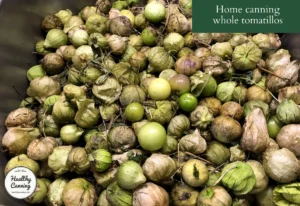
The process begins with gathering ingredients, which include canned tomatillos, fresh green jalapeño peppers, high-grade pickling or canning salt, and commercial vinegar with a guaranteed 5% acidity level. Because the standard USDA recipe yields a substantial quantity—typically producing five half-litre (US pint) jars—cooks are frequently advised to calculate ingredient proportions carefully if opting to halve the recipe.
Equipment preparation is equally critical. Jars, lids, and bands must be thoroughly inspected for chips or cracks and washed in hot, soapy water. While modern canning guidelines often do not require pre-sterilizing jars that will be processed in a boiling water bath or steam canner for 10 minutes or longer, keeping containers hot and clean prevents thermal shock when the hot sauce is introduced.
Phase 2: Cooking and Reduction (3 Hours)
The cooking phase requires simmering the blended or chopped tomatillos, jalapeños, vinegar, and seasonings over medium-low heat. This extended simmering time allows the water content to reduce, achieving the characteristic thick, spoonable consistency demanded of a quality condiment. Culinary experts note that working with large quantities of hot peppers necessitates proper ventilation and personal protective equipment, such as food-safe gloves and eye protection, to prevent irritation from capsaicin oils.
Phase 3: Jarring and Thermal Processing (10 Minutes)
Once the hot sauce reaches the desired consistency, it is ladled into prepared jars, maintaining a strict 2-centimeter (1/2-inch) headspace to ensure a proper vacuum seal during processing. Air bubbles must be removed using a non-metallic spatula or bubble-debubbler tool, and jar rims must be wiped clean with a damp cloth before applying two-piece lids to fingertip tightness.
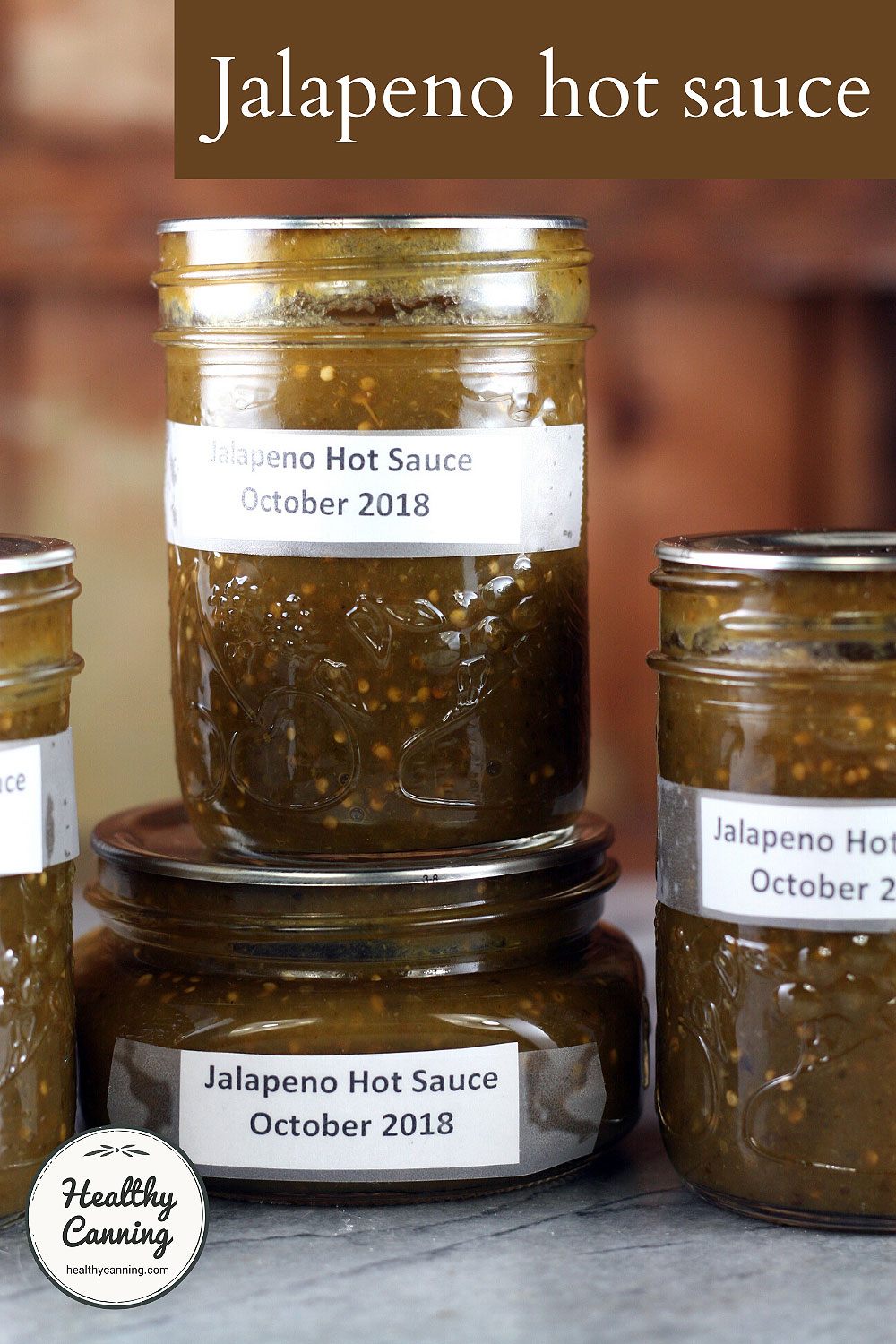
Processing is conducted using either a boiling water bath canner or an approved atmospheric steam canner. Jars of 125 ml (1/4 pint), 250 ml (1/2 pint), or 500 ml (1 pint) capacity are processed for 10 minutes, with mandatory time adjustments applied for high-altitude locations where lower atmospheric pressure reduces the boiling point of water. After the processing timer expires, the heat source is turned off, the canner lid is lifted slightly, and jars are left undisturbed for five minutes before being transferred to a draft-free surface to cool completely over 12 to 24 hours.
Nutritional Profile and Culinary Applications
Official nutritional calculations indicate that this green hot sauce is a low-calorie, low-sodium condiment, making it an attractive option for individuals monitoring their dietary intake. Per single-gram serving or tablespoon equivalent, the sauce contributes negligible fat and protein, with carbohydrates primarily stemming from the natural sugars present in the tomatillos and peppers.
Despite its modest caloric footprint—registering approximately 8 kilocalories per standard batch serving equivalent—the condiment packs an intense sensory punch. The National Center for Home Food Preservation explicitly includes rare cautionary commentary regarding this specific recipe lineage, warning consumers that the resulting product is an exceptionally hot sauce rather than a mild table salsa.
Recommended culinary applications provided by food preservation authorities include:
- Adding heat and acidity to grilled meats, poultry, and fish dishes.
- Incorporating into marinades, vinaigrettes, and braising liquids to build complex flavor layers.
- Serving as a finishing condiment for tacos, enchiladas, and authentic Mexican or Southwestern street foods.
- Blending into soups, stews, and chilis where both heat and structural body are desired.
Expert Statements and Food Safety Implications
Public health officials and extension agents consistently stress the importance of adhering to tested recipes when engaging in home food preservation. The standardisation of processing times and acid levels protects consumers against the proliferation of harmful bacteria, most notably Clostridium botulinum, which thrives in low-acid, anaerobic environments such as sealed jars.
Master Food Preservers across North America operate seasonal telephone hotlines and educational workshops to assist home canners with technical inquiries, altitude adjustments, and safe recipe modifications. Experts emphasize that while substitutions between certain acidic fruits and vegetables (such as tomatoes and tomatillos) are permissible under specific guidelines, unverified deviations—such as reducing the amount of vinegar, adding low-acid ingredients like onions or garlic beyond tested proportions, or altering jar sizes without recalibrating processing times—introduce unacceptable food safety risks.
Furthermore, international canners must remain vigilant regarding regional variations in commercial product standards. For instance, home preservers operating in Australia and New Zealand must verify that the acetic acid concentration of their chosen vinegar meets the standard 5% threshold required for reliable home canning safety, as some imported or domestic vinegars in those markets may be sold at lower concentrations.
Broader Economic and Cultural Impact of Home Canning
The continued popularity of home-canned hot sauces reflects broader consumer trends centered around artisanal food production, waste reduction, and culinary personalization. By preserving seasonal gluts of peppers and tomatillos, home gardeners and local market shoppers extend the shelf life of perishable crops, thereby reducing household food waste and grocery expenditures.
At the same time, the DIY condiment movement fosters a deeper appreciation for food science and agricultural literacy. As home canners engage with USDA guidelines, master food preserver networks, and peer-to-peer educational platforms, they cultivate a rigorous understanding of the chemical and biological principles that govern safe food storage. This synthesis of traditional kitchen craft and modern food safety science ensures that home-canned preserves remain a safe, rewarding, and vibrant staple of the contemporary pantry.