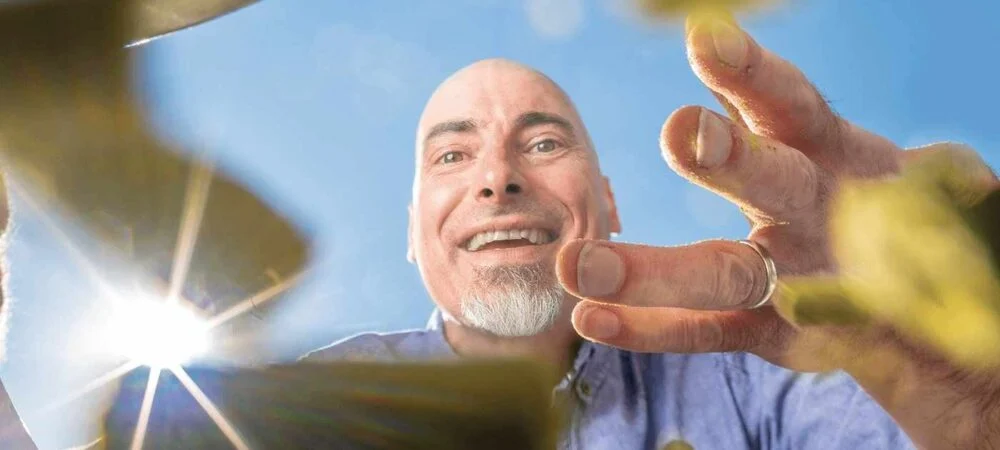

The Professional Evolution of Gary Glass
The centerpiece of the September/October 2025 issue is a comprehensive profile of Gary Glass, authored by noted beer journalist Gabe Toth. Glass is a figure of significant historical weight within the American Homebrewers Association, having served as its director for over two decades. Under his leadership, the AHA saw unprecedented growth, coinciding with the "Third Wave" of the American craft beer revolution. His tenure was marked by an expansion of the National Homebrew Competition and the lobbying for homebrewing rights in states where the practice remained legally ambiguous.
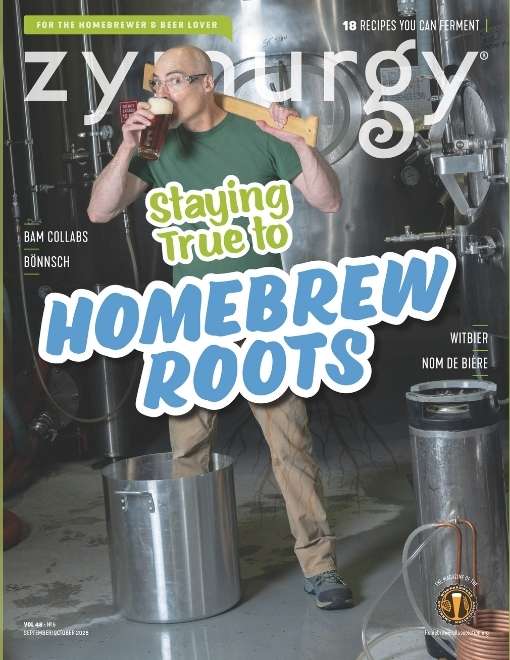
However, the feature story titled "Gary Glass" focuses on his transition from the administrative and advocacy side of the industry to the competitive brewing floor. Glass has successfully bridged the gap between managing a national organization and mastering the granular science of fermentation, culminating in recent medal wins at the Great American Beer Festival (GABF). The GABF, organized by the Brewers Association, is the most prestigious professional brewing competition in the United States. Glass’s success in this arena underscores a central theme of the 2025 issue: the professional-grade quality currently being achieved by those who began their journeys in kitchens and garages. The article explores his methodology, the shift in perspective required to move from hobbyist to award-winning professional, and his ongoing influence on the next generation of brewers.
Collaborative Synergy: The Bay Area Mashers and Maltose Falcons
The issue also highlights the vital role of homebrew clubs in fostering industry-wide innovation through a feature on the Bay Area Mashers and the Maltose Falcons. These two organizations are among the oldest and most influential homebrew clubs in the world. The Maltose Falcons, based in Los Angeles and founded in 1974, predates the legalization of homebrewing at the federal level in 1978. The Bay Area Mashers, representing the northern California contingent, have similarly acted as a "think tank" for experimental brewing for decades.
The September/October 2025 coverage details an "epic California homebrew club collaboration" involving these clubs, professional maltsters, and commercial breweries. This collaboration is indicative of a growing trend where professional ingredient suppliers, such as malt houses and hop growers, utilize the agility of homebrew clubs to test experimental products. By partnering with these clubs, professional entities can gather data on how new malt varieties or hop cultivars perform in diverse brewing environments before scaling them for commercial release. This symbiosis highlights the homebrewing community’s role as the Research and Development (R&D) arm of the craft beer industry.
Technical Deep Dives: Bönnsch and Belgian Witbier
For the technically minded brewer, the issue provides two significant style profiles that emphasize the importance of historical accuracy and fermentation control. Gunnar Martens, a brewer who maintains a foot in both the amateur and professional worlds, contributes an article on Bönnsch naturtrüb. Bönnsch is a regional specialty from Bonn, Germany, often described as an unfiltered, hazy version of the more famous Kölsch style from Cologne. Martens provides a roadmap for achieving the specific "natural turbidity" required for the style without introducing the off-flavors associated with poor yeast management. This article is particularly relevant as the American market continues to show a strong preference for hazy, unfiltered beers, albeit usually in the form of New England-style IPAs.

Complementing the German focus is an exploration of the Belgian Witbier, featuring insights from Charlie Gottenkieny and Jason Perkins. Perkins, the brewmaster at Allagash Brewing Company, is widely regarded as one of the world’s leading authorities on the style; Allagash White is frequently cited as the gold standard for Witbier in North America. The feature delves into the complexities of using unmalted wheat, coriander, and Curacao orange peel. The technical challenge of Witbier lies in balancing the delicate phenolics of the yeast with the spice additions, a topic the authors explore through the lens of both small-scale home production and large-scale commercial consistency.
The Art of Competition: Naming and Presentation
Beyond the chemistry of fermentation, Zymurgy addresses the cultural and psychological aspects of the hobby. Contributor Ron Minkoff provides a guide to naming competition-entry beers, a task that often proves difficult for brewers focused solely on the technical aspects of their craft. While the Beer Judge Certification Program (BJCP) focuses on sensory analysis, the "identity" of a beer—including its name and the story behind it—plays a significant role in how it is perceived in club settings and Pro-Am competitions. Minkoff’s guide offers a witty yet practical approach to creating names that are memorable and professional, avoiding the clichés that often permeate the hobbyist space.
Editorial Leadership and Strategic Direction
The September/October 2025 issue is helmed by Editor-in-Chief Dave Carpenter. Carpenter, who began his brewing and writing career in 2009, has been instrumental in maintaining Zymurgy’s reputation for technical rigor. Under his leadership, the magazine has leaned into "gerund-based" lifestyle integration—hiking, traveling, and exploring—while keeping the core focus on the "how-to" aspect of brewing. His editorial philosophy emphasizes that homebrewing is not a static hobby but a dynamic lifestyle that evolves alongside the brewer’s personal and professional growth.
Supporting Data and Industry Implications
The release of this issue comes at a critical time for the American homebrewing movement. Data from the American Homebrewers Association suggests that while the "pandemic boom" of new hobbyists has leveled off, the average skill level of the active homebrewer is at an all-time high. This "professionalization of the amateur" is reflected in the complexity of the 18 recipes included in this issue, which range from accessible ales to complex lagers and Belgian specialty styles.
The economic impact of the homebrewing community remains substantial. According to AHA research, homebrewers contribute an estimated $700 million to $1 billion annually to the U.S. economy through the purchase of equipment, ingredients, and literature. Furthermore, a significant percentage of professional craft breweries in the United States were founded by individuals who began as AHA members. The September/October 2025 issue reinforces this pipeline, providing the high-level education necessary for those looking to make the leap from hobby to career.
Broader Impact and Community Role
Zymurgy continues to function as more than just a magazine; it is the official journal of a member-based organization dedicated to advocacy. A portion of the content in the latest issue remains "Member-Only," a strategic move designed to bolster the AHA’s ability to lobby for homebrewers’ rights and fund educational initiatives. The "members-only prompt" within the digital edition serves as a reminder of the collective power of the 37,000+ AHA members.
The convergence of amateur and professional brewing highlighted in this issue suggests that the distinction between the two is becoming less about the quality of the final product and more about the scale of production. As Gary Glass’s GABF medals and the Bay Area club collaborations demonstrate, the innovations occurring in five-gallon carboys are directly informing the trends found in commercial taprooms across the country.
In conclusion, the September/October 2025 issue of Zymurgy stands as a testament to the maturity of the homebrewing hobby. By profiling industry veterans like Gary Glass and technical masters like Jason Perkins, the magazine provides a roadmap for excellence. Whether through the lens of a hazy Bönnsch or the irreverent naming of a competition stout, the publication continues to uphold its mission: to empower the individual brewer with the knowledge, community, and inspiration required to brew world-class beer at home.