
The culinary landscape is constantly evolving, driven by a confluence of social media trends, a renewed focus on home cooking, and a persistent desire for accessible yet exciting meal solutions. Among the latest phenomena to capture public imagination is the Chicken Caesar Smash Taco, a dish that ingeniously marries the robust flavors of a classic Caesar salad with the textural appeal of a crispy, handheld taco. This innovative creation, lauded for its simplicity and satisfying profile, represents a significant development in the realm of comfort food hybridization, demonstrating how traditional concepts can be reimagined for modern palates and busy lifestyles.
The Genesis of the "Smash" Technique in Modern Cuisine
To understand the appeal of the Chicken Caesar Smash Taco, it is essential to trace the lineage of its core preparation method: the "smash" technique. This approach gained widespread notoriety and acclaim through the "smash burger" phenomenon. Originating in casual diners and perfected in backyard grilling, the smash burger involves pressing a ball of ground meat directly onto a hot griddle or skillet. This forceful compression maximizes contact with the cooking surface, leading to an accelerated Maillard reaction, which is responsible for the rich, caramelized crust and intense savory flavor. The result is a burger patty that is exceptionally thin, crispy at the edges, and remarkably juicy within, a stark contrast to thicker, less seared patties.
The success of the smash burger laid the groundwork for applying this technique to other protein forms and culinary formats. Chefs and home cooks alike began experimenting, realizing the potential for enhanced texture and flavor development. This culinary innovation quickly transcended the burger patty, finding its way into various ground meat applications, including meatballs, sausages, and eventually, tacos. The core principle remained consistent: maximize surface area contact to achieve superior browning and crispness.
Chronology of Culinary Hybridization and the Taco’s Versatility
The concept of combining disparate culinary elements is not new, but its acceleration in the digital age is remarkable. For decades, fusion cuisine has explored the blending of national or regional culinary traditions. However, the current wave often involves the hybridization of distinct dishes or meal components within a more casual, accessible framework. The taco, in particular, has proven to be an exceptionally versatile canvas for such experimentation. Its simple structure – a tortilla wrapped around a filling – allows for endless variations without straying too far from its recognizable form.
- Early 2000s: The rise of "gourmet" taco trucks and restaurants in North America began pushing the boundaries of traditional taco fillings, incorporating ingredients like Korean BBQ, duck confit, and unexpected cheeses.
- Mid-2010s: The "quesabirria" taco, a Jalisco-style birria stew served in a cheese-griddled tortilla, emerged as a viral sensation, demonstrating the power of textural contrast and rich flavor combinations within a taco format. This further popularized the idea of a crispy, savory tortilla.
- Late 2010s/Early 2020s: The "smash burger taco" gained traction, directly applying the smash burger technique by pressing ground beef onto a tortilla, creating a crispy, meaty base before adding burger-like toppings. This specific innovation directly prefigured the Chicken Caesar Smash Taco.
- 2023-Present: The Chicken Caesar Smash Taco emerges, leveraging the established "smash" method but introducing chicken and the distinct flavor profile of a Caesar salad. This iteration capitalizes on the comfort and familiarity of both chicken Caesar salad and the smash taco format, offering a novel yet approachable meal.
This progression highlights a clear trend: consumers are increasingly open to creative re-imaginings of classic dishes, especially when they offer an elevated textural experience and a streamlined preparation process.
Anatomy of the Chicken Caesar Smash Taco: Ingredients and Technique
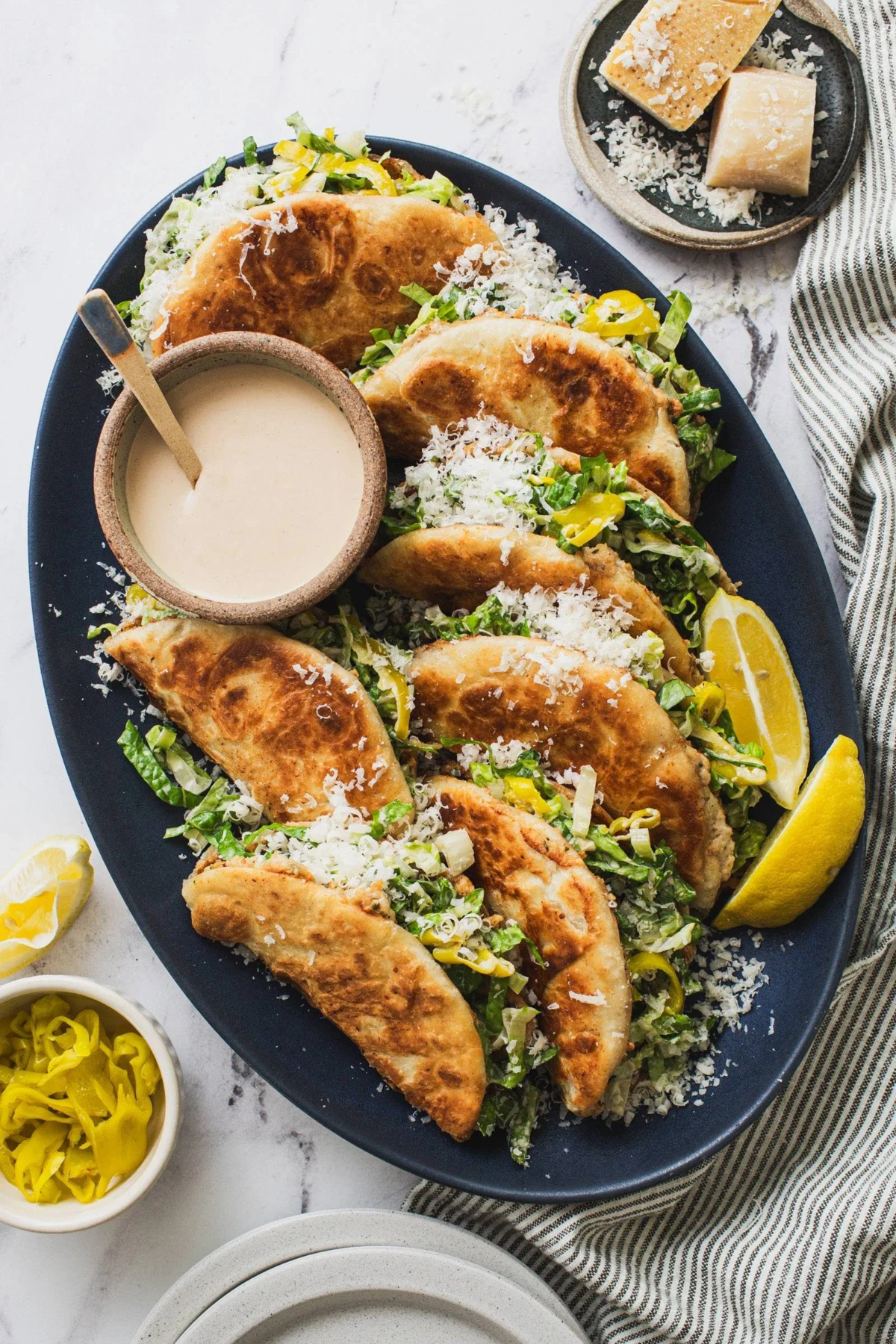
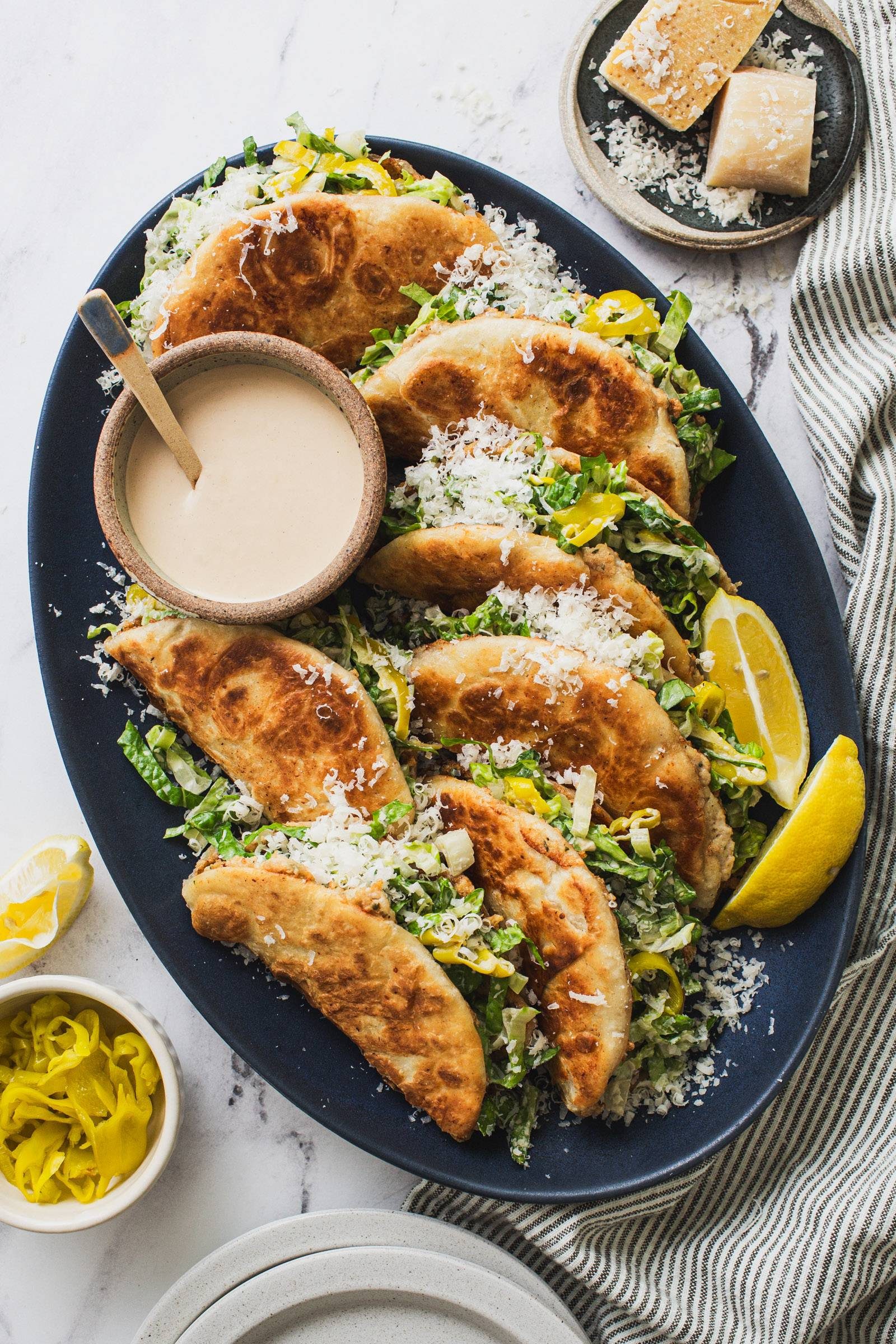
The Chicken Caesar Smash Taco is characterized by three primary components: the seasoned ground chicken, the crispy tortilla, and the vibrant Caesar salad filling, often enhanced with a creamy Caesar sauce for dipping.
- Seasoned Ground Chicken: The choice of ground chicken is strategic. Its lean nature and fine texture allow it to cook quickly and adhere well to the tortilla when smashed. Typically, the chicken is seasoned with a blend of salt, pepper, garlic powder, onion powder, and sometimes a hint of paprika or Italian herbs, creating a flavorful base that complements the subsequent Caesar elements. The "smash" technique ensures that the chicken cooks evenly and develops a deeply savory, slightly charred crust that contributes significantly to the overall taste and texture.
- The Crispy Tortilla: Central to the smash taco concept is the transformation of a soft tortilla into a golden, brittle shell. While corn tortillas are traditional for many tacos, flour tortillas are often preferred for smash tacos due to their pliability when raw and their ability to crisp up uniformly without becoming overly rigid or brittle. As the ground chicken is pressed onto the tortilla and cooked, the fat from the chicken (even lean ground chicken releases some fat) and any added oil help to fry the tortilla, creating a shatteringly crisp exterior that provides a crucial textural counterpoint to the softer filling.
- Shredded Caesar Salad: The heart of the "Caesar" identity lies in the filling. This typically comprises finely shredded romaine lettuce, known for its crispness and slightly bitter notes. It is tossed with a classic Caesar dressing, which traditionally includes olive oil, lemon juice, Dijon mustard, Worcestershire sauce, garlic, Parmesan cheese, and anchovy paste (though many home versions omit the anchovy for broader appeal). The dressing provides a tangy, umami-rich creaminess that binds the salad components and moistens the taco. Croutons, while a staple of Caesar salad, are often omitted from the taco filling to avoid textural redundancy with the crispy tortilla, or are crushed and incorporated in smaller quantities. A popular addition, as noted in some recipes, is pepperoncini, which introduces a mild heat and vinegary tang that cuts through the richness of the chicken and dressing, adding another layer of complexity.
The Preparation Process: The making of these smash tacos typically involves dividing seasoned ground chicken into small portions. Each portion is then placed onto a soft tortilla. The chicken-side-down tortilla is then pressed firmly onto a hot, oiled griddle or skillet, effectively smashing the chicken into a thin layer that covers most of the tortilla. It cooks until the chicken is browned and crispy, and the tortilla is golden and crunchy. Once flipped, the cheese is often added to the chicken side to melt. Finally, the crispy taco is loaded with the prepared Caesar salad mixture, and often folded or served open-faced, ready for a dip in extra Caesar dressing. The entire process is remarkably quick, often taking less than 15 minutes from start to finish for a batch, making it an ideal weeknight meal.
Culinary Appeal and Flavor Dynamics
The widespread adoption of the Chicken Caesar Smash Taco can be attributed to several key culinary factors that resonate deeply with contemporary consumer preferences:
- Textural Contrast: This is perhaps the most compelling aspect. The dish delivers a symphony of textures: the shattering crispness of the tortilla and chicken crust, the tender interior of the chicken, the refreshing crunch of romaine lettuce, and the creamy smoothness of the Caesar dressing. This multi-layered textural experience elevates what might otherwise be a simple meal.
- Flavor Harmony: The flavors are both familiar and exciting. The savory, slightly charred notes of the seasoned chicken provide a robust base. This is beautifully complemented by the bright, tangy, and umami-rich Caesar dressing, the fresh bitterness of romaine, and the salty, pungent kick of Parmesan cheese. The optional pepperoncini adds a welcome piquant counterpoint, preventing the dish from becoming one-note. The overall profile is comforting yet sophisticated.
- Umami Bomb: The combination of browned chicken, Parmesan cheese, and Worcestershire/anchovy in the Caesar dressing creates a powerful umami synergy, a savory depth that is highly addictive and satisfying.
- Convenience and Speed: As highlighted by numerous food bloggers and home cooks, the smash taco method is inherently efficient. It requires minimal cooking time and uses readily available ingredients, aligning perfectly with the demand for quick, easy, and delicious weeknight dinners.
- Customization Potential: While the core elements remain, the recipe is highly adaptable. Cooks can adjust seasoning for the chicken, vary the intensity of the Caesar dressing, add different cheeses, or incorporate other vegetables, allowing for personalized culinary expression.
Consumer Reception and Broader Market Implications

The Chicken Caesar Smash Taco has primarily gained traction through digital platforms, particularly TikTok and Instagram, where short-form video content allows for rapid dissemination of recipes and cooking demonstrations. Food influencers and home cooks have showcased the ease and deliciousness of the dish, leading to viral spread and numerous recreations. This virality underscores a significant shift in how culinary trends emerge and proliferate: from professional kitchens and food magazines to social media feeds and user-generated content.
The consumer reception has been overwhelmingly positive, with many praising its "dream come true" quality for Caesar salad lovers and its "genius little dinner invention" status. The ease of preparation, coupled with the impressive flavor and texture, positions it as a go-to recipe for busy individuals and families.
Beyond home kitchens, the success of such hybrid dishes has broader implications for the food industry:
- Restaurant Innovation: While currently a home-cooking phenomenon, the popularity of the Chicken Caesar Smash Taco suggests a potential for adaptation in casual dining establishments, food trucks, or fast-casual chains looking to offer novel yet comforting menu items.
- Ingredient Demand: A surge in popularity for specific recipes can lead to increased demand for key ingredients. In this case, ground chicken, tortillas, romaine lettuce, and Caesar dressing components could see minor boosts in sales.
- Product Development: Food manufacturers might take cues from such trends, potentially developing pre-seasoned ground chicken blends or ready-to-use Caesar salad kits specifically marketed for smash tacos.
- The "Experience Economy" of Food: Modern consumers are not just seeking sustenance; they are seeking experiences. Dishes like the Chicken Caesar Smash Taco offer an engaging cooking process and a satisfying eating experience, contributing to the broader "experience economy" within food.
The Role of Social Media in Modern Food Trends
The rapid ascent of the Chicken Caesar Smash Taco serves as a quintessential example of social media’s profound influence on contemporary food culture. Platforms like TikTok, with their algorithmically driven content delivery and emphasis on short, visually engaging videos, act as powerful incubators for culinary trends.
- Democratization of Culinary Innovation: Social media has democratized recipe creation and dissemination. Anyone with a smartphone and a kitchen can become a food influencer, sharing their creations and inspiring millions. This contrasts sharply with traditional models where trends were often dictated by professional chefs, cookbook authors, or established media outlets.
- Visual Appeal and "Food Porn": The inherent visual appeal of the smash technique—the sizzling meat, the golden-brown tortilla, the vibrant green salad—translates exceptionally well into short video formats. This "food porn" aspect is crucial for capturing attention and encouraging replication.
- Community and Engagement: Social media fosters communities around food. Users share their versions of recipes, offer tips, and provide feedback, creating a dynamic ecosystem that fuels further experimentation and popularization. The hashtag #SmashTaco and its variations have become digital gathering places for enthusiasts.
- Accessibility and Replicability: Recipes that are easy to follow and use common ingredients are most likely to go viral. The Chicken Caesar Smash Taco perfectly fits this criterion, requiring no specialized equipment or obscure ingredients, making it accessible to a wide audience of home cooks with varying skill levels.
Conclusion
The Chicken Caesar Smash Taco is more than just a recipe; it is a culinary microcosm reflecting broader trends in modern eating. It embodies the desire for convenience without compromising on flavor, the joy of textural diversity, and the power of social media to transform niche ideas into global phenomena. By taking the comforting familiarity of a Caesar salad and ingeniously combining it with the popular, texture-rich "smash" taco technique, this dish offers a fresh, approachable, and undeniably delicious solution for everyday meals. Its journey from a viral video concept to a beloved home-cooked staple underscores the dynamic and ever-evolving nature of our food landscape, where innovation, accessibility, and digital dissemination continually reshape what we cook and how we eat. As consumers continue to seek creative yet simple meal ideas, the success of the Chicken Caesar Smash Taco suggests a continued appetite for inventive culinary hybrids that deliver both novelty and comfort.