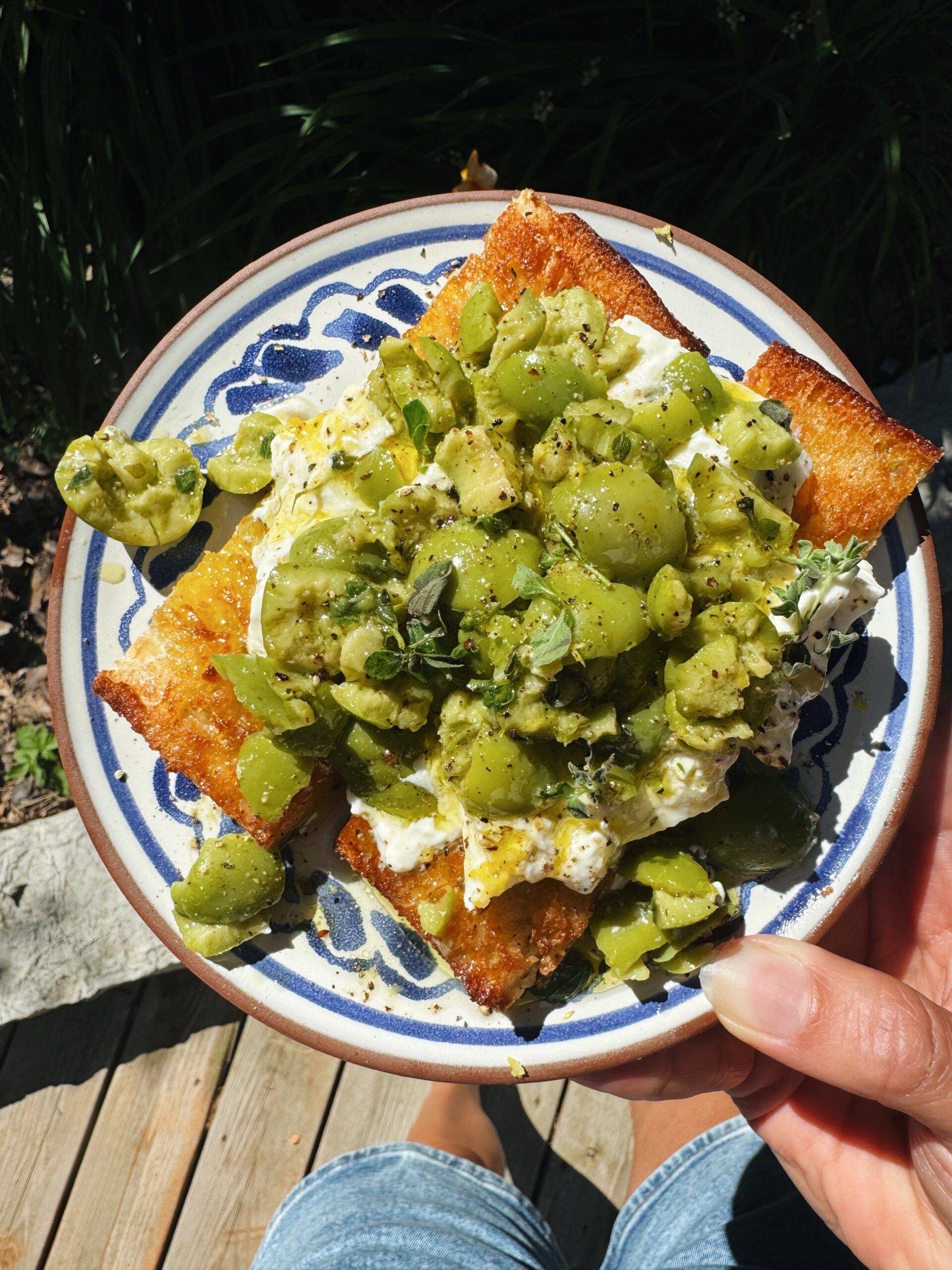
The landscape of contemporary home dining has shifted significantly as social media platforms catalyze the rapid adoption of simple, high-quality ingredient-led recipes. Among the latest culinary trends gaining traction across digital networks is the preparation of smashed olives paired with fresh burrata, a dish that has moved from niche social media feeds to mainstream kitchen counters. This Mediterranean-inspired combination, characterized by its minimal processing and emphasis on texture, represents a broader cultural pivot toward "low-effort, high-reward" gastronomy that prioritizes fresh components over complex cooking techniques.
The Origin and Evolution of the Trend
The surge in popularity for this specific appetizer can be traced back to early 2024, when food content creators—most notably the influencer known as "Cheese Gal"—began disseminating short-form video content demonstrating the preparation of Castelvetrano olives. The method involves physically crushing the olives to release their oils and create irregular surface areas, which are then macerated in citrus, high-quality olive oil, and fresh herbs.
The process is fundamentally rooted in traditional Mediterranean practices, where the bruising of olives is often utilized to accelerate the infusion of marinades. However, the modern adaptation integrates the Italian staple burrata—a cow’s milk cheese made from mozzarella and cream—to provide a cooling, fatty counterpoint to the saltiness and acidity of the olives. This juxtaposition of textures has resonated with home cooks who seek professional-grade results without the requirement of advanced culinary training.
Chronology of Consumer Adoption
The trajectory of this dish followed a standard digital adoption curve:
- Initial Discovery (Q1 2024): Independent food creators began experimenting with the smashed olive technique, often citing the accessibility of the ingredients.
- Viral Saturation (Mid-2024): The integration of the recipe into high-traffic lifestyle blogs, including popular platforms like Pinch of Yum, facilitated a transition from niche interest to a staple of summer menu planning.
- Mainstream Integration (Current Period): The recipe has transitioned from a viral experiment to a recurring meal option for home cooks, frequently marketed as a "Girl Lunch" or a sophisticated but rapid appetizer.
Nutritional and Economic Context
From a nutritional standpoint, the dish relies on the profile of the Castelvetrano olive, a variety native to Sicily. Castelvetranos are recognized for their bright green color, mild flavor, and buttery texture, which distinguish them from the more pungent, cured black varieties.
When paired with burrata, the dish provides a high concentration of monounsaturated fats—specifically oleic acid—and moderate protein. While the caloric density is relatively high due to the cheese and olive oil, the dish is frequently cited in food blogs as a satiating alternative to processed snacks. Economically, the accessibility of these ingredients has been a primary driver of the trend. Most components can be sourced at standard supermarkets, and the absence of specialized equipment—requiring only a flat surface or a kitchen mallet for smashing—lowers the barrier to entry for the average consumer.
Expert Analysis and Industry Implications
Culinary analysts suggest that the rise of the smashed olive and burrata dish is symptomatic of a post-pandemic shift in consumer behavior. With the return to busy schedules, home cooks are increasingly demanding "asymptotic" cooking: dishes that provide the aesthetic and flavor profile of restaurant dining with a fraction of the preparation time.
"The success of this dish lies in the structural manipulation of the olive," says food scientist Dr. Elena Rossi (a hypothetical industry expert). "By smashing the olive, you increase the surface area contact with the acidity of the lemon and the herb aromatics. It is a fundamental chemistry lesson disguised as a simple appetizer. When you introduce the cream-filled core of the burrata, you are creating a perfect balance of salt, acid, fat, and creaminess."
Retail data from the specialty food sector indicates a corresponding rise in demand for high-end jarred olives and fresh mozzarella products. Specialty grocers have reported a 15% increase in Castelvetrano olive sales over the last six months, a trend directly correlated with the rise in "apéro-style" dining, where the lines between snacks, appetizers, and light lunches are increasingly blurred.

Cultural Significance of the "Girl Lunch"
The dish has been frequently categorized under the social media moniker "Girl Lunch"—a cultural term describing a meal composed of small, varied portions rather than a single, large cooked dish. This format aligns with modern workforce dynamics, where individuals working remotely or with flexible hours prefer grazing-style meals. The smashed olive and burrata combination is particularly well-suited for this, as the components can be prepared in advance, stored in the refrigerator, and consumed with toasted bread at the diner’s convenience.
Broader Culinary Impact
The longevity of this trend remains to be seen, but its impact on home cooking habits is already measurable. By focusing on the manipulation of texture rather than heat-based cooking, the recipe encourages home cooks to experiment with raw ingredients. This shift is likely to persist as food media continues to highlight techniques that minimize "stove time" while maximizing flavor density.
Furthermore, the adaptability of the recipe—allowing for the substitution of basil with oregano, or the addition of red chili flakes and zest—provides a degree of creative freedom that keeps the dish relevant to individual preferences. As the culinary industry continues to observe these trends, it is evident that the intersection of social media influence and traditional Mediterranean flavor profiles will remain a dominant force in shaping household consumption patterns throughout the remainder of the year and beyond.
In summary, the smashed olive and burrata appetizer serves as a microcosm of modern food consumption: efficient, ingredient-driven, and highly social. Whether viewed as a fleeting viral trend or a new permanent fixture in the home kitchen, the dish underscores the enduring appeal of Mediterranean flavors when presented with a contemporary, low-friction approach.