Culinary Methodology and Technical Innovation
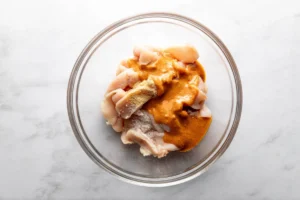
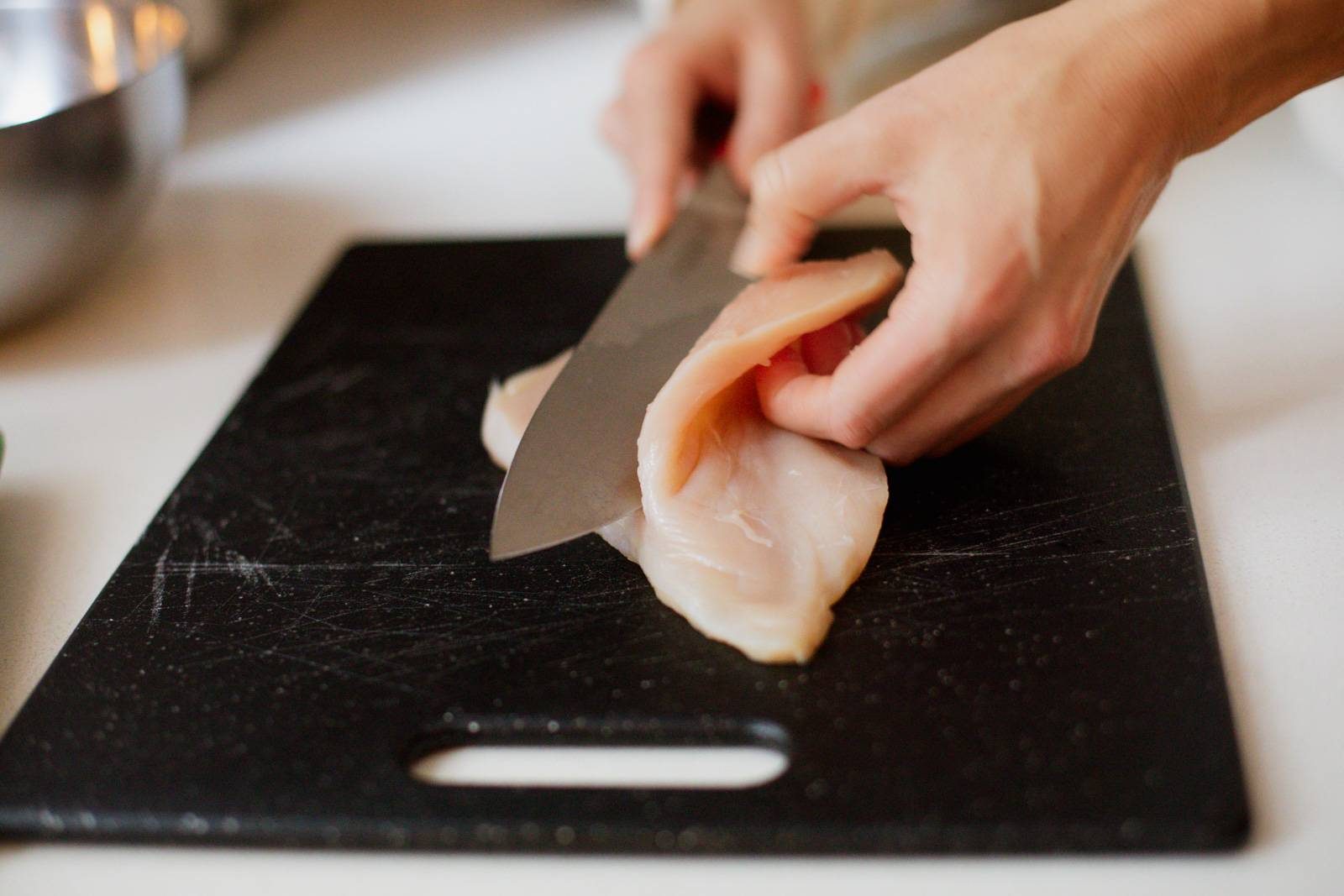
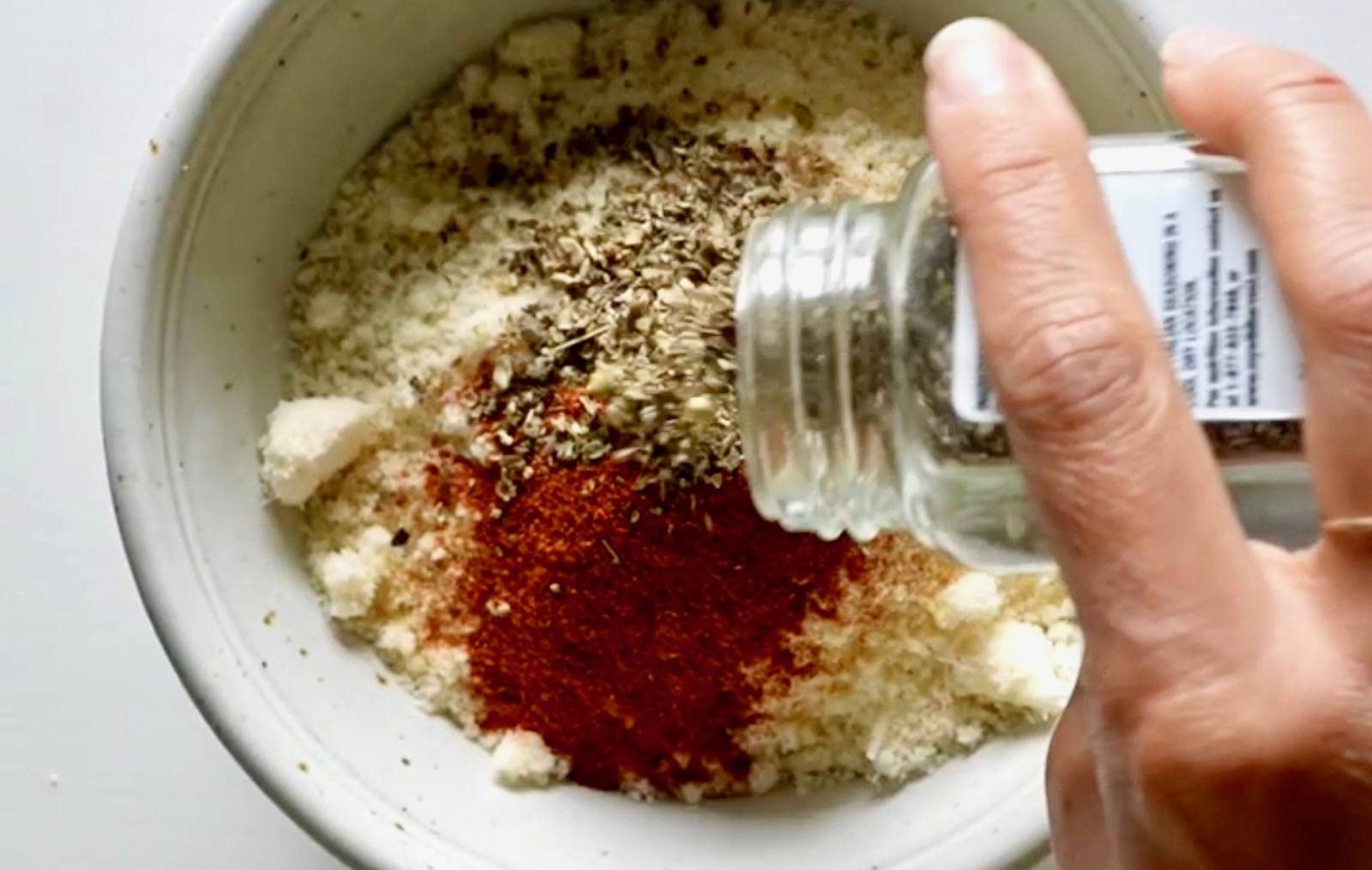
At the core of this preparation is the technical application of the mayonnaise-based coating for poultry. In traditional culinary schools, a standard breading procedure—the "standard breading station"—typically involves flour, an egg wash, and breadcrumbs. However, the move toward mayonnaise as a binding agent serves a specific chemical purpose. Mayonnaise is an emulsion of oil, egg yolk, and an acid (vinegar or lemon juice). When applied to chicken cutlets, the oil content facilitates even heat distribution across the surface of the meat, while the emulsified egg proteins create a more robust barrier that adheres to Parmesan cheese and breadcrumbs more effectively than a traditional egg wash.
This technique, which has become increasingly popular in social media-driven food content, minimizes the "soggy bottom" phenomenon often associated with home-baked breaded chicken. By brushing the mayonnaise onto the chicken rather than dipping it, the cook controls the moisture levels, ensuring the chicken retains its internal juices while the external crust achieves a Maillard reaction—the chemical reaction between amino acids and reducing sugars that gives browned food its distinctive flavor.
Chronology of the Recipe’s Development
The integration of creamy, citrus-based sauces with breaded poultry has historical roots in Italian-American cuisine, most notably in variations of pollo alla Milanese. However, the modern iteration—specifically pairing a lemon-cream pasta with Parmesan-crusted chicken—gained prominence in the early 2020s.

- Phase 1: The Rise of Sheet Pan Cooking (2015–2018): Culinary trends shifted toward "one-pan" meals, focusing on reducing cleanup time. The concept of cooking both the protein and the starch in a streamlined fashion became a priority for meal-planning professionals.
- Phase 2: Texture Innovation (2019–2021): Influencers and recipe developers began experimenting with high-fat binders like mayonnaise to replace traditional egg-wash methods, citing increased crunch and better browning on oven-baked products.
- Phase 3: The Lemon-Cream Trend (2022–Present): The pairing of acidic lemon zest with heavy cream (often balanced with pasta water) became a staple for home cooks seeking restaurant-quality flavor profiles without complex culinary training.
Supporting Data and Nutritional Context
The appeal of this specific dish can be analyzed through the lens of modern nutritional preferences. While traditional heavy cream-based pasta dishes are often scrutinized for their caloric density, the addition of fresh lemon zest and juice serves to brighten the flavor profile, allowing for a perceived reduction in "heaviness."
- Protein Content: Chicken breast remains the most consumed protein in the United States, with the average American consuming approximately 98 pounds of chicken per year. This recipe leverages that popularity while enhancing the palatability of the lean meat through added fats from the cheese and mayonnaise.
- Flavor Profiles: The combination of Parmesan (a source of glutamate, which provides umami) and lemon (a source of citric acid, which cuts through fat) creates a balanced sensory experience. Scientific studies on palate fatigue suggest that high-fat, high-sodium dishes are more satisfying to the consumer when balanced by a strong acidic element, explaining the popularity of the lemon-pasta pairing.
Official Responses and Consumer Reception
While this specific recipe originated within the domestic recipe development community, the feedback from households has been overwhelmingly positive regarding the "picky eater" demographic. Data suggests that children and adolescents are more likely to consume poultry when it is presented with a crunchy, uniform texture. The use of familiar flavor profiles—mild cheese and cream—acts as a "bridge" for younger palates, while the lemon provides the complexity demanded by adult consumers.

Professional chefs have noted that the "sheet pan" approach to this dish, while highly convenient, requires careful monitoring of heat to prevent the Parmesan from burning. The recommendation to use a light brushing of the binder is critical, as excess moisture can inhibit the crisping process. This reflects a broader trend in culinary education where the focus is moving away from rigid, complex techniques toward an understanding of heat transfer and ingredient interaction.
Broader Impact and Culinary Implications
The popularity of this dish signals a fundamental change in how home cooking is approached. It is no longer defined by the time spent in the kitchen, but by the "value-added" nature of the ingredients. By utilizing store-bought mayonnaise and pantry staples like pasta and cheese, the dish manages to be accessible regardless of socioeconomic background.
Furthermore, the "10/10" rating often assigned to this dish by home cooks reflects a shift in social proof. In the digital age, a recipe’s success is measured by its reproducibility across various skill levels. When a dish is successfully executed by novice cooks, it reinforces the trend toward democratized culinary knowledge.
The economic implications are also noteworthy. By preparing this meal at home, families can replicate a high-end restaurant experience at a fraction of the cost. A typical restaurant order of chicken and creamy pasta can range from $20 to $35 per plate. The home-prepared version, utilizing basic chicken breasts, pasta, and dairy, typically costs less than $5 per serving, making it an economically resilient choice in an era of rising food costs.
Conclusion
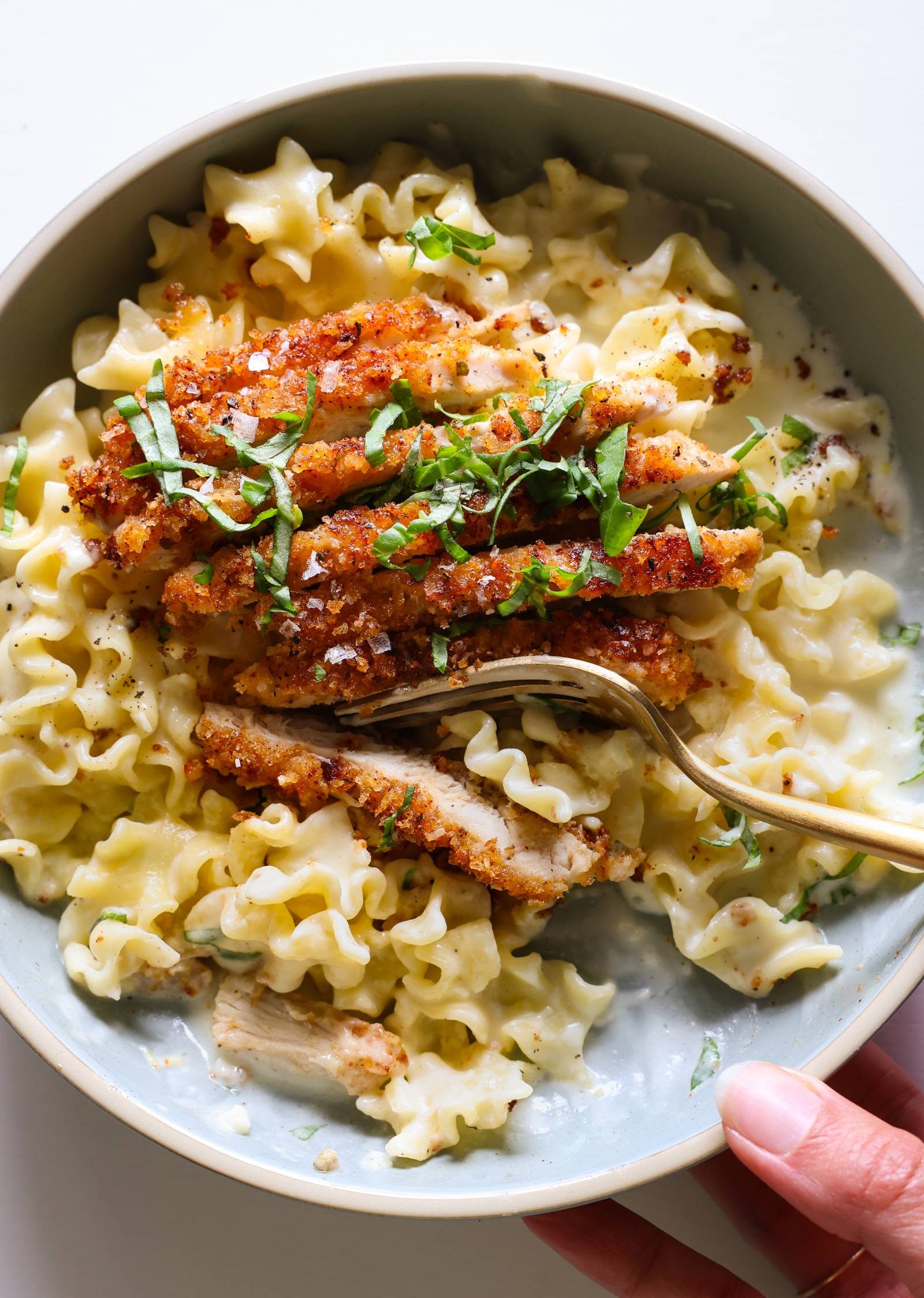
Crispy Parmesan Chicken with Creamy Lemon Pasta is more than a simple dinner recipe; it is a synthesis of modern efficiency, chemical innovation, and balanced flavor design. By focusing on the interplay of texture—the crunch of the chicken versus the silkiness of the pasta—and the contrast of fat and acid, this dish addresses the fundamental requirements of a modern home-cooked meal. As culinary trends continue to favor efficiency without sacrificing quality, the adoption of techniques such as mayonnaise-based breading and citrus-tempered cream sauces will likely remain a fixture in domestic cooking, providing a reliable and satisfying solution for daily meal planning. The success of this dish serves as a testament to the fact that complex flavor profiles can be achieved through simple, intentional modifications of foundational cooking methods.