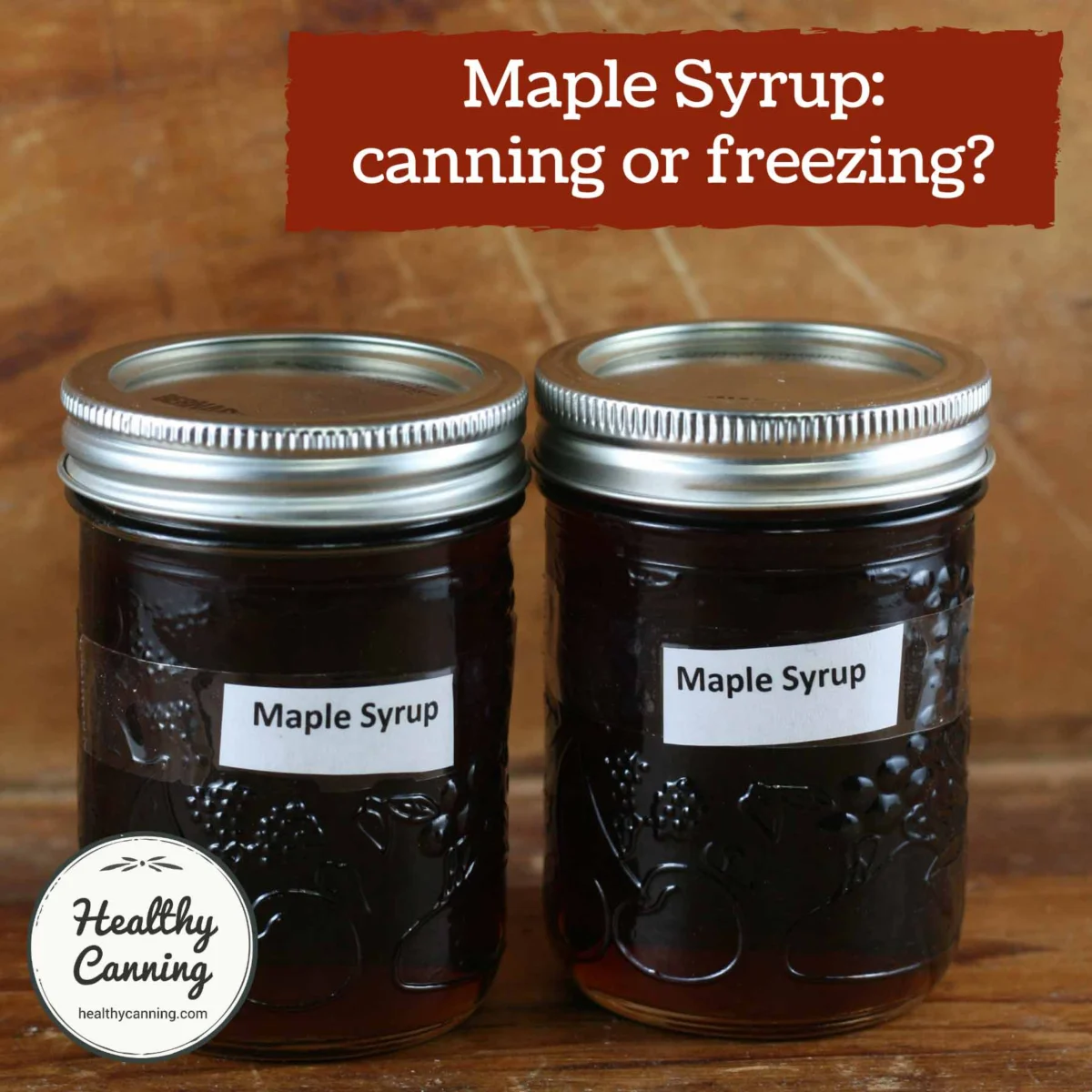

The procurement of pure maple syrup in bulk is a common practice for many North American households, driven by the seasonal nature of production and the cost-effectiveness of larger volumes. However, without a nuanced understanding of storage science, these significant investments are frequently compromised by microbial spoilage, specifically mold colonization. Unlike highly processed corn-based syrups, pure maple syrup is a natural biological product with specific chemical vulnerabilities that require precise environmental controls to maintain its sensory characteristics and food safety profile. This report examines the technical requirements for home storage, the chemistry of syrup stability, and the industry-standard recommendations for long-term preservation.
The Chemistry of Stability: Brix and Water Activity
The preservation of maple syrup relies on a delicate balance of sugar concentration and water activity. To legally qualify as maple syrup in North America, the sap from Acer trees must be boiled down until it reaches a specific density. The North American Maple Syrup Council defines the standard density between 66° and 68° Brix. Each degree on the Brix scale represents approximately one percent sugar content by weight.
This concentration is critical for two reasons. First, if the syrup falls below 66° Brix, the water activity is high enough to permit the growth of yeasts and molds, leading to fermentation and spoilage. Conversely, if the density exceeds 68° Brix, the syrup becomes supersaturated, causing sugar crystals (sucrose) to precipitate out and settle at the bottom of the container. While these crystals are harmless, they alter the texture and reduce the volume of the liquid syrup.
From a food safety perspective, maple syrup is classified as a low-acid product, with a pH typically ranging between 5.15 and 5.6. In most food preservation contexts, a pH above 4.6 carries a theoretical risk of Clostridium botulinum germination in anaerobic environments. However, the high sugar concentration in maple syrup creates an environment with low water activity. By binding the available water molecules to sugar, the syrup becomes "physiologically dry" for most bacteria, effectively inhibiting the growth of pathogenic organisms even though the pH is not in the acidic safety zone.

Initial Storage and Container Integrity
The longevity of unopened maple syrup is heavily dictated by the material of the storage vessel. Commercially packaged syrup in glass or metal containers is generally shelf-stable at room temperature for extended periods. Glass is particularly effective as it provides an absolute barrier to oxygen. However, the industry has noted significant differences in the performance of plastic packaging.
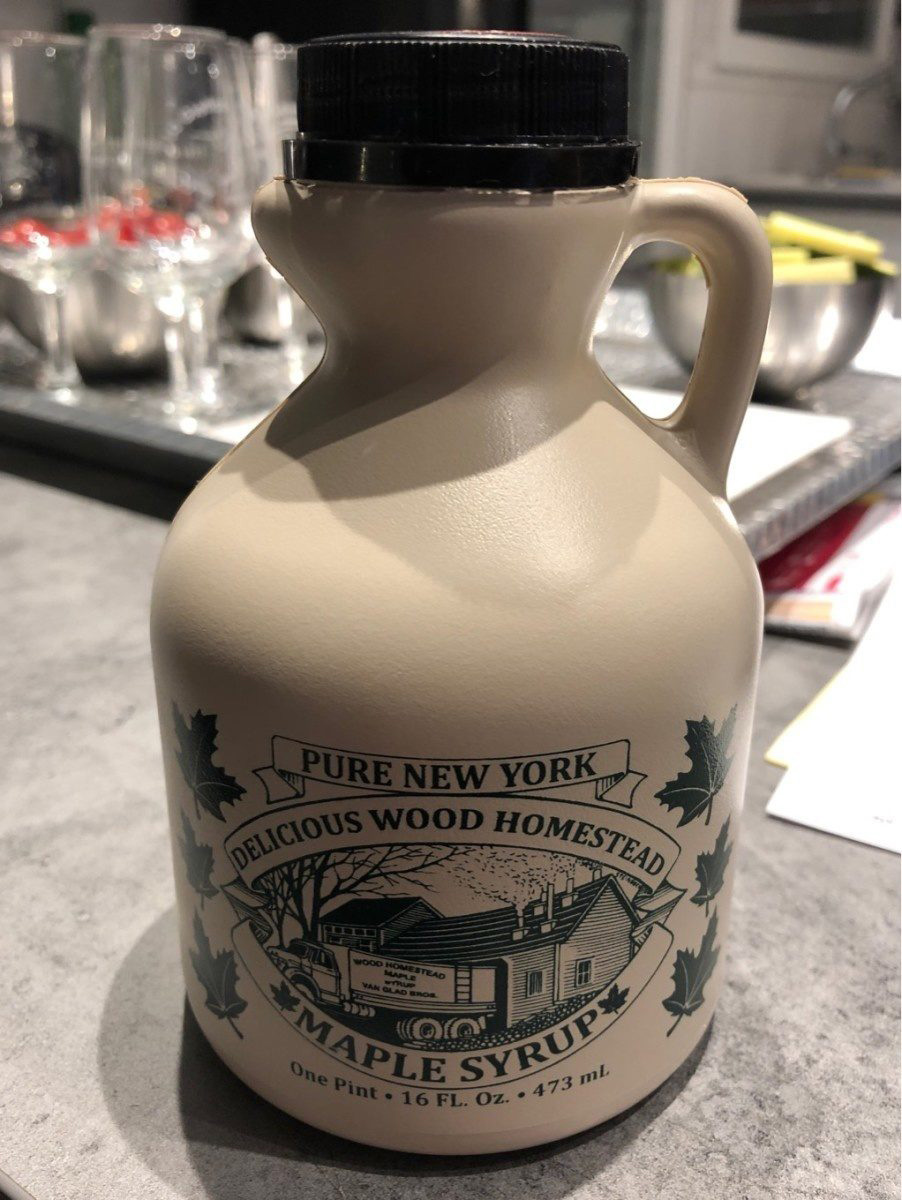
The Quebec Maple Syrup Producers Association (QMSP), which represents the region responsible for approximately 70% of the world’s maple syrup supply, issues a specific warning regarding the iconic beige or grey plastic jugs often sold at farm stands and festivals. While these containers are aesthetically traditional, the plastic used is slightly porous. Over time, oxygen can permeate the walls of the jug, which may lead to darkening of the syrup, flavor degradation, and the eventual development of mold. Consequently, the QMSP recommends that even unopened plastic jugs be stored in the refrigerator to prolong the product’s lifespan.
Post-Opening Protocols and Mold Prevention
Once the factory seal on a container of maple syrup is broken, the product is exposed to ambient air and potential contaminants. Mold spores, which are ubiquitous in the household environment, can easily enter the container. While the high sugar content inhibits most bacteria, certain xerophilic fungi—molds that thrive in low-moisture environments—can colonize the surface of the syrup.
Refrigeration is mandatory once a container is opened. Cold temperatures significantly slow the metabolic rates of mold spores, though they do not stop growth entirely. For consumers who utilize maple syrup slowly, even refrigerated syrup may eventually develop a fungal mat on the surface. In such cases, food safety experts generally recommend discarding the product. While historical "folk" advice suggested skimming the mold and re-boiling the syrup, modern mycological research indicates that some molds produce mycotoxins that can diffuse into the liquid, rendering it potentially unsafe even after boiling.
Freezing: The Gold Standard for Long-Term Preservation
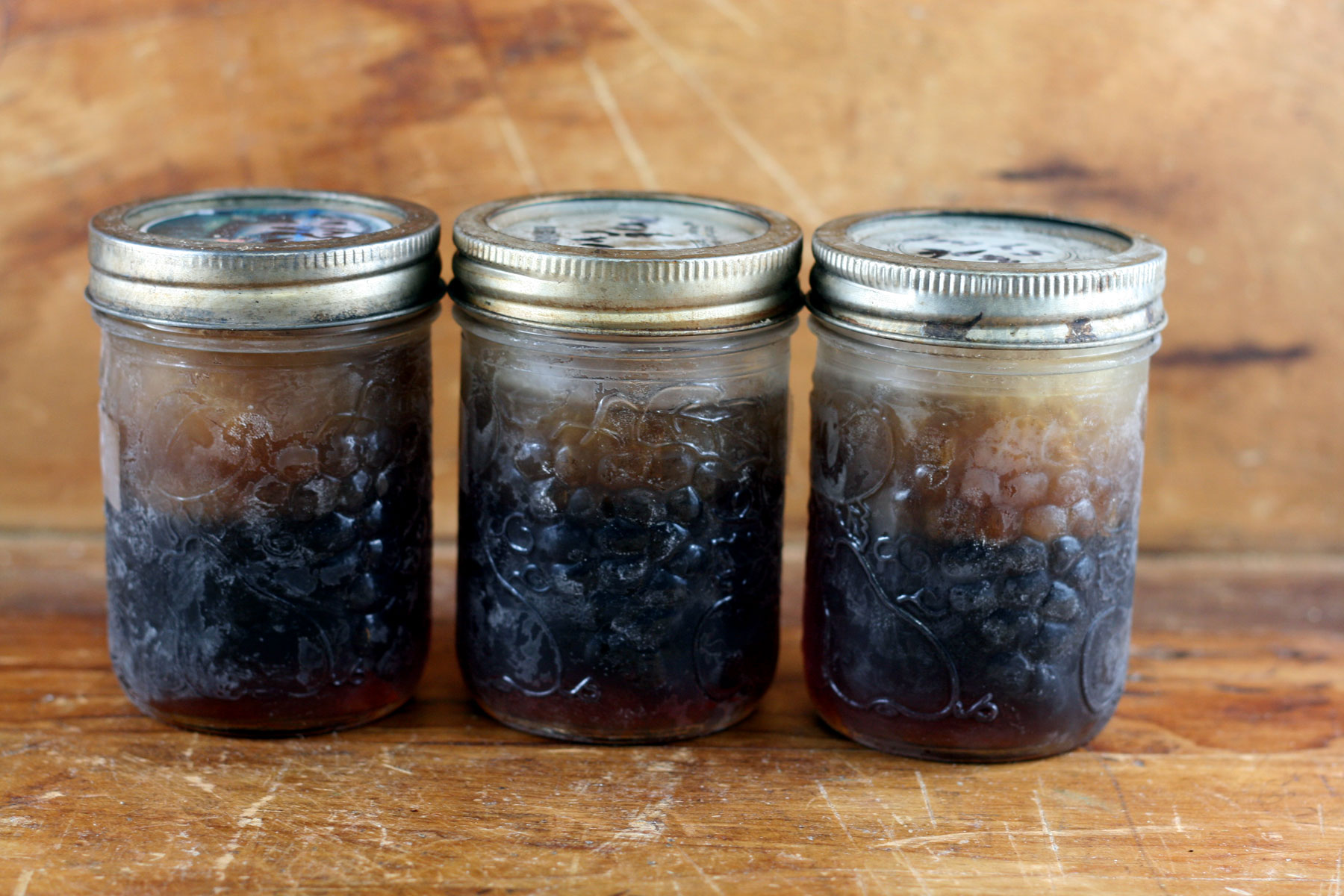
For home consumers seeking to preserve large quantities of maple syrup for a year or longer, freezing is the most effective and recommended method. Unlike water, maple syrup does not freeze into a solid block due to its high sugar concentration. Instead, it becomes highly viscous, taking on a texture similar to thick honey or chilled taffy.
Freezing offers several distinct advantages:
- Absolute Inhibition: It completely halts the growth of mold and yeast.
- Quality Retention: It prevents the subtle flavor changes and darkening that can occur even in refrigerated storage.
- Flexibility: Syrup can be thawed and refrozen multiple times without damaging the product’s molecular structure.
The Vermont Maple Sugar Makers’ Association confirms that multiple freeze-thaw cycles are safe, provided that any condensation forming on the surface after thawing is stirred back into the syrup to maintain uniform density.
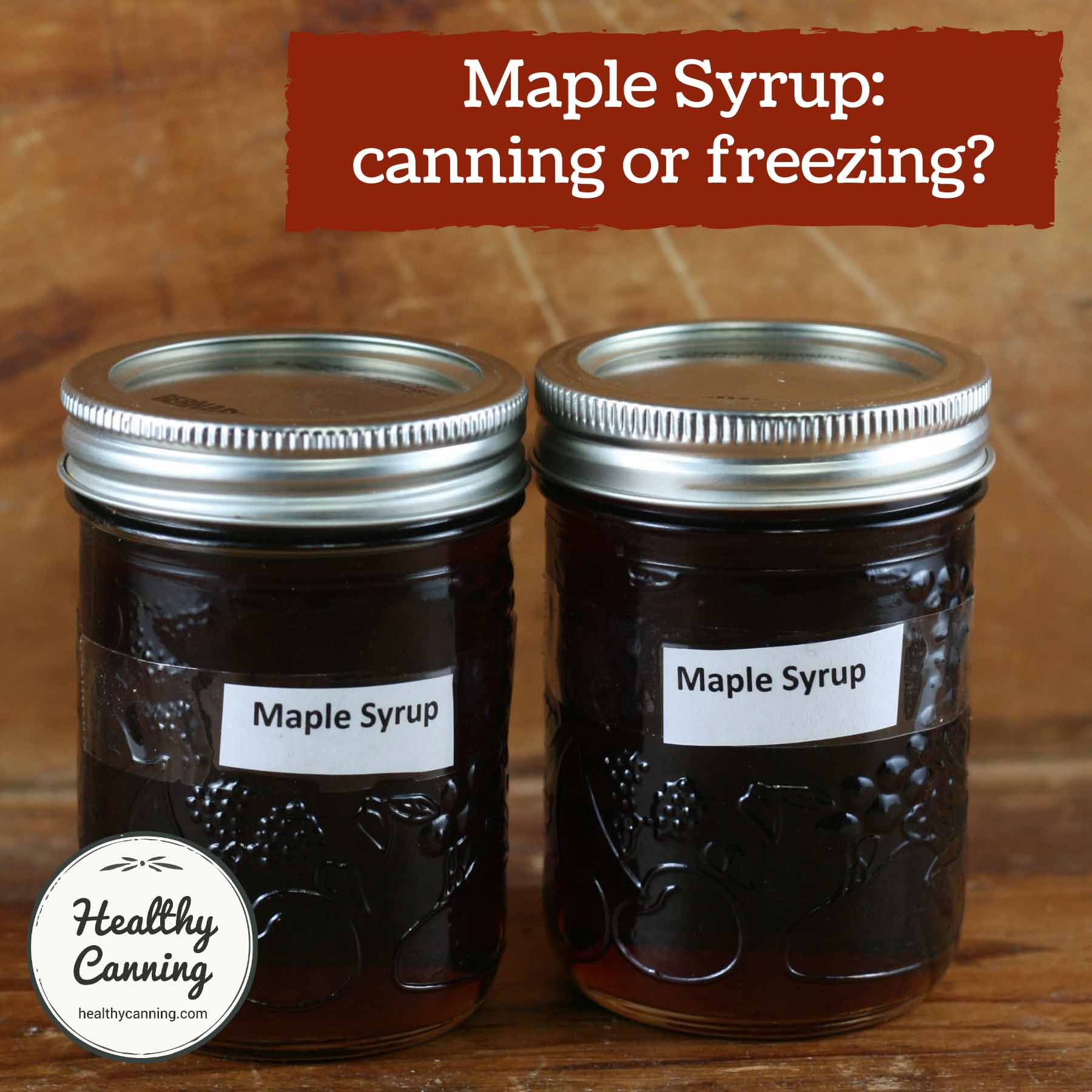
When preparing syrup for the freezer, glass Mason jars are the preferred vessel. Plastic should be avoided for long-term freezing as it may allow for the gradual absorption of freezer odors. According to the National Center for Home Food Preservation (NCHFP), proper headspace is essential to prevent jar breakage. For a quart (1 liter) jar, a headspace of one inch (2.5 cm) is required. For smaller jars, such as pints or half-pints, a headspace of half an inch (1.2 cm) is sufficient. This space allows for the slight expansion of the liquid as it cools without stressing the glass.
The Challenges of Home "Re-Canning"
Many home preservers attempt to "can" maple syrup by heating bulk purchases and sealing them into smaller jars for room-temperature storage. However, university extension services, including those at Ohio State and Purdue, generally discourage this practice for hobbyists due to significant quality risks.
The process used by professional producers is known as "hot packing." This involves heating the syrup to a precise temperature range of 82°C to 85°C (180°F to 185°F) and immediately bottling it. While this temperature is sufficient to kill most vegetative mold spores, it presents several technical hurdles:
1. The Risk of "Stack Burn": If maple syrup is bottled hot and then cooled too slowly, it continues to "cook" inside the jar. This results in a phenomenon known as stack burn, where the syrup darkens significantly and develops a scorched, bitter flavor. Professional operations use rapid-cooling fans to prevent this, a setup rarely found in home kitchens.
2. Sugar Sand (Nitre) Precipitation: Heating syrup above 82°C often causes dissolved minerals—primarily calcium malate—to precipitate out of the solution. This creates "sugar sand," which makes the syrup appear cloudy or leaves a gritty sediment at the bottom of the jar. While harmless, it is aesthetically unappealing and requires professional-grade felt or pressurized filters to remove.
3. Thermal Shock and Vacuum Integrity: Glass jars must be pre-heated to avoid shattering when the scalding syrup is poured in. Furthermore, the "seal" created by hot-packing is a weak vacuum formed by contraction as the liquid cools. Unlike traditional water-bath canning, there is no boiling process to exhaust air from the headspace, meaning some oxygen remains in the jar, potentially allowing heat-resistant mold spores to survive.
Given these complexities, freezing remains the superior recommendation for non-commercial storage, as it bypasses the risks of darkening, cloudiness, and thermal injury.
Chronology of Production and Spoilage
The lifecycle of maple syrup storage begins in the spring (typically February through April), when the "sugar bush" is tapped. It takes approximately 40 gallons of sap to produce a single gallon of syrup. This 40:1 reduction ratio explains the high cost of the product and the subsequent importance of preservation.
A timeline of spoilage under various conditions is as follows:
- Room Temperature (Opened): Spoilage via mold can occur within weeks, depending on ambient humidity and spore exposure.
- Refrigerated (Opened): Quality generally remains high for 6 to 12 months, though mold may eventually appear.
- Frozen (Any State): Quality and safety can be maintained for several years, with virtually no risk of microbial growth.
Broader Implications for Consumers
As consumer preferences shift toward natural, unrefined sweeteners, the maple syrup industry has seen steady growth. Quebec’s "Global Strategic Reserve," maintained by the QMSP, currently holds millions of pounds of syrup to stabilize global prices and ensure supply during poor harvest years. This industrial-scale storage relies on massive stainless steel drums and strict temperature controls, mirroring the principles that home consumers should apply on a smaller scale.
For the individual, the economic impact of spoilage is notable. With pure maple syrup often retailing for $50 to $60 per gallon, the loss of a bulk purchase due to improper storage is a significant avoidable expense. By prioritizing freezing in glass vessels and maintaining strict refrigeration of opened containers, consumers can ensure that the complex, nuanced flavors of this seasonal forest product are preserved from one harvest to the next. Factual adherence to density standards and temperature controls remains the only reliable defense against the natural tendency of this high-sugar liquid to host fungal life.