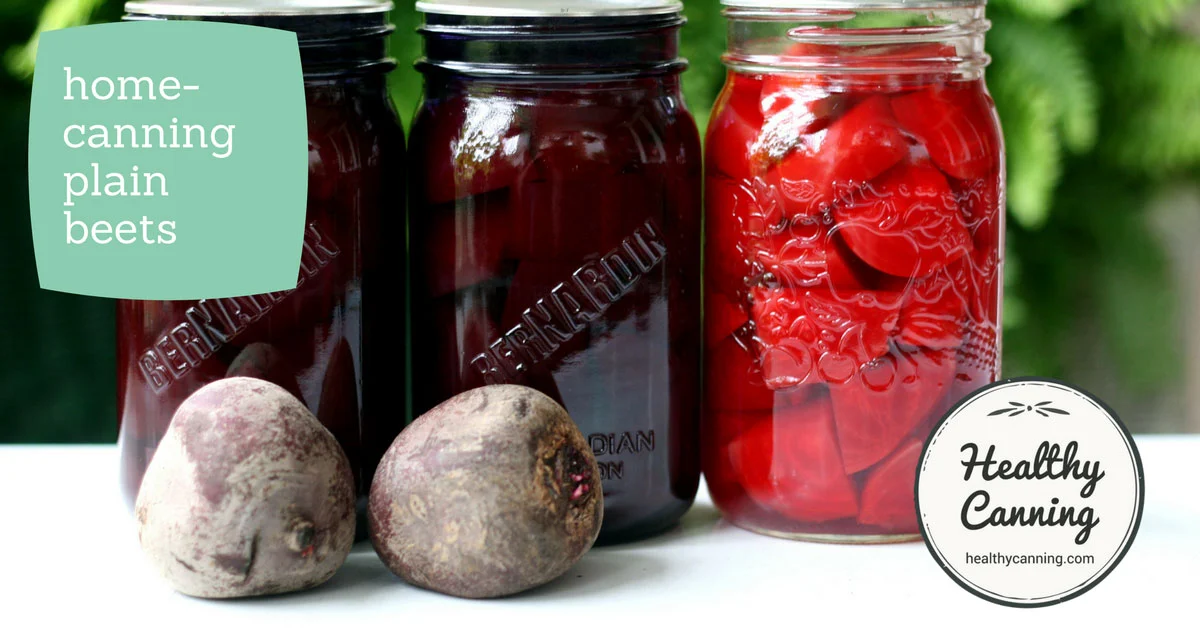

The preservation of home-grown produce remains a cornerstone of food security and culinary tradition, yet the process of canning low-acid vegetables like beets (Beta vulgaris) requires strict adherence to scientifically validated safety protocols. According to the United States Department of Agriculture (USDA) and the National Center for Home Food Preservation (NCHFP), plain beets—referred to as beetroot in various international contexts—must be processed using a pressure canner to eliminate the risk of foodborne illness. While pickled beets can be safely processed in a boiling water bath due to their high acidity, plain beets lack the necessary pH levels to inhibit the growth of Clostridium botulinum, the bacterium responsible for botulism. This comprehensive guide examines the technical requirements, historical context, and safety imperatives of home-canning plain beets to ensure a high-quality, shelf-stable product.
The Essential Role of Pressure Canning in Food Safety
The primary concern in home canning is the prevention of botulism, a rare but potentially fatal paralytic illness. Clostridium botulinum spores are naturally present in soil and on the surfaces of vegetables. In an anaerobic (oxygen-free) environment, such as a sealed canning jar, these spores can germinate and produce toxins if the environment is low-acid. Beets are categorized as a low-acid vegetable, typically possessing a pH level that exceeds the 4.6 threshold required to suppress bacterial activity.

To neutralize these spores, the internal temperature of the food must reach 240°F (116°C), a temperature that can only be achieved under pressure. Boiling water bath canning, which reaches a maximum of 212°F (100°C), is insufficient for plain beets. Historical data from 1990 to 2012 indicates that at least ten individuals in the United States contracted botulism specifically from beets that were improperly processed in a water bath rather than a pressure canner. Experts emphasize that there is no "shortcut" or "acidified" method for plain beets that bypasses the need for a pressure canner; the addition of a small amount of vinegar, a method occasionally found in outdated 20th-century literature, does not lower the pH sufficiently to ensure safety.
Historical Evolution of Canning Guidelines
The recommendations for canning beets have evolved significantly over the last century as microbiological understanding improved. As early as 1926, the USDA’s Farmers’ Bulletin No. 1471 warned of "spoilage difficulties and the risk of poisoning" in non-acid vegetables, advocating for the use of steam-pressure canners. At that time, processing times were slightly longer—approximately 40 minutes for quarts—reflecting a more conservative approach to safety in the early days of domestic pressure technology.
However, during the Second World War, resource shortages led to some confusion. Because metal was rationed for the war effort, pressure canners were difficult to obtain. This led some university extension services to publish "emergency" instructions, such as the "Acid Method," which suggested adding vinegar and boiling beets for 90 minutes in a water bath. Modern food scientists have since debunked these methods, noting that they provide a false sense of security. Current USDA guidelines, last updated in the 2015 Complete Guide to Home Canning, represent the definitive standard for preventing spoilage and ensuring consumer safety.
Technical Specifications and Yield Guidelines
Successful canning begins with the selection of high-quality raw materials. For the best results, home canners should select beets that are approximately 1 to 2 inches (2.5 to 5 cm) in diameter for whole canning. Larger beets, while still safe, should be sliced or cubed to ensure heat penetrates the center of the pieces uniformly during the processing cycle.
On average, a home canner can expect to need approximately 3 pounds (1.25 kg) of beets to fill one quart (1 liter) jar. For a full canner load of seven quarts, roughly 21 pounds of beets are required. If using pint (half-liter) jars, a load of nine pints will require approximately 13.5 pounds of beets. Ten medium-sized raw beets, roughly 3 inches in diameter, weigh approximately 4.5 pounds (2 kg), providing a useful metric for gardeners estimating their harvest yield.
The Preparation Process: From Soil to Jar
The preparation of beets is a multi-step process designed to minimize the "bacterial load"—the amount of bacteria entering the jar—and to preserve the aesthetic quality of the vegetable.
- Cleaning and Pre-cooking: Beets must be washed thoroughly to remove soil. To prevent "bleeding" or significant color loss, the taproot and at least one to two inches of the stem should be left intact during the initial boiling phase. Beets should be boiled in water until the skins slip off easily, which typically takes 15 to 30 minutes depending on the size of the root.
- Peeling and Trimming: Once the beets are tender enough to peel, the skins should be removed and the stems and roots trimmed. The NCHFP mandates that beets be canned peeled. This is not merely an aesthetic choice; the peel carries the highest concentration of soil-borne bacteria, and removing it is a critical safety step in the canning procedure.
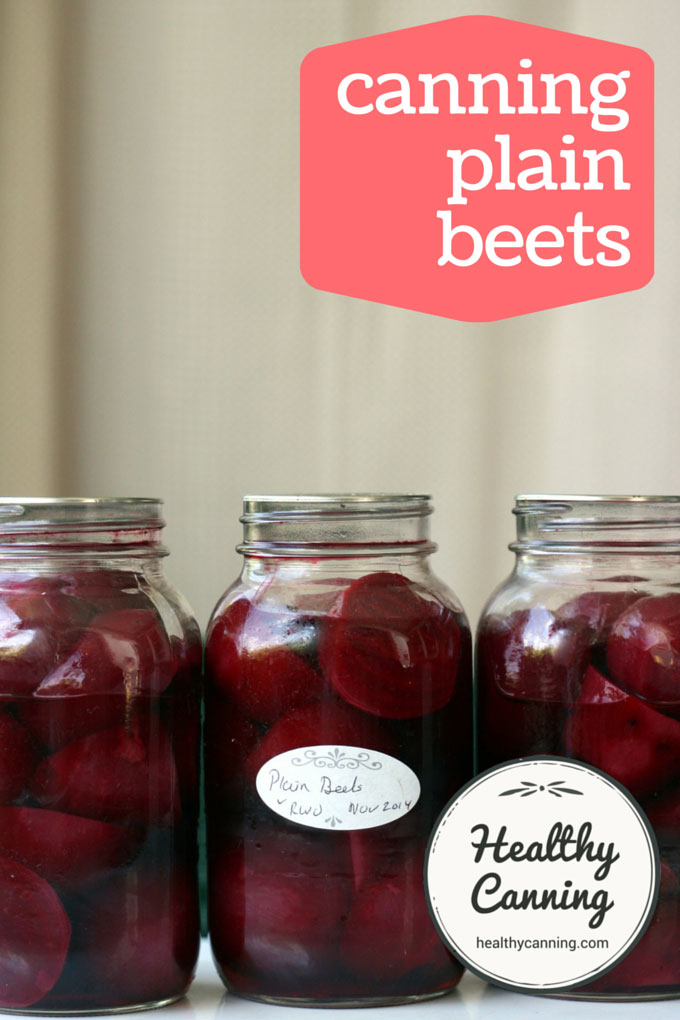
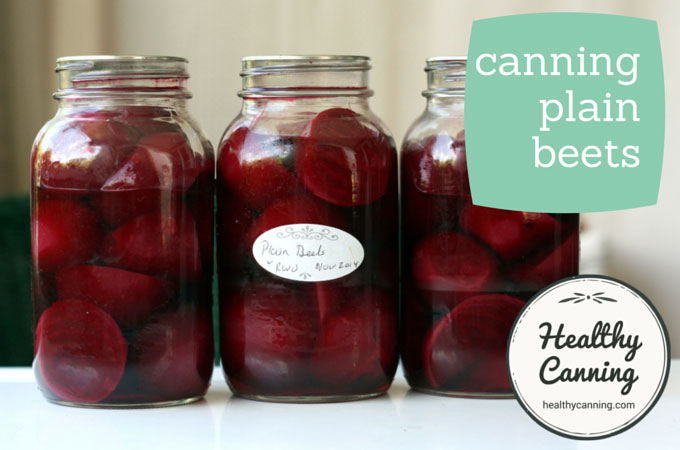
- Hot Pack Method: Beets must be packed into jars while they are still hot. If the beets cool significantly during the peeling process, they should be reheated in boiling water or a microwave before being placed in the jars. The jars are then filled with fresh boiling water, leaving exactly 1 inch (3 cm) of headspace. This headspace is vital for allowing the food to expand during the high-pressure processing without compromising the seal.
Processing Times and Altitude Adjustments
The physics of pressure canning requires adjustments based on the altitude of the user. As altitude increases, the boiling point of water decreases, and atmospheric pressure changes, requiring a higher internal pressure to reach the necessary 240°F.
For those using a weighted-gauge pressure canner:
- 0 to 1,000 feet: Process at 10 pounds of pressure.
- Above 1,000 feet: Process at 15 pounds of pressure.
For those using a dial-gauge pressure canner:
- 0 to 2,000 feet: 11 pounds.
- 2,001 to 4,000 feet: 12 pounds.
- 4,001 to 6,000 feet: 13 pounds.
- 6,001 to 8,000 feet: 14 pounds.
The processing time itself remains constant regardless of altitude: 30 minutes for pints and 35 minutes for quarts. These times begin only once the canner has reached the proper pressure and has been vented for the standard 10 minutes to remove air from the chamber.
Quality Control: Managing Color and Appearance
A common concern among home canners is the loss of the vibrant red color associated with fresh beets. The pigments in beets, known as betalaines, are highly sensitive to the intense heat of pressure canning. It is common for beets to appear pale or even brownish immediately after they are removed from the canner.
However, research from the Penn State Extension indicates that this reaction is often reversible. After a few days of storage at room temperature, the red color frequently "returns" as the chemical structure of the betalaines stabilizes. To maximize color retention, experts suggest choosing specific varieties known for their canning quality, such as ‘Detroit Dark Red’ or the cylindrical ‘Formanova.’ Furthermore, ensuring that the beets are processed as quickly as possible after harvest can help maintain the integrity of the pigments.

Judging Criteria for Home-Canned Beets
For those who participate in agricultural fairs or simply wish to hold their pantry to the highest standards, the NCHFP provides specific judging criteria. High-quality canned beets should exhibit:
- Uniformity: Slices or cubes should be of consistent size to ensure even heat penetration.
- Clarity of Liquid: The liquid in the jar should be a clear red, free from cloudiness or sediment, which could indicate spoilage or improper cleaning.
- Texture: Beets should be firm but tender. Beets over 3 inches in diameter often become fibrous or "woody," which is considered a defect in the finished product.
- Cleanliness: There should be no traces of skin, stems, or roots.
Broader Implications and Nutritional Value
Canning plain beets at home offers significant nutritional and economic benefits. Home-canned beets are remarkably low in sodium compared to their commercial counterparts, as the salt added during the home-canning process is strictly for seasoning and is not a preservative. A 175-gram serving of home-canned beets contains approximately 124 calories, 4 grams of protein, and 3.6 grams of fiber, while remaining virtually fat-free.
Furthermore, the ability to roast home-canned beets in duck fat or toss them into a winter borscht provides a level of culinary flexibility that store-bought options rarely match. By following the rigorous safety standards set by the USDA, home preservers can enjoy the fruits of their labor throughout the winter months, confident in the knowledge that their pantry is stocked with food that is both delicious and scientifically safe. In an era of fluctuating food prices and a renewed interest in self-sufficiency, the mastery of the pressure canner remains an invaluable skill for the modern household.