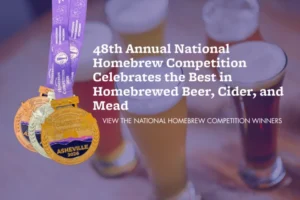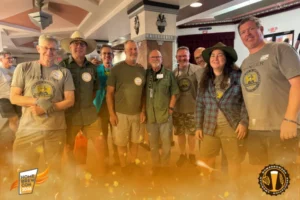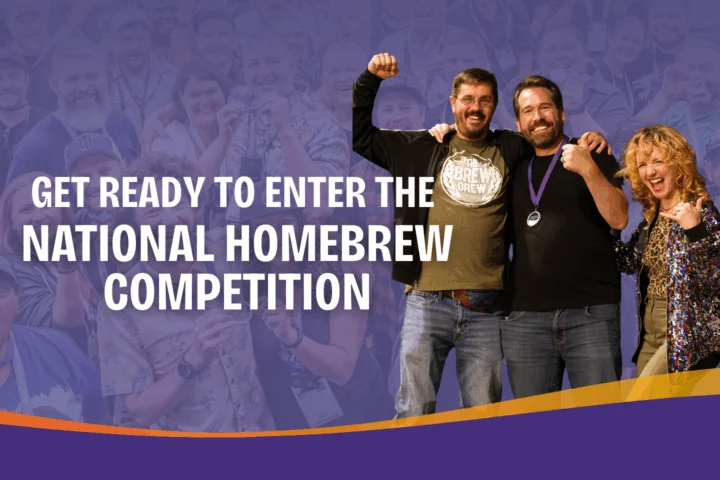

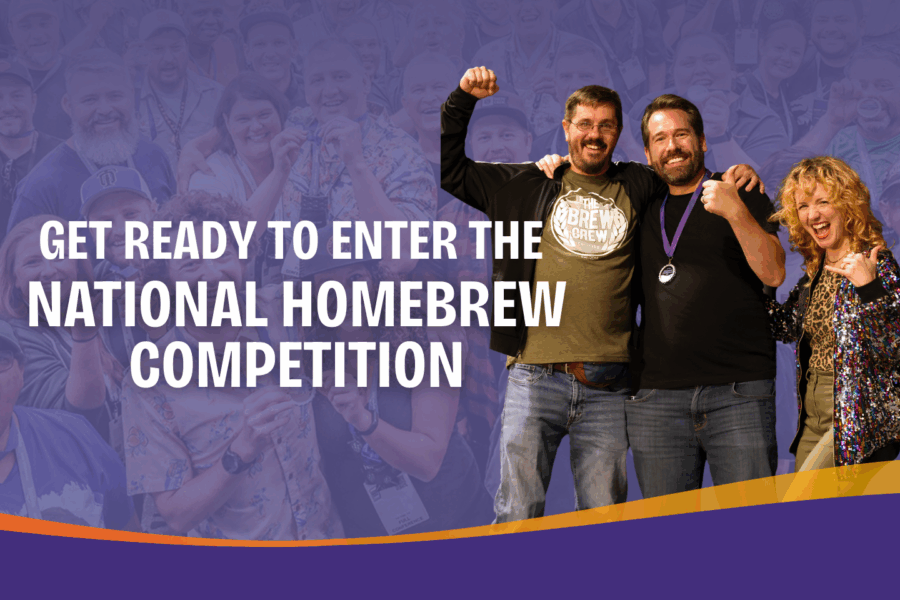
The American Homebrewers Association has officially announced the commencement of preparations for the 2026 National Homebrew Competition, marking the 48th installment of what remains the most prestigious and expansive event of its kind in the global brewing community. Since its inception in 1979, the competition has served as a cornerstone for the amateur brewing movement, providing a platform for enthusiasts to showcase their technical proficiency and creative innovation in the production of beer, mead, and cider. As the organization transitions into a new operational phase following its move to independence in July 2025, the 2026 NHC represents a significant milestone in the evolution of the homebrewing landscape, promising a renewed focus on member-led initiatives and competitive excellence.
The Evolution of a Global Brewing Tradition
The National Homebrew Competition traces its origins back to the foundational years of the modern American craft beer movement. Established just one year after the federal legalization of homebrewing in the United States, the first competition was a modest gathering of pioneers who sought to elevate the quality of fermented beverages produced in domestic settings. Over the ensuing four and a half decades, the event has grown exponentially. According to historical records provided by the American Homebrewers Association, more than 170,000 individual entries have been evaluated by expert judges since the competition’s founding.
This staggering volume of entries reflects the growth of homebrewing from a niche hobby into a sophisticated discipline that has frequently served as the R&D department for the professional craft brewing industry. Many of the most celebrated professional brewers in the world today began their careers by submitting entries to the NHC, seeking the objective, rigorous feedback that has become the competition’s hallmark. The 2026 event aims to continue this legacy, maintaining the high standards of sensory evaluation while adapting to the modern logistical needs of a diverse and international field of competitors.
Navigating the Post-Independence Era
The 2026 competition is particularly noteworthy as it is the first full competition cycle to be managed under the AHA’s new independent structure. In July 2025, the AHA transitioned from its long-standing affiliation with the Brewers Association to become an autonomous entity. This shift was designed to allow the organization to focus more exclusively on the needs of the homebrewing community, led by a dedicated AHA Founding Board and an Events Committee comprised of volunteer member leaders.
The independence of the AHA has led to a revitalization of the competition’s internal processes. Staff and volunteers have reportedly spent the latter half of 2025 auditing previous competition structures to identify opportunities for enhancement. The goal for the 2026 NHC is to streamline the entry process, optimize the regional judging locations, and ensure that the feedback provided to entrants remains the most valuable asset in the homebrewer’s toolkit. This "new era" of the competition is characterized by a "by-brewers, for-brewers" philosophy, emphasizing the grassroots nature of the hobby while maintaining professional-grade administrative standards.
The Role of the Beer Judge Certification Program (BJCP)
A critical component of the NHC’s enduring credibility is its partnership with the Beer Judge Certification Program. The BJCP provides the standardized framework through which every entry is assessed. For the 2026 competition, the support of the BJCP ensures that entries are judged by individuals who have undergone rigorous training and testing in the detection of off-flavors, style accuracy, and technical execution.
The judging process for the NHC is a massive logistical undertaking. It typically involves a two-tiered system designed to filter the highest-quality entries from a vast pool of contenders. In the First Round, entries are judged at regional sites across the United States. Only those that achieve top-tier scores in their respective categories advance to the Final Round. This system not only manages the volume of entries but also ensures that only the most exemplary examples of each style are considered for national medals. The use of standardized BJCP scorecards provides entrants with detailed, actionable feedback, which many participants cite as their primary motivation for entering, regardless of whether they secure a podium finish.
Competition Categories and Technical Scope
The 2026 NHC will continue to embrace a wide spectrum of fermented beverages, categorized into dozens of distinct styles. While the majority of entries historically fall within various beer categories—ranging from traditional European lagers to contemporary American IPAs—the competition also features robust divisions for mead and cider.
- Beer: This includes standard categories such as Pale Ales, Stouts, Porters, and Wheat Beers, as well as more complex categories like Sour Ales, Belgian Strong Ales, and Fruit Beers. The competition often serves as a barometer for current trends in the brewing world, with increased interest in historical styles and experimental techniques.
- Mead: Evaluated on the balance of honey character, sweetness, and acidity, the mead categories include traditional, fruit (melomel), and spiced (metheglin) varieties.
- Cider: Covering both standard and specialty ciders and perries, these categories focus on apple and pear character, tannin structure, and carbonation levels.
The 2026 guidelines will reflect the most recent updates to the BJCP style guidelines, ensuring that the competition remains at the cutting edge of brewing science and sensory standards.
Logistical Timeline and Key Milestones
While the full details of the 2026 competition are slated for release in February 2026, the AHA has provided a preliminary framework for the upcoming cycle. The competition typically follows a structured timeline that spans several months:
- February 2026: Official announcement of the complete competition handbook, including registration dates, category lists, and shipping deadlines.
- Registration Window: Competitors must register their entries through the AHA’s digital portal. Due to high demand, entry slots are often filled rapidly.
- Shipping and Drop-off: Entries are collected at designated regional hubs. This phase requires meticulous coordination to ensure that samples are stored in temperature-controlled environments to preserve their integrity for judging.
- Regional Judging (First Round): Panels of BJCP-certified judges convene to evaluate entries and determine which will advance to the national stage.
- Final Round and Awards Ceremony: The culminating event of the NHC, where the "Best of Show" and gold, silver, and bronze medals are awarded across all categories. This usually coincides with a major gathering of the homebrewing community, providing an opportunity for education and networking.
Data-Driven Insights and Economic Impact
The scale of the National Homebrew Competition provides a unique data set for analyzing the health of the homebrewing movement. With over 170,000 entries over 48 years, the competition serves as a longitudinal study of amateur brewing proficiency. Data from previous years suggests that while entry numbers fluctuate based on economic conditions and hobbyist trends, the technical quality of entries has seen a steady upward trajectory.
The economic impact of the NHC extends beyond the entry fees and medal costs. The competition stimulates significant economic activity within the homebrew supply industry, as participants purchase high-quality malts, hops, yeasts, and specialized equipment to refine their entries. Furthermore, the regional judging sites and the final awards venue generate revenue for local hospitality sectors, including hotels and restaurants. For the 2026 cycle, the AHA’s independent status may allow for more localized economic partnerships, as the organization seeks to engage more deeply with regional homebrew clubs and local businesses.
Broader Implications for the Brewing Industry
The National Homebrew Competition is more than a contest; it is a vital organ of the broader brewing ecosystem. The innovations tested in home kitchens and garages often find their way into the commercial marketplace. By providing a rigorous testing ground for these innovations, the NHC helps drive the entire industry forward.
Moreover, the competition fosters a culture of excellence and education. The requirement for judges to provide detailed feedback creates a feedback loop that elevates the skill level of the entire community. As homebrewers become more educated, they also become more discerning consumers of craft beer, cider, and mead, thereby raising the bar for professional producers.
The 2026 competition arrives at a time when the craft beverage industry is facing various headwinds, including changing consumer preferences and supply chain challenges. In this context, the NHC serves as a stabilizing force, reinforcing the community bonds and the passion for quality that underpin the industry. The AHA’s commitment to making the 2026 event "bigger, better, and bursting with homebrewing glory" is a signal of confidence in the future of the hobby.
Conclusion and Forward Outlook
As the American Homebrewers Association prepares to release the full details of the 2026 National Homebrew Competition in February, the community remains in a state of high anticipation. The transition to an independent AHA, the continued partnership with the BJCP, and the storied history of the event all converge to make the 48th NHC a landmark occasion.
For the thousands of homebrewers currently refining their recipes and monitoring their fermentation temperatures, the 2026 NHC represents the ultimate challenge. It is an opportunity to have their work validated by the best in the field and to contribute to a tradition that has defined the American brewing identity for nearly half a century. The upcoming announcement in February will provide the final roadmap for this journey, setting the stage for another year of competitive excellence and community celebration in the world of homebrewing.