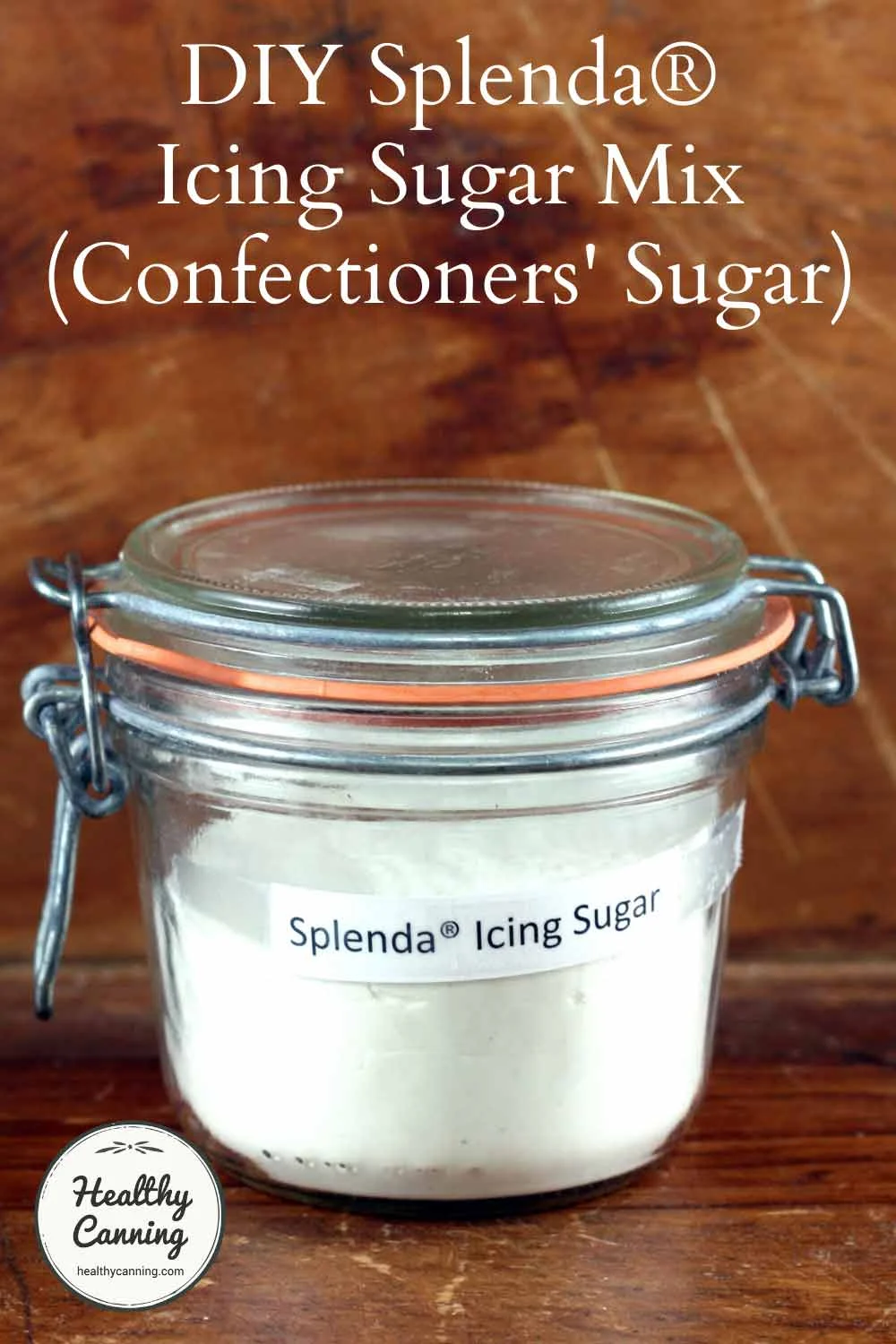

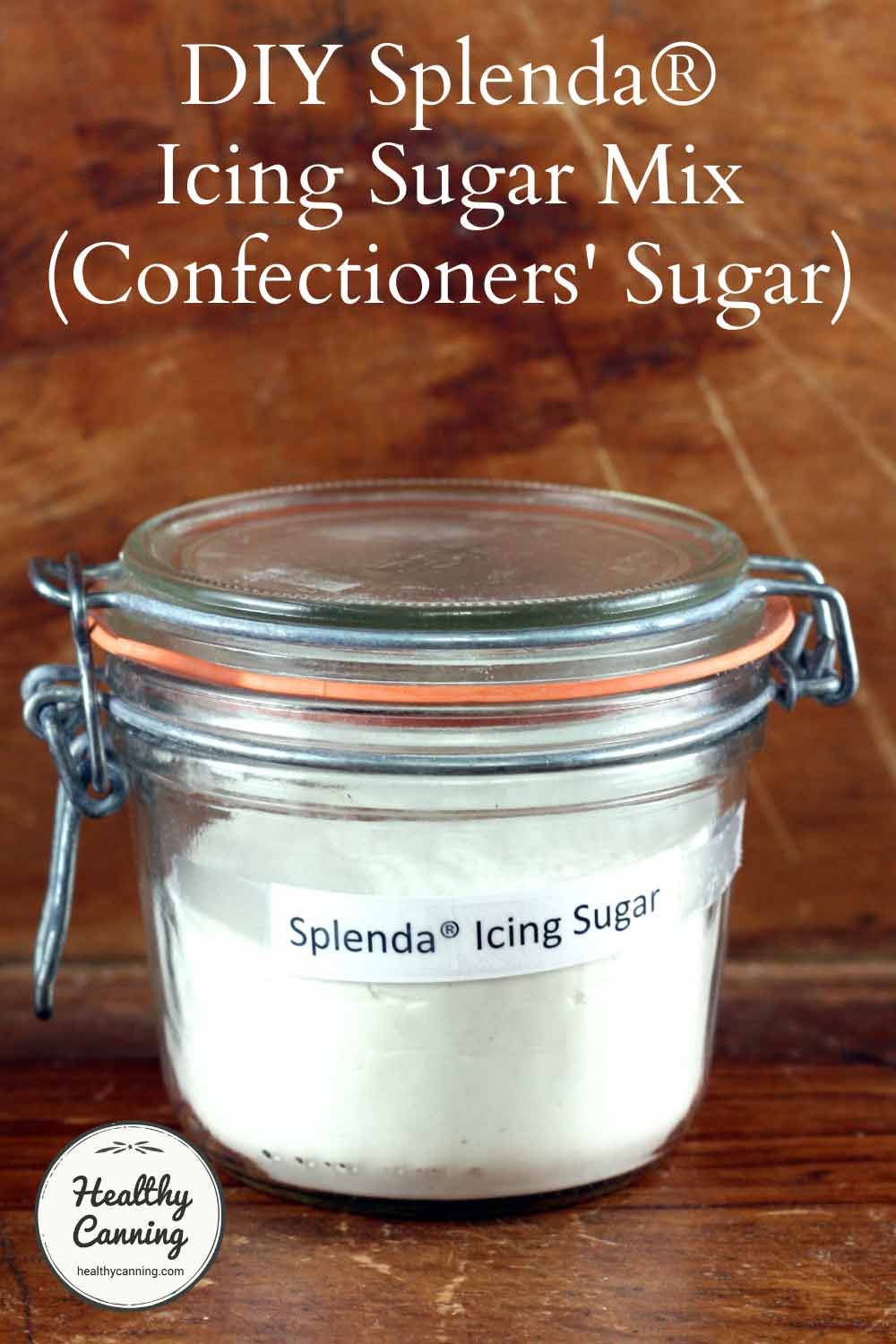
The rising global prevalence of metabolic disorders, particularly Type 2 diabetes and obesity, has catalyzed a significant shift in home culinary practices, leading to an increased demand for low-calorie and low-glycemic alternatives to traditional baking staples. Among these adaptations, the creation of a do-it-yourself (DIY) Splenda icing sugar, also known as confectioner’s sugar, has emerged as a vital technique for home bakers seeking to reduce caloric density without sacrificing the aesthetic and sensory appeal of glazed desserts. This powdered sugar alternative, which can be produced using a high-speed blender and a base of sucralose-based sweeteners, offers a functional solution for creating glazes and toppings that are accessible to those on restricted diets. While traditional confectioner’s sugar relies on the fine pulverization of granulated sucrose, the DIY sucralose version replicates this texture to facilitate the production of thin icings and decorative finishes for cakes, cupcakes, and brownies.
The Technical Methodology of DIY Sweetener Pulverization
The process of converting granulated sucralose into a powder suitable for icing requires a specific mechanical approach to ensure the correct consistency. According to technical guidelines from culinary experts at Healthy Canning, the most effective method involves processing small quantities of the sweetener at a time to maintain uniformity. Specifically, it is recommended to blend between 1 to 2 cups (approximately 25 to 50 grams) of granulated Splenda or a generic sucralose equivalent in a high-speed blender. This incremental approach prevents the heat generated by the blender blades from affecting the chemical stability of the sweetener and ensures that all granules are reduced to a fine, flour-like dust.
The resulting mix yields approximately 2 cups (150 grams) of plain icing sugar substitute, which is sufficient for roughly four batches of standard icing. Unlike traditional powdered sugar, which often contains added cornstarch as an anti-caking agent, this DIY mix is frequently used in its pure form or can be augmented with a small amount of cornstarch or arrowroot powder if long-term storage is intended. However, the primary utility of this mix is its immediate application in creating glazes. Because sucralose does not possess the same structural bulk as sucrose, the resulting mixture is best suited for "glazes"—liquid-based toppings that set into a thin layer—rather than "frostings," which require the volume and aeration properties of real sugar to maintain a thick, buttercream-like peak.
Chronology and Development of Sucralose in the Consumer Market
The ability to create home-made icing sugar from sucralose is the result of decades of food science evolution. The history of sucralose begins in 1976, when researchers at Queen Elizabeth College, University of London, discovered the compound while investigating ways to use sucrose as a chemical intermediate. The discovery was accidental; a researcher allegedly misunderstood an instruction to "test" a chlorinated sugar compound and instead "tasted" it, discovering its intense sweetness.

Following this discovery, the British sugar refiner Tate & Lyle developed sucralose into a viable commercial product. It took over twenty years of rigorous safety testing and regulatory review before the United States Food and Drug Administration (FDA) granted approval for its use in 15 food and beverage categories in 1998. By 1999, the FDA expanded this approval to include sucralose as a "general-purpose sweetener," clearing the way for the brand Splenda to dominate the tabletop sweetener market.
The transition from store-bought specialty items to DIY solutions, such as the powdered sugar mix, gained momentum during the early 2020s. This shift was driven by two primary factors: the increased cost of specialized diabetic food products and the global supply chain disruptions that made niche baking ingredients difficult to find. Home bakers discovered that by applying mechanical force to standard granulated Splenda—which was more readily available—they could replicate the function of expensive, pre-packaged sugar-free powdered sweeteners.
Nutritional Analysis and Diabetic Accessibility
The primary motivation for adopting DIY Splenda icing sugar is the significant reduction in caloric intake and the mitigation of blood glucose spikes. Standard powdered sugar contains approximately 389 calories per 100 grams, consisting almost entirely of simple carbohydrates. In contrast, the DIY sucralose mix drastically lowers these figures.
According to nutritional data provided by the original recipe source, a single batch of icing made with this mix and low-fat margarine (such as "I Can’t Believe It’s Not Butter, Light") contains approximately 35 calories. When compared to a traditional icing batch made with butter and cane sugar, which can exceed 300 to 400 calories depending on the volume, the savings are substantial. Even when using real butter with the Splenda mix, the calorie count remains relatively low at 102 calories per batch.
For the diabetic population, which the International Diabetes Federation (IDF) estimates will reach 783 million people by 2045, these substitutions are more than a dietary preference; they are a medical necessity. Sucralose is not recognized by the body as a carbohydrate and has zero impact on blood glucose or insulin levels. This allows individuals with Type 1 or Type 2 diabetes to enjoy desserts that would otherwise be dangerous to their glycemic control. The DIY mix also includes trace amounts of protein and fiber (approximately 1 gram each per four-batch yield), though these are negligible in the context of a total diet.
Expert Perspectives and Culinary Limitations
While the DIY Splenda icing sugar is a breakthrough for sugar-free baking, culinary professionals note that it behaves differently than sucrose under various conditions. Food scientists point out that sugar provides more than just sweetness; it provides bulk, moisture retention, and the ability to caramelize via the Maillard reaction.
"Sucralose is roughly 600 times sweeter than table sugar," notes a consensus of dietary analysts. "However, the granulated Splenda found in grocery stores is bulked with maltodextrin and dextrose to allow for a one-to-one volume measurement with sugar. When you grind this down into a powder, you are essentially creating a fine dust of these bulking agents and sucralose."
This composition explains why the DIY mix is ideal for glazes. To create a functional icing, the recipe calls for mixing the DIY powder with a fat source (margarine or butter), vanilla extract, and water. A common variation includes adding a teaspoon of unsweetened cocoa powder to create a chocolate glaze. Experts suggest that using a simple fork for mixing is often more effective than electric beaters, as the lack of crystalline structure in sucralose means there is no need to "cream" the mixture in the traditional sense.
Broader Impact and Market Implications
The democratization of sugar-free baking through DIY methods has broader implications for the food industry and public health. As consumers become more adept at creating their own specialized ingredients, the market for high-priced "diabetic-friendly" pre-mixed goods may face downward pressure. This trend aligns with the "clean label" movement, where consumers prefer to control the specific ingredients in their food to avoid unnecessary preservatives often found in commercial sugar-free frostings.
Furthermore, the rise of DIY sweetener mixes reflects a growing economic consciousness. Purchasing a large bag of granulated sucralose and processing it at home is significantly more cost-effective than buying small containers of pre-powdered sugar substitutes, which are often marketed at a premium. This makes healthy eating more sustainable for low-income households, who are statistically at a higher risk for obesity and diabetes.

From a public health perspective, the promotion of such recipes supports the World Health Organization’s (WHO) goal of reducing free sugar intake to less than 10% of total energy intake. By providing tools that allow for the "healthification" of traditional comfort foods like cakes and brownies, health advocates can encourage dietary compliance without the psychological burden of total deprivation.
Future Outlook in Alternative Sweeteners
The DIY Splenda icing sugar recipe also highlights the versatility of modern sweeteners. While sucralose remains a popular choice due to its heat stability and taste profile, the same pulverization technique can be applied to other sweeteners such as stevia or monk fruit. As long as the product is a one-to-one volume replacement for sugar, the mechanical process of creating a powdered version remains consistent.
As nutritional science continues to advance, it is likely that we will see further refinements in these DIY techniques. The integration of various fibers, such as inulin, into home-made powdered mixes may eventually allow home bakers to create sugar-free frostings that have the same structural integrity as their full-sugar counterparts. For now, the DIY Splenda icing sugar mix stands as a testament to the ingenuity of the home cook in the face of modern health challenges, providing a simple, effective, and affordable way to keep the sweetness in life while keeping the calories at bay.