
Darden Restaurants Inc. has concluded its 2026 fiscal year on a historic high, reporting record-breaking annual sales and a robust fourth-quarter performance that significantly outpaced the broader casual dining industry. The company, which serves as the parent organization for some of the most recognizable names in American dining, including Olive Garden and LongHorn Steakhouse, announced that its total annual sales surpassed the $13.2 billion mark for the first time in its corporate history. Central to this growth is the continued momentum of LongHorn Steakhouse, which has achieved a record average unit volume (AUV) of approximately $5.6 million, a testament to the brand’s strategic positioning and operational consistency in a fluctuating economic environment.
For the fourth quarter ending in late May, Darden reported total revenue of $3.72 billion, representing a 13.7 percent increase compared to the same period in the previous year. This growth was mirrored in the company’s bottom line, with adjusted diluted earnings per share (EPS) climbing 22.8 percent to $3.66. On a full-year basis, the company’s performance was equally impressive, with adjusted EPS rising 11.4 percent to $10.64. These figures underscore the resilience of Darden’s multi-brand portfolio, which has managed to navigate inflationary pressures and shifting consumer spending habits with notable success.
LongHorn Steakhouse: A Standout Performer in the Steak Category
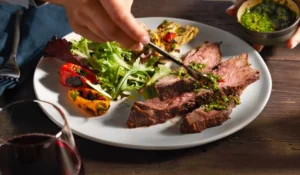
While Darden’s entire portfolio showed growth, LongHorn Steakhouse emerged as the company’s most potent growth engine during the fourth quarter. The brand reported same-restaurant sales growth of 9.5 percent, a figure that outperformed the industry benchmark by more than 800 basis points. This surge in performance contributed to $1.02 billion in quarterly sales for the brand alone, a 22 percent year-over-year increase.
The steakhouse chain’s ability to drive traffic is largely attributed to a decade-long commitment to food quality and value. According to CEO Rick Cardenas, the brand’s investments in high-quality cuts of meat and culinary execution have built a level of guest trust that is now paying dividends. Over the past three fiscal years, LongHorn has achieved a cumulative same-restaurant sales growth of more than 20 percent. This sustained momentum has pushed the brand’s average unit volume to $5.6 million, positioning it as one of the most productive concepts in the casual dining sector.
Furthermore, LongHorn’s segment profit margin expanded by 110 basis points to 21.2 percent, even as the industry grappled with elevated beef prices. Management noted that as retail beef prices at grocery stores continue to rise, the perceived value of a professionally prepared steak at LongHorn becomes increasingly attractive to consumers. This "value gap" has allowed the brand to capture market share from both home-cooking occasions and higher-end fine dining establishments.
Strategic Innovations and Seasonal Success at LongHorn
Beyond its core menu, LongHorn has leveraged social media and seasonal offerings to engage a younger demographic and drive repeat visits. A recent campaign surrounding the return of the brand’s seasonal lamb offering exceeded internal projections. By utilizing teaser posts and high-engagement social media strategies, the chain managed to sell through its expanded lamb inventory in roughly half the time it took during the previous year.
The brand also continues to focus on operational excellence through initiatives like the "Steak Master Series," a company-wide competition that recognizes the skill of its grill masters. This focus on back-of-house execution has resulted in record-high "steak cook-correct" scores, a critical metric for guest satisfaction in the steakhouse segment. By ensuring that every steak is prepared to the guest’s exact specifications, LongHorn has minimized waste and maximized customer loyalty.
Olive Garden’s Evolution: Balancing Tradition with Modern Trends
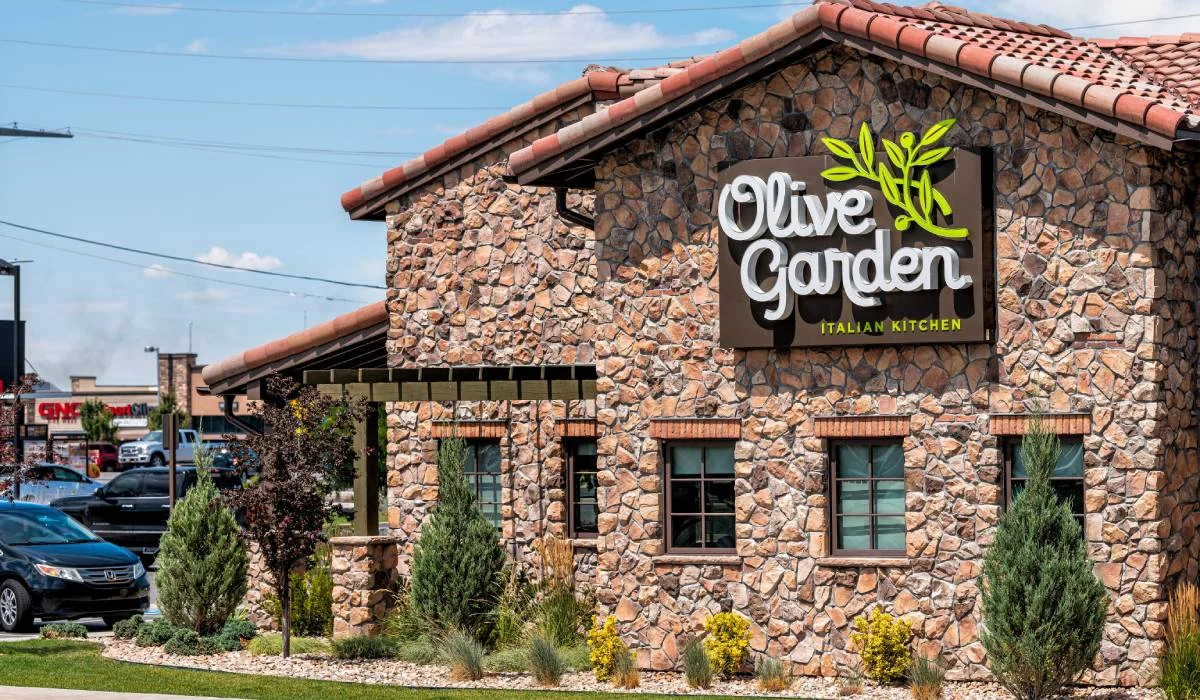
Olive Garden, Darden’s largest brand by both revenue and footprint, also delivered a strong performance, finishing the fiscal year with 4 percent same-restaurant sales growth. In the fourth quarter, the brand saw 2.4 percent growth in same-restaurant sales, supported by positive traffic that outpaced the industry average by approximately 200 basis points.
One of the most significant strategic shifts for Olive Garden this year has been the introduction of the "Lighter Portions" menu. This initiative was designed to address evolving consumer preferences for smaller, protein-focused meals and to reinvigorate the weekend lunch daypart. While the lower-priced entrees created an 80-basis-point headwind to the average guest check, executives emphasized that the trade-off was intentional. The menu has successfully attracted a segment of guests who are now returning more frequently, particularly during weekend lunch hours—a period the brand had previously deemphasized.
Management noted that while Olive Garden is leaning into protein-focused items like Calabrian Steak & Shrimp Bucatini and Hot Honey Chicken, the goal is not to pivot away from its Italian-American roots. Instead, the brand is evolving to meet the "protein-forward" demands of the current market while maintaining its reputation for value and abundance.
The Off-Premises Strategy and the Uber Direct Partnership
In an era where third-party delivery aggregators dominate the restaurant landscape, Darden has maintained a disciplined and unique approach to off-premises sales. Total off-premises sales for Olive Garden accounted for approximately 27 percent of its total business during the fourth quarter.
Darden continues to resist listing its brands on third-party marketplaces like DoorDash or Grubhub, citing concerns over pricing transparency, the loss of customer data, and the potential for a diminished guest experience. Instead, the company has doubled down on its partnership with Uber Direct to facilitate first-party delivery. This model allows customers to order directly through the Olive Garden website or app, while Uber provides the "last-mile" delivery logistics.
This strategy ensures that Darden retains ownership of the customer relationship and avoids the high commission fees associated with third-party marketplaces. First-party delivery through Uber Direct represented 4.7 percent of Olive Garden’s sales during the quarter, a figure that has remained consistent and profitable for the brand.
Portfolio-Wide Results and Capital Allocation
Darden’s diverse portfolio, which includes fine dining and other casual brands, also contributed to the record-setting year:
- Fine Dining Segment: Including The Capital Grille, Eddie V’s, and the recently acquired Ruth’s Chris Steak House, this segment saw same-store sales rise 1.2 percent for the full year and 1.9 percent in the fourth quarter. The integration of Ruth’s Chris has provided Darden with a significant foothold in the high-end steakhouse market, allowing for synergies in purchasing and corporate overhead.
- Other Business Segment: Brands such as Yard House, Seasons 52, Chuy’s, and Cheddar’s Scratch Kitchen saw a 3.9 percent increase in same-store sales for the fiscal year and a 4.6 percent increase in the fourth quarter.
The company’s strong cash flow has allowed it to maintain a shareholder-friendly capital allocation strategy. Darden announced an 8 percent increase in its quarterly dividend to $1.62 per share and authorized a new $1.5 billion share repurchase program. This reflects management’s confidence in the long-term stability and growth potential of the business model.
Fiscal 2027 Outlook and Industry Implications
Looking ahead to fiscal 2027, Darden Restaurants has issued optimistic guidance, forecasting total sales between $13.6 billion and $13.75 billion. The company expects same-store sales growth to land between 2.5 percent and 3.5 percent, with plans to open 75 to 80 new restaurant locations across its various brands.
The success of Darden serves as a barometer for the broader casual dining industry. In a period marked by "menu fatigue" and consumer price sensitivity, Darden’s results suggest that brands with a clear value proposition and a focus on operational consistency can still thrive. The company’s ability to drive record traffic on major holidays—Cardenas noted that Mother’s Day was the highest traffic day in history for both Olive Garden and LongHorn—indicates that consumers are still willing to spend on "trustworthy" dining experiences.
However, challenges remain. Elevated commodity costs, particularly in the beef and poultry sectors, will require continued precision in pricing and supply chain management. Additionally, the labor market remains competitive, though Darden’s scale and "people-first" culture have helped it maintain better-than-average retention rates among restaurant-level management.
Conclusion
Darden Restaurants’ fiscal 2026 performance reinforces its status as a leader in the global restaurant industry. By focusing on the fundamentals—food quality, service speed, and genuine value—the company has managed to turn economic headwinds into opportunities for market share gains. With LongHorn Steakhouse reaching a milestone $5.6 million AUV and Olive Garden successfully navigating a strategic menu evolution, Darden enters fiscal 2027 with significant momentum. As the company continues to expand its footprint and refine its digital and delivery capabilities, it remains well-positioned to define the future of the American casual dining experience.