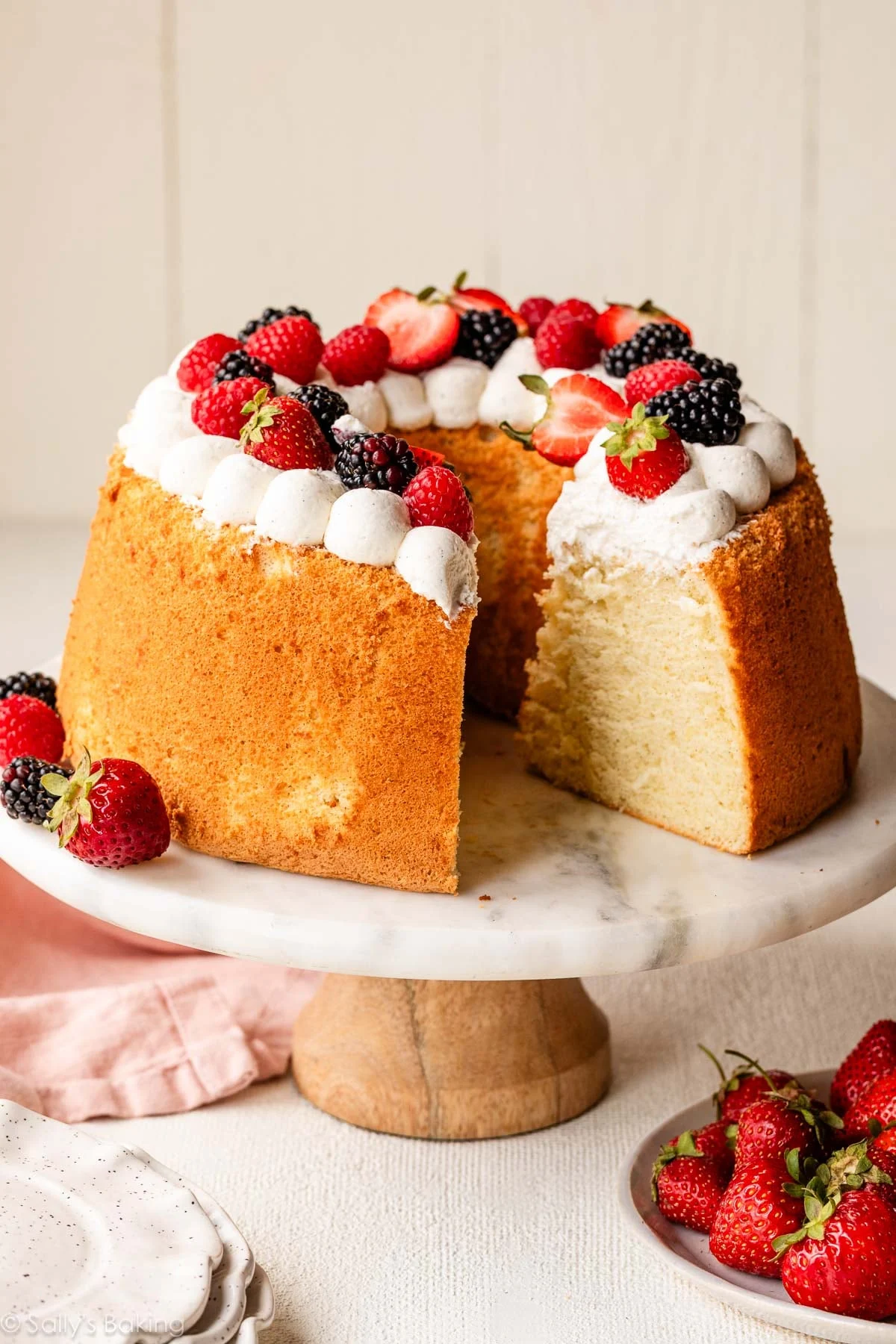

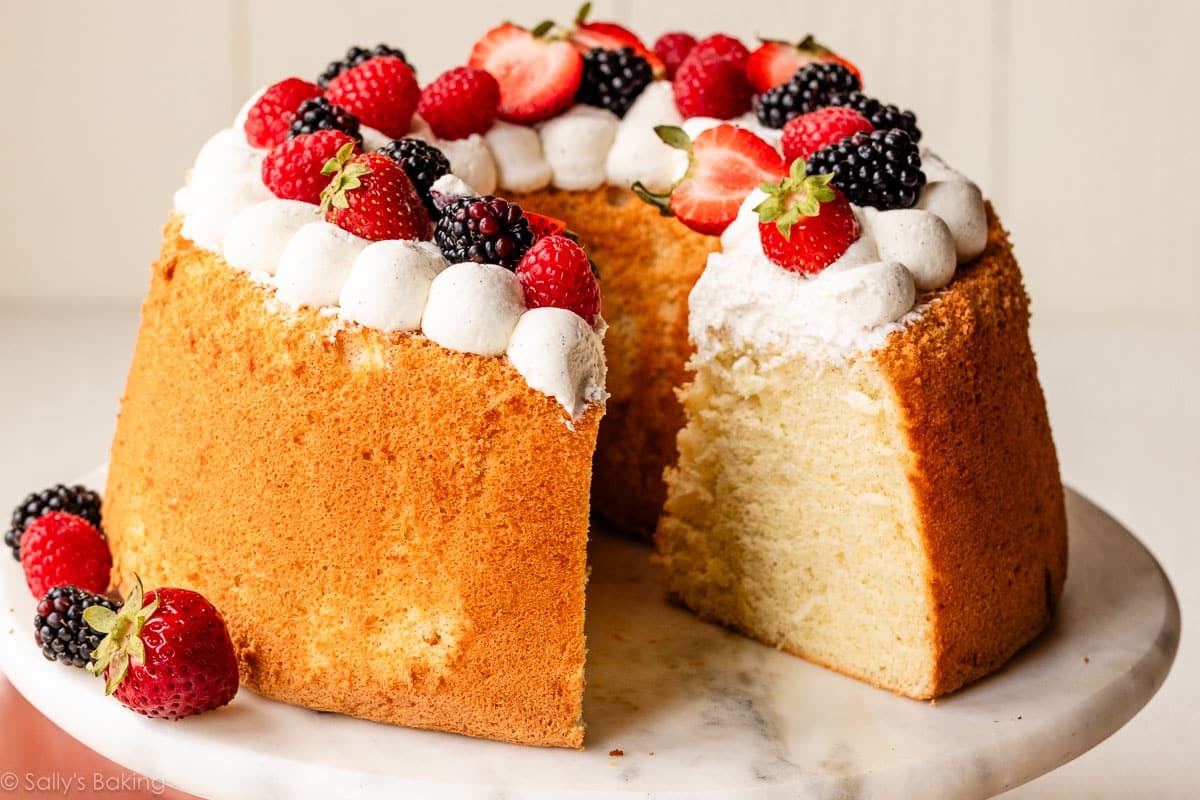
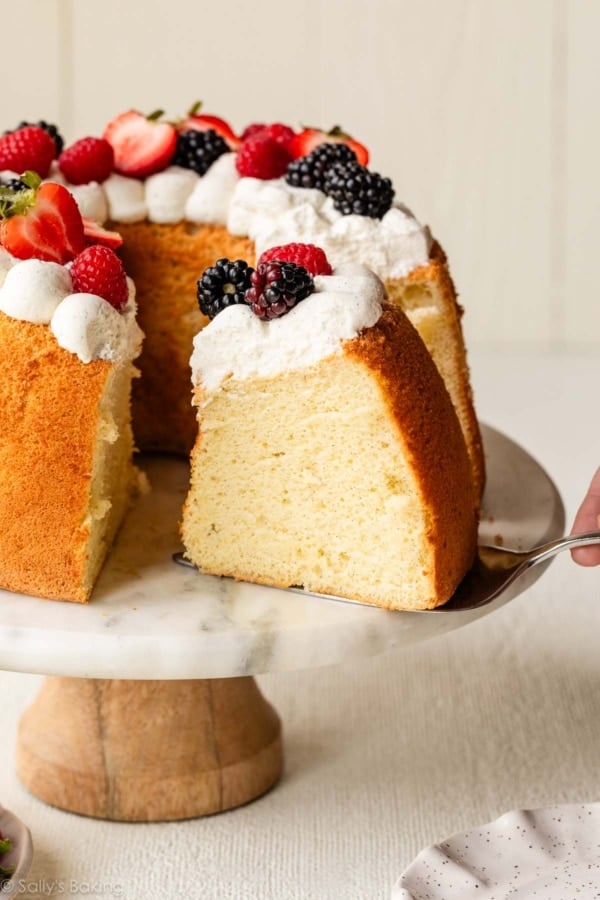
Light as air, wonderfully moist, and delicately rich, the classic chiffon cake stands as one of the most elegant cakes to bake from scratch, embodying a unique fusion of textures and flavors that has captivated palates for decades. This culinary marvel masterfully combines the ethereal, lofty softness characteristic of angel food cake with the profound richness and tender crumb typically found in a traditional butter cake. Its distinctive qualities are attributed to a sophisticated batter that harmonizes the leavening power of meticulously whipped egg whites with the unique moisturizing properties of vegetable oil. The result is a timeless dessert that consistently bakes up tall, fluffy, and exquisitely soft, whether it is presented simply adorned with fresh berries and a cloud of whipped cream or transformed into an impressive, multi-layered centerpiece for grand celebrations.
A Culinary Innovation: The Genesis of Chiffon Cake
The story of the chiffon cake is as intriguing as its texture, rooted in a period of culinary innovation and guarded secrets. It was invented in 1927 by Harry Baker, an insurance salesman turned caterer in Los Angeles. Baker, known for his culinary prowess and secret recipes, developed the cake in his home kitchen, striving for a dessert that was lighter than traditional butter cakes but richer than angel food cake. His innovative use of vegetable oil, rather than butter, was a revolutionary departure from conventional baking wisdom of the time, allowing the cake to remain exceptionally moist and tender without the heaviness associated with butter-based recipes.
For two decades, Baker kept his chiffon cake recipe a closely guarded secret, baking and selling it exclusively to Hollywood celebrities and exclusive restaurants. The cake quickly became a sensation among the elite, who lauded its unparalleled lightness and delicate flavor. Its mystique only grew with its exclusivity, making it a highly sought-after dessert for high-profile events and intimate gatherings alike. This era of secrecy solidified the chiffon cake’s reputation as a sophisticated and unique treat, hinting at the genius behind its creation.
The veil of secrecy was finally lifted in 1947 when Baker sold his recipe to General Mills. Recognizing the immense potential of this extraordinary dessert, General Mills launched a massive marketing campaign, publishing the recipe in Better Homes and Gardens magazine and promoting it through various Betty Crocker channels. This widespread release democratized the chiffon cake, bringing it from the exclusive tables of Hollywood to the kitchens of home bakers across America. The public eagerly embraced the recipe, cementing the chiffon cake’s status as a beloved classic and a testament to American culinary ingenuity. Its introduction marked a significant moment in baking history, offering a new category of cake that appealed to a broad spectrum of tastes and preferences. Culinary historians often point to this event as a key moment in post-war American baking, as it introduced a dessert that was both luxurious and accessible, embodying the aspirations of a new era.
Deconstructing the Chiffon Cake: A Unique Hybrid
At its core, the chiffon cake is an engineering marvel in the world of baking, a perfect equilibrium between the airy structure of a sponge cake and the rich indulgence of a butter cake. This hybrid nature is what grants it its distinctive appeal. Unlike its close relative, the angel food cake, which relies solely on whipped egg whites for its lift and contains no fat, chiffon cake incorporates both egg whites and egg yolks. The addition of egg yolks contributes significantly to the cake’s rich flavor profile and contributes to a more tender crumb, distinguishing it from the slightly drier, chewier texture of angel food cake.
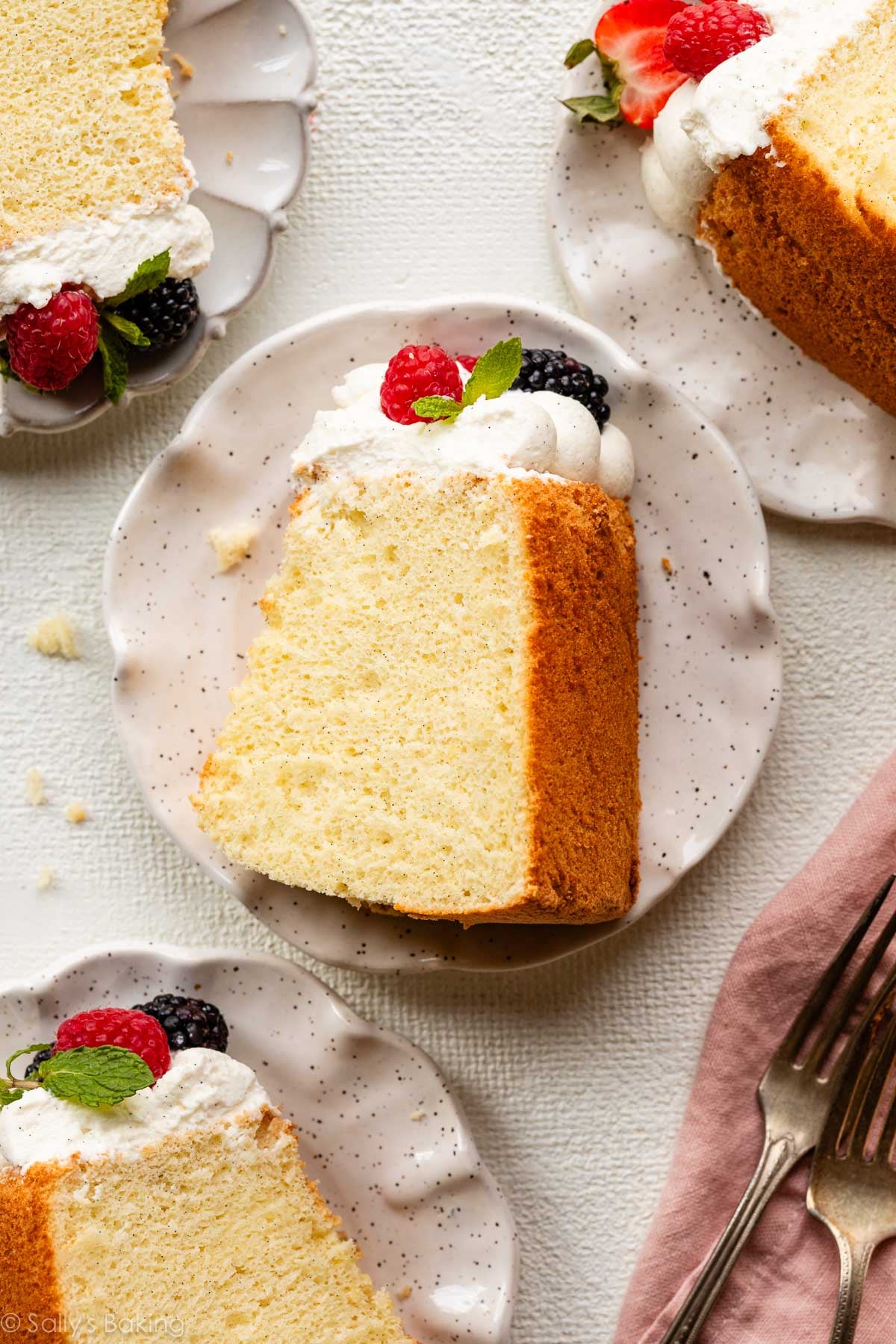
However, the true secret to the chiffon cake’s signature texture lies in the inclusion of vegetable oil. While traditional butter cakes derive their richness and moisture from butter, the use of oil in chiffon cake batters provides several key advantages. Oil, being 100% fat, distributes more evenly throughout the batter and remains liquid at room temperature and even when refrigerated, unlike butter which solidifies. This property ensures that every bite of chiffon cake is exceptionally moist and soft, maintaining its delicate, melt-in-your-mouth texture for days, even under refrigeration. This extended freshness and consistent tenderness are major factors in its enduring popularity, particularly for make-ahead desserts or larger gatherings. Data from various culinary institutes confirm that oil-based cakes generally exhibit superior moisture retention and a longer shelf life compared to their butter-based counterparts, making chiffon cake a practical choice for hospitality and home use alike.
Beyond the fats, chiffon cake also utilizes chemical leaveners like baking powder, further enhancing its lift and creating a fine, even crumb. This works in conjunction with the aeration from the whipped egg whites, resulting in a cake that is remarkably tall and fluffy. Milk is another ingredient often found in chiffon cake recipes, adding additional moisture and richness that complements the other components. The synergy of these ingredients—whipped egg whites for volume, egg yolks for richness, oil for unparalleled moisture, baking powder for lift, and milk for tenderness—creates a cake that is simultaneously light enough for warmer seasons and substantial enough to feel like a truly special dessert. For those seeking a cake that avoids being overly sweet or heavy, the chiffon cake presents an elegant and satisfying alternative, often cited by professional bakers as a masterclass in texture.
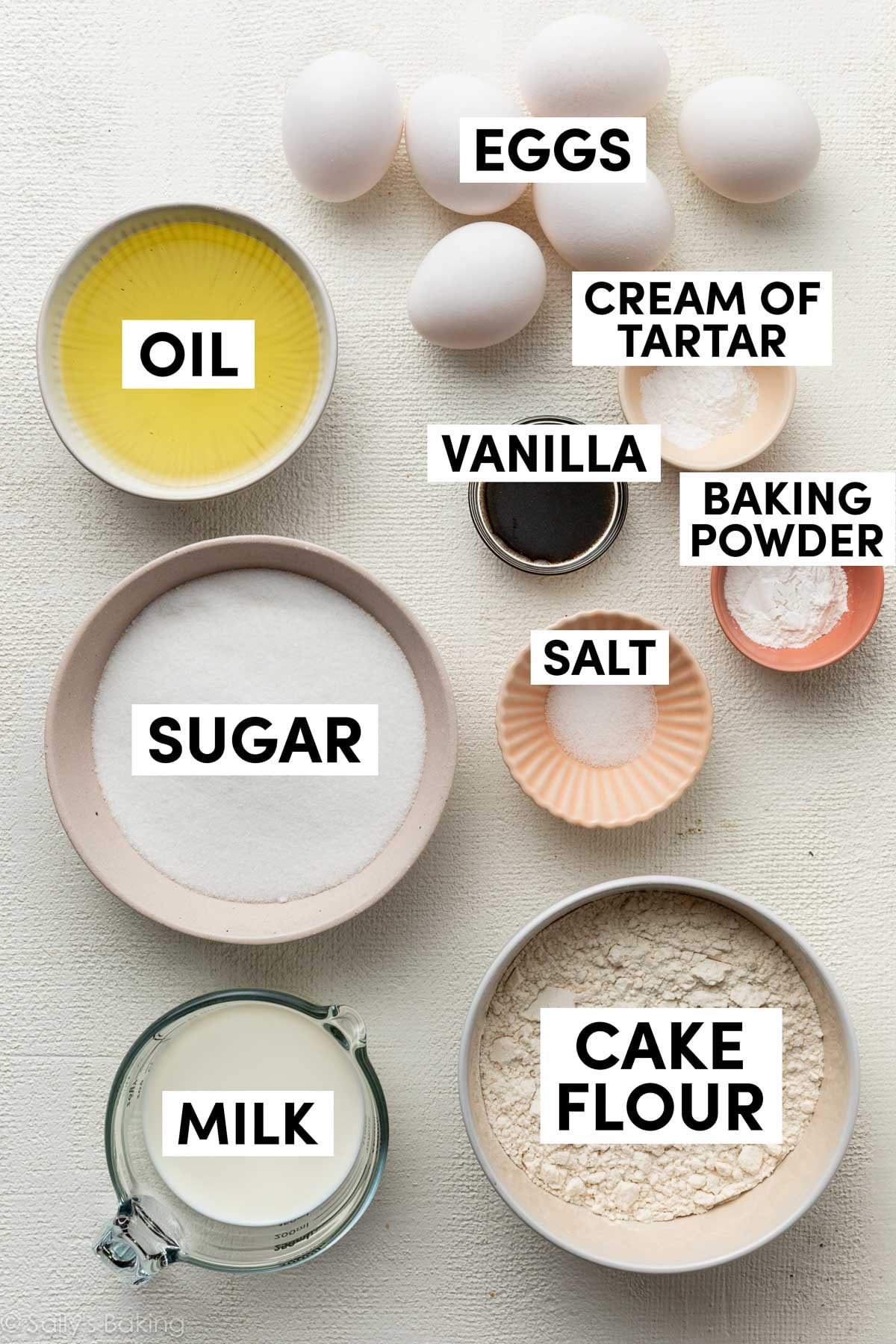
The Science of Lightness and Structure
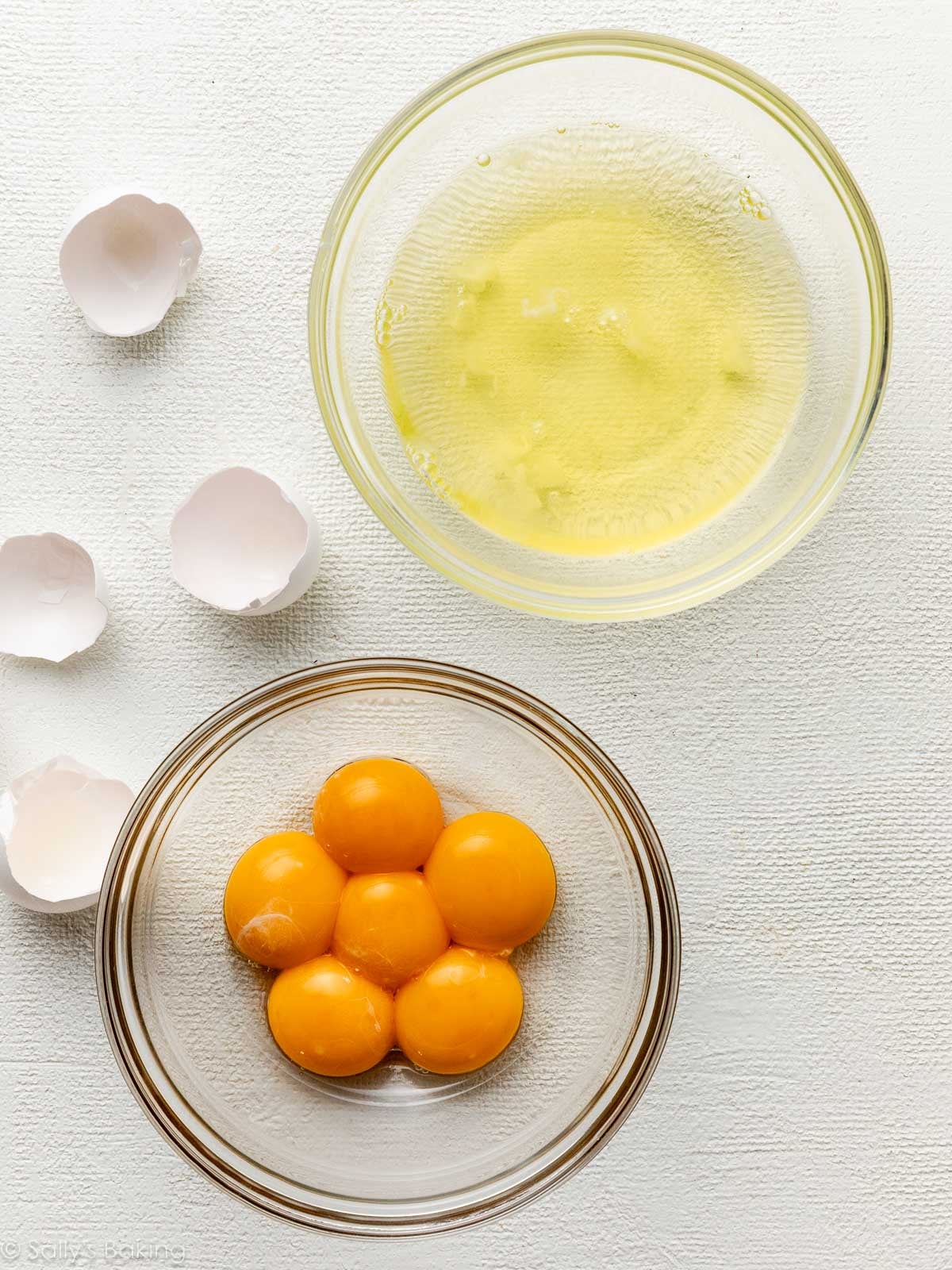
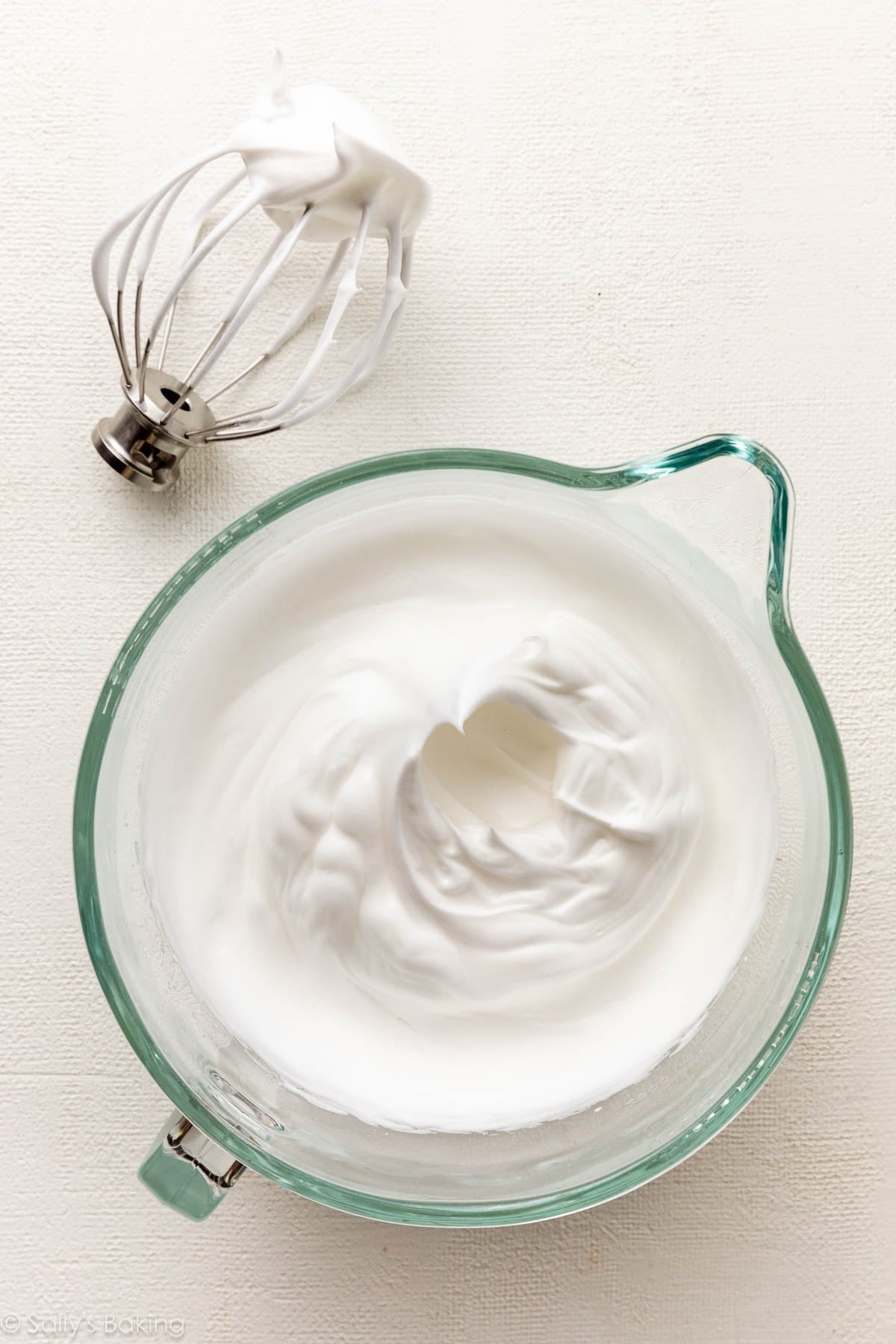
Achieving the characteristic lightness and impressive height of a chiffon cake is a delicate balance of precise ingredient handling and specific baking techniques. The process begins with the careful separation of eggs, a crucial first step that sets the stage for the cake’s unique structure. The egg whites are then whipped with sugar and a stabilizing agent, typically cream of tartar, until they form stiff, glossy peaks. This meringue is the primary source of aeration, trapping air bubbles that expand during baking, thereby providing much of the cake’s signature lift and airy texture. The success of the meringue is paramount; under-whipped whites will not provide sufficient lift, while over-whipped whites can become dry and difficult to fold.
Simultaneously, the egg yolks are combined with oil, milk, and flavorings, forming a rich, liquid base. The dry ingredients, usually a blend of cake flour, sugar, baking powder, and salt, are sifted together. Sifting is not merely for combining; it aerates the flour, preventing lumps and ensuring a finer, more tender crumb in the final cake. Cake flour, with its lower protein content, is often preferred for chiffon cakes as it contributes to a softer, more delicate texture compared to all-purpose flour. This precise engineering of ingredients is a hallmark of the chiffon cake, distinguishing it from simpler sponge varieties.
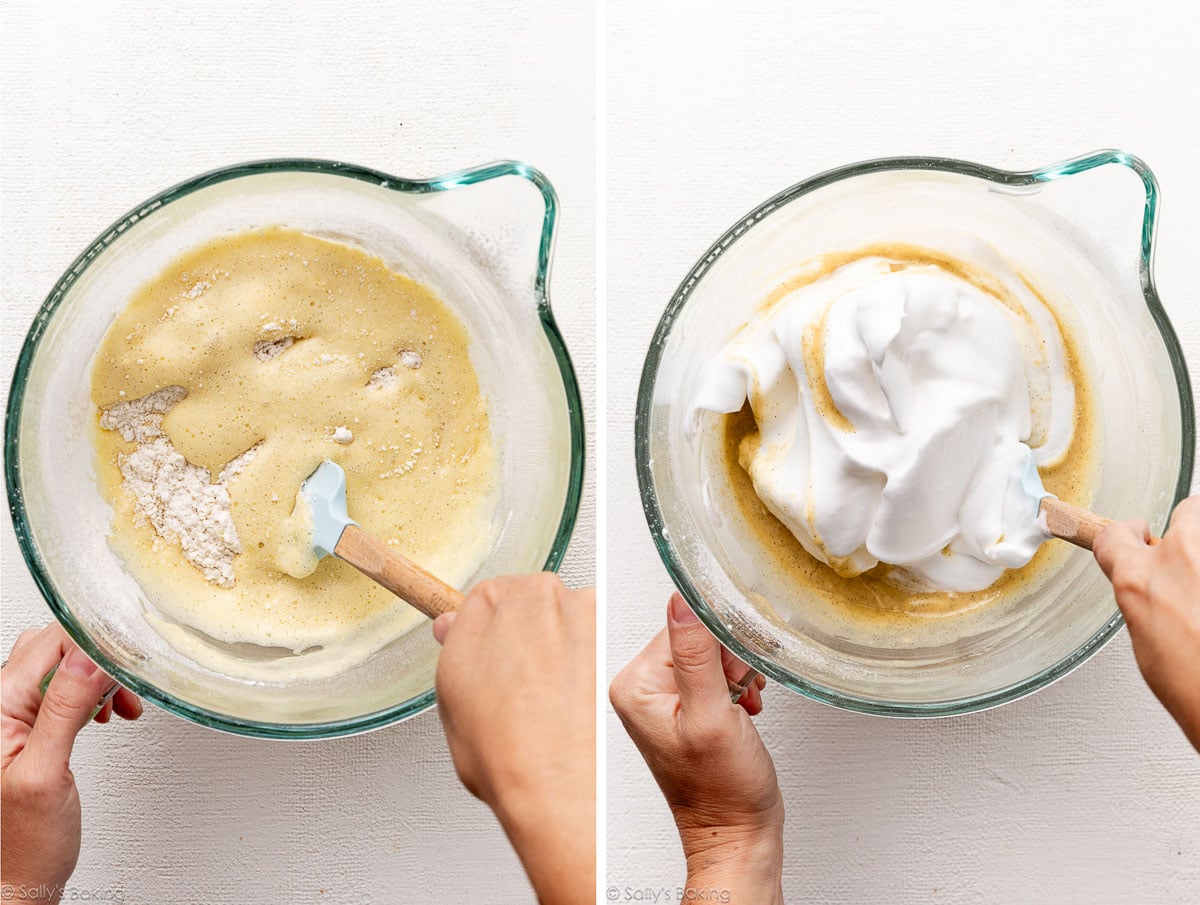
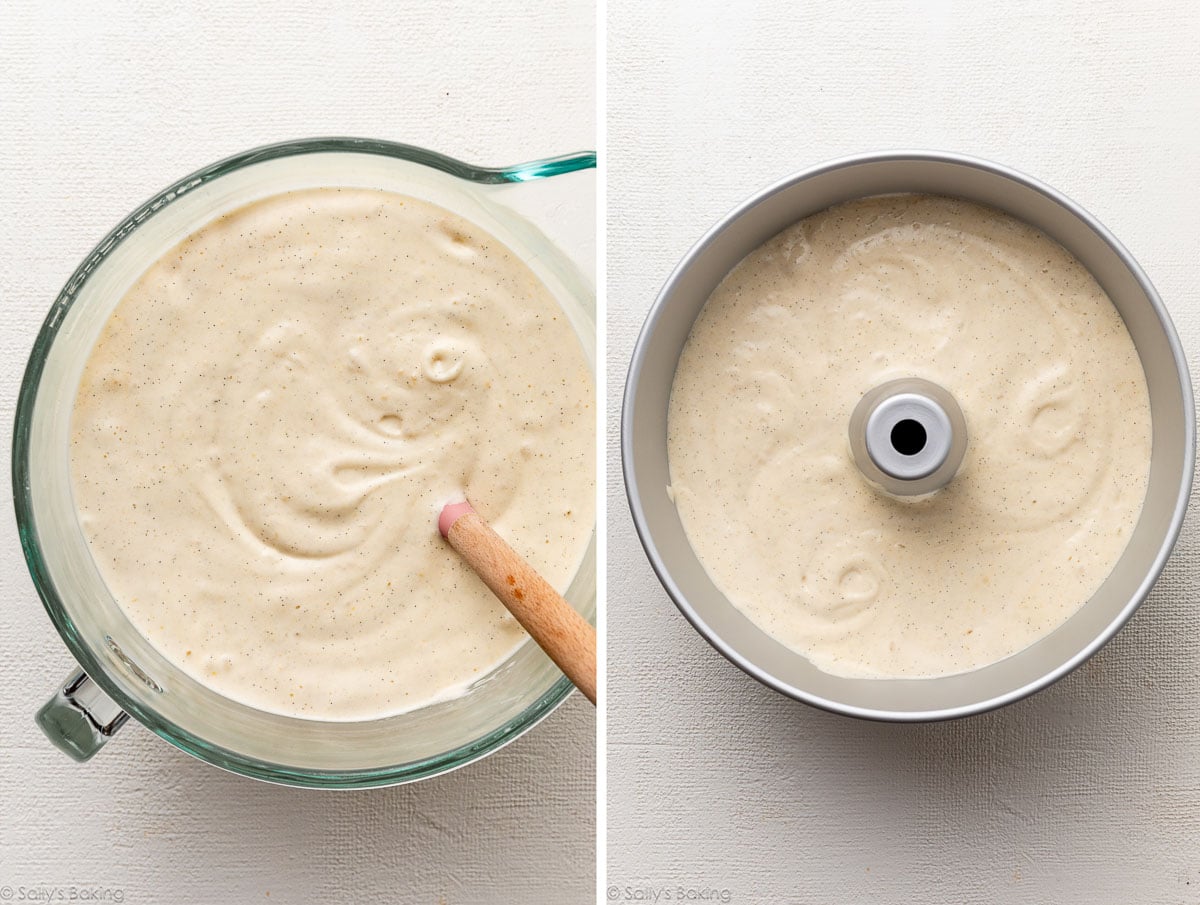
The magic truly happens during the folding stage. The whipped egg whites are gently folded into the heavier egg yolk batter. This step requires a light hand to incorporate the two mixtures without deflating the carefully introduced air from the meringue. Beginning with a smaller portion of egg whites helps to lighten the denser yolk batter, making it easier to incorporate the remaining meringue. The goal is a homogenous batter that retains as much air as possible, ensuring the cake rises beautifully. Overmixing at this stage is a common pitfall, leading to a dense, tough cake, a fact often emphasized in culinary school curricula for sponge and foam cakes.
The choice of baking vessel is another critical factor. Chiffon cake is traditionally baked in an ungreased tube pan. This seemingly counterintuitive instruction is vital for the cake’s structural integrity. The batter needs to "cling" to the sides of the pan as it rises, using the ungreased surface for traction to achieve its impressive height. If the pan were greased, the batter would slide down, resulting in a shorter, denser cake. The central tube of the pan also plays a functional role, allowing heat to circulate more evenly through the thick batter, ensuring uniform baking from the center to the edges and preventing the exterior from over-baking before the interior is fully cooked.
Finally, the cooling process is as important as the baking itself. Upon removal from the oven, the tube pan must be immediately inverted. This technique prevents the delicate, freshly baked structure from collapsing under its own weight as it cools and sets. The cake hangs suspended, allowing the crumb to stabilize and firm up, preserving its lofty volume. Skipping this step can lead to a deflated cake, a common disappointment for novice bakers. Adherence to these key steps—from the meticulous whipping of egg whites to the proper cooling—is the cornerstone of a perfectly executed chiffon cake, yielding a dependable classic that consistently delights with its impressive appearance and exquisite texture.
Versatility in Presentation and Flavor
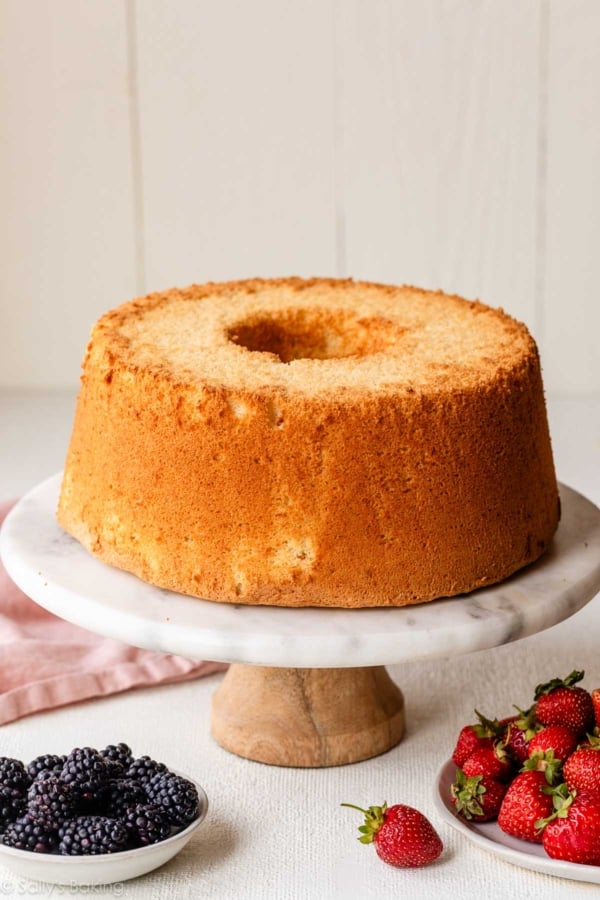
One of the chiffon cake’s most endearing qualities is its remarkable versatility, allowing it to adapt effortlessly to various serving styles and flavor pairings. While delicious in its purest form, often enhanced with a simple dusting of confectioners’ sugar, its delicate canvas invites a myriad of accompaniments. A classic and universally adored pairing involves fresh berries and a generous dollop of whipped cream, which beautifully complements the cake’s lightness without overpowering its subtle richness.
For those seeking a topping with a bit more structure and stability, a cream cheese whipped cream offers an excellent alternative. This variation, akin to a lighter whipped frosting, provides a creamy tang that harmonizes exquisitely with the cake’s gentle sweetness. Its pipeable consistency also allows for more decorative presentations, making it suitable for more formal occasions. Beyond traditional whipped cream, the chiffon cake pairs wonderfully with a diverse range of flavors. Options include vibrant lemon curd for a zesty counterpoint, rich chocolate ganache for a decadent touch, or a light fruit glaze to enhance its inherent fruitiness. Tropical fruit toppings, such as mango or passion fruit, also find a natural home atop this airy cake, adding a refreshing burst of flavor. This adaptability has made chiffon cake a global phenomenon, with regional variations incorporating local fruits and flavors, particularly popular in East and Southeast Asian culinary traditions.
The inherent sturdiness of chiffon cake, despite its light texture, also makes it an exceptional foundation for elaborate layer cakes. It holds up well to stacking and filling, making it a favorite for celebratory desserts. Bakers can either slice a single tube cake horizontally into multiple layers or bake the batter in several round cake pans, typically three 8-inch pans, to create a multi-tiered masterpiece. This adaptability allows for endless creative possibilities, from elegant wedding cakes to vibrant birthday confections, each benefiting from the chiffon cake’s unique balance of lightness and structural integrity. Its capacity to be both a humble, everyday treat and a show-stopping centerpiece underscores its enduring appeal in the culinary landscape, demonstrating its functional superiority over more fragile cake bases.
Chiffon Cake in the Modern Kitchen: Tips for Success
While the chiffon cake is a classic, its preparation involves specific techniques that, when mastered, guarantee consistent success. Modern bakers can benefit from understanding these nuances to achieve the perfect balance of height, moisture, and tenderness. The journey to a flawless chiffon cake begins with meticulous attention to detail during the initial stages.
Firstly, precise measurement of ingredients is non-negotiable. Unlike some more forgiving recipes, the ratios in a chiffon cake are carefully calibrated to achieve its unique structure. Using a kitchen scale for flour and sugar can significantly improve accuracy, a practice increasingly advocated by professional pastry chefs. Secondly, the quality and temperature of ingredients matter. Room temperature eggs separate more easily, and their whites whip to greater volume. The inclusion of cream of tartar, an acidic salt, helps stabilize the whipped egg whites, allowing them to reach stiff, glossy peaks without breaking down, a crucial factor for the cake’s lift.
The technique of whipping egg whites is paramount. They should be whipped until stiff peaks form—meaning when the whisk is removed, the peaks hold their shape firmly and do not droop. However, over-whipping can lead to dry, crumbly whites that are difficult to fold in and can result in a coarse texture. Conversely, under-whipped whites will not provide enough aeration, leading to a dense cake. A common mistake is to be too aggressive when folding the meringue into the yolk mixture. This delicate process requires a gentle hand, ideally with a large rubber spatula, to preserve the air bubbles that contribute to the cake’s airy texture. A few streaks of white are acceptable initially; the key is to avoid overmixing, which will deflate the batter. This is a primary point of emphasis in advanced baking courses concerning aeration techniques.
The choice of pan and its preparation are equally critical. As noted, a 10-inch tube pan is the traditional and recommended vessel, and it must not be greased. Greasing the pan prevents the batter from climbing the sides, hindering the cake’s rise. For those without a tube pan, baking the batter in three 8-inch round cake pans is a viable alternative, creating distinct layers suitable for stacking. However, Bundt pans are explicitly advised against due to their intricate designs, which make it extremely difficult to remove the delicate chiffon cake intact, leading to potential breakage and frustration.
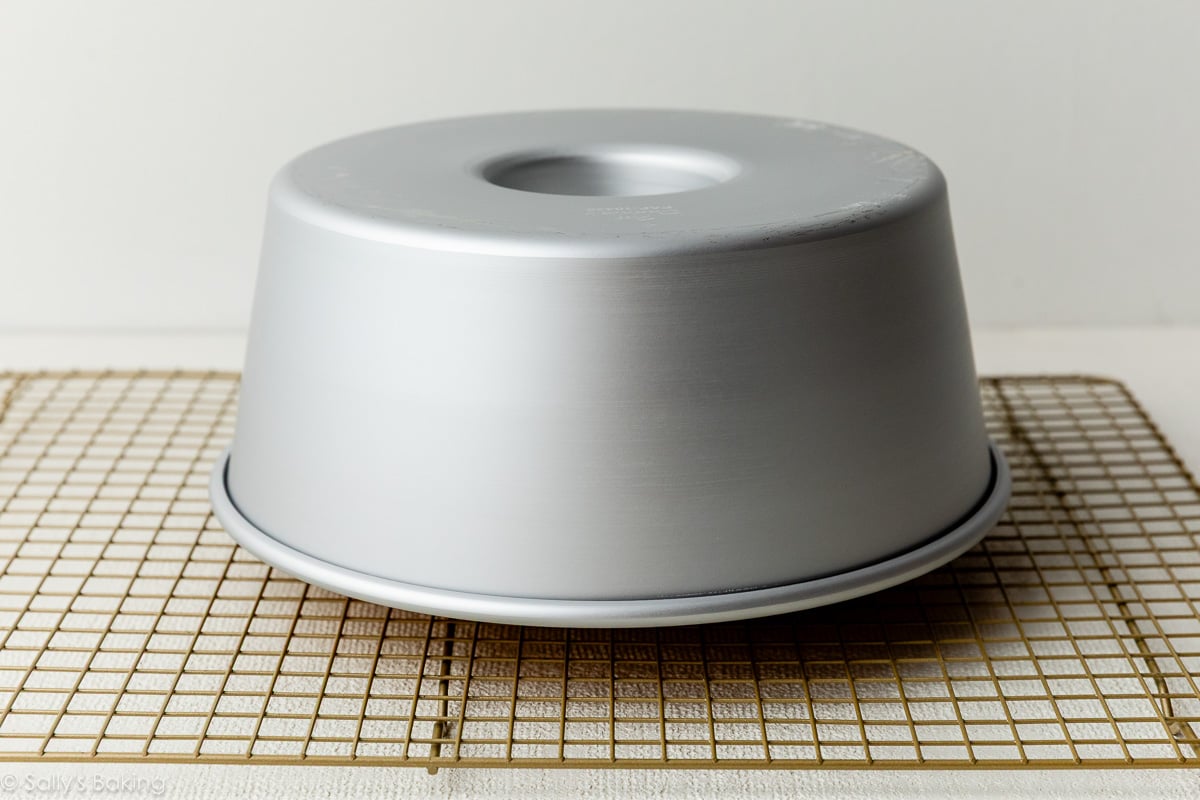
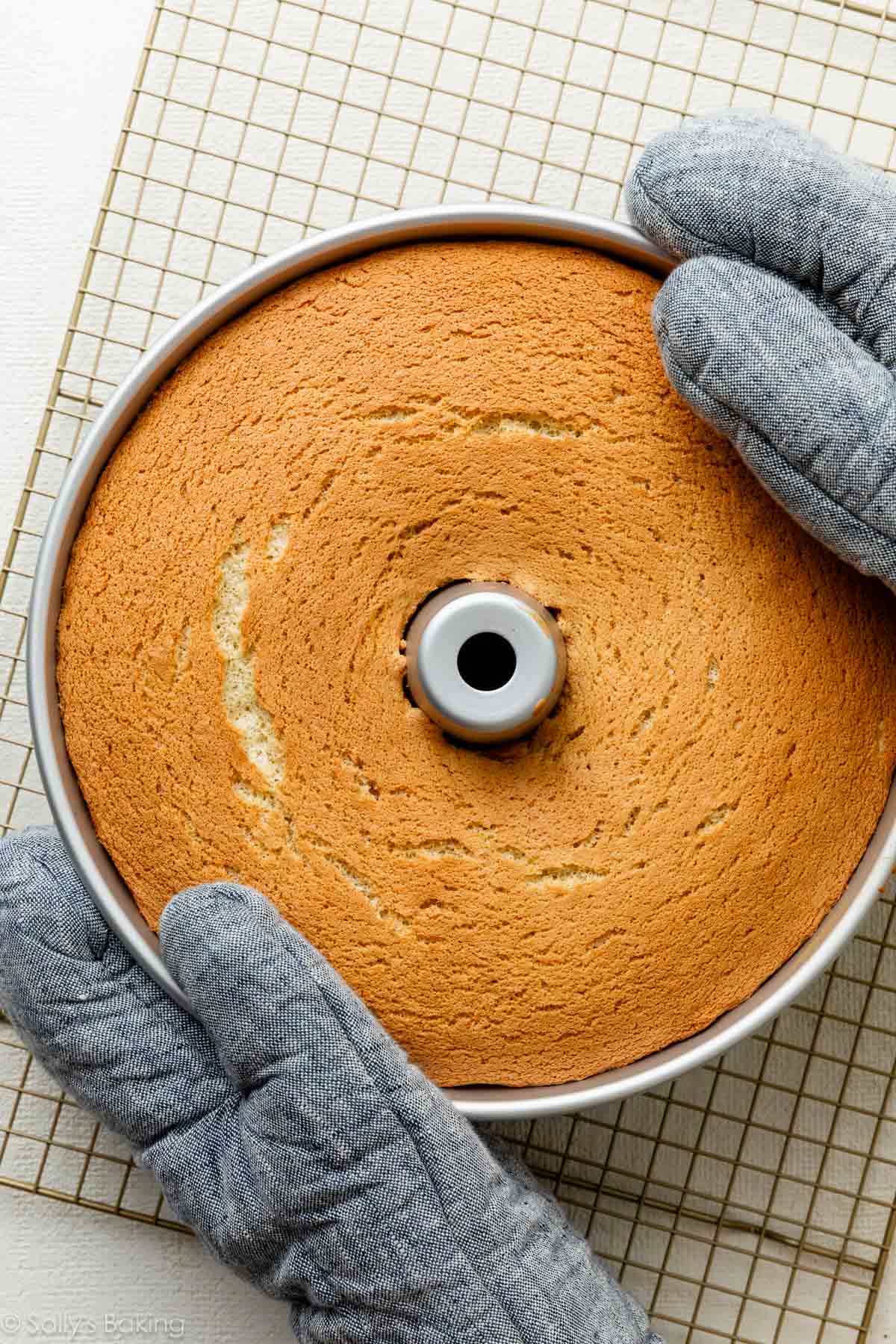
Finally, the cooling process cannot be overlooked. Immediately inverting the pan after baking and allowing the cake to cool completely upside down is fundamental. This step allows the fragile cake structure to set without collapsing, maintaining its impressive volume. Rushing this step or cooling right-side up will inevitably lead to a sunken cake.
Common reasons for a chiffon cake collapse often stem from these very points: under or over-whipped egg whites, overly aggressive folding, greasing the pan, under-baking (which leaves the structure too weak), or failing to cool it upside down. By adhering to these tried-and-true techniques, home bakers can confidently create a classic chiffon cake that consistently earns accolades and surprised remarks from those who taste it, reinforcing the cake’s reputation as a testament to careful craftsmanship.
The Enduring Legacy and Culinary Impact
The chiffon cake’s journey from a guarded Hollywood secret to a universally cherished dessert underscores its profound and lasting impact on the culinary world. Its innovative use of vegetable oil marked a significant departure from traditional butter-based cakes, introducing a lighter yet equally rich alternative that resonated with evolving dietary preferences and culinary sensibilities. This innovation paved the way for other recipes to experiment with alternative fats, diversifying the landscape of baked goods.
Its unique texture—a perfect harmony of airy lightness and tender moisture—established a new benchmark for cake excellence. Food historians often cite the chiffon cake as a pivotal development in American baking, showcasing ingenuity in ingredient application and technique. It demonstrated that elegance and richness could be achieved without the density of traditional cakes, broadening the definition of what a "cake" could be. Its successful commercialization by General Mills also highlighted the power of corporate marketing in popularizing home baking recipes, influencing consumer habits for decades.
Today, the chiffon cake continues to be a staple in bakeries and home kitchens worldwide, particularly appreciated in Asian cuisines where lighter, less sweet desserts are favored. Its adaptability to various flavors, from classic vanilla and lemon to more exotic green tea or pandan, further solidifies its global appeal. The cake’s simple beauty, whether served plain or elaborately decorated, allows its inherent qualities to shine through, making it a reliable choice for any occasion. Its enduring popularity is a testament to its intrinsic qualities: a dessert that promises both comfort and sophistication, remaining soft for days and offering a delightful melt-in-your-mouth experience that is truly hard to resist. The chiffon cake is not merely a recipe; it is a culinary institution, a symbol of innovation, and a timeless treat that continues to inspire bakers and delight diners across generations.