
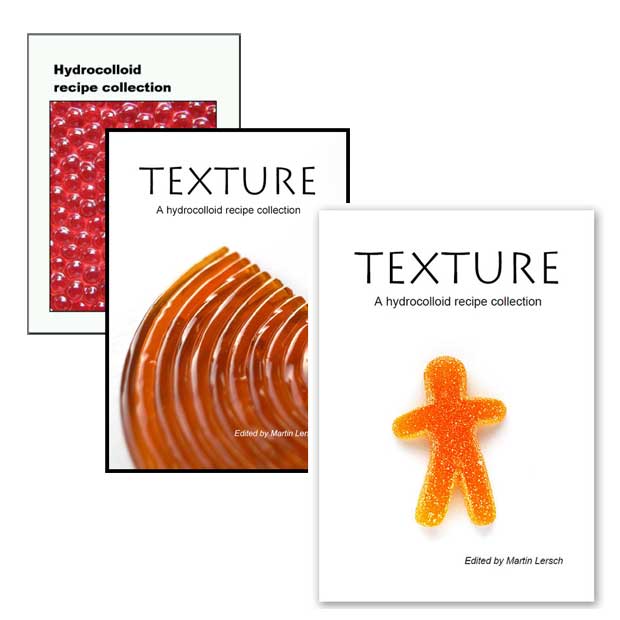
After a six-year hiatus since its last major revision, "Texture – A hydrocolloid recipe collection," a seminal digital compendium for chefs, food scientists, and culinary enthusiasts, is set to receive an incremental update, designated v.3.1. The announcement signals a renewed focus on refining existing knowledge, incorporating community feedback, and significantly broadening the scope to include both underrepresented hydrocolloids and a fascinating array of traditional, non-hydrocolloid gelling and foaming techniques from global culinary traditions. This forthcoming revision underscores the dynamic and collaborative nature of modern gastronomy, leveraging collective expertise to enhance a resource that has become indispensable for understanding the science behind food texture.
A Legacy of Culinary Science: The Evolution of ‘Texture’
"Texture – A hydrocolloid recipe collection," published by Khymos.org, has established itself as a cornerstone reference in the realm of molecular gastronomy and applied food science. Its journey began with the release of version 1.0 in 2007, quickly followed by version 2.0 in 2008. These initial editions provided an accessible yet rigorous exploration of hydrocolloids—polysaccharides and proteins that create gels, thicken liquids, and stabilize emulsions and foams—demystifying their application in professional and home kitchens. The collection offered practical recipes and theoretical insights, enabling users to manipulate food textures with precision, a hallmark of the burgeoning molecular gastronomy movement of the early 21st century.
The most recent comprehensive update, version 3.0, was published in 2014. This version expanded upon the previous editions, incorporating new hydrocolloids, refined techniques, and an increased emphasis on photographic documentation to illustrate successful outcomes. The six-year period since v.3.0 has seen considerable innovation in food science and culinary arts, with new ingredients, techniques, and global food trends emerging. The upcoming v.3.1 is positioned to bridge this gap, ensuring that "Texture" remains a current and comprehensive guide. The editor, who has spearheaded this project since its inception, emphasized that this update, while incremental, is crucial for maintaining the collection’s accuracy and relevance. It aims to meticulously address "wrinkles" identified over time, reflecting an ongoing commitment to scientific precision and practical utility.
The Collaborative Core: Community Feedback as a Driving Force
A distinctive feature of "Texture"’s development has always been its reliance on a global community of users, ranging from professional chefs and food scientists to passionate home cooks. The editor explicitly acknowledged and thanked contributors for their invaluable feedback, noting that "your feedback has been read, is greatly appreciated and will be incorporated!" This collaborative model is particularly vital in a field as experimental and rapidly evolving as applied food science. Users have consistently provided insights on typos, errors, and, crucially, submitted photographs that serve as visual proof of successful recipe execution. The call for submissions remains open, with a particular emphasis on photographic evidence, as "If a recipe is accompanied by a photo it’s a good sign that it has been tested with a successful outcome." This crowdsourced validation process adds an extra layer of reliability to the collection, transforming it from a static publication into a living, evolving knowledge base. Detailed instructions for photo submission have been consistently available, reflecting the long-standing importance of this communal input.
Expanding the Hydrocolloid Horizon: Addressing Underrepresentation
The v.3.1 update will notably focus on enhancing coverage for several hydrocolloids that are currently "underrepresented" within the collection. This initiative aims to provide a more balanced and exhaustive overview of the diverse functionalities these ingredients offer. The specific hydrocolloids targeted for expanded content include:
- Guar Gum: Derived from guar beans, guar gum is a potent thickener and stabilizer. Known for its ability to hydrate in cold water and create highly viscous solutions, it is widely used in gluten-free baking, dairy products, and sauces. Its versatility in various pH environments and compatibility with other hydrocolloids make it a valuable tool, yet its full culinary potential often goes unexplored beyond basic thickening.
- Gum Arabic (Acacia Gum): An exudate from acacia trees, gum arabic is unique among hydrocolloids for its excellent emulsifying properties, particularly in oil-in-water emulsions. It also acts as a stabilizer and film-former. Historically used in confectionery and beverages, its applications in modern cuisine extend to encapsulating flavors, creating light foams, and stabilizing complex emulsions, warranting more diverse recipe examples.
- **Konjac (Glucomannan): Extracted from the konjac plant, glucomannan forms extremely strong, heat-stable gels, often with a unique elastic texture. It is a staple in Asian cuisine, particularly in noodles (shirataki) and vegan seafood alternatives. Its distinct textural properties, which differ significantly from other gelling agents like agar or gelatin, necessitate a dedicated exploration of its culinary range.
- Locust Bean Gum (Carob Gum): Sourced from the seeds of the carob tree, locust bean gum is a powerful thickener and stabilizer, often used synergistically with other hydrocolloids like xanthan gum or carrageenan to enhance gelling or viscosity. It imparts a creamy texture and helps prevent syneresis (weeping) in frozen desserts and dairy products. Showcasing its standalone and synergistic applications is a key goal.
- Tara Gum: Derived from the seeds of the tara plant, tara gum shares properties with both guar gum and locust bean gum but offers a smoother, less stringy texture. It is gaining traction as a clean-label alternative in various food applications, including dairy, dressings, and baked goods, making its inclusion and expanded recipe base particularly timely for culinary innovators.
The editor’s call for recipes that "highlight the range of foods each of these hydrocolloids can be used for" directly addresses the need to move beyond their most common applications, encouraging experimentation and discovery. This deep dive into specific hydrocolloids promises to unlock new textural possibilities for the culinary community.
Beyond the Known: Addressing Missing Hydrocolloids and Proprietary Products
The update also aims to identify and potentially incorporate hydrocolloids that are "completely missing" from the current collection. This initiative acknowledges the continuous evolution of the food ingredient landscape. However, the editor clearly outlined intentional omissions, primarily proprietary products that are often modified starches or specialized fibers. Examples include Ultra-Tex and Pure Cote (both modified starches) and Trisol (a wheat fiber). These products, while texturizing agents, are typically brand-specific and may not align with the collection’s focus on fundamental, broadly accessible hydrocolloids. The exclusion of such proprietary ingredients maintains the collection’s academic integrity and its utility as a foundational guide rather than a product catalog.
Conversely, the editor welcomes suggestions for "rare or novel" hydrocolloids that might have been accidentally overlooked. This open invitation ensures that cutting-edge research and lesser-known traditional ingredients are not missed, reflecting the project’s commitment to comprehensive documentation. The distinction between intentional and accidental omissions is critical for maintaining the collection’s pedagogical value and practical relevance.
The "Non-Hydrocolloid Recipes" Category: A Nod to Global Culinary Heritage
Perhaps one of the most exciting expansions in v.3.1 is the continued development of the "non-hydrocolloid recipes" category. This section delves into traditional global dishes that achieve unique gelling or foaming textures without the addition of isolated hydrocolloid ingredients. Instead, their textural transformations rely on inherent properties of the ingredients or specific processing methods. This category bridges the gap between modern food science and ancient culinary wisdom, demonstrating that sophisticated textural manipulation is not exclusive to the molecular gastronomy toolkit.
Existing examples in this category, and those sought for expansion, include:
- Junket and Cuajada: These traditional dairy desserts rely on enzymatic coagulation, typically using rennet (or similar enzymes in Cuajada, often with sheep’s milk). The enzymes curdle the milk proteins, forming a delicate, smooth gel without the need for external gelling agents.
- Ginger Milk Custard: A classic Chinese dessert, this dish utilizes the proteolytic enzymes present in ginger juice to coagulate milk proteins, resulting in a silky-smooth custard. It’s a remarkable example of natural enzymatic gelling.
- Aiyu Jelly: A popular Taiwanese dessert, Aiyu jelly is made from the pectin-like substances extracted from the seeds of the Aiyu fig. Rubbing the seeds in water releases these compounds, which then gel into a refreshing, translucent dessert.
- Grass Jelly (Mesona chinensis): Widely consumed in Southeast Asia, grass jelly is made by boiling the stalks and leaves of the Platostoma palustre (or similar species) with starch, producing a dark, slightly bitter, yet refreshing jelly. The gelling mechanism involves naturally occurring polysaccharides.
- Gelled Seafood Sauce: Many traditional broths and sauces, particularly those made from fish bones, heads, or other collagen-rich parts, naturally gel upon cooling due due to the high concentration of gelatin (denatured collagen). This demonstrates a fundamental, protein-based gelling mechanism.
- Tofu: A staple across East Asia, tofu is made by coagulating soy milk proteins, typically with calcium sulfate (gypsum) or magnesium chloride (nigari). This process transforms liquid soy milk into a solid, protein-rich curd, showcasing mineral-induced protein gelling.
- Hominy: Nixtamalized corn, used to make tortillas and grits, undergoes a process that significantly alters its texture and nutritional profile. While not a "gel" in the conventional sense, nixtamalization creates a unique, pliable texture that is crucial for its culinary applications and represents a significant textural transformation without added hydrocolloids.
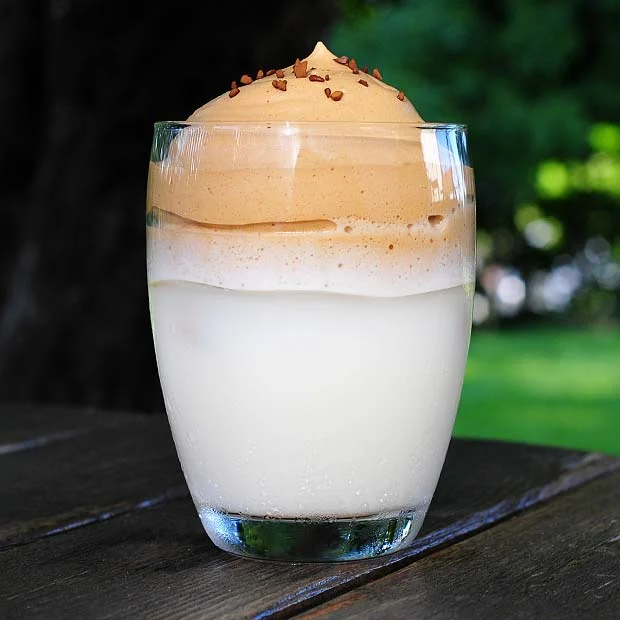
A contemporary and highly anticipated addition to this section is the Dalgona coffee foam. This viral sensation, which swept the internet during the spring of 2020, perfectly exemplifies a non-hydrocolloid foam. It is created by whipping instant coffee, sugar, and hot water into a stable, airy foam, relying on the emulsifying and foaming properties of coffee solids and the stabilizing effect of sugar. Its inclusion demonstrates the collection’s commitment to staying current with global culinary trends and showcasing the scientific principles behind seemingly simple, yet effective, textural techniques. The editor expressed certainty that Dalgona coffee foam "deserves to be included in the next update of Texture!"
Implications for the Culinary Landscape and Food Science Education
The impending v.3.1 update of "Texture – A hydrocolloid recipe collection" carries significant implications for various stakeholders within the culinary and food science communities.
For culinary professionals, the update provides an expanded toolkit for innovation. A deeper understanding of underrepresented hydrocolloids means more options for creating unique textures, improving product stability, and catering to specific dietary needs (e.g., gluten-free, vegan). The inclusion of traditional non-hydrocolloid techniques offers a bridge between modern and heritage cooking, encouraging chefs to look beyond isolated ingredients for textural solutions and to appreciate the scientific ingenuity embedded in traditional recipes. This can foster a more holistic approach to recipe development, where cultural context and scientific principles are equally valued.
For food scientists and researchers, the collection serves as a living database, documenting practical applications that can inspire further research into the properties and interactions of various gelling and thickening agents. The community-driven feedback loop, where tested recipes and observations are incorporated, creates a valuable, peer-reviewed resource that complements formal scientific literature. The systematic cataloging of both isolated hydrocolloids and naturally occurring textural mechanisms provides a comprehensive reference point for understanding the vast spectrum of food textures.
For culinary educators and students, "Texture" is an invaluable pedagogical tool. Its accessible format, combined with a rigorous scientific approach, helps demystify complex food science concepts. The visual evidence provided by submitted photos enhances learning, allowing students to grasp the tangible outcomes of theoretical knowledge. The expanded coverage, particularly in the "non-hydrocolloid" section, offers rich material for exploring cultural gastronomy through the lens of textural science, promoting interdisciplinary learning.
The emphasis on community contributions also highlights the democratizing potential of digital platforms like Khymos.org. By inviting feedback, corrections, and new content, the editor is not merely compiling a resource but fostering a global community of practice. This collaborative model ensures the collection remains accurate, comprehensive, and reflective of the diverse culinary landscape. In an era where information overload is common, a curated, scientifically sound, and community-vetted resource like "Texture" stands out as a beacon of reliable knowledge.
The editor’s proactive outreach for contributions—whether through the comments section of the blog post or direct email—underscores the ongoing commitment to making v.3.1 not just an update, but a truly enhanced and globally representative edition. The project continues to embody the spirit of open science and collaborative discovery, ensuring that "Texture – A hydrocolloid recipe collection" remains a pioneering and indispensable resource for the exploration of food texture for years to come.