
The seasonal availability of produce plays a pivotal role in this shift. Farmers’ markets burst with colors and aromas, showcasing peak-season vegetables and fruits that are not only at their most flavorful but also most cost-effective. This natural cycle encourages consumers to opt for fresh, whole foods over processed alternatives, a cornerstone of healthy eating. The inherent sweetness of corn, the juicy tang of tomatoes, and the crispness of cucumbers become the stars of the plate, reducing the need for heavy sauces, excessive fats, or complex cooking methods. This phenomenon is supported by nutrition experts who consistently advocate for seasonal eating, citing benefits such as higher nutrient content in freshly harvested produce and reduced environmental impact from local sourcing.
The Allure of Seasonal Ingredients: A Nutritional Powerhouse
Summer’s pantry is a treasure trove of nutritional benefits. Tomatoes, for instance, are rich in lycopene, a powerful antioxidant linked to reduced risk of certain cancers and improved heart health. A 2022 study published in the Journal of Agricultural and Food Chemistry highlighted that tomatoes harvested at peak ripeness often contain higher concentrations of such beneficial compounds. Corn, often enjoyed grilled or boiled, provides essential dietary fiber, B vitamins, and antioxidants like lutein and zeaxanthin, beneficial for eye health. Bell peppers, bursting in red, yellow, and orange, are excellent sources of Vitamin C and various carotenoids. Leafy greens, such as kale and spinach, continue to offer vitamins A, C, and K, along with minerals like iron and calcium, contributing to bone health and immunity.
Beyond vegetables, summer fruits like peaches, berries, and melons offer natural sweetness, fiber, and a high water content, aiding in hydration crucial during hot weather. According to the U.S. Dietary Guidelines, fruits and vegetables contribute significantly to daily fluid intake, which is particularly important in combating heat and maintaining bodily functions. Lean proteins such as salmon, chicken, and tofu complement these fresh ingredients perfectly, providing essential amino acids without adding excessive heaviness to meals. Salmon is particularly noteworthy for its omega-3 fatty acids, vital for brain function and reducing inflammation. Chicken offers a versatile, low-fat protein source, while tofu serves as an excellent plant-based protein, easily absorbing flavors from accompanying spices and sauces.
Effortless Healthy Dinners: A Culinary Trend Focused on Simplicity
The modern culinary landscape increasingly values convenience without compromising on health or flavor. Summer dinners perfectly embody this trend, with many popular recipes emphasizing minimal preparation, single-pan cooking, or no-cook assembly. This approach caters to busy lifestyles and the desire to spend less time in a hot kitchen and more time enjoying outdoor activities. A survey conducted by the National Restaurant Association in 2023 indicated a rising consumer preference for "healthful meals" and "ready-to-eat" options, aligning with the demand for simple, nutritious summer cooking.
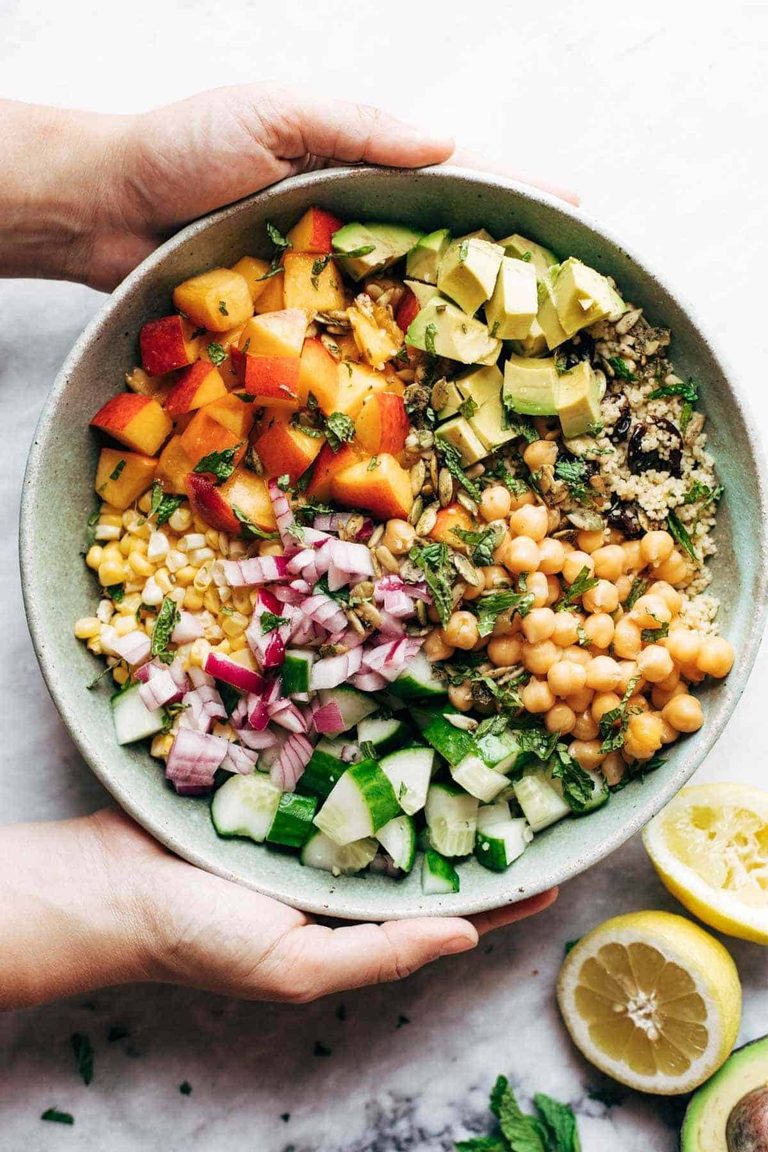
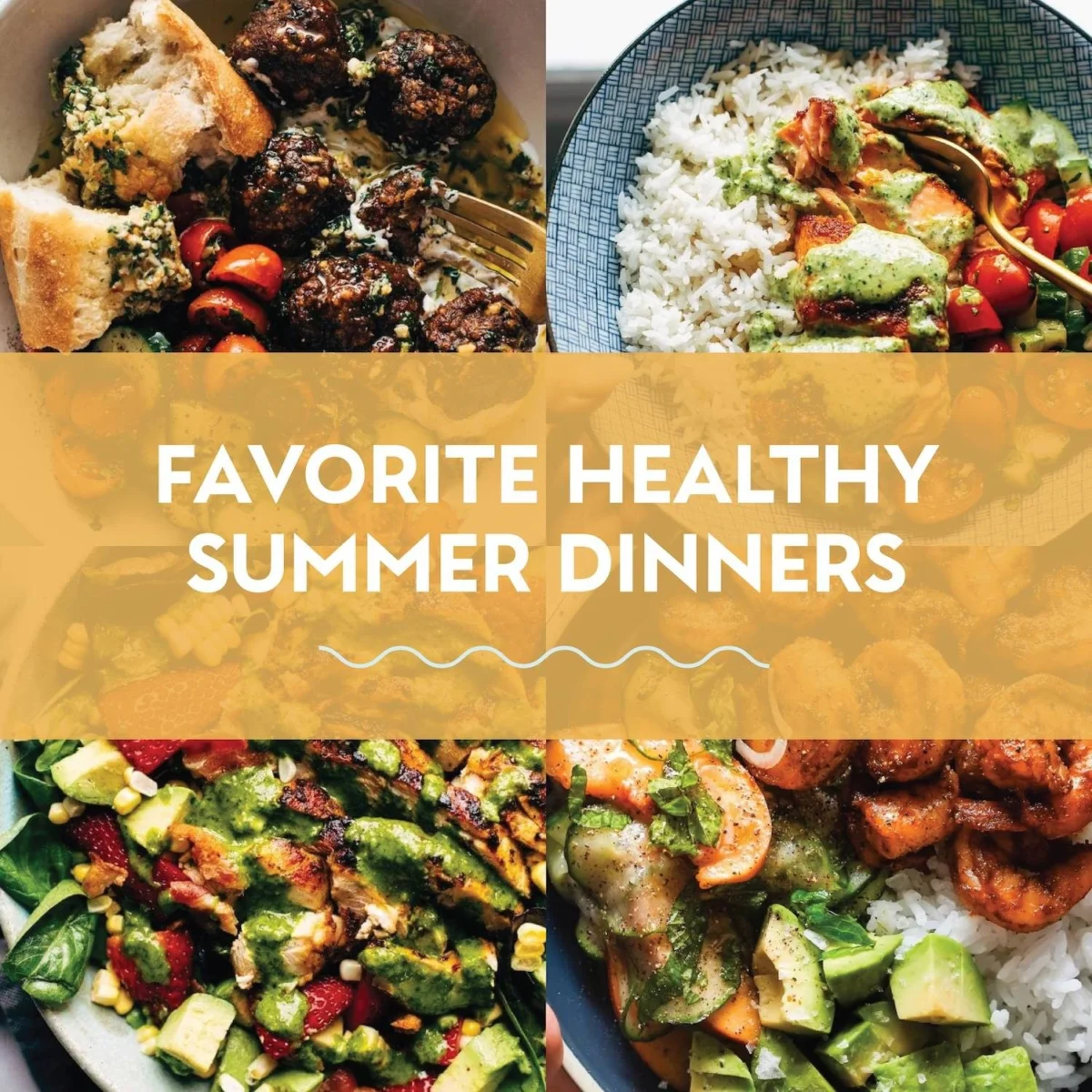
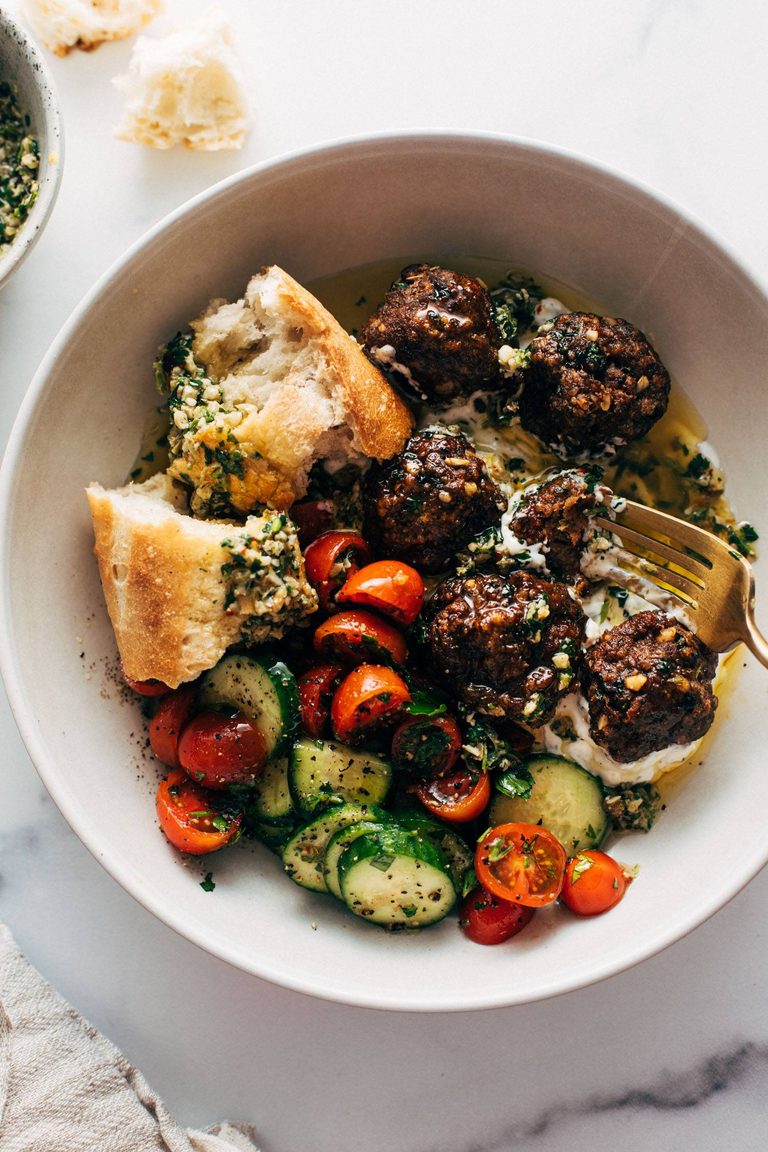
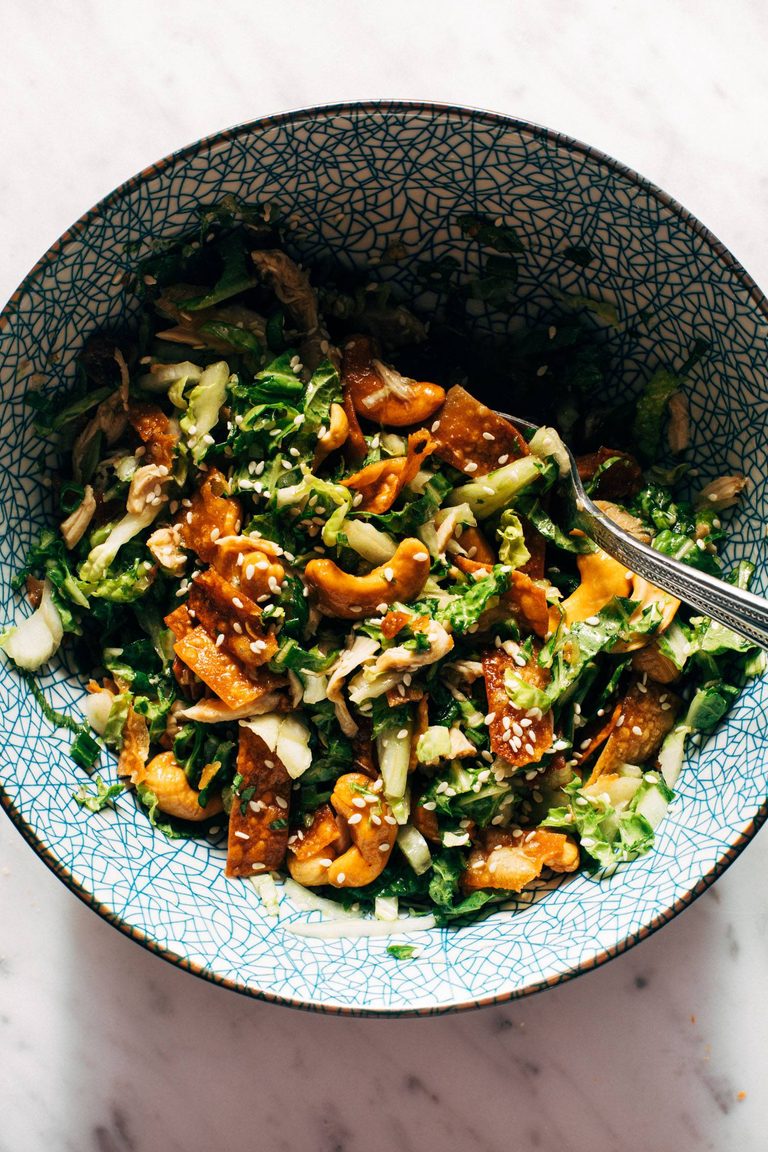
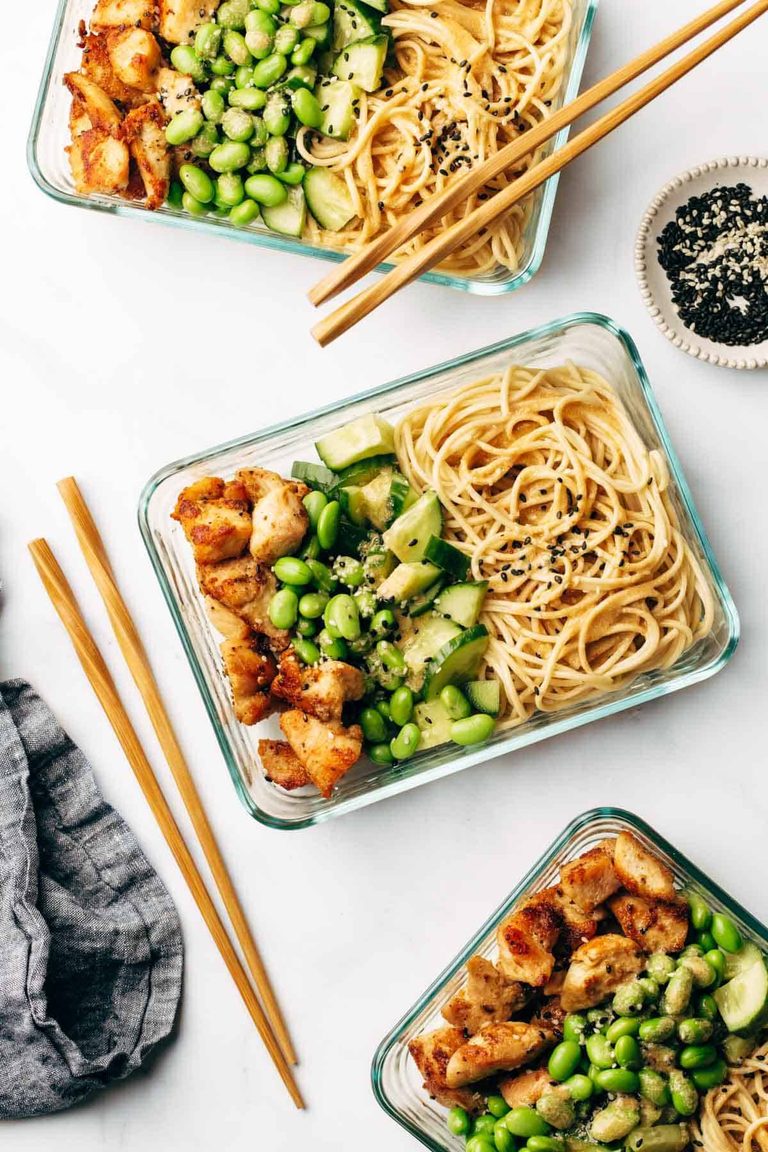
Sheet pan meals, vibrant salads, and quick grilling techniques dominate summer cooking. Sheet pan preparations, like "Sheet Pan Meatballs with Tomato Salad and Green Sauce" (often featuring lean protein or plant-based alternatives like walnuts) or "Roasted Cauliflower Burrito Bowls," streamline the cooking process, allowing ingredients to roast together for concentrated flavors and easy cleanup. Salads move beyond simple greens to become hearty, complete meals, incorporating grains, proteins, and a medley of fresh vegetables and fruits. Examples include "Napa Chicken Salad with Sesame Dressing," "Couscous Summer Salad," and "Summer Chipotle Chicken Cobb Salad." These dishes are not only nutritious but also visually appealing, their bright colors making them attractive centerpieces for any dinner table, reflecting a growing appreciation for "Instagrammable" yet wholesome food.
A Curated Collection of Summer Recipes: Diverse Flavors for Every Palate

Drawing inspiration from the season’s bounty, a range of dinner recipes showcases how diverse flavors and textures can converge into genuinely healthy and enjoyable meals. These recipes often feature bold, fresh sauces and dressings that elevate simple ingredients, providing a culinary journey across various global influences.
Seafood Sensations:
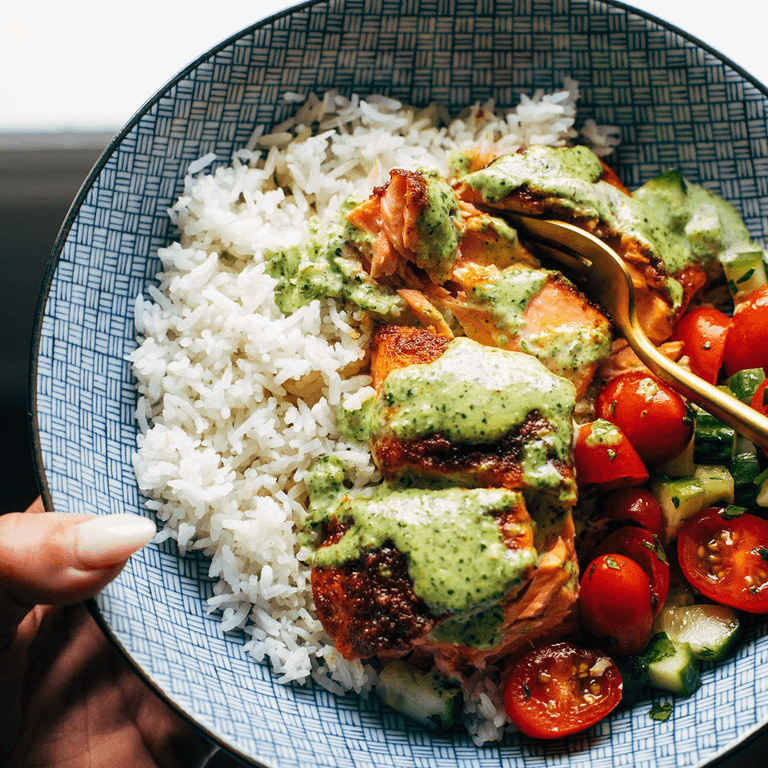
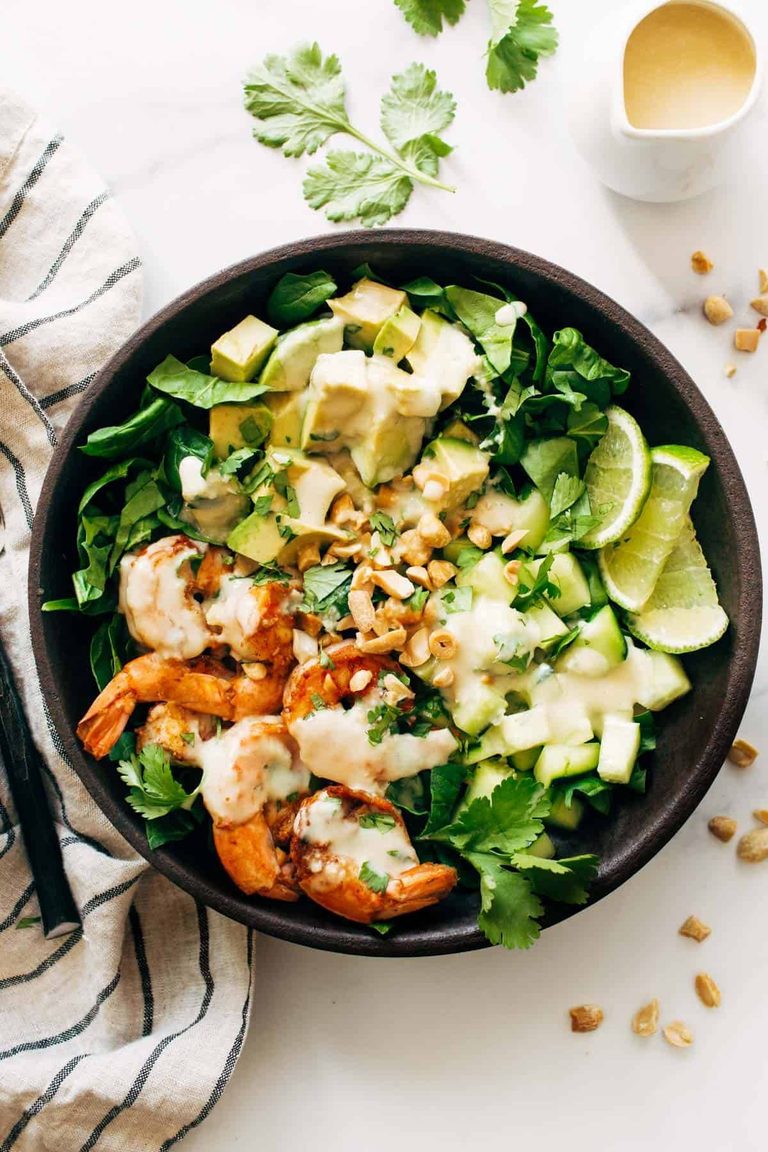
Seafood provides an excellent light protein source for summer, offering delicate flavors that pair well with fresh herbs and vibrant sauces. Recipes such as "Salmon with Basil Sauce and Tomato Salad" highlight the delicate flavor of salmon, enhanced by a vibrant, herb-packed basil sauce and fresh tomatoes. "Chipotle Salmon with Orange Salsa and Aji Verde" introduces a smoky-sweet kick, balanced by citrusy salsa and a zesty green sauce, demonstrating a fusion of Latin American and Mediterranean influences. For those seeking variety, "Spicy Shrimp and Avocado Salad with Miso Dressing" offers a refreshing, protein-rich option, while "Baked Shrimp with Feta and Grilled Sourdough" presents a more rustic, Mediterranean-inspired dish, perfect for sharing. The inclusion of omega-3 rich fish aligns with broader dietary recommendations from the American Heart Association for heart health, suggesting at least two servings of fish per week.
Chicken Delights:
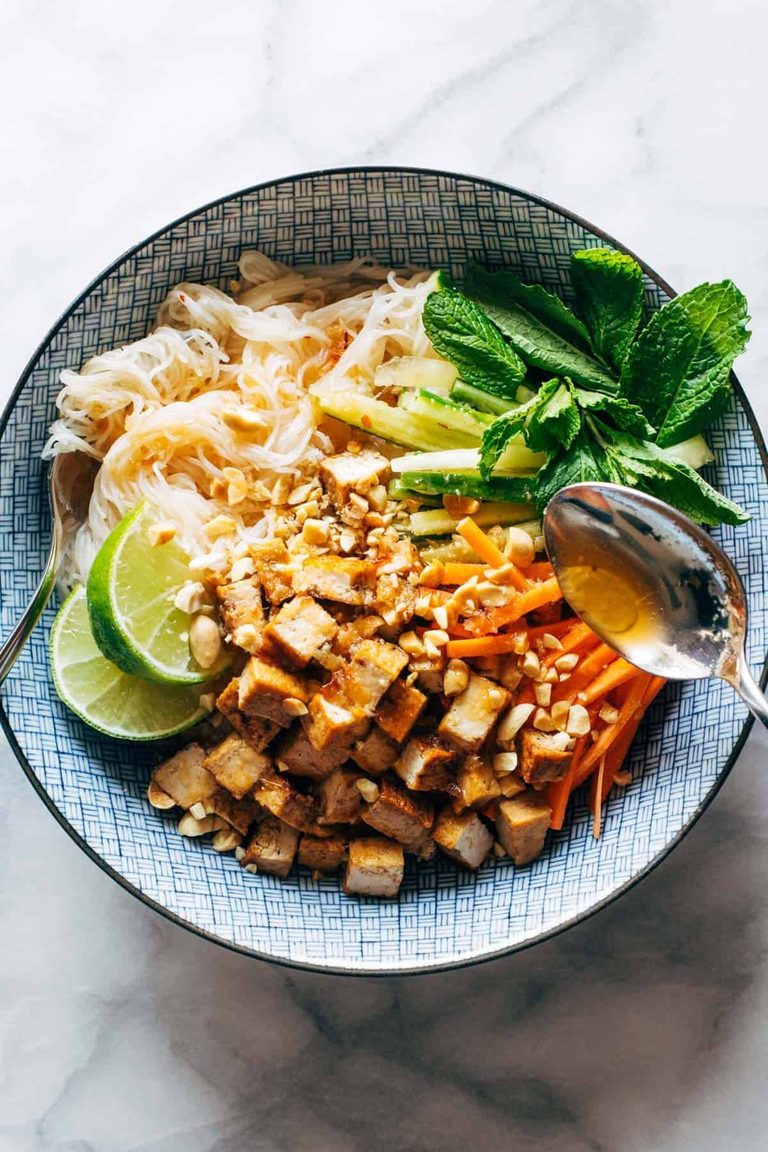
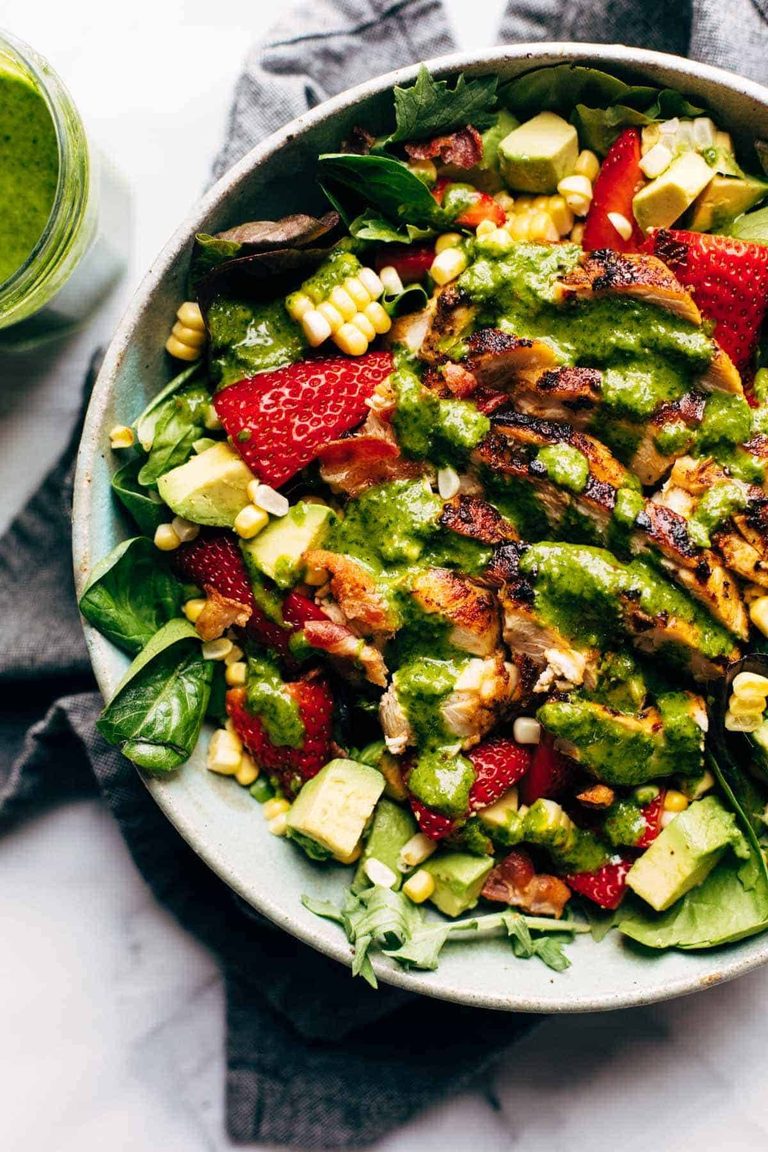
Chicken remains a versatile and popular choice for summer meals, adaptable to various cooking methods and flavor profiles. From the satisfying crunch of "Napa Chicken Salad with Sesame Dressing" to the hearty "Summer Chipotle Chicken Cobb Salad with Cilantro Vinaigrette," chicken-based dishes offer varied textures and flavor profiles, making them ideal for picnics or light suppers. "Lemongrass Chicken with Rice and Zucchini" brings an aromatic, Southeast Asian influence, featuring tender chicken thighs simmered in a creamy coconut and lemongrass sauce. "Thai Peanut Chicken Bowls" provide a delightful balance of savory and sweet with a creamy peanut sauce, often featuring a tangle of vermicelli noodles and fresh herbs. Simpler preparations like "Grilled Chicken with Pepperoncini Garlic Butter" offer robust flavors for outdoor cooking, emphasizing marinated chicken and fresh, tangy accompaniments. These recipes often feature quick-cooking methods, ideal for weeknights when time is at a premium.
Vibrant Vegetarian & Vegan Options:
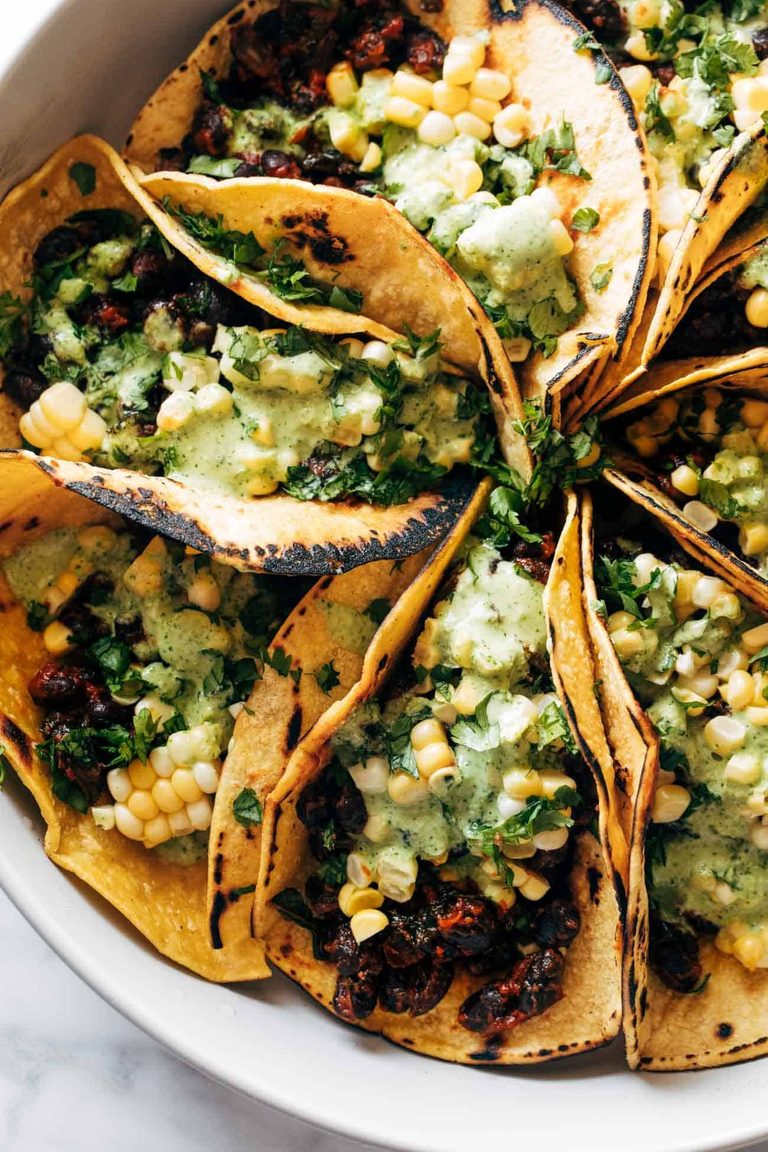
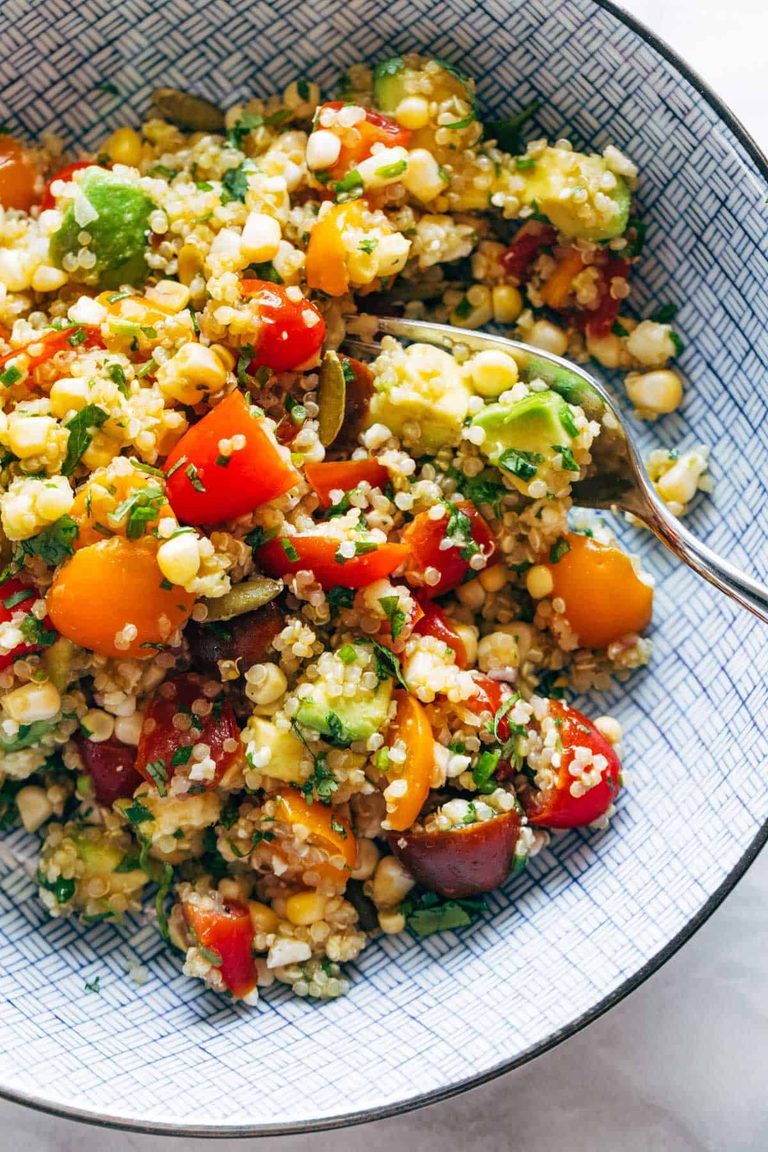
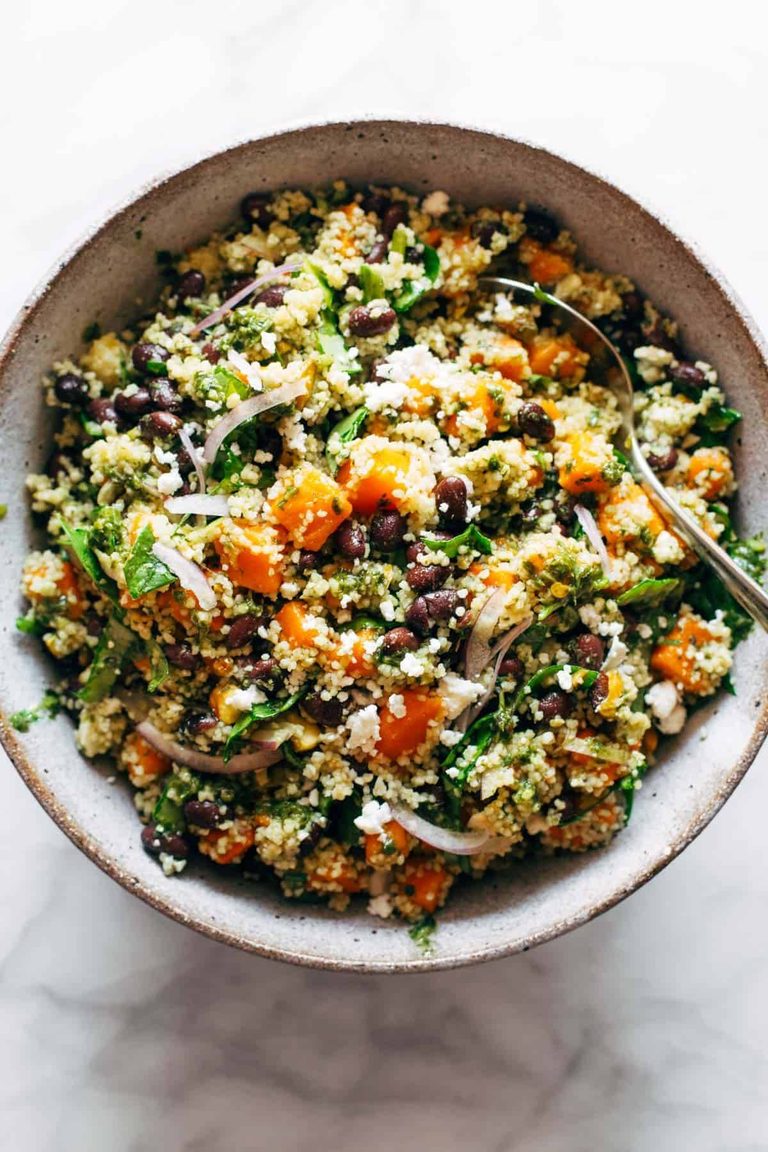
The summer season is particularly conducive to plant-forward eating, with the abundance of fresh vegetables facilitating creative and satisfying meat-free meals. "Smoky Beans & Greens Tacos with Aji Verde" offer a flavorful, satisfying vegan meal, showcasing the versatility of black beans and kale in a vibrant street food style. Grain-based salads like "Lemongrass Vermicelli Salad," "Couscous Summer Salad," and "Corn, Avocado, and Quinoa Salad with Marinated Tomatoes" are packed with fresh herbs, vegetables, and complex carbohydrates, making them complete and nourishing. "Roasted Cauliflower Burrito Bowls" and "Roasted Cauliflower Lettuce Wraps with Korean BBQ-Inspired Sauce" demonstrate how humble vegetables can be transformed into exciting, flavor-packed dishes with bold seasonings. "Green Goddess Quinoa Summer Salad" and "Mediterranean Quinoa Bowls with Roasted Red Pepper Sauce" are exemplary of adaptable, nutrient-dense meals that can be customized with various seasonal vegetables. The "Firecracker Vegan Lettuce Wraps" with crispy tofu and saucy noodles represent a creative and indulgent-tasting vegan option that is both light and filling.
Hearty Bowls & Substantial Salads:
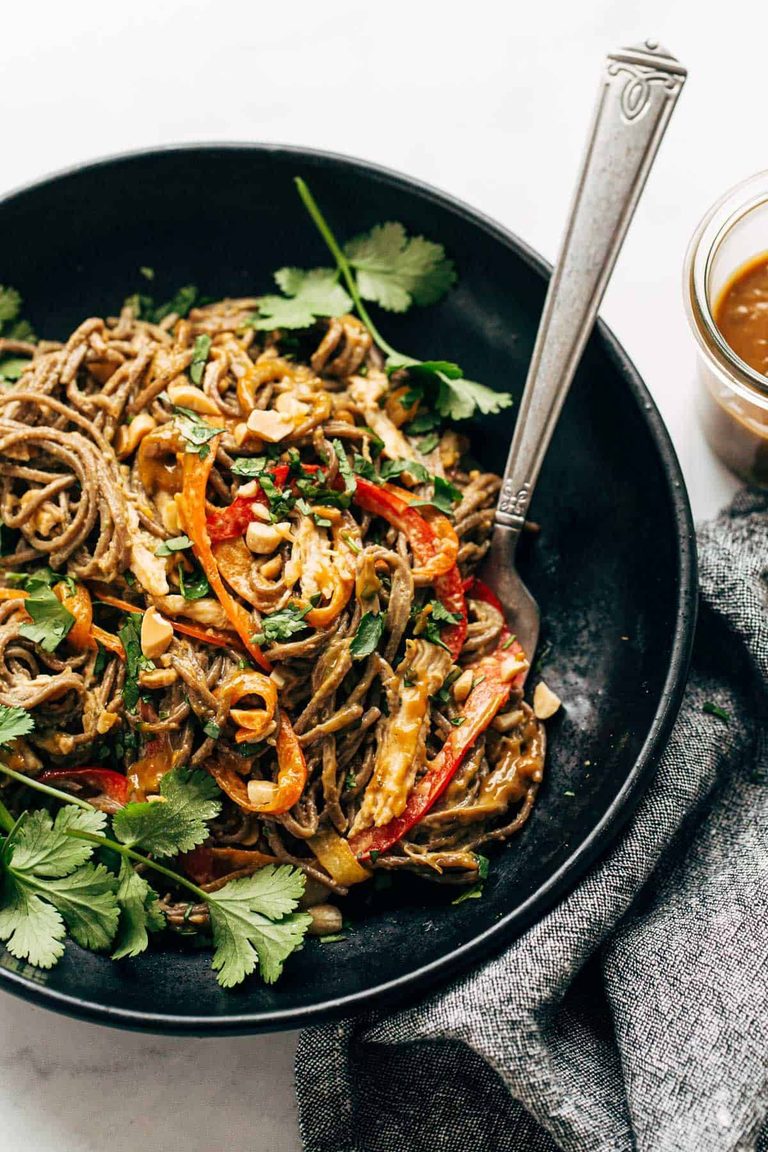
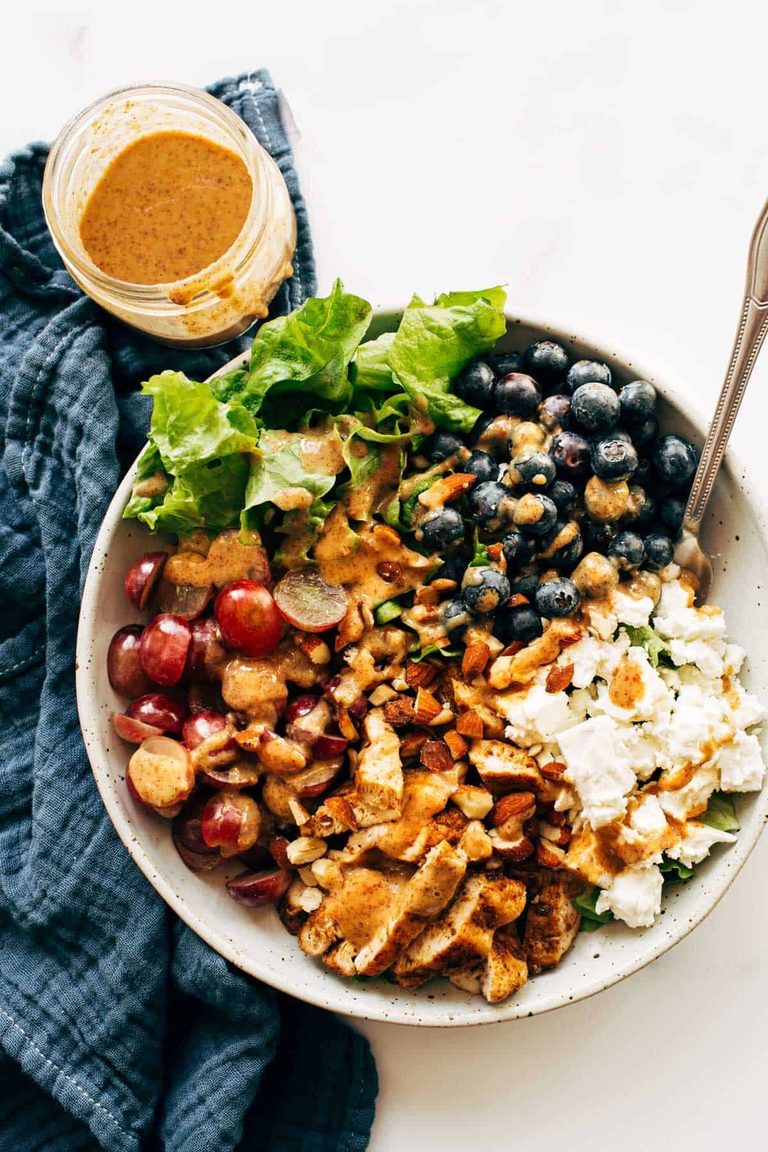
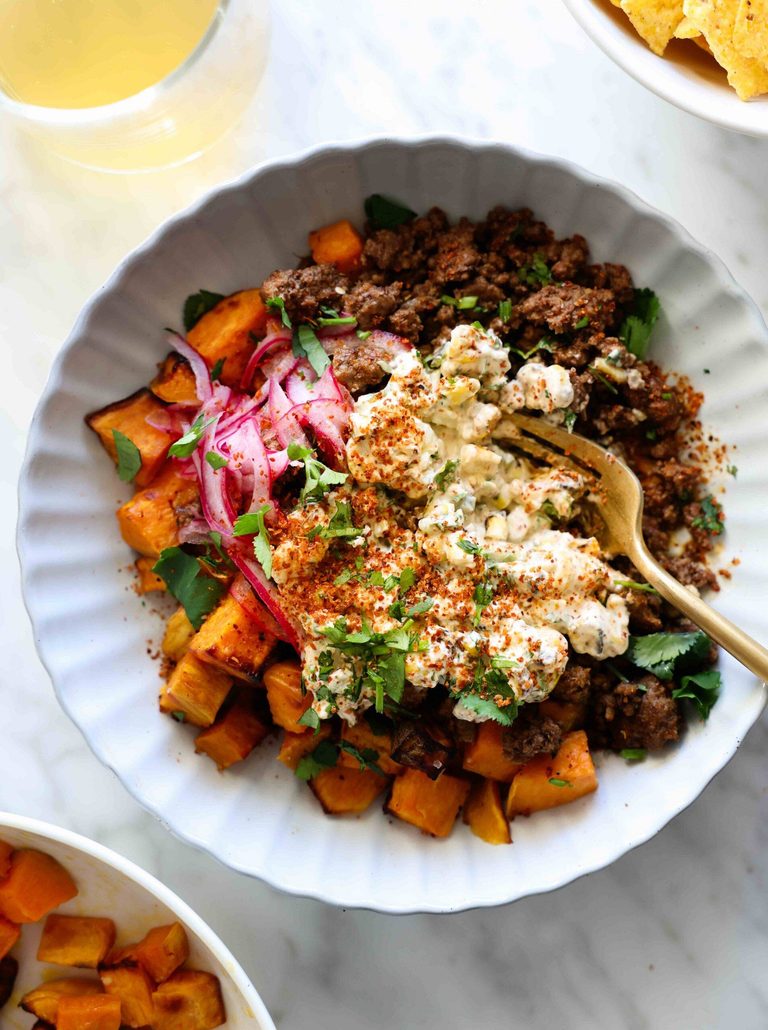
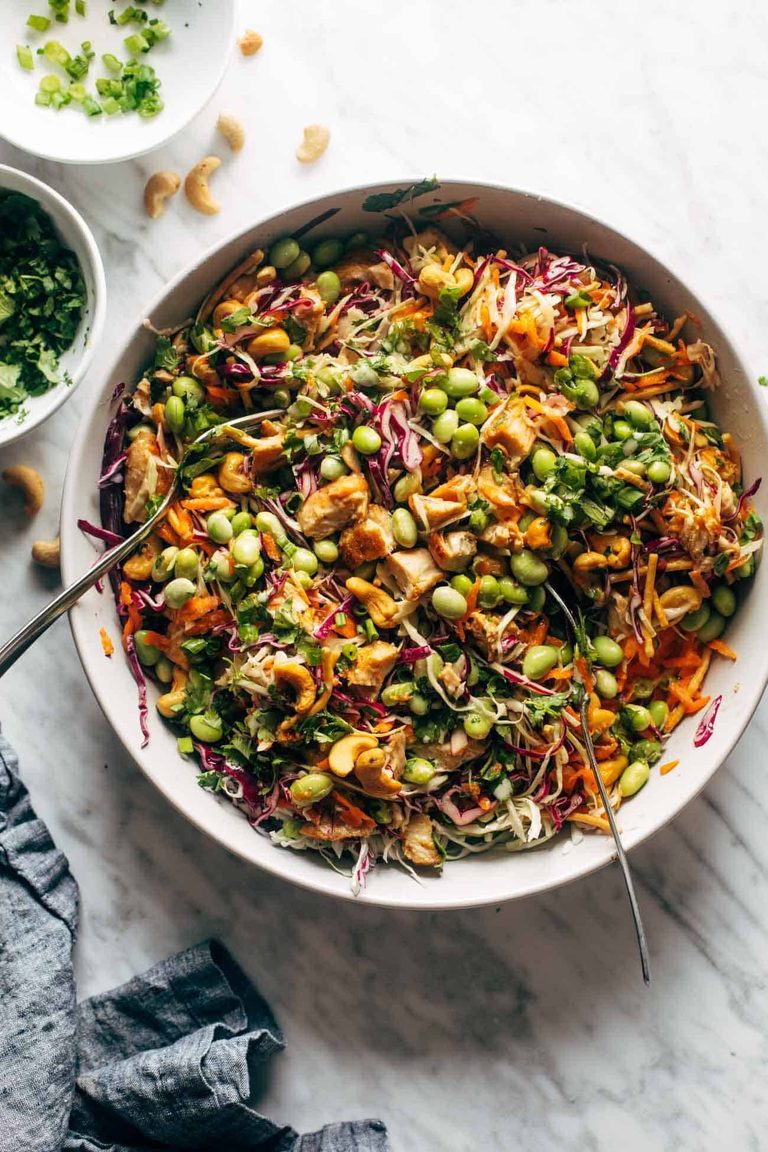
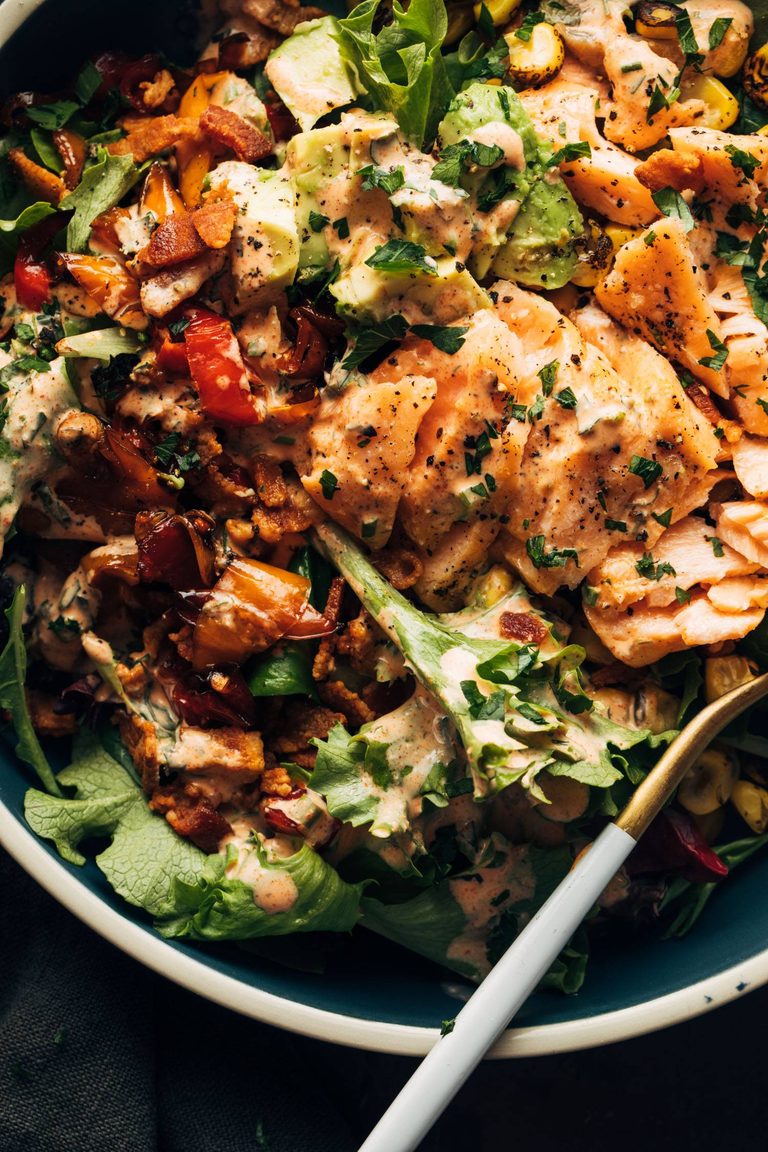
Many summer recipes are designed as "bowls" or substantial salads, offering a balanced mix of grains, proteins, and vegetables, often layered for visual appeal and textural contrast. "Street Corn Beef and Sweet Potato Bowls" provide a comforting yet light option, marrying roasted sweet potatoes with seasoned ground beef and a creamy, elote-inspired dip. "Cashew Crunch Salad with Sesame Dressing" and "Spicy Peanut Soba Noodle Salad" deliver satisfying crunch and rich, umami flavors, often ideal for meal prepping due to their robust components. "The Oliver’s Salad," a restaurant-inspired creation, showcases how a medley of ingredients—salmon, peppers, corn, bacon—can come together in a sophisticated and wholesome salad. These formats are excellent for preparing ahead, allowing for quick assembly throughout the week, a strategy endorsed by time-management experts for maintaining healthy eating habits.
Beyond Dinner: Wholesome Summer Snacking
The emphasis on fresh produce extends beyond dinner to summer snacking. The season naturally encourages lighter, more hydrating choices, aligning with general health guidelines. Instead of heavy, processed snacks, individuals gravitate towards options that complement the active, outdoor lifestyle. Fresh fruit—berries, watermelon slices, peaches, and plums—become go-to choices, providing natural sugars, fiber, and essential vitamins, all while contributing to daily hydration. The high water content of fruits like watermelon (over 90% water) makes them particularly effective for cooling and rehydration. Vegetable sticks with light dips like hummus or tzatziki offer crunch and nutrients, with hummus providing plant-based protein and fiber. Greek yogurt with a sprinkle of seasonal fruit and a drizzle of honey provides protein and probiotics, beneficial for gut health. Homemade popsicles made from blended fruits are a refreshing and guilt-free treat, avoiding the artificial colors and excessive sugars often found in commercial varieties. These simple, wholesome snacks align with dietary recommendations to prioritize whole foods and minimize added sugars and unhealthy fats, supporting sustained energy levels for summer activities.
The Broader Impact and Implications of Seasonal Eating
Embracing this summer culinary shift carries broader implications for public health, local economies, and environmental sustainability. From a health perspective, consistent consumption of fresh, whole foods, rich in vitamins, minerals, and fiber, is directly linked to a reduced risk of chronic diseases such as heart disease, type 2 diabetes, and certain cancers. The emphasis on lighter cooking methods also tends to result in meals lower in unhealthy fats and sodium, contributing to overall cardiovascular well-being. The World Health Organization consistently highlights the importance of a diet rich in fruits and vegetables as a primary preventive measure against non-communicable diseases.
Economically, supporting local farmers by purchasing seasonal produce contributes to the vitality of regional agriculture, fostering community resilience and shortening supply chains. This direct farmer-to-consumer relationship often means fresher produce and a greater variety of unique, heirloom varieties not found in conventional supermarkets. This practice strengthens local food systems, which have shown increased resilience during periods of global supply chain disruptions.
Environmentally, seasonal and local eating reduces the carbon footprint associated with long-distance transportation of food, refrigeration, and energy-intensive greenhouse farming. It encourages sustainable agricultural practices and promotes biodiversity by supporting a wider range of crops rather than monocultures. A report by the Environmental Working Group (EWG) suggests that choosing seasonal, locally grown foods can significantly lower one’s dietary environmental impact.
In conclusion, summer offers an unparalleled opportunity to redefine healthy eating as an effortless, joyful, and deeply flavorful experience. The abundance of fresh produce, coupled with a natural inclination towards lighter meals, creates a perfect synergy for culinary creativity. From vibrant salads and robust bowls to quick grilled dishes and inventive plant-based options, the array of healthy summer dinners demonstrates that nutritious food can be both delicious and easy to prepare. This seasonal approach not only nourishes the body but also supports local communities and promotes a more sustainable food system, making healthy summer eating a truly holistic endeavor. The pleasure derived from these bright, colorful, and wholesome meals transcends mere sustenance, becoming an integral part of the summer experience itself.