The aspiration for a longer, healthier life resonates universally. In an era marked by rapid scientific advancements and an explosion of accessible information, individuals are increasingly seeking not just to extend their lifespan, but to optimize their health, seeking vitality, resilience, and a sustained youthful glow. This profound desire has given rise to a burgeoning wellness industry, replete with promises of reversing chronic disease, enhancing cognitive function, and even pushing the boundaries of human longevity to unprecedented ages. However, as the market floods with an array of ultra-specific protocols, advanced supplements, and high-tech biohacking tools, a critical journalistic inquiry emerges: are these often expensive and demanding methods truly necessary or effective, and do their purported benefits outweigh the significant investments of effort, time, and money they frequently demand?
The Global Quest for Longevity and Wellness
Globally, average life expectancy has seen remarkable gains over the past century, largely attributable to advancements in public health, medicine, and living standards. Yet, these gains are often accompanied by an increased prevalence of chronic, age-related diseases such as heart disease, diabetes, and neurodegenerative conditions, which can diminish the quality of these extended years. This paradox fuels the public’s intense interest in "health optimization" – a paradigm that seeks to move beyond mere disease prevention to actively enhance physical and mental performance, slow the aging process, and maximize human potential.
The digital age has amplified this quest, transforming it into a mainstream phenomenon. Social media platforms, podcasts, and online communities are awash with self-proclaimed "longevity gurus," fitness influencers, and authors promoting diverse, sometimes conflicting, strategies. From restrictive dietary regimens like ketogenic or carnivore diets, to intricate supplement stacks involving dozens of compounds, to sophisticated tracking devices and experimental therapies, the options presented to the eager public are vast and varied. The underlying promise is often a shortcut to an idealized state of health, leading many to question the efficacy and sustainability of such intensive approaches.
A Brief History of Health and Longevity Pursuits
Humanity’s fascination with extending life and preserving youth is deeply rooted in history, with ancient civilizations pursuing elixirs and rituals to defy aging. While these early endeavors were often mystical, the scientific revolution gradually shifted the focus towards empirical understanding.
The 20th century witnessed significant medical breakthroughs, including the discovery of antibiotics, the development of vaccines, and improved sanitation, which collectively had a profound impact on combating infectious diseases and extending lifespans. The latter half of the century saw the rise of preventative medicine, with public health campaigns emphasizing diet, exercise, and smoking cessation. These foundational principles laid the groundwork for modern health advice, focusing on broad, accessible interventions.
The turn of the 21st century marked a pivotal shift. With information democratized by the internet, and personal health data becoming increasingly trackable, the concept of "optimization" gained traction. This era saw the popularization of "biohacking"—a term suggesting the ability to "hack" one’s biology to improve performance and longevity, often through unconventional means. This movement, driven by tech moguls and wellness entrepreneurs, propelled the conversation from general health to hyper-personalized, often extreme, interventions, blurring the lines between evidence-based science and speculative experimentation.
Deconstructing the "Optimization" Spectrum: Evidence vs. Hype
The array of health and longevity strategies available today can be broadly categorized into tiers based on their scientific evidence, cost, and complexity:
Tier 1: Foundational, Evidence-Based Practices (High Impact, Low Cost/Effort)
These represent the bedrock of public health recommendations and are supported by decades of robust scientific research. They include:
- Balanced Nutrition: A diet rich in whole, unprocessed foods, abundant fruits and vegetables, lean proteins, and healthy fats. Organizations like the World Health Organization (WHO) and national dietary guidelines consistently advocate for these patterns. Studies published in journals like The Lancet and JAMA repeatedly link these dietary habits to reduced risks of chronic diseases and increased longevity.
- Regular Physical Activity: Engaging in a mix of cardiovascular exercise, strength training, and flexibility work. The American Heart Association recommends at least 150 minutes of moderate-intensity aerobic activity or 75 minutes of vigorous activity per week, alongside muscle-strengthening activities on two or more days.
- Adequate Sleep: 7-9 hours of quality sleep per night is crucial for cellular repair, cognitive function, and hormonal balance. The Centers for Disease Control and Prevention (CDC) highlights sleep deprivation as a significant public health problem linked to numerous chronic conditions.
- Stress Management: Techniques such as mindfulness, meditation, yoga, or spending time in nature are proven to reduce chronic stress, which can otherwise lead to inflammation, cardiovascular issues, and accelerated aging.
- Strong Social Connections: Research, including the Harvard Study of Adult Development, one of the longest studies on happiness, consistently demonstrates that strong relationships are a powerful predictor of both physical health and longevity.
These foundational elements, while seemingly basic, collectively offer the most significant returns on investment for health and longevity, requiring consistent adherence rather than prohibitive financial outlay.
Tier 2: Personalized, Moderately Evidenced Interventions (Moderate Impact, Moderate Cost/Effort)
This tier includes strategies that build upon the fundamentals, often involving a degree of personalization or specific supplementation based on individual needs or emerging research:
- Personalized Nutrition Plans: Tailoring diets based on individual genetics, gut microbiome analysis, or specific health conditions. While promising, the science behind highly individualized genetic diets is still developing.
- Targeted Supplementation: Use of specific vitamins (e.g., Vitamin D, B12 for deficiencies), minerals, or omega-3 fatty acids, often guided by blood tests or clinical advice. While some supplements have demonstrated benefits for specific populations or conditions, a blanket approach without clinical indication often yields little benefit.
- Advanced Exercise Regimens: Highly structured training programs, sometimes incorporating high-intensity interval training (HIIT) or specific resistance protocols. These can be highly effective but require more commitment and potentially professional guidance.
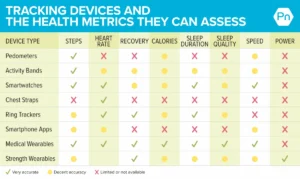
- Biofeedback and Advanced Sleep Tracking: Using technology to optimize sleep cycles or manage stress, often with a greater level of data analysis.
These interventions can be beneficial when applied thoughtfully and under professional guidance, but their impact often diminishes without the strong foundation of Tier 1 practices.

Tier 3: Experimental, High-Cost, or Unverified Protocols (Variable Impact, High Cost/Effort)
This category encompasses the more speculative and often expensive "optimization" strategies frequently promoted by wellness influencers, many of which lack robust, long-term scientific validation:
- Exotic Dietary Restrictions: Extreme fasting protocols, highly restrictive elimination diets, or specific "longevity diets" based on preliminary animal studies or limited human data.
- Nootropics and "Smart Drugs": Substances purported to enhance cognitive function. Many lack rigorous human trials demonstrating safety and efficacy for long-term use in healthy individuals.
- Advanced Diagnostic Tests: Comprehensive genetic sequencing, extensive biomarker testing, or full-body scans marketed for early disease detection or "pre-emptive optimization." While some can be useful clinically, their widespread application for "optimization" can lead to overdiagnosis, unnecessary anxiety, and significant costs.
- Experimental Therapies: Stem cell therapies (for anti-aging purposes), IV vitamin drips, hyperbaric oxygen therapy, or specific peptide injections promoted for longevity, often without FDA approval for these indications and with limited evidence of benefit in healthy individuals.
- High-Tech Biohacking Devices: Infrared saunas, red light therapy, cryotherapy chambers, and electromagnetic field devices, often with anecdotal evidence of benefit but limited robust clinical trials.
The market for these Tier 3 interventions is booming, with the global anti-aging and wellness industry projected to reach hundreds of billions of dollars. This financial incentive often drives aggressive marketing, sometimes overshadowing the lack of scientific consensus or the potential risks involved.
Statements from the Scientific and Public Health Communities
The medical and scientific communities largely maintain a cautious stance towards the more extreme ends of the health optimization spectrum. Leading organizations such as the National Institutes of Health (NIH) and the American Medical Association (AMA) consistently emphasize the importance of evidence-based medicine and lifestyle interventions.
Dr. Sarah Johnson, a prominent public health researcher, states, "While the allure of a ‘magic pill’ or a ‘secret protocol’ for eternal youth is strong, the fundamental truths of health remain unchanged. Consistent, balanced nutrition, regular movement, adequate sleep, and managing stress are not glamorous, but they are profoundly effective. Diverting significant resources—both personal and financial—towards unproven methods can be a disservice to one’s health and wallet."
Nutrition scientists frequently warn against the potential for orthorexia—an unhealthy obsession with healthy eating—and the financial exploitation inherent in some wellness trends. "The vast majority of people can achieve excellent health outcomes by adhering to widely accepted dietary guidelines and engaging in regular physical activity," comments Dr. Michael Chen, a professor of nutritional science. "The notion that one must invest thousands in exotic supplements or highly restrictive diets to be ‘optimal’ is often a marketing ploy, not a scientific imperative."
Ethical concerns also arise regarding the promotion of unverified health solutions, particularly when influencers or companies lack appropriate medical qualifications and make unsubstantiated claims, potentially misleading vulnerable individuals seeking solutions for complex health challenges. Public health advocates stress the importance of equitable access to basic healthcare and health education, arguing that a focus on expensive, exclusive interventions can exacerbate health disparities.
Broader Impact and Implications: The True Cost of "Optimal"
The widespread pursuit of "optimal" health carries significant broader implications, extending beyond individual health outcomes to societal values and the healthcare landscape.
Societal Shift Towards Proactive Wellness: There is a discernible cultural shift from a reactive approach to health (treating illness) to a proactive one (preventing disease and enhancing wellness). While positive in principle, this shift can sometimes manifest as an unhealthy obsession, fueled by a desire for perfection and fear of "missing out" on the latest longevity hack.
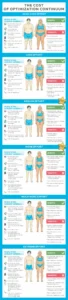
Strain on Personal Resources: The "true cost" of health optimization extends far beyond direct financial outlays. It encompasses the significant time commitment for elaborate meal prep, specialized workouts, tracking metrics, and adherence to complex protocols. This can lead to social isolation, as restrictive diets or rigid schedules may interfere with social gatherings or family life. The mental load of constantly monitoring, researching, and striving for perfection can also be substantial, potentially leading to anxiety, burnout, or dissatisfaction when unattainable ideals are not met.
Navigating Information Overload: Individuals face an overwhelming challenge in discerning credible information from misinformation amidst a saturated market. The sheer volume of conflicting advice from various sources—each claiming unique insights—can lead to confusion, distrust, and a cycle of trying and abandoning different strategies. This underscores the critical role of well-trained, ethical health professionals who can provide evidence-based guidance and help individuals build sustainable habits.
Healthcare Burden and Misdirection of Resources: If individuals disproportionately invest in expensive, unproven interventions, it could divert attention and resources from accessible, effective preventative care. Furthermore, the use of unnecessary diagnostic tests or therapies can lead to false positives, further investigations, and potential iatrogenic harm, placing an undue burden on healthcare systems.
Redefining Sustainable Longevity: Ultimately, the most enduring path to a long, healthy life appears to lie not in the relentless pursuit of "optimal" through extreme measures, but in the consistent application of foundational health practices integrated into a fulfilling and enjoyable life. True longevity is not merely about extending years but enhancing the quality of those years. This means prioritizing joy, social connection, and mental well-being alongside physical health.
For those seeking to navigate this complex landscape, the guidance of qualified professionals, such as certified nutrition coaches, can be invaluable. These professionals help individuals build sustainable nutrition and lifestyle habits that significantly improve physical and mental health without demanding unrealistic sacrifices. By focusing on practical, achievable goals and fostering a balanced approach, they empower individuals to achieve lasting wellness, aligning with the principle that health should enhance life, not dominate it. The journey to longevity is a marathon, not a sprint, and sustainable strategies are the key to crossing the finish line with vitality and contentment.