
A classic British dessert, Banoffee Pie, is experiencing a notable resurgence in popularity, not only for its decadent flavor profile but also as a catalyst for community building and shared culinary joy. Characterized by its harmonious layers of a salty-sweet graham cracker crust, a rich caramel toffee filling, fresh banana slices, and a generous topping of whipped cream, this confection has been identified as a leading favorite in informal culinary gatherings, underscoring a broader trend towards comfort food and communal dining.
The Enduring Appeal of Banoffee Pie

The Banoffee Pie, a dessert of British origin, consistently captivates palates with its intricate balance of textures and flavors. Its foundation is typically a crumbly, buttery graham cracker crust, providing a satisfying counterpoint to the smoothness of the subsequent layers. Above this rests a substantial filling of silky, often homemade, caramel or toffee, which delivers a deep, buttery sweetness. This rich core is then crowned with a layer of freshly sliced bananas, offering a natural sweetness and creamy texture, before being completed with a light, airy topping of whipped cream. This combination results in a dessert that is both indulgent and refreshing, making it a frequent highlight at social events and family gatherings.
Recently, the dessert gained particular acclaim within a household’s "Family Dessert Night" initiative, a weekly tradition dedicated to exploring various confections. The Banoffee Pie reportedly emerged as "the clear winner" among numerous contenders, signaling its broad appeal and ability to delight diverse palates. This anecdotal success reflects a wider appreciation for classic, well-executed desserts that offer a sense of nostalgia and comfort.
A Brief History of a Beloved Dessert

The history of Banoffee Pie traces back to the early 1970s in England. The widely accepted origin story credits Ian Dowding, the chef, and Nigel Mackenzie, the owner, of The Hungry Monk Restaurant in Jevington, East Sussex. The initial concept evolved from an American recipe for "Blum’s Coffee Toffee Pie," which they found difficult to prepare consistently. After several modifications, including the crucial addition of bananas, they perfected what they initially called "Banoffi Pie" (a portmanteau of "banana" and "toffee"). The recipe was published in their cookbook, "The Deeper Secrets of the Hungry Monk," in 1974, and quickly gained traction.
The dessert’s simplicity, coupled with its irresistible flavor, contributed to its rapid spread across the United Kingdom and, eventually, internationally. Its core ingredients were readily available, making it accessible for home bakers, while its impressive presentation made it a staple in restaurants. Over the decades, Banoffee Pie has cemented its place as a beloved classic, often featuring on dessert menus and in home kitchens worldwide, testament to its enduring deliciousness and versatility.
The "Family Dessert Night" Phenomenon: Fostering Community Through Cuisine

The "Family Dessert Night" concept, an informal weekly tradition of preparing and sharing a new dessert, exemplifies a growing trend in contemporary society: the deliberate creation of opportunities for connection and community through food. Initiated for the simple purpose of "joy," these evenings have evolved into significant weekly highlights, often expanding to include friends and neighbors. This approach transforms a routine meal into a structured social event, fostering deeper bonds and extending social networks.
Sociological studies on communal eating highlight the profound impact shared meals have on human connection. Breaking bread, or in this case, sharing dessert, serves as a powerful ritual that strengthens familial ties, facilitates conversation, and builds a sense of belonging among participants. In an increasingly fragmented and digitally driven world, structured social activities like "Family Dessert Night" offer a vital counterbalance, providing tangible, face-to-face interactions centered around a universally appreciated pleasure: food.
The inspiration for the Banoffee Pie’s inclusion in these dessert nights came from a social media video by culinary personality Amy Nash. This illustrates the significant role platforms like Instagram and TikTok play in modern culinary discovery, allowing recipes and food trends to disseminate rapidly and inspire home cooks globally. What begins as a viral clip can translate into real-world culinary experimentation and, ultimately, contribute to the revival of classic dishes and the formation of new social traditions. The ease of access to diverse recipes and cooking techniques online empowers individuals to experiment more frequently, thereby enriching their personal and communal culinary experiences.

Culinary Construction: Deconstructing the Banoffee Pie
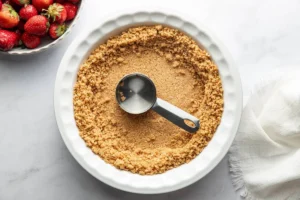
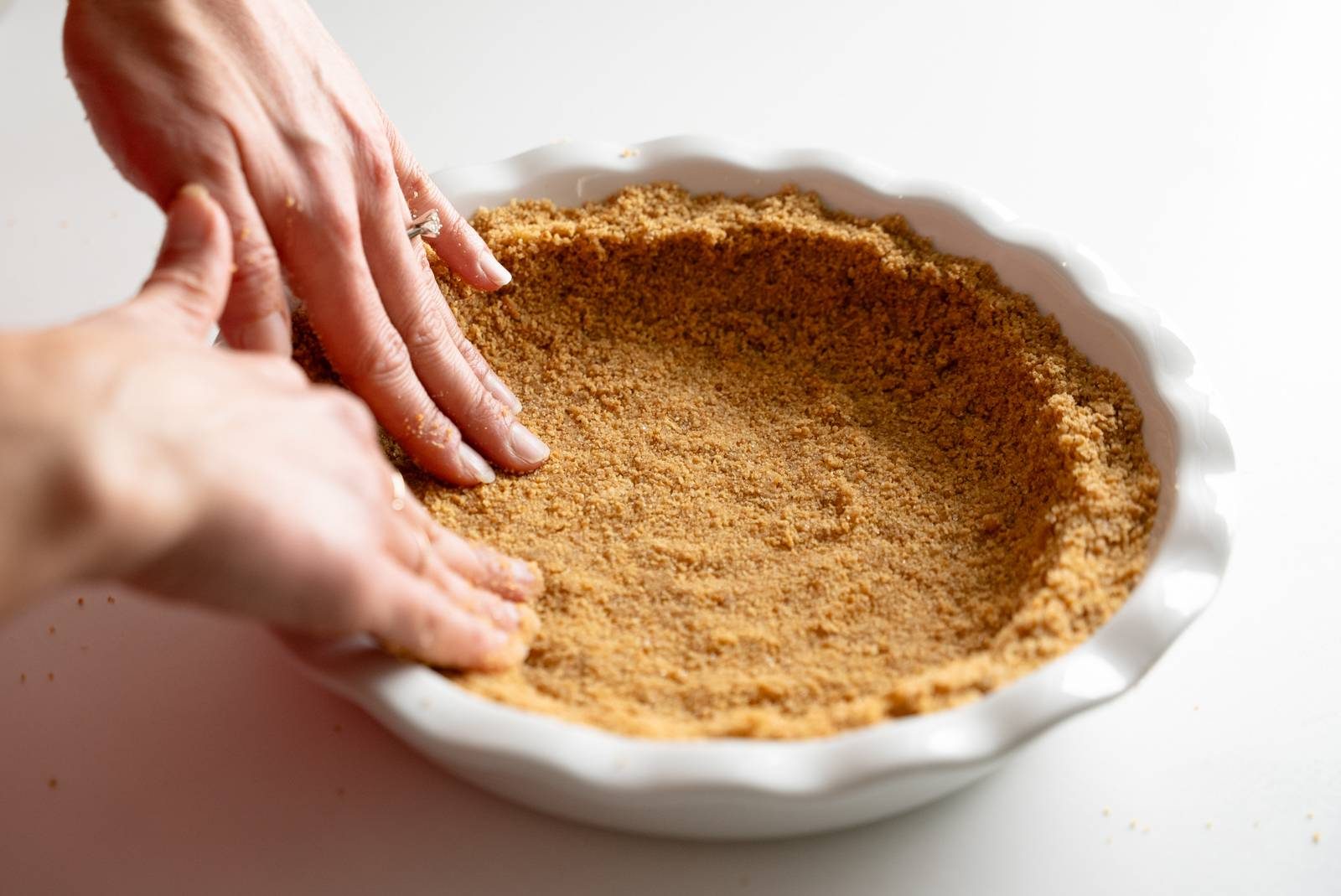
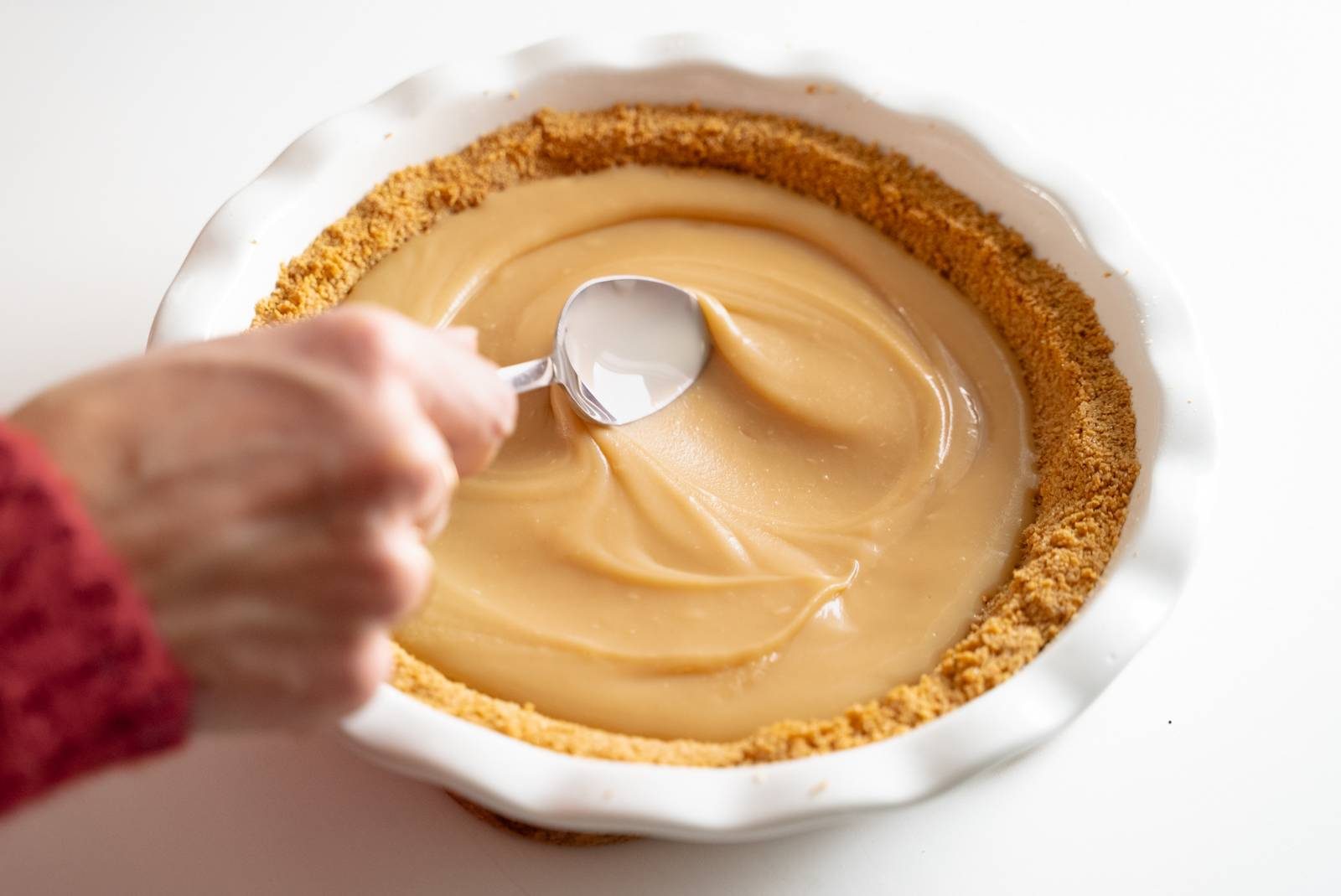
The preparation of Banoffee Pie, while seemingly straightforward, involves a careful layering process that contributes to its signature profile. The construction typically begins with the graham cracker crust. This component involves crushing graham crackers (or digestive biscuits, in the UK), mixing them with melted butter and often a touch of sugar, then pressing the mixture firmly into a pie dish. The crust is then baked briefly or chilled to set, creating a stable and flavorful base. Culinary enthusiasts often note the irresistible aroma and taste of the warm, buttery crumbs even before baking, highlighting the fundamental appeal of this simple yet effective foundation.
The subsequent toffee layer is critical. Traditionally, this is achieved by boiling unopened cans of condensed milk for several hours until the contents caramelize into a thick, dulce de leche-like consistency. Modern interpretations often involve simmering condensed milk with butter and brown sugar, stirring continuously over low heat to prevent scorching, until it thickens into a rich, amber toffee. This process demands patience and attention to achieve the desired silky texture and deep caramel flavor. The resulting toffee is then poured into the cooled crust, allowed to set slightly at room temperature, or chilled in the refrigerator to firm up.
Once the toffee layer is sufficiently set, fresh bananas are sliced and arranged generously over the caramel. The choice of ripe but firm bananas is crucial for optimal flavor and texture. Finally, a generous layer of freshly whipped cream is spread over the bananas, often sweetened lightly with powdered sugar and perhaps a hint of vanilla. The pie is then typically chilled thoroughly before serving to allow the layers to meld and firm up, ensuring clean, elegant slices. The combination of the cool, creamy elements with the rich toffee and crisp crust creates a multi-sensory experience that is both decadent and satisfying.
Nutritional Considerations and Serving Suggestions
Given its rich composition of butter, sugar, condensed milk, and cream, Banoffee Pie is inherently a calorically dense dessert. A single slice can contribute significantly to daily caloric intake, making it an indulgence best enjoyed in moderation. The natural sugars from the bananas add to its sweetness, while the dairy components contribute fats and some protein. Consumers are often advised to enjoy it in smaller portions, allowing for multiple "just one more bite" visits to the refrigerator, which is a testament to its highly addictive qualities.
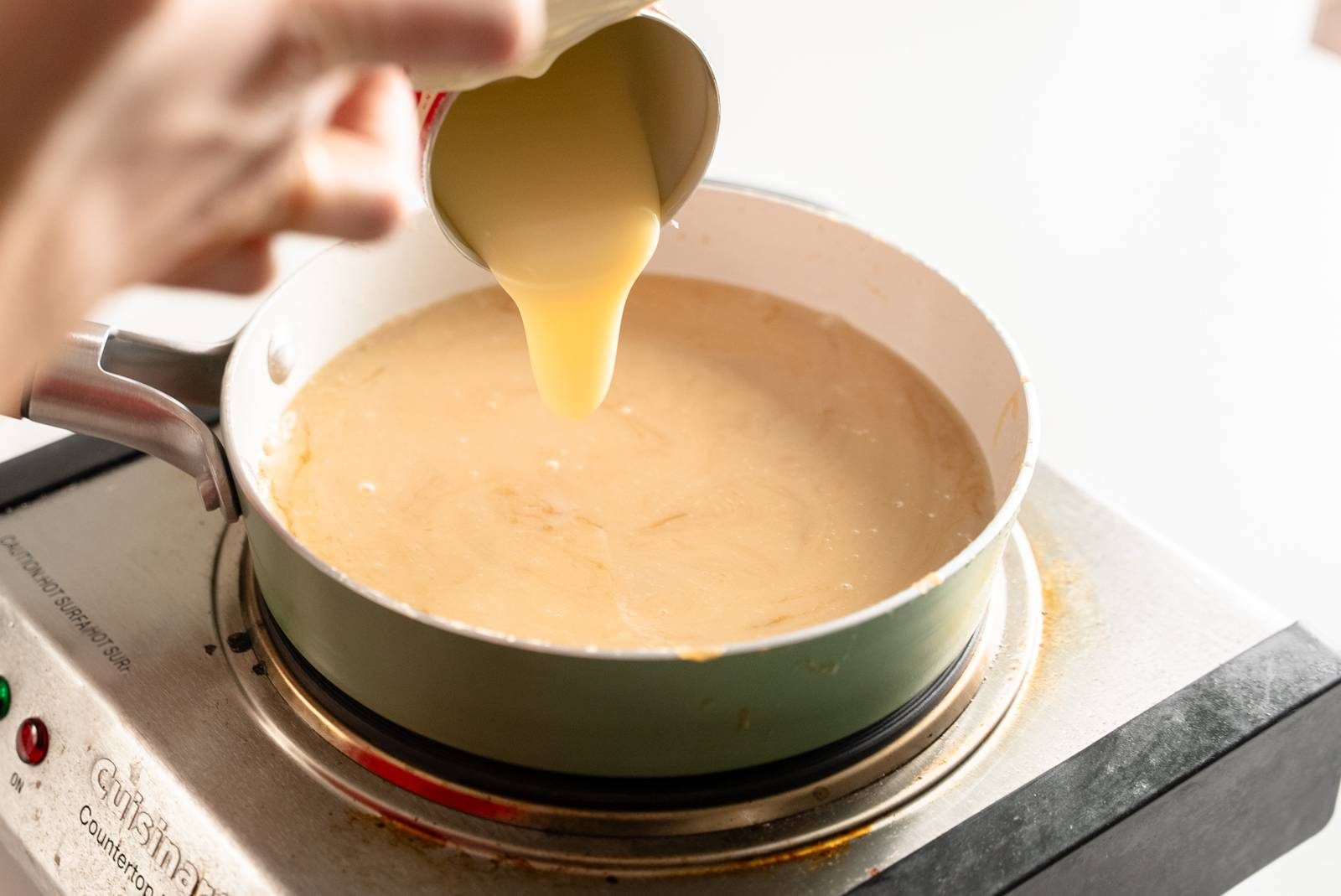
Regarding leftovers, while the pie is often lauded for its deliciousness when served chilled, it is generally recommended to consume it on the same day it is assembled for optimal freshness. The bananas, once sliced and exposed to air, will begin to oxidize and brown, and can also release moisture, potentially making the pie slightly wetter or messier overnight. The whipped cream, too, can lose some of its aeration and firmness over extended refrigeration. However, many find the cold, day-old pie equally enjoyable, despite these minor textural changes. Minor caramelization of butter and brown sugar flecks in the toffee layer during cooking is a common occurrence and does not detract from the pie’s taste or quality.
Expert Commentary on Dessert Trends and Community Building
Culinary experts frequently observe cycles in dessert trends, noting a return to classic, comforting recipes amidst an era dominated by avant-garde gastronomy. "There’s a palpable yearning for nostalgia in our food choices," states Dr. Eleanor Vance, a food historian. "Desserts like Banoffee Pie, with their familiar ingredients and straightforward appeal, offer a sense of security and joy that resonates deeply with people seeking comfort in uncertain times." This sentiment aligns with broader consumer preferences for authentic, homemade-style treats over overly processed alternatives.
Furthermore, sociologists emphasize the increasing importance of shared culinary experiences in strengthening social fabric. "Food is inherently communal," explains Professor David Chen, a specialist in social dynamics. "Initiatives like ‘Family Dessert Night’ are not just about eating; they are about creating traditions, fostering dialogue, and building collective memories. These are fundamental to human well-being and community cohesion, especially in an age where digital interactions often overshadow physical ones." The call to action for others to join in a "community challenge" around making and sharing this pie further underscores the potential of food to act as a powerful social connector.
The Broader Impact: From Kitchen to Community
The enthusiastic reception of Banoffee Pie, particularly within the context of a dedicated "Family Dessert Night," illustrates a significant cultural dynamic: the power of simple, homemade food to act as a catalyst for deeper social connection. Beyond its delectable taste, the pie symbolizes an intentional effort to carve out time for joy, tradition, and communal bonding. This movement extends beyond individual households, inspiring wider participation in shared culinary adventures, whether through inviting friends over or engaging in online challenges.

In an era marked by rapid technological advancement and increasing individualization, the deliberate act of preparing and sharing a dessert like Banoffee Pie represents a conscious return to fundamental human values. It highlights the enduring appeal of tangible experiences, the simple pleasure of creating something delicious from scratch, and the profound satisfaction derived from sharing that creation with loved ones. The Banoffee Pie, therefore, stands not merely as a dessert but as a testament to the enduring power of food to bring people together, fostering warmth, connection, and a renewed sense of community in a complex world. Its journey from a British restaurant special to a globally cherished treat, now inspiring weekly family traditions, underscores its multifaceted impact on contemporary social and culinary landscapes.