
The modern culinary landscape is witnessing a significant shift towards recipes that promise maximum satisfaction with minimal exertion, a trend epitomized by a growing collection of "low-effort, high-reward" dinner ideas. These recipes, characterized by short ingredient lists, straightforward preparation steps, and consistently delicious outcomes, are becoming indispensable for individuals and families navigating increasingly busy schedules. They represent a practical solution for those who desire the comfort and quality of a home-cooked meal without the time commitment or complex techniques often associated with traditional gastronomy. This curated approach to weeknight dining addresses a pervasive need: to deliver a special, nourishing meal even when energy levels are depleted, and kitchen resources are limited.
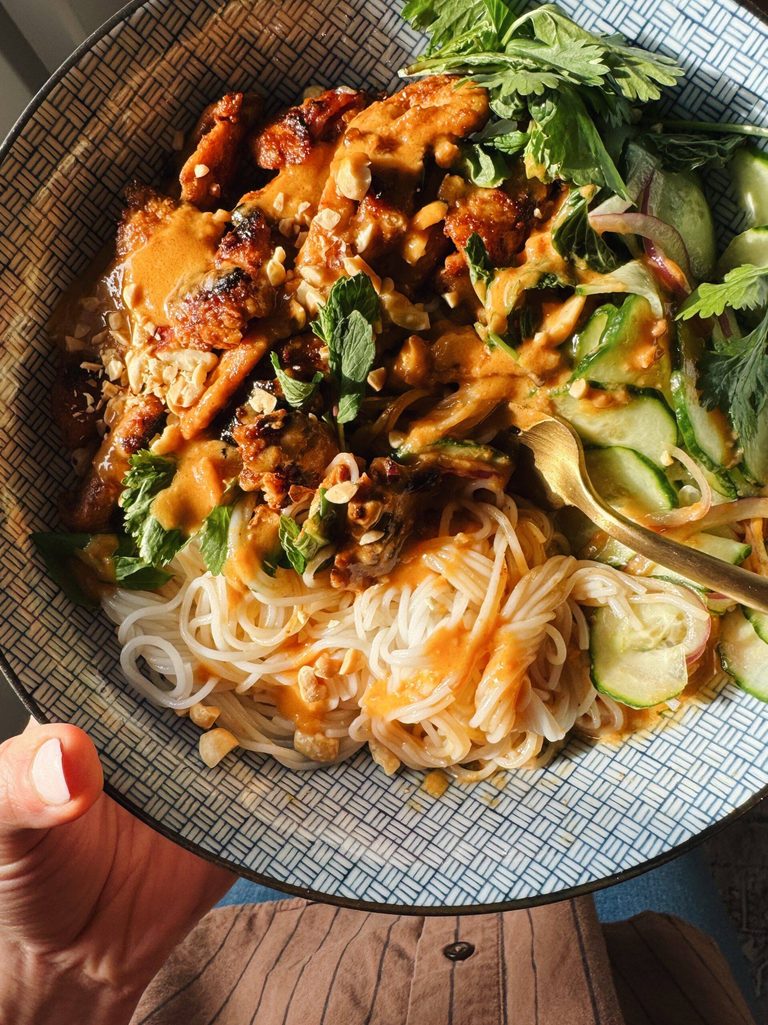
The proliferation of such culinary solutions underscores a broader societal adaptation to contemporary pressures. In many households, the traditional allocation of time for elaborate meal preparation has diminished due to longer working hours, increased extracurricular activities for children, and the general acceleration of daily life. According to a 2022 survey by the American Household Institute, the average time spent on dinner preparation on weeknights has decreased by nearly 15% over the past decade, with respondents overwhelmingly prioritizing speed and simplicity without compromising taste. This demographic shift has created fertile ground for recipes that demystify cooking, making it accessible and enjoyable rather than a chore. The appeal lies in the ability to produce dishes that "feel special"—such as a rich Zuppa Toscana or vibrant Thai Peanut Chicken Bowls—using techniques and ingredients that are far from daunting.

The Evolution of Weeknight Dining: A Chronological Overview
The demand for convenient dinner options is not new, but its manifestation has evolved significantly. The mid-20th century saw the rise of pre-packaged convenience foods, like TV dinners, designed to liberate homemakers from lengthy kitchen duties. While these offered speed, they often sacrificed nutritional value and fresh flavors. The late 20th and early 21st centuries introduced microwaveable meals and a boom in fast-food culture, further cementing the idea of quick consumption. However, a counter-movement began to gain traction in the early 2010s, fueled by a renewed interest in health, fresh ingredients, and the desire to reduce reliance on highly processed foods.
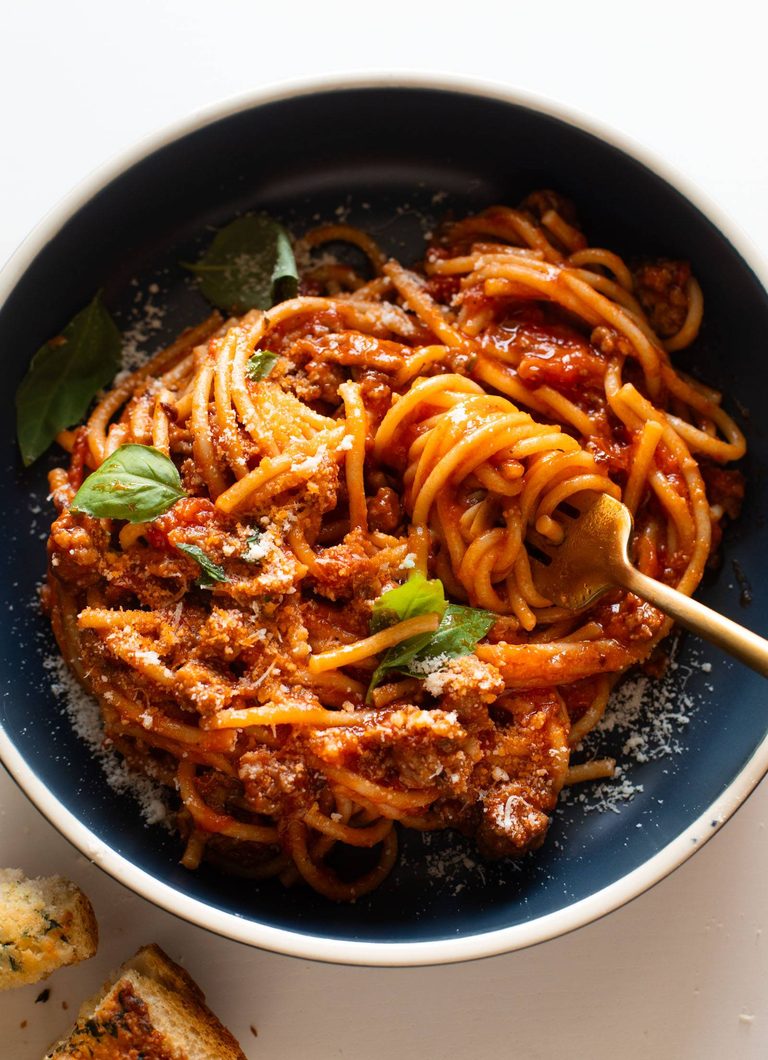
This period saw the emergence of meal kit services, which streamlined the cooking process by delivering pre-portioned ingredients and easy-to-follow recipes. While popular, these often came with a higher price point and generated considerable packaging waste. The current phase, gaining significant momentum in the post-pandemic era, emphasizes "homemade convenience" – recipes that leverage common pantry staples and efficient cooking methods (like sheet pan dinners or Instant Pot creations) to achieve restaurant-quality flavors. This latest evolution represents a synthesis of earlier trends, offering the speed of convenience foods with the freshness and control of home cooking, all while minimizing cost and waste. Recipes like Sheet Pan Jambalaya or Instant Pot Spaghetti exemplify this modern approach, demonstrating how sophisticated flavors can be achieved through simplified processes.

Supporting Data: The Demand for Culinary Efficiency
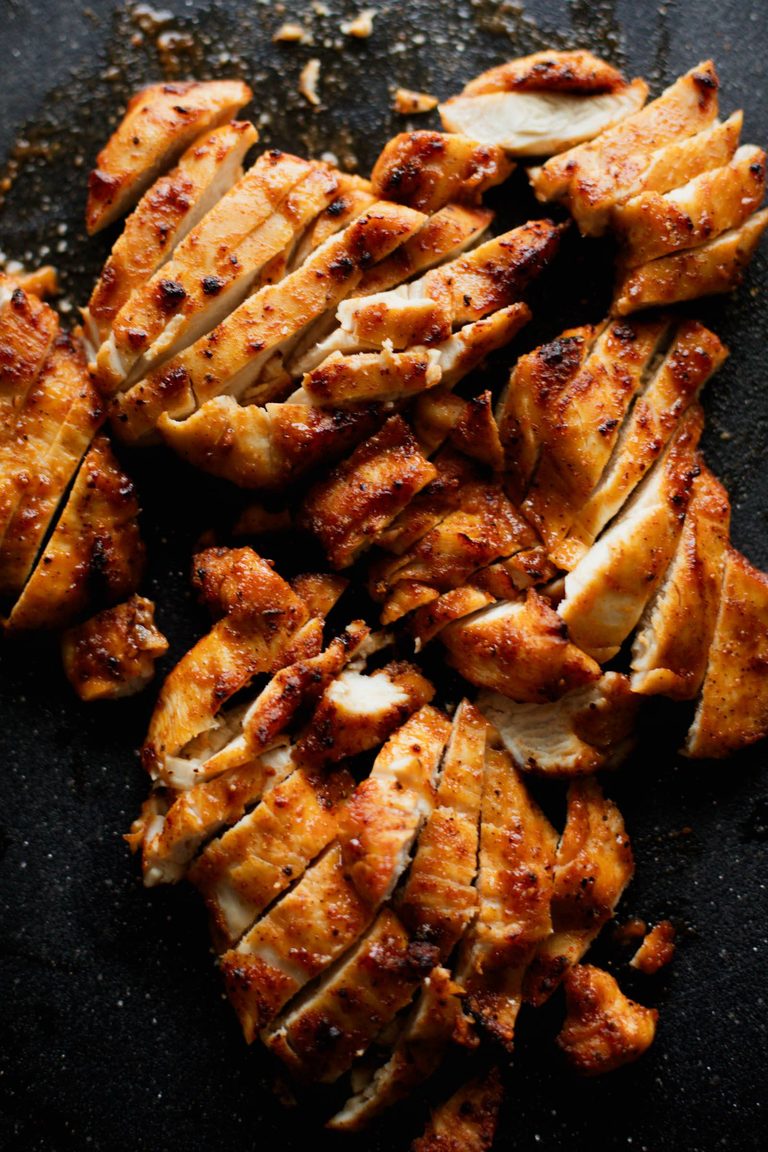
The market indicators strongly support the growing demand for efficient cooking solutions. A recent report by Food Industry Insights highlighted a 25% increase in sales of kitchen appliances designed for speed and simplicity, such as air fryers and Instant Pots, between 2020 and 2023. These tools, which facilitate dishes like Ridiculously Good Air Fryer Chicken Breast or Instant Pot Red Curry Lentils, directly cater to the "low-effort, high-reward" philosophy. Furthermore, grocery retailers have reported a steady increase in demand for pre-chopped vegetables, semi-prepared proteins, and versatile sauces, all of which contribute to reducing preparation time in home kitchens.
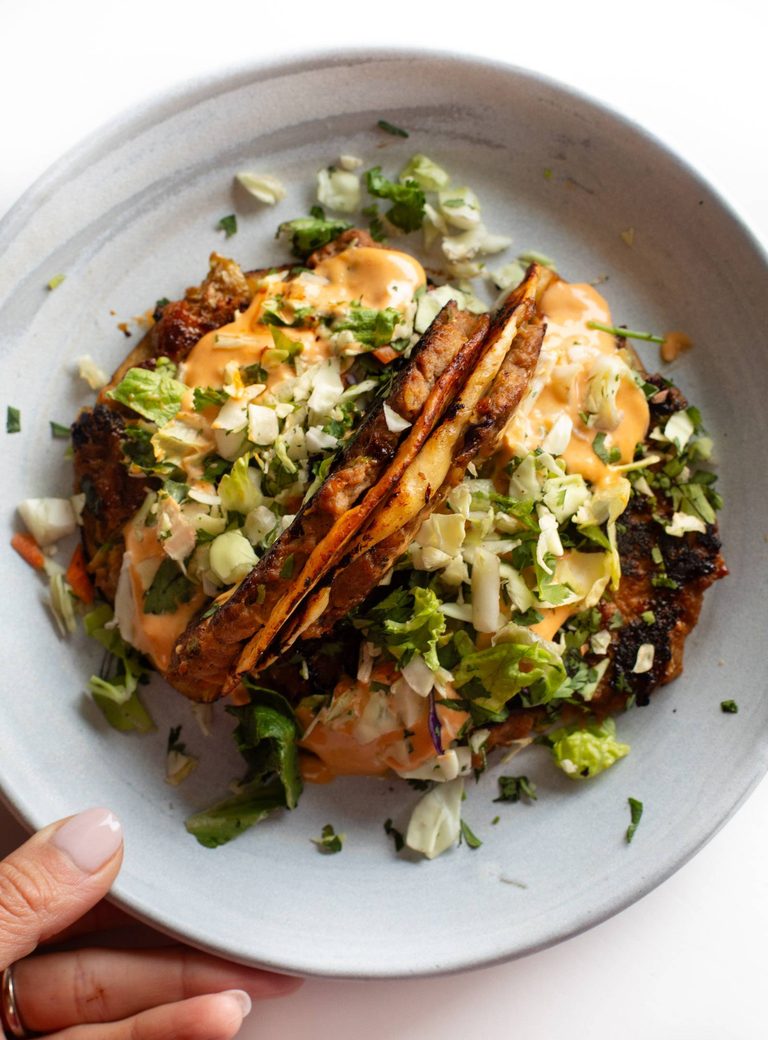
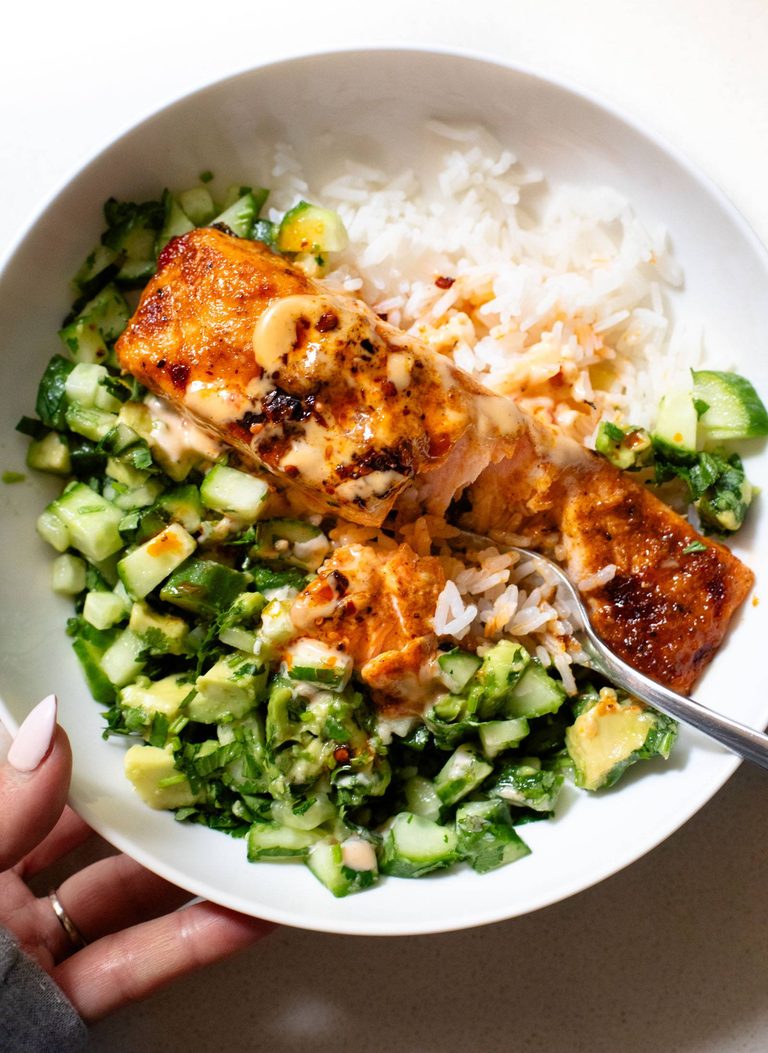
Online search trends also provide compelling evidence. Queries for "quick dinner ideas," "30-minute meals," and "one-pan recipes" have consistently ranked among the top food-related searches for the past five years. Food blogs and online culinary platforms, which regularly feature such content, have seen exponential growth in readership. For instance, recipes such as Brandon’s Egg Roll Tacos or Bang Bang Salmon with Avocado Cucumber Salsa, which combine exotic flavors with approachable preparation, frequently go viral, demonstrating a widespread appetite for inventive yet simple dishes. This digital dissemination further solidifies the trend, as home cooks can easily access and share these time-saving culinary innovations.
Expert Perspectives on the "Low-Effort, High-Reward" Phenomenon
Culinary experts and food industry analysts uniformly acknowledge the sustained relevance of this cooking philosophy. Dr. Eleanor Vance, a food sociologist at the University of Gastronomy, observes, "The ‘low-effort, high-reward’ paradigm isn’t just about saving time; it’s about reducing decision fatigue and increasing confidence in the kitchen. When a recipe consistently delivers excellent results with minimal stress, it empowers individuals to cook more often, fostering healthier eating habits and strengthening family meal traditions." She points to recipes like Harissa Meatballs with Whipped Feta or Crispy Black Bean Tacos with Cilantro Lime Sauce as prime examples of how simple ingredients can be transformed into exciting, flavorful meals without extensive culinary training.

Nutritionists also weigh in on the benefits. Maria Chen, a registered dietitian, notes, "While convenience foods often get a bad rap for being unhealthy, the current wave of low-effort recipes encourages the use of fresh produce and lean proteins. Dishes like Tofu and Brown Rice Lettuce Wraps or Creamy Thai Sweet Potato Curry demonstrate that quick meals can be incredibly nutritious and well-balanced, offering greater control over ingredients compared to takeout options." This emphasis on wholesome components within a streamlined process allows for dietary preferences and health goals to be met without sacrificing precious time.
From a family dynamics perspective, child psychologists and family therapists often advocate for regular family meals as a cornerstone of communication and bonding. "When parents aren’t exhausted and stressed by complicated cooking, the dinner table becomes a more relaxed and positive environment," states Dr. David Miller, a family therapist. "Easy recipes like Instant Pot Coconut Tandoori-Inspired Chicken or Pineapple Pork with Coconut Rice mean less time slaving over a stove and more quality time interacting with family members, which is invaluable."
Categorization and Impact of Specific Recipe Types
The array of "low-effort, high-reward" recipes typically falls into several key categories, each addressing a particular need for efficiency and flavor:
- One-Pot/One-Pan Wonders: These minimize cleanup and often involve layering ingredients on a single sheet pan or in a single pot. Examples include Apricot Chicken with Charred Scallions and One-Pan Farro with Tomatoes and Kale. Their appeal lies in their simplicity from start to finish.
- Pressure Cooker/Slow Cooker Staples: Appliances like the Instant Pot or slow cooker are championed for their "set-it-and-forget-it" functionality. Dishes such as Instant Pot Spaghetti, Crockpot Chicken Gnocchi Soup, and Instant Pot Red Curry Lentils allow for deep flavor development with minimal active cooking time.
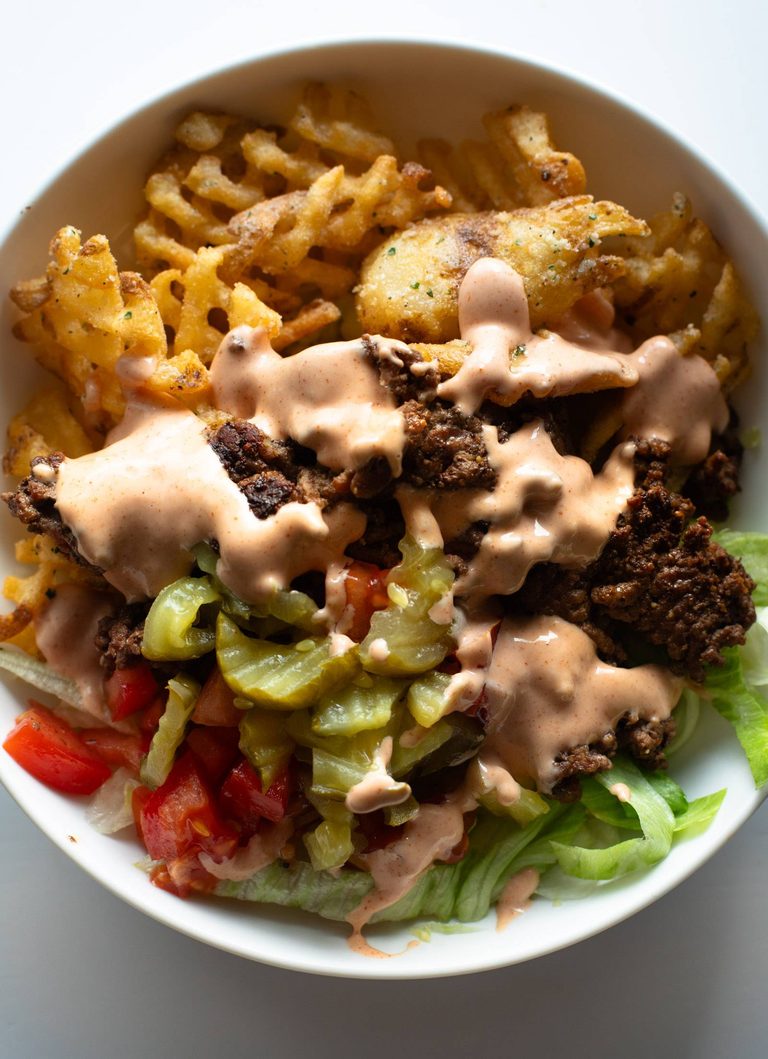
- Deconstructed Classics & Bowls: Reimagining traditional dishes into more accessible formats. Burger Bowls with House Sauce and Ranch Fries or Brandon’s Egg Roll Tacos provide familiar tastes in new, easy-to-assemble configurations. Thai Peanut Chicken Bowls also fall into this category, offering a complete, balanced meal in a single serving.
- Quick-Cook Proteins: Focusing on proteins that cook rapidly and can be enhanced with simple marinades or spices. Ridiculously Good Air Fryer Chicken Breast and Bang Bang Salmon with Avocado Cucumber Salsa are perfect for weeknights when time is of the essence.
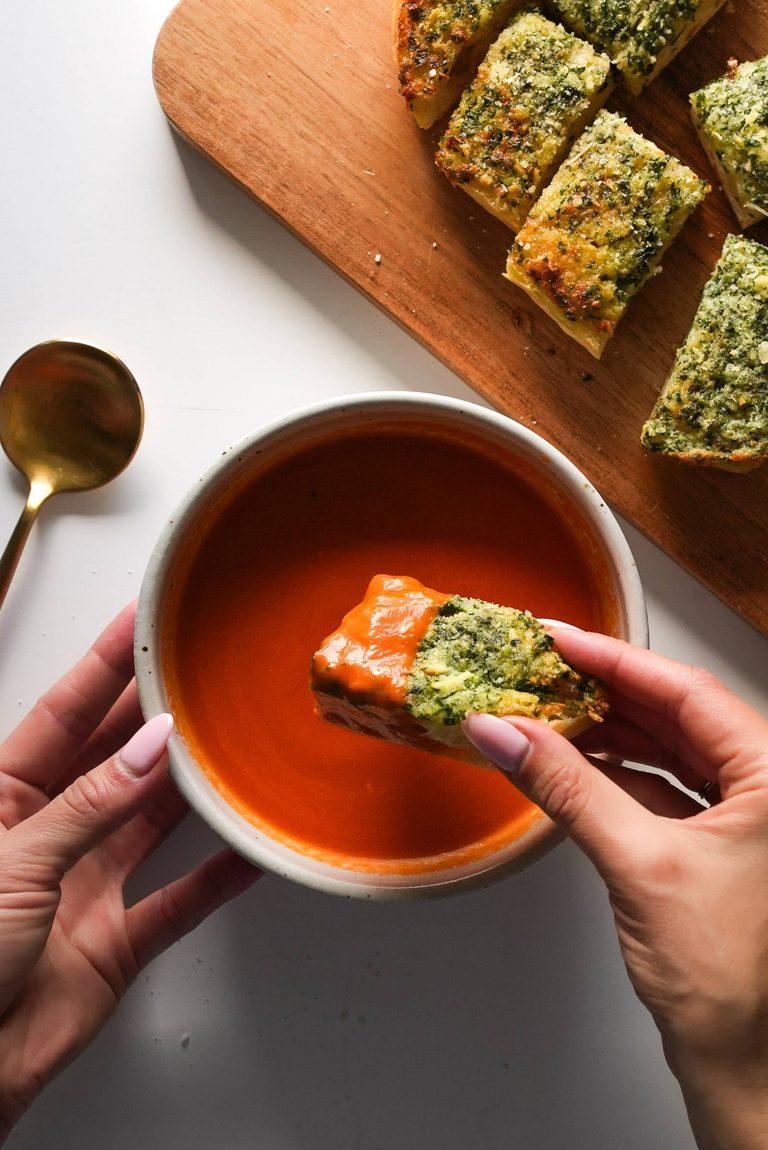
- Comfort Soups & Stews: Often hearty and adaptable, these can be made in larger batches. Zuppa Toscana, 5 Ingredient Tomato Soup, and Steph’s Chickpea Curry with Spinach and Rice offer warmth and flavor with minimal fuss.
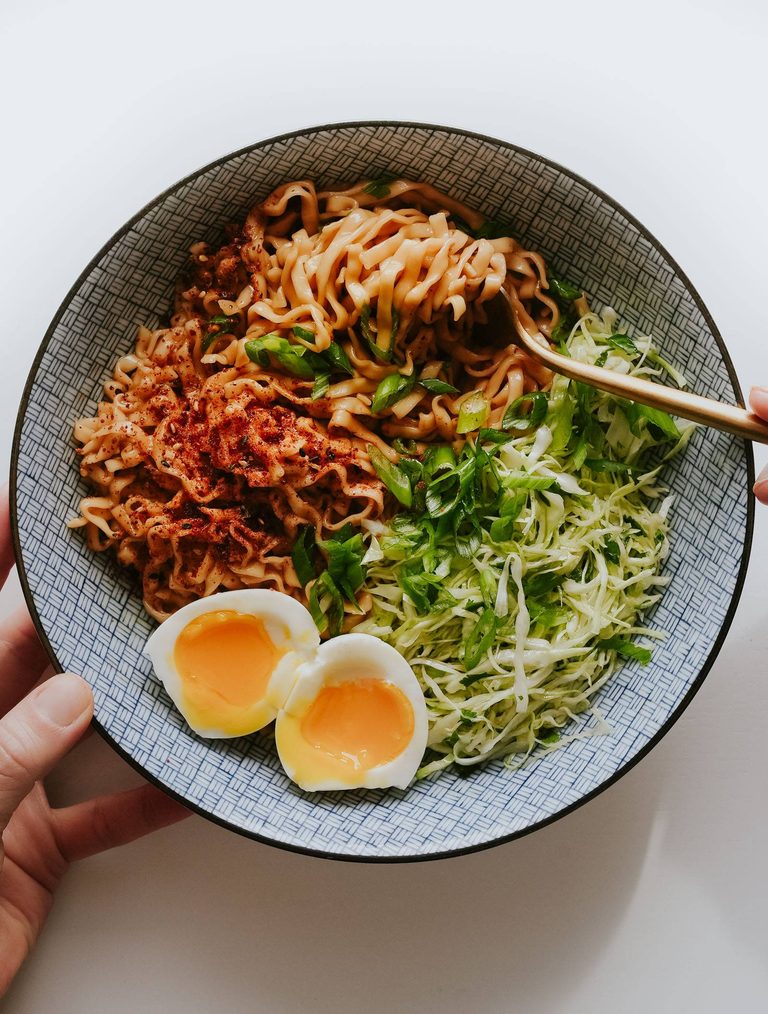
- Creative Carb-Based Meals: Elevating simple pasta or noodle dishes with flavorful sauces and minimal additions. Shortcut Sesame Butter Noodles and Saucy Gochujang Noodles with Chicken deliver satisfying meals quickly.
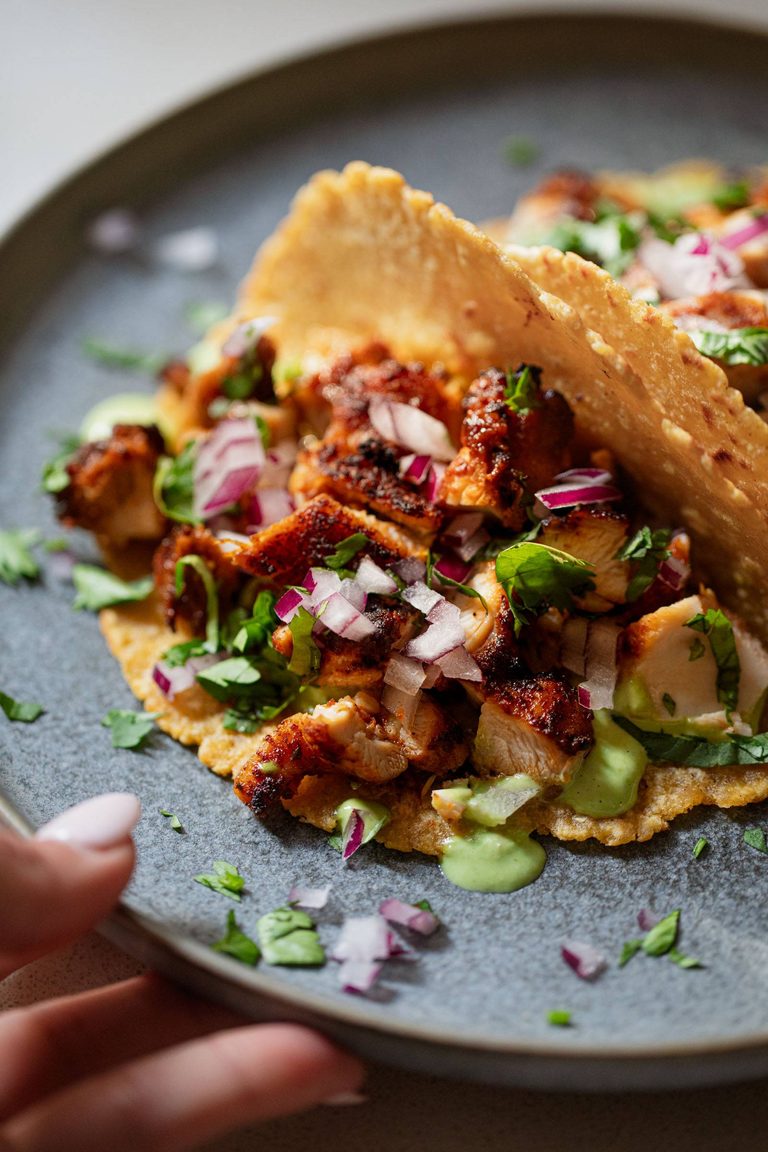
- Vegetarian & Plant-Forward Options: Catering to diverse dietary needs without added complexity. Crispy Black Bean Tacos with Cilantro Lime Sauce, Tofu and Brown Rice Lettuce Wraps, and Cauliflower Black Bean Tostadas provide flavorful meat-free alternatives.
Broader Implications and Future Outlook
The widespread adoption of low-effort, high-reward recipes carries several significant implications for household management, health, and the food industry. For households, it translates to reduced mealtime stress, more consistent access to homemade meals, and potential cost savings compared to frequent dining out. By utilizing simple ingredients and efficient techniques, families can better adhere to budgets, as illustrated by the appeal of dishes like the 5 Ingredient Spicy Pork.

From a health perspective, this trend empowers individuals to make more informed choices about their food intake. By cooking at home, they can control portion sizes, sugar, salt, and fat content, contributing to better overall wellness. The emphasis on fresh ingredients, even in quick meals, fosters healthier eating patterns over time.
For the food industry, this means continued innovation in product development. Expect to see more pre-prepped ingredients, versatile sauces, and appliance-specific recipe suggestions in grocery stores and on food media platforms. The focus will likely remain on convenience that does not compromise on quality or health. The rise of meal-prep friendly options, such as the Best Anytime Baked Chicken Meatballs, also signifies a move towards making healthy eating sustainable throughout the week.
In conclusion, the "low-effort, high-reward" culinary movement is more than just a passing fad; it is a fundamental shift in how modern households approach dinner. It acknowledges the realities of contemporary life while steadfastly upholding the value of home-cooked meals. As culinary technologies advance and lifestyles continue to evolve, these smart, efficient, and delicious dinner solutions will undoubtedly remain a cornerstone of family dining, ensuring that even on the busiest nights, a satisfying and special meal is always within reach.