
The journey from a casual caffeine dependency to a connoisseur’s appreciation for specialty coffee mirrors a broader global trend towards understanding and optimizing every facet of coffee production and preparation. What began for many as a simple means to combat the morning commute, coffee consumption has evolved into a sophisticated discipline, particularly within the burgeoning "third wave" coffee movement that emphasizes quality, traceability, and meticulous brewing. This shift highlights a growing fascination with the intricate chemistry and physics that underpin the extraction process, transforming coffee making from an intuitive art into a reproducible science.

For one individual, a personal transition from occasional coffee drinking to a daily ritual, driven initially by the demands of a post-PhD career and a one-hour commute, catalyzed a deeper dive into the world of specialty coffee. Over 15 years, this pragmatic need blossomed into a profound appreciation for flavor nuances, particularly those found in lightly roasted, single-origin beans. This journey led to an exploration of Scandinavia’s vibrant third-wave coffee scene, exemplified by services like Kaffebox, a monthly subscription delivering curated selections from Nordic roasters. This exposure underscored the vast difference between conventional and meticulously crafted coffees, paving the way for a more analytical approach to brewing.
The unique circumstances of 2020, marked by reduced social interaction during holiday periods, provided an unexpected opportunity for concentrated study and experimentation. A Coffee Advent Calendar, offering 24 days of blind tastings, proved to be an illuminating experience. It revealed the surprising complexity of distinguishing coffee origins and processing methods, demonstrating how significantly these factors influence flavor profiles. This period also involved experimenting with various coffee hand grinders, a seemingly minor adjustment that introduced considerable variability into the daily brewing routine. The initial frustration stemmed from a realization of the inherent difficulty in consistently producing high-quality pour-over coffee. This challenge, however, became a powerful impetus for comprehensive research and learning, leading down a profound rabbit hole of coffee science.
This deep dive into coffee extraction is not an entirely new endeavor. Previous explorations have covered diverse extraction methods, including those utilizing water, oil, and ethanol, as well as the complexities of beer brewing. Specific coffee-related topics previously addressed include Norwegian egg coffee, the convenience of Aeropress for travel, the intriguing effect of adding salt to coffee (including collaborative testing with renowned barista Tim Wendelboe), and the general principles of espresso extraction. However, the recent period of focused study revealed an astonishing breadth and depth of scientific information, particularly concerning pour-over and drip coffee, much of which has emerged in the last decade. A substantial body of scientific literature now supports and informs brewing practices both in professional cafés and for home enthusiasts. This article aims to distill some of these recent learnings and explore new ideas, with a promise of further detailed discussions in subsequent publications.
The Journey from Cherry to Cup: Influences on Coffee Quality
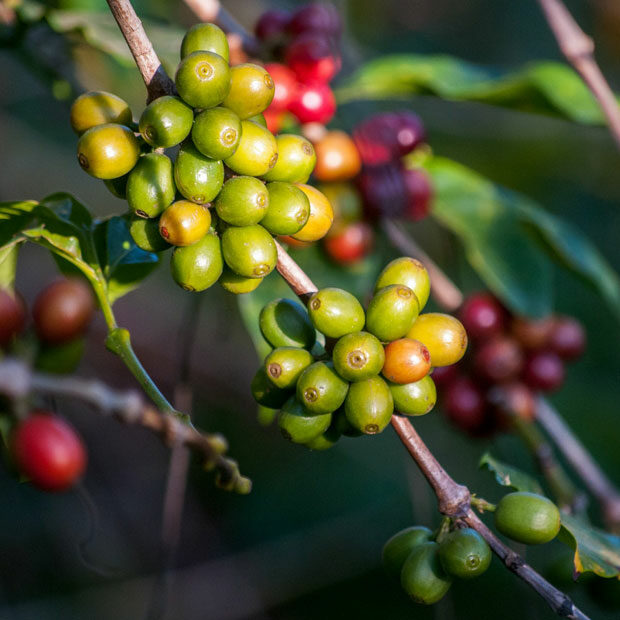
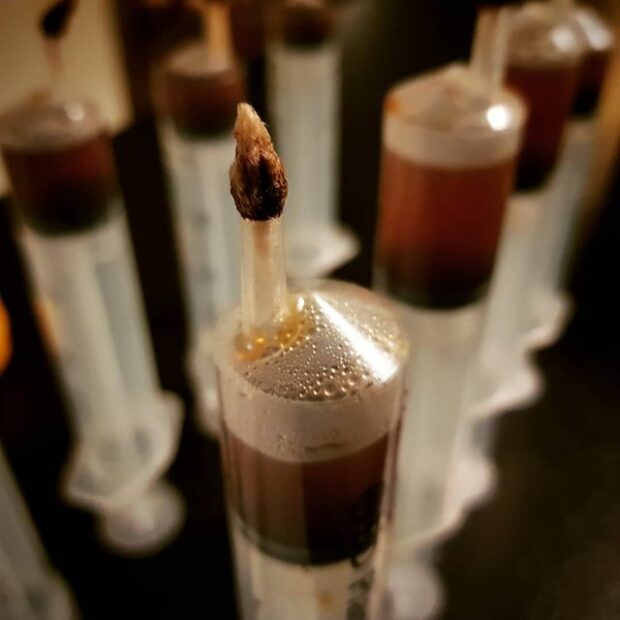
Tracing a cup of coffee back to its origin as a fruit on a Coffea arabica shrub reveals an incredibly intricate chain of influences that collectively determine the final beverage’s quality. Numerous individuals and processing stages, from cultivation to roasting, exert an impact largely beyond the consumer’s direct control. However, the discerning consumer retains significant agency in selecting high-quality beans—sourced from dedicated farmers, processed by skilled craftsmen, and roasted by passionate enthusiasts. It is only when these carefully selected coffee beans arrive in one’s kitchen that the brewer can begin to actively shape the outcome. Several critical parameters, measurable and controllable, allow for precise influence over the final brew.
Precision Brewing: Key Parameters and Their Scientific Underpinnings
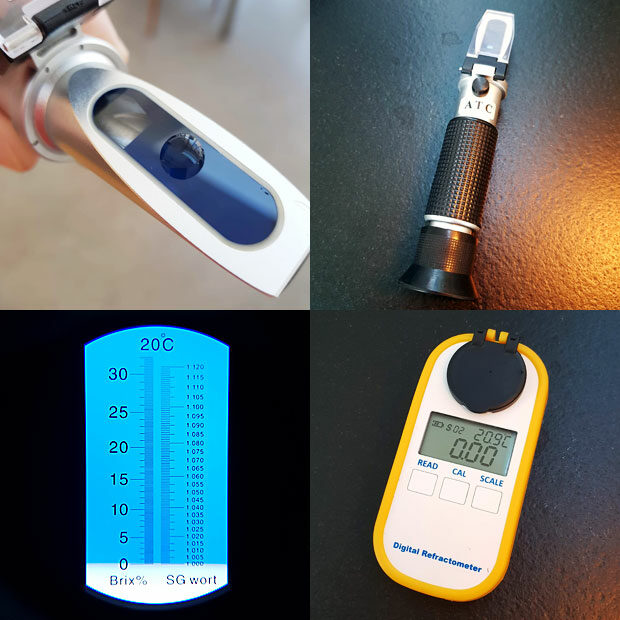
The quest for the optimal coffee experience hinges on understanding and controlling specific variables. The Specialty Coffee Association (SCA) has played a pivotal role in standardizing many of these parameters, offering a framework for consistent quality.
1. Brew Ratio (BR): The Foundation of Coffee Strength
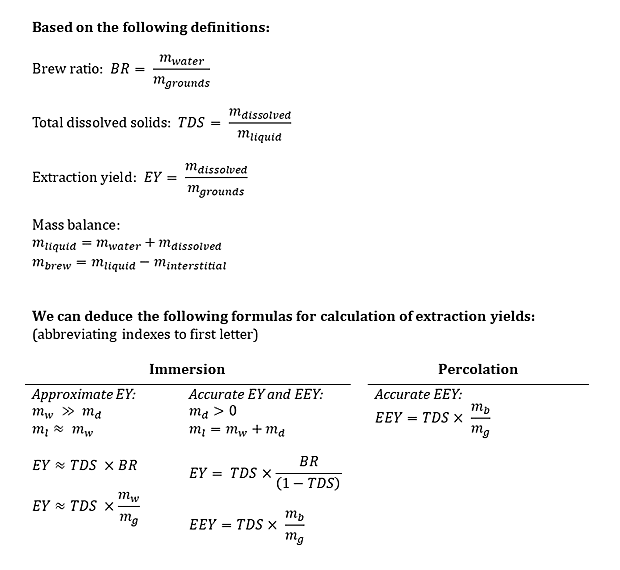
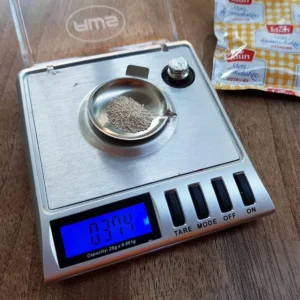
The brew ratio (BR) fundamentally defines the proportion of water to ground coffee. It is calculated as the mass of water divided by the mass of coffee grounds. A widely accepted starting point for filter coffee, often recommended by the SCA, is a ratio of 1:16.7, meaning 60 grams of coffee for every 1000 grams of water (1000g water / 60g coffee = 16.7 BR). This metric serves as a practical "recipe" shorthand, similar to Baker’s percentage in baking, allowing for easy scaling of quantities. Typical brew ratios for black coffee generally fall within the range of 15:1 to 25:1. A lower ratio (e.g., 15:1) will produce a stronger, more concentrated brew, while a higher ratio (e.g., 25:1) will result in a lighter, more delicate cup