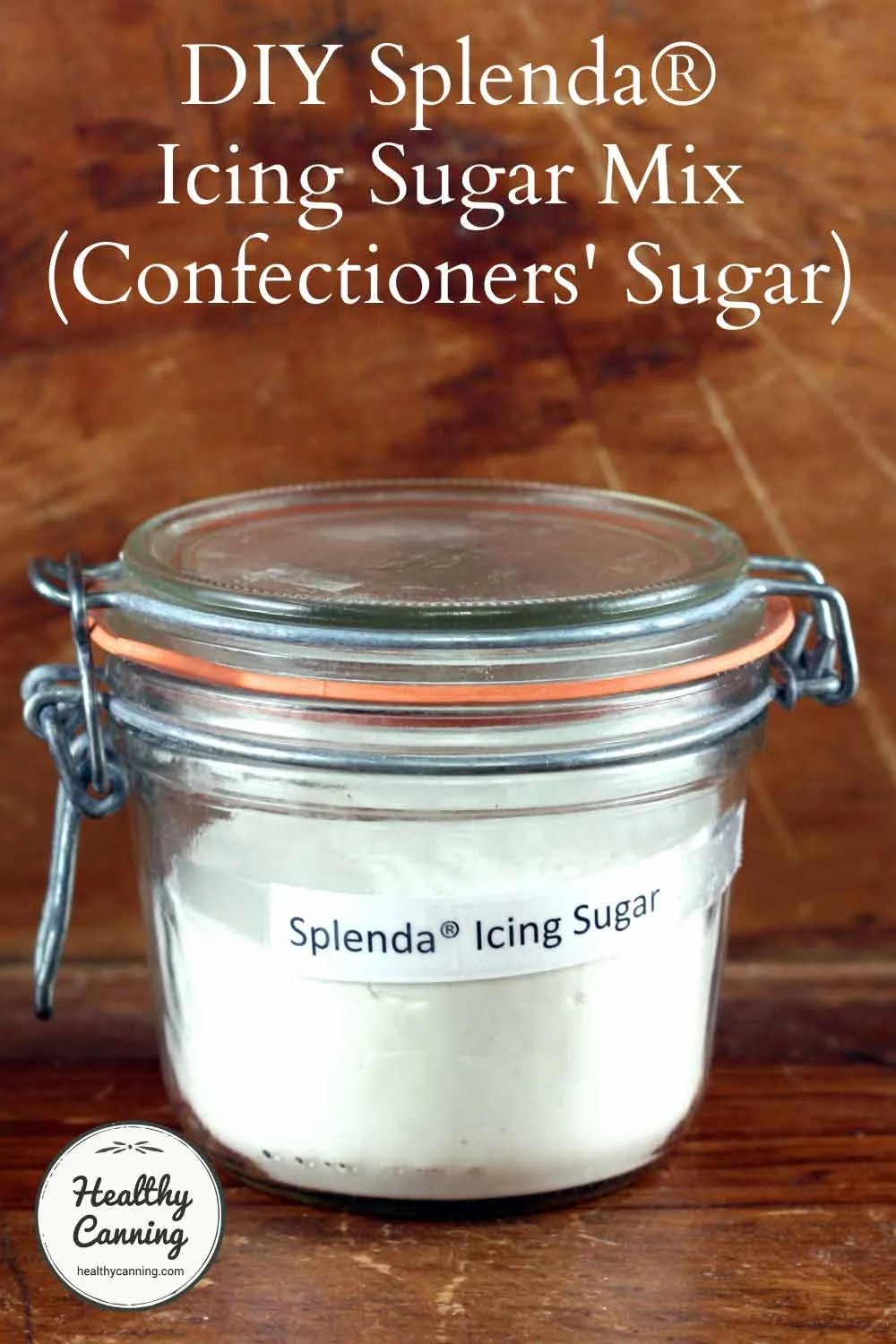

The rising global emphasis on metabolic health and calorie reduction has transformed the landscape of home baking, leading to an increased demand for low-glycemic alternatives to traditional pantry staples. Among these, confectioner’s sugar—also known as icing sugar—remains one of the most challenging ingredients to replace due to its unique fine-particulate texture and functional role in creating smooth glazes and frostings. However, recent culinary developments and nutritional adaptations have popularized a method for producing a DIY Splenda-based icing sugar mix. This innovation allows individuals, particularly those managing diabetes or following calorie-restricted diets, to enjoy desserts with a significantly reduced caloric footprint and minimal impact on blood glucose levels.
The Mechanics of Low-Calorie Confectionery
Traditional icing sugar is produced by grinding granulated sucrose into a fine powder and mixing it with a small amount of anti-caking agent, typically cornstarch. Replicating this at home using sucralose—the heat-stable sweetener marketed under the brand name Splenda—requires a similar mechanical process but offers a drastically different nutritional profile. Unlike sucrose, which contains approximately 4 calories per gram, sucralose is not metabolized by the body for energy, making it essentially calorie-free. When used in a DIY mix, the bulk of the calories and carbohydrates come from the necessary addition of cornstarch, which provides the "body" and flow characteristics essential for a functional glaze.
The DIY Splenda icing sugar mix is designed to create a pourable glaze rather than a stiff, high-fat buttercream frosting. This distinction is critical for home bakers to understand, as the lack of structural mass found in crystalline sugar means the resulting icing is better suited for drizzling over bundt cakes, dipping cookies, or glazing cinnamon rolls. By utilizing a high-speed blender to pulverize granulated sucralose, bakers can achieve the "dust-like" consistency required for these applications, avoiding the grittiness often associated with non-powdered sugar substitutes.
Recipe Specifications and Production Process
To produce a standard batch of approximately 2 cups (150 grams) of plain icing sugar mix, the process involves combining granulated sucralose with a measured amount of cornstarch. While the brand-name Splenda is the most recognized version of this sweetener, generic sucralose or even powdered stevia products can be substituted, provided they are formulated for a one-to-one volume measurement with sugar.

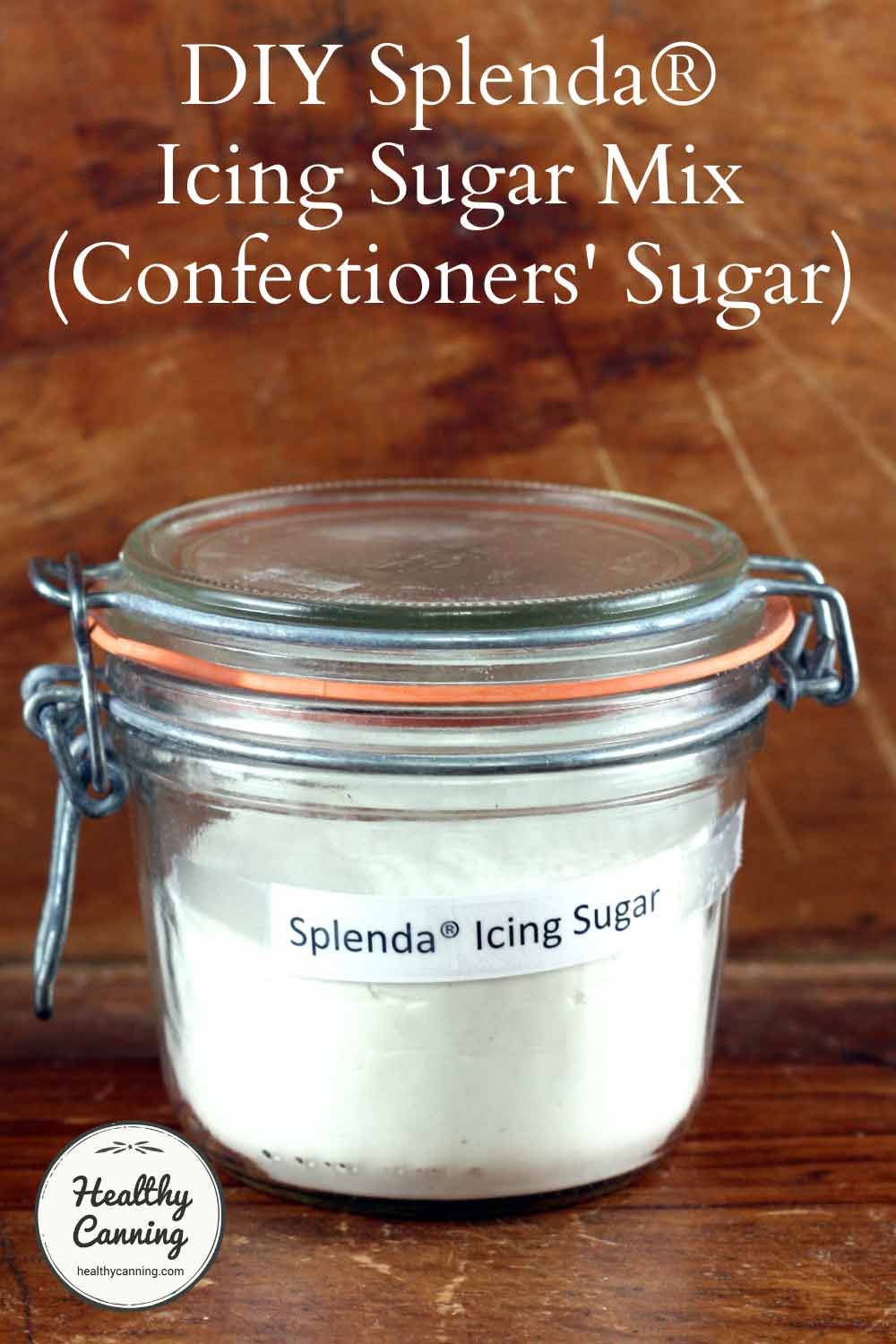
The production methodology is precise. Culinary experts recommend blending only 1 to 2 cups of the mixture at a time. This limitation ensures that the blender blades maintain consistent contact with the granules, resulting in a uniform powder. Overloading the blender jug can lead to uneven textures, where some granules remain intact while others become overly heated by friction. Once processed, this dry mix serves as a stable base that can be stored in an airtight container for future use.
For the application phase, a single batch of icing is typically created by combining a portion of the prepared mix with a fat source—such as low-fat margarine or butter—and a liquid component, usually water or milk. The addition of vanilla extract or other flavorings like lemon or almond can further enhance the profile, masking any potential "chemical" aftertaste sometimes noted with high concentrations of artificial sweeteners.
Historical Context and the Evolution of Sweeteners
The shift toward DIY sugar-free alternatives is rooted in the history of the sweetener industry. Sucralose was discovered in 1976 and received FDA approval for use in 1998. Since then, it has become a cornerstone of the diet industry due to its stability under heat, a property that many other sweeteners, such as aspartame, lack.
In the early 2000s, the "low-carb" craze, fueled by the Atkins and South Beach diets, pushed manufacturers to develop retail versions of powdered sweeteners. However, these pre-packaged options are often significantly more expensive than their granulated counterparts. The DIY movement in the 2020s, accelerated by the "Healthy Canning" and "from-scratch" cooking trends, has empowered consumers to bypass retail markups by processing their own powders. This reflects a broader trend in food sovereignty and cost-management, as inflation continues to affect the pricing of specialized health foods.
Comparative Nutritional Analysis
The nutritional implications of switching to a sucralose-based icing are substantial. According to data derived from standard recipe formulations, a batch of icing made with low-fat margarine and the Splenda mix contains approximately 35 calories. In contrast, a traditional icing made with the same volume of real powdered sugar and butter can exceed 300 to 400 calories depending on the fat content.
| Component | DIY Splenda Icing (Low-Fat Margarine) | Traditional Icing (Butter & Sucrose) |
|---|---|---|
| Total Calories | 35 kcal | 320+ kcal |
| Carbohydrates | ~8g (primarily from starch) | ~60g+ |
| Glycemic Load | Low | High |
| Fat Content | 1-2g | 11-15g |
This data underscores the utility of the DIY mix for individuals with Type 2 diabetes. By reducing the carbohydrate load of the topping, the glycemic response is dampened, preventing the rapid insulin spikes associated with traditional confectionery. Furthermore, for those monitoring heart health, the ability to control the type of fat used—opting for plant-based spreads over saturated animal fats—adds another layer of dietary customization.
Market Response and Consumer Sentiment
While official statements from sweetener manufacturers generally encourage the purchase of their proprietary "baking blends," the consumer response to DIY methods has been overwhelmingly positive. Online culinary communities and forums dedicated to sugar-free living frequently highlight the cost-effectiveness of home-grinding.
"The ability to turn a $5 bag of granulated sweetener into the equivalent of a $15 specialty powdered product is a game-changer for those on a budget," notes a common sentiment among home-baking advocates. However, some professional pastry chefs offer a more tempered reaction, noting that while sucralose-based glazes are excellent for home use, they lack the "crust" or "set" that real sugar provides through crystallization. This feedback has led to the development of "hybrid" recipes, where bakers use a 50/50 mix of real sugar and DIY Splenda mix to balance caloric reduction with structural integrity.
Technical Implications and Limitations
It is important for users to recognize the physical limitations of sucralose in baking. Sugar (sucrose) acts as a humectant, meaning it attracts and holds moisture. Sucralose does not possess this property to the same degree. Consequently, cakes or brownies iced with a DIY Splenda glaze may dry out faster if left uncovered.
Additionally, the "bulk" of sugar contributes to the volume of many baked goods. While this is less of a concern for an icing or glaze, it explains why the DIY mix is often reinforced with cornstarch. The starch acts as a thickener and provides a mouthfeel that mimics the silkiness of traditional confectioner’s sugar. Without it, the pulverized sweetener would dissolve too quickly into the liquid, resulting in a watery consistency rather than a coating glaze.

Broader Impact on Public Health
The promotion of accessible, low-cost sugar alternatives aligns with global public health initiatives. The World Health Organization (WHO) has consistently advocated for a reduction in free sugar intake to less than 10% of total energy intake to combat the rising tide of obesity and non-communicable diseases.
By providing a viable pathway for creating "healthier" versions of celebratory foods, recipes like the DIY Splenda Icing Sugar Mix help bridge the gap between strict dietary compliance and the psychological need for culinary enjoyment. This "harm reduction" approach to nutrition suggests that instead of total abstinence from sweets, the modification of ingredients can lead to sustainable long-term health outcomes.
Final Analysis
The DIY Splenda Icing Sugar Mix represents more than just a kitchen hack; it is a manifestation of the modern intersection between food science, economics, and health. As more consumers move away from processed, high-sugar diets, the demand for versatile, home-made substitutes will likely continue to grow. While it may not perfectly replicate the chemical properties of sucrose in high-level patisserie, its role in the domestic kitchen as a tool for caloric control and diabetic management is firmly established. For the home baker, the process is a simple, cost-effective method to reclaim the joy of dessert without the metabolic cost.