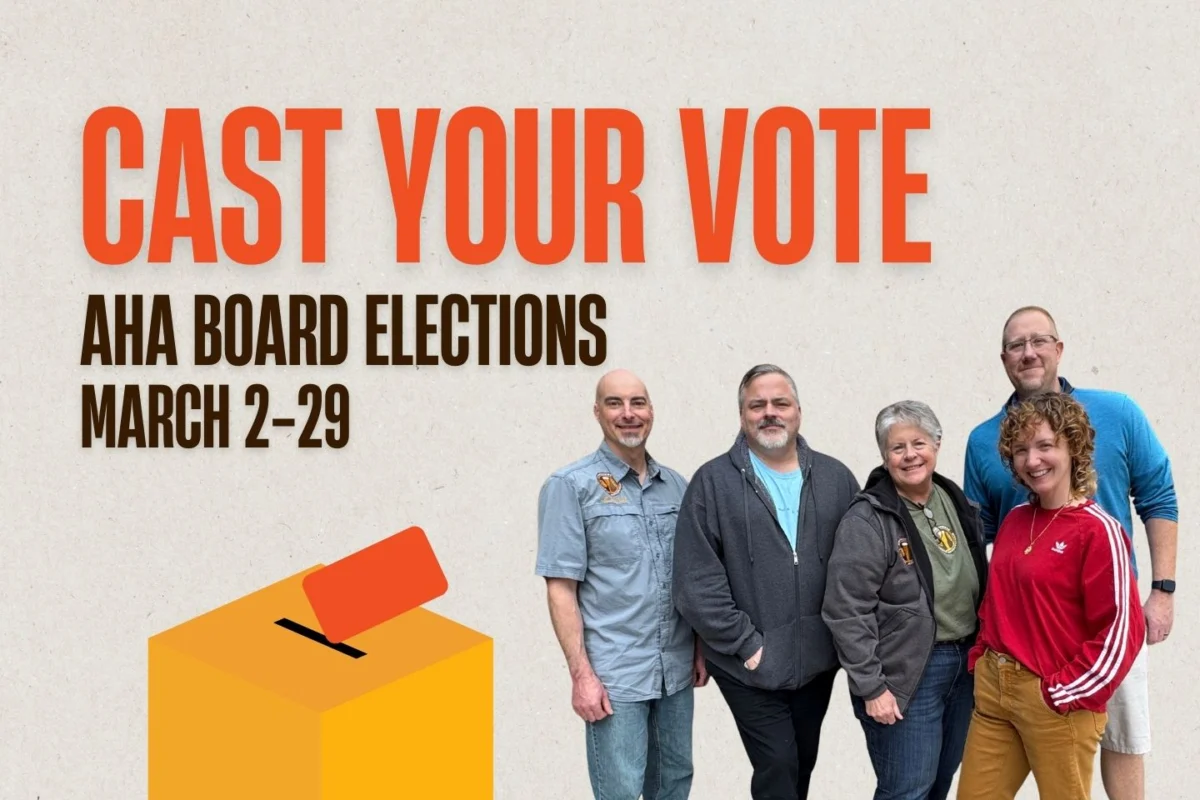

The American Homebrewers Association (AHA) has officially launched its 2026 Board of Directors election, marking a critical milestone in the organization’s ongoing transition toward operational and structural independence. Active members of the association are currently being called to cast their ballots to fill four open seats on the Board of Directors, a body that will be tasked with navigating the association through one of the most transformative periods in its nearly 50-year history. This election follows a rigorous vetting process in which a nominating committee narrowed a field of 28 applicants down to a final slate of ten candidates. The voting period, which runs from March 2 through March 29, 2026, represents the primary mechanism for the AHA’s membership to influence the strategic direction of the hobby’s most influential advocacy group.
As the AHA moves into its second year of independence—a process that began in earnest in 2025—the 2026 election is not merely a routine administrative task but a foundational step in establishing a self-sustaining governance model. The results of the election are scheduled to be announced on April 7, 2026, following a week-long verification process of the electronic ballots. The incoming directors will join three existing founding directors to expand the board from five to seven members, a move designed to provide a broader range of expertise as the organization solidifies its new standing outside the direct umbrella of the Brewers Association (BA).
Historical Context and the Transition to Independence
To understand the significance of the 2026 election, it is necessary to examine the AHA’s historical trajectory. Founded in 1978 by Charlie Papazian in Boulder, Colorado, the American Homebrewers Association was instrumental in the legalization and popularization of homebrewing across the United States. For much of its existence, the AHA operated as a division of the Brewers Association, the trade group representing small and independent American craft brewers. While this relationship provided the AHA with significant resources and a stable platform, the decision to transition to an independent nonprofit entity in 2025 was driven by a desire for greater financial autonomy and a more singular focus on the specific needs of the homebrewing community.
The transition period has required the AHA to re-establish its own bylaws, fiduciary responsibilities, and strategic priorities. The 2026 Board of Directors will be the first "full-cycle" board elected under this new independent framework. This shift comes at a time when the homebrewing landscape is evolving. Following a surge in popularity during the early 2010s, the hobby has faced headwinds from a saturated craft beer market and changing consumer habits among younger demographics. The new board will be expected to address these challenges by modernizing the association’s value proposition.
Board Composition and Candidate Selection
The 2026 election features a slate of ten candidates who were selected following an open call for nominations. This pool was winnowed from 28 initial applicants, reflecting a high level of engagement from the membership despite the organizational changes. The AHA Board Charter stipulates that candidates must demonstrate a blend of professional expertise—ranging from financial management and legal oversight to marketing and community organizing—alongside a deep personal commitment to the hobby of homebrewing.
The expansion of the board from five to seven members is a strategic decision intended to ensure organizational continuity while introducing fresh perspectives. By using staggered terms, the AHA ensures that the board does not lose its institutional memory all at once. The three founding directors remaining on the board will provide a bridge between the initial independence phase and the long-term operational phase. The four newly elected directors will serve multi-year terms, providing the stability necessary to execute long-range plans that often take several years to come to fruition.
Chronology of the 2026 Election Cycle
The election process follows a strict timeline designed to ensure transparency and member participation:
- Late 2025: The AHA issued an open call for board nominations, inviting any active member in good standing to apply.
- January 2026: The nominating committee reviewed 28 applications, conducting interviews and background checks to assess candidate viability and alignment with the AHA’s strategic goals.
- February 2026: The final slate of ten candidates was announced to the membership, accompanied by candidate statements and biographies.
- March 2, 2026: Official voting opened via a secure electronic platform.
- March 29, 2026: The voting window closed at 11:59 p.m. MT.
- March 30 – April 6, 2026: Ballot auditing and verification took place to ensure the integrity of the vote.
- April 7, 2026: The AHA is scheduled to publicly announce the four winning candidates who will take their seats on the board.
Strategic Priorities for the Incoming Board
The directors elected in 2026 will inherit a specific set of mandates that have been identified as vital for the association’s survival and growth. According to official AHA communications, the top priorities for the 2026–2027 period include:
- Financial Sustainability: Establishing a diversified revenue model that does not rely solely on membership dues. This includes exploring new partnerships, sponsorships, and educational programming.
- Membership Growth and Retention: Reversing the industry-wide trend of plateauing homebrew engagement by reaching out to underrepresented demographics and providing resources for "advanced" homebrewers who may have outgrown basic tutorials.
- Legislative Advocacy: Continuing the AHA’s long-standing mission to protect the rights of homebrewers. This includes advocating for the legal transport of homebrew for competitions and clarifying regulations regarding the use of homebrewed products in communal settings.
- Community Engagement: Strengthening the network of local homebrew clubs, which serve as the grassroots foundation of the hobby.
- Event Evolution: Overseeing the direction of major events like Homebrew Con (the National Homebrewers Conference) and the National Homebrew Competition, ensuring they remain relevant and financially viable in a post-pandemic economy.
Analysis of Implications for the Homebrewing Community
The move toward an independent board suggests that the AHA is seeking to become more agile. When the association was a division of the Brewers Association, its goals occasionally had to be balanced against the interests of commercial brewery owners. As an independent entity, the AHA can focus exclusively on the amateur brewer. However, this independence brings significant risk. The new board must manage its own overhead, staff, and legal liabilities without the safety net of a larger parent organization.
Industry analysts suggest that the success of this board will be measured by its ability to "professionalize" the hobby’s leadership. "The AHA is at a crossroads where it must transition from a legacy club into a modern, data-driven advocacy group," says Michael J. Lewis, a long-time observer of the brewing industry. "The 2026 election is the first real test of whether the membership can select leaders who understand the business of the hobby as well as the chemistry of the beer."
Furthermore, the board’s role in legislative advocacy cannot be overstated. While homebrewing is legal in all 50 states, many jurisdictions still have "gray area" laws regarding the sharing of homebrew at festivals or the legality of "homebrew shops" that allow on-site brewing. A strong, legally-minded board will be essential in lobbying state legislatures to modernize these antiquated codes.
Participation and Governance Standards
To ensure a fair and representative election, the AHA has maintained strict eligibility requirements. Only members with an active status as of the start of the voting period are permitted to vote. The association has also emphasized the importance of the AHA Bylaws and the Board Charter, which outline the fiduciary duties of the directors. These documents require directors to act in the best interest of the association at all times, avoiding conflicts of interest—particularly those involving commercial brewing entities that might seek to influence AHA policy for market gain.
The voting process itself is handled by a third-party election service to prevent any internal tampering and to provide an audited trail of results. This level of oversight is intended to build trust among the membership, especially those who may have been skeptical of the transition to independence.
Conclusion and Future Outlook
As the March 29 deadline passed, the AHA reported a strong turnout, suggesting that the membership is highly invested in the outcome of this transition. The April 7 announcement will signal the beginning of a new chapter for the association. With four new directors joining the board, the AHA will have the manpower and the mandate to execute its 2026 priorities.
The broader brewing community will be watching closely. The AHA’s ability to successfully navigate independence will serve as a case study for other hobbyist organizations facing similar market pressures. If the newly elected board can achieve financial stability while fostering a vibrant, inclusive community, the American Homebrewers Association will be well-positioned to lead the hobby into its next half-century. For now, the focus remains on the transition of power and the implementation of a governance structure that is as robust and resilient as the community it represents.