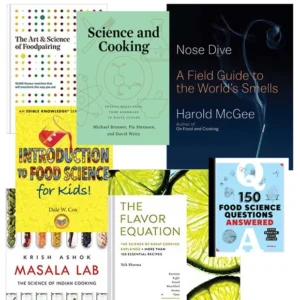

After an extended seven-year hiatus from its celebrated book recommendation series, the influential Khymos blog has re-emerged, offering a meticulously curated list of essential food science literature published in 2020, underscoring the enduring and growing convergence of gastronomy and scientific principles. This much-anticipated return by a seminal voice in the food science community highlights a vibrant year for publications that delve into the molecular intricacies of flavor, aroma, and culinary technique, catering to both seasoned professionals and inquisitive home cooks alike. The renewed focus on these intellectually rigorous yet accessible works reflects a broader trend in the culinary world, where an understanding of the underlying science is increasingly seen as fundamental to innovation and mastery.
The Return of a Guiding Voice: Khymos’s Legacy and Impact
The Khymos blog, established as a significant online resource for those exploring the scientific underpinnings of food and cooking, last published its notable book recommendations in 2013. Its re-engagement with the topic in 2020 marks a pivotal moment, re-establishing a critical curatorial perspective within a field that has seen an explosion of content. The blog’s founder has historically championed books that offer a "scientific touch," moving beyond mere recipes to explain the ‘why’ behind culinary transformations. This philosophy resonates deeply with a demographic eager to understand food not just as sustenance or art, but as a complex chemical and physical system. The hiatus, while long, has seemingly only sharpened the blog’s focus, allowing it to present a distilled selection of the year’s most impactful titles.
The intervening years between Khymos’s last recommendations and its current update have witnessed significant advancements in food science communication. What was once a niche interest, largely popularized by figures like Harold McGee and the rise of molecular gastronomy, has permeated mainstream culinary discourse. Television shows, online courses, and an proliferation of food-focused scientific literature have democratized access to these concepts. Khymos’s return therefore serves not just as a recommendation list, but as a commentary on the maturation of this interdisciplinary field, pointing readers towards works that genuinely contribute to its intellectual depth.
Spotlight on 2020: A Diverse Harvest of Culinary Science
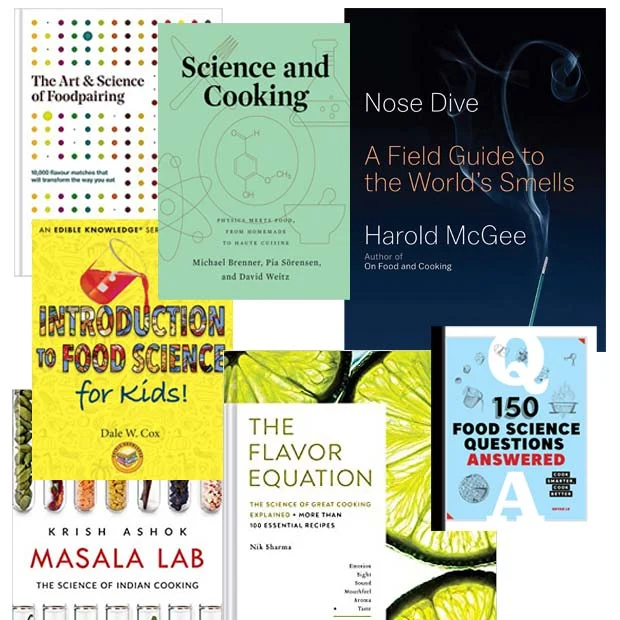
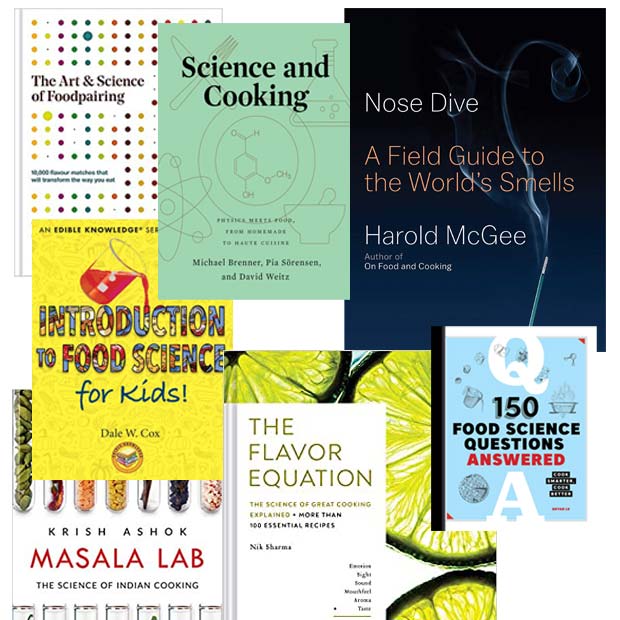
The 2020 selections from Khymos showcase a remarkable breadth, covering everything from fundamental flavor principles to specialized regional cuisine analysis and even introductory texts for children. Each chosen title contributes uniquely to the scientific understanding of food.
"The Flavor Equation" by Nik Sharma: Integrating Science into Every Dish
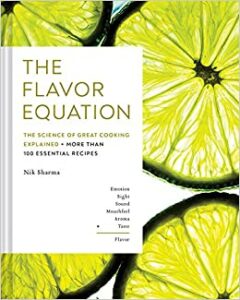
Nik Sharma’s "The Flavor Equation" stands out for its innovative approach to integrating scientific principles directly into the culinary process. With approximately 100 recipes, the book masterfully weaves scientific insights into practical application. Each recipe features a dedicated section, "The Flavor Approach," which provides concise, actionable scientific hints, demystifying concepts often relegated to abstract theory. This integration makes complex ideas immediately relevant and applicable in the kitchen. The book dedicates one-third of its content to exploring flavor from multiple scientific and sensory perspectives, making it an invaluable resource for understanding taste, aroma, and mouthfeel. Its accessibility, combined with the convenience of metric units, makes it "highly recommended" for home cooks seeking to elevate their understanding and execution. Sharma, known for his visually stunning photography and accessible writing, bridges the gap between scientific rigor and culinary artistry, empowering readers to manipulate flavor with precision and creativity.
"Nose Dive: A Field Guide to the World’s Smells" by Harold McGee: An Olfactory Odyssey
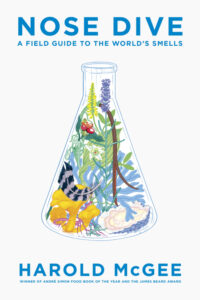
Harold McGee, widely considered a pioneer in popularizing food science with his seminal work "On Food and Cooking: The Science and Lore of the Kitchen," offers his latest magnum opus, "Nose Dive: A Field Guide to the World’s Smells." This 688-page tome is an expansive exploration of olfaction, extending far beyond the confines of the kitchen. McGee delves into the volatile molecules that define smells across the natural and artificial world, from foods to forests and everything in between. While the book names specific chemical compounds, McGee’s narrative prowess ensures that the scientific details are presented in an engaging and non-intimidating manner, making it accessible even to those without a scientific background. The Khymos review emphasizes that readers interested in the subject should not be deterred by the scientific depth, as McGee’s gift lies in making the complex comprehensible and fascinating. "Nose Dive" solidifies McGee’s legacy as a preeminent authority on the sensory aspects of food and environment, offering a comprehensive understanding of the often-underestimated sense of smell. Its publication was met with widespread critical acclaim, lauded for its encyclopedic scope and poetic prose, proving indispensable for anyone fascinated by the invisible world of aromas.
"Science and Cooking: Physics Meets Food, From Homemade to Haute Cuisine" by Michael Brenner, Pia Sørensen, and David Weitz: Harvard’s Culinary Classroom
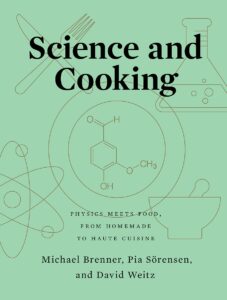
Born from the highly popular "Science and Cooking" course at Harvard University, this 320-page book by Michael Brenner, Pia Sørensen, and David Weitz brings the renowned curriculum to a wider audience. The course, which began a decade prior to the book’s publication, is famous for featuring an array of celebrated chefs, scientists, and authors who explore the intersection of science and cooking. Many of these lectures are freely available on YouTube, demonstrating the course’s commitment to open education. The authors, hailing from diverse scientific backgrounds including applied mathematics, chemistry, and physics, expertly integrate their expertise with culinary topics. The book seamlessly combines scientific explanations with practical recipes, ensuring that theoretical knowledge is always grounded in real-world application. Like "The Flavor Equation," it earns a bonus for its use of metric units, reflecting an international standard often preferred in scientific and professional culinary contexts. This publication serves as an excellent textbook for anyone serious about understanding the scientific principles that govern everything from emulsion stability to heat transfer in cooking, making it a cornerstone reference for both students and advanced practitioners.
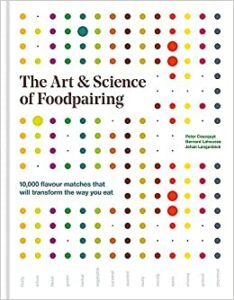
"The Art and Science of Foodpairing" by Peter Coucquyt, Bernard Lahousse, and Johan Langenbick: Charting Flavor Harmonies
"The Art and Science of Foodpairing" compiles years of research and application from the company Foodpairing, a leader in data-driven flavor combinations. The Khymos review acknowledges its long-standing interest in the topic, referencing previous interviews with Bernard Lahousse and reports from The Flemish Primitives conferences. While the concept of flavor pairing has faced scrutiny and is sometimes considered controversial within the culinary community—with some critics arguing it oversimplifies or even stifles creativity—this book provides a robust, evidence-based exploration. It delves into the scientific principles, primarily based on shared aromatic compounds, that explain why certain ingredients harmonize. The authors present a comprehensive framework that outlines where scientific understanding ends and culinary artistry begins, emphasizing that the scientific foundation serves as a powerful springboard for creative inspiration. For chefs and food enthusiasts looking to move beyond traditional pairings and explore novel flavor combinations, this book offers both a scientific roadmap and a wealth of practical ideas, guaranteeing "inspiration in the kitchen." Its approach leverages big data and analytical chemistry to map flavor profiles, representing a cutting edge in gastronomic innovation.
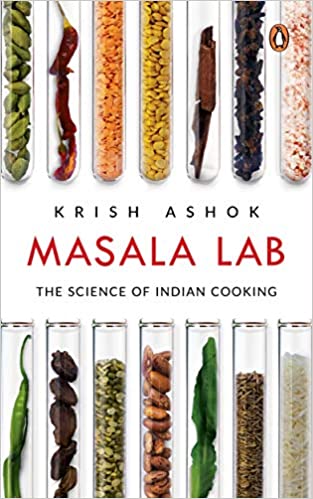
"Masala Lab" by Krish Ashok: Scientific Lens on Regional Cuisine
A standout recommendation for its unique focus, "Masala Lab" by Krish Ashok is celebrated for applying a scientific lens to regional cuisines, specifically Indian cooking. The author, an electronic/software engineer, brings a precise, analytical curiosity to the kitchen, demystifying the complex processes and ingredient interactions inherent in Indian culinary traditions. The Khymos review expresses delight at seeing such scientific treatment extended to non-Western cuisines, highlighting a growing global trend in food science literature. While the book’s initial availability was noted as primarily through Amazon India, its inclusion on the list signals its significant contribution to expanding the scope of food science beyond its traditional Eurocentric focus. "Masala Lab" promises to unravel the scientific rationale behind techniques like tempering spices, making curries, and fermenting batters, offering profound insights for both seasoned cooks of Indian cuisine and newcomers eager to understand its depths. It represents a vital step towards a more inclusive and global understanding of food science.
"150 Food Science Questions Answered: Cook Smarter, Cook Better" by Bryan Le: A Practical Handbook
For those new to applying a scientific mindset in the kitchen, Bryan Le’s "150 Food Science Questions Answered: Cook Smarter, Cook Better" serves as an excellent entry point. This 198-page book is structured as a comprehensive Q&A, organized into chapters covering cooking basics, flavor fundamentals, main ingredient groups, and crucial food safety and storage information. It is designed to be a handy reference guide, perfect for quickly looking up specific queries or for casual browsing that inevitably sparks new interests. The Khymos review recommends it for its accessible format and its ability to confidently provide "something that grabs your interest." This book acts as a practical companion, demystifying everyday kitchen phenomena and empowering readers to make informed decisions about their cooking processes, ultimately leading to better and safer culinary outcomes.
"Introduction to Food Science for Kids!: A Kitchen-Based Workbook" by Dale W Cox: Cultivating Young Scientists
Concluding the 2020 list is "Introduction to Food Science for Kids!: A Kitchen-Based Workbook" by Dale W Cox. This 112-page book aptly lives up to its title, positioning the kitchen as an ideal "arena to introduce children to chemical and physical concepts." It underscores the growing recognition of experiential learning in STEM education, leveraging the inherent curiosity children have about food. By engaging young learners in kitchen-based experiments and activities, the book aims to foster an early appreciation for scientific principles in a fun, tangible, and relevant context. This inclusion reflects a forward-thinking approach, acknowledging that cultivating scientific literacy from a young age, particularly through an engaging medium like food, is crucial for future generations.
The Broader Landscape: A Resurgent Dialogue in Culinary-Scientific Literature
The Khymos blog’s re-entry into the book recommendation sphere with its 2020 selections signifies more than just a curated list; it marks a resurgence in a vital dialogue about the evolution of culinary literature. The seven-year gap between recommendations, while substantial, highlights the blogger’s commitment to only endorsing truly impactful works. The landscape of food literature has undergone a significant transformation since 2013, with a clear shift towards scientific rigor and interdisciplinary approaches.
Early pioneers like Harold McGee paved the way, demonstrating that science was not merely for laboratories but was intrinsically linked to the everyday act of cooking. His foundational "On Food and Cooking" (first published in 1984, revised 2004) ignited a generation’s interest. The subsequent rise of "molecular gastronomy" in the early 2000s, championed by chefs like Ferran Adrià and Heston Blumenthal, brought scientific techniques into haute cuisine, further fueling public curiosity. This period saw a proliferation of cookbooks that attempted to demystify these advanced techniques, though often without the deep scientific explanation now found in works like those recommended by Khymos.
The 2020 selections demonstrate a maturation of this field. Books like "The Flavor Equation" and "Science and Cooking" seamlessly integrate scientific explanation with practical application, moving beyond mere novelty to fundamental understanding. "Nose Dive" extends the scientific inquiry beyond the plate, while "Masala Lab" breaks down geographical and cultural barriers, proving that scientific principles are universal in their application to food. The inclusion of a children’s book further illustrates the mainstreaming of food science, indicating its perceived importance across all age groups.
Implications for Culinary Education and Practice
The implications of such literature are profound, impacting culinary education, professional kitchens, and home cooking alike. For culinary schools, these books provide essential texts that move beyond traditional recipe-based instruction, fostering a deeper understanding of ingredient properties, cooking methods, and sensory perception. This scientific foundation equips aspiring chefs with the tools for innovation, allowing them to adapt, create, and problem-solve rather than merely replicate.
In professional kitchens, an understanding of food science translates into greater consistency, efficiency, and creative freedom. Chefs armed with knowledge of emulsion stability, Maillard reactions, or enzyme activity can troubleshoot issues, optimize processes, and develop novel dishes with greater precision. The data-driven approach of "Foodpairing" exemplifies how scientific analysis can inspire new flavor combinations that might not be discovered through intuition alone.
For home cooks, these books offer empowerment. They transform cooking from a series of instructions into an act of informed creation. Understanding the science behind baking soda’s reaction or why searing meat creates flavor allows for greater control and confidence, demystifying failures and encouraging experimentation. The metric units in several recommended books also cater to a global audience of home cooks, further democratizing access to this knowledge.
The Future of Gastronomic Science: A Concluding Outlook
The Khymos blog’s return with its 2020 book recommendations serves as a powerful affirmation of the ongoing evolution of gastronomic science. It underscores a growing global appetite for understanding the fundamental principles that govern our food. As technology advances and scientific research continues to unravel the complexities of flavor, nutrition, and texture, the demand for accessible, high-quality literature that bridges the gap between the lab and the kitchen will only intensify. The curated list from Khymos not only highlights excellent works from a specific year but also points towards a future where culinary excellence is inextricably linked with scientific literacy, making for more informed, creative, and adventurous cooking for all. The engagement of figures like Harold McGee continues to inspire, while newer voices like Nik Sharma and Krish Ashok ensure the field remains dynamic, diverse, and deeply relevant to our daily lives.