
The quest for the perfect sourdough loaf often centers on a single, elusive characteristic: its signature tang. While some bakers strive for an assertive, mouth-puckering acidity that defines the essence of sourdough, others prefer a more nuanced, subtle sourness that complements the bread’s other flavors. This guide delves into the intricate interplay of time, temperature, and microbial activity that governs sourdough’s sour profile, offering bakers precise control over this fundamental aspect of their craft.
Understanding the Microbial Symphony: Lactic vs. Acetic Acid
At the heart of sourdough’s characteristic tang lie two primary organic acids produced during fermentation: lactic acid and acetic acid. Lactic acid, generated by lactic acid bacteria (LAB), imparts a smooth, mild, and almost creamy sourness, reminiscent of yogurt. This acid contributes a gentle complexity to the finished loaf. In contrast, acetic acid, also produced by LAB, is sharper and more pungent, akin to the vinegar found in household pantries. This acid is responsible for the more assertive, tangy bite that many sourdough enthusiasts crave.
The relative proportions of these acids are not accidental; they are a direct result of the environmental conditions within the dough. Bacteria, the key players in this microbial symphony, are highly sensitive to their surroundings, particularly the pH level. As they ferment sugars, they produce acid, which in turn lowers the pH. Eventually, the pH drops to a point where bacterial activity significantly slows down, creating a natural self-limiting process. Bakers can manipulate this process at nearly every stage of breadmaking, influencing both the total amount of acid produced and the dominance of lactic or acetic acid.
Key Factors for Controlling Sourdough Sourness
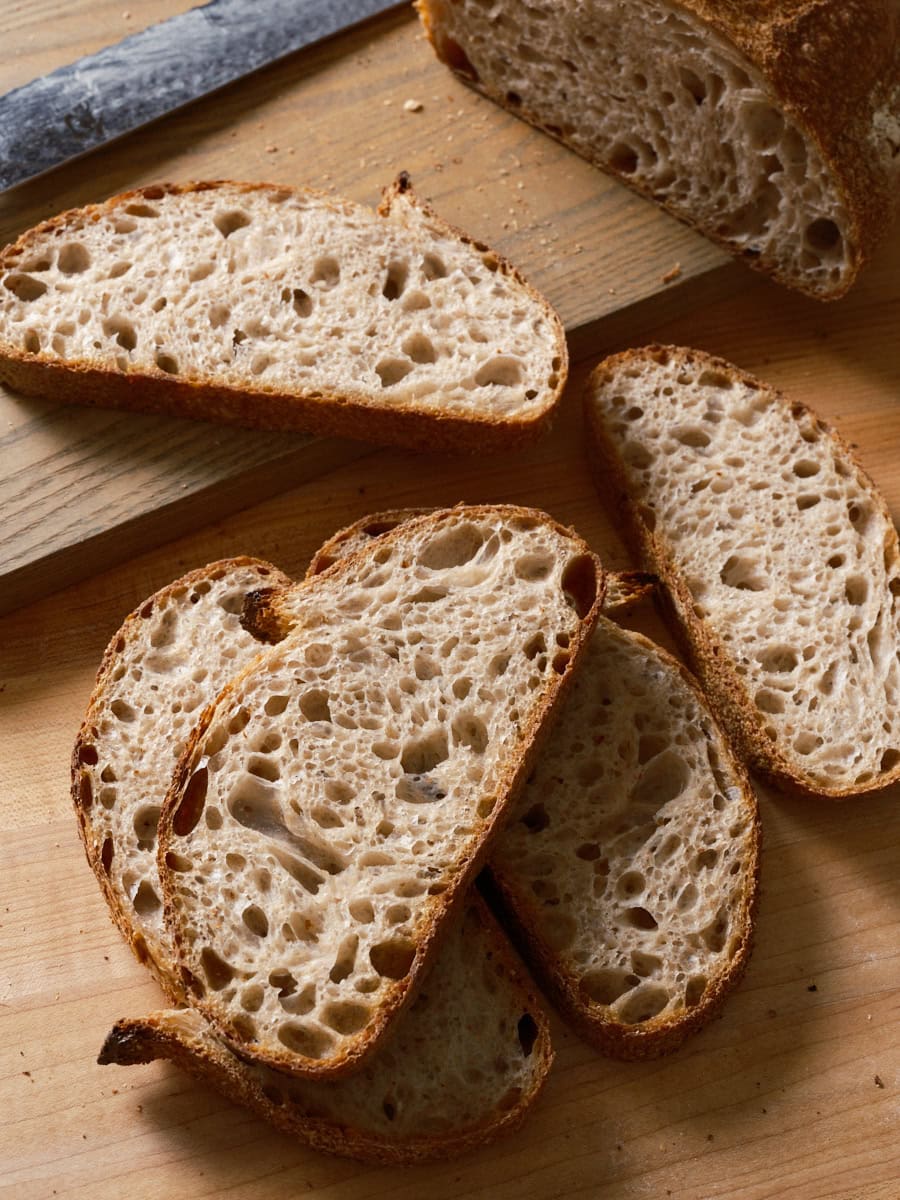
The journey to a perfectly balanced sourdough flavor is a testament to the baker’s understanding of fermentation dynamics. Years of meticulous observation and experimentation have illuminated several critical levers that bakers can pull to fine-tune their loaves:
To Increase Sourness:
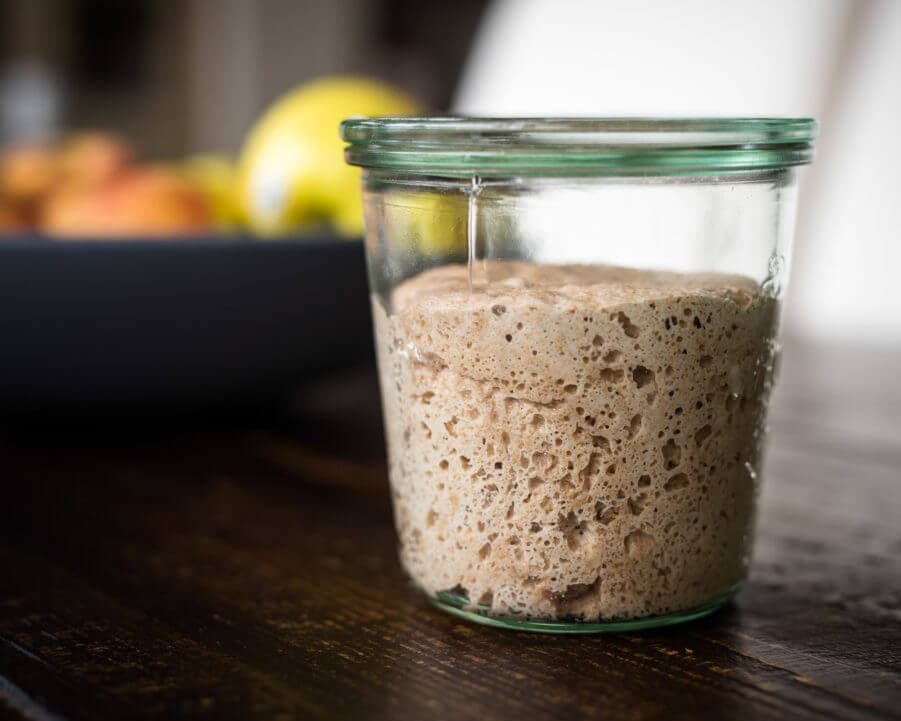
- Starter Ripeness: Utilize a starter that has passed its peak ripeness. Signs include a collapsed structure, a strong sour aroma, a loose consistency, and significant bubbling.
- Cold Proof Duration: Extend the cold proofing period (retarding) to 24-48 hours or even longer.
- Levain Hydration: Employ a stiff levain, typically with 50-65% hydration.
- Fermentation Temperature: Ferment at warmer temperatures (78-82°F / 25-28°C) to promote greater total acid production.
- Whole Grain Content: Increase the percentage of whole grain flour, especially rye, in the dough.
- Levain Ripening Time: Allow the levain to ripen for a longer duration before incorporating it into the dough.
- Levain Percentage: Use a smaller percentage of levain relative to the total flour (10-15% pre-fermented flour).
To Decrease Sourness:
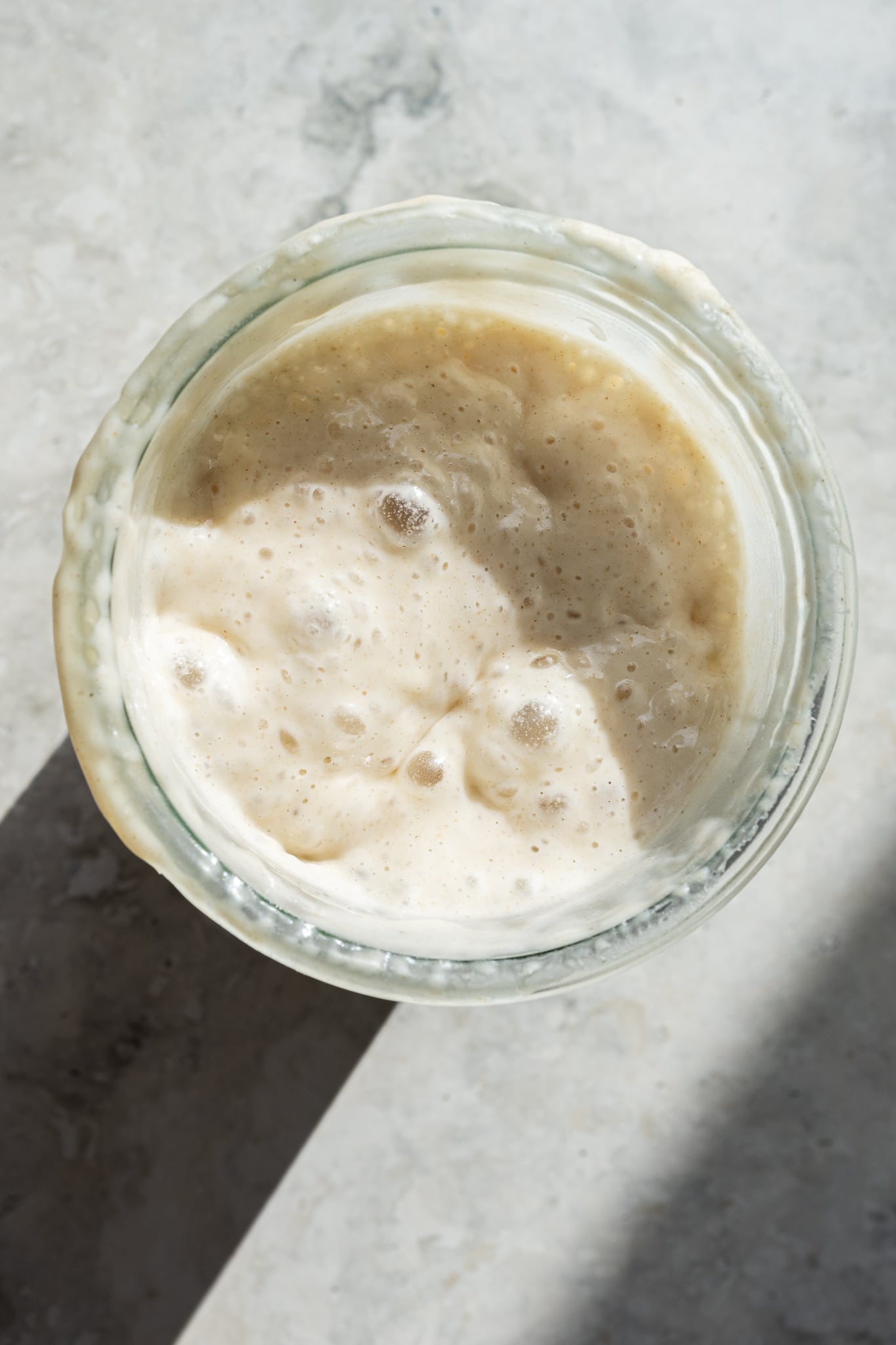
- Starter Ripeness: Use starter or levain at its peak ripeness, characterized by a risen structure, mild sour aroma, and some small bubbles.
- Cold Proof Duration: Shorten the cold proof to 10-12 hours or omit it entirely.
- Levain Hydration: Opt for a liquid levain with 100% hydration or higher.
- Fermentation Temperature: Ferment at cooler temperatures for a shorter duration to limit total acid production.
- Flour Type: Utilize a higher proportion of white flour.
- Levain Ripening Time: Employ a "young" levain that has not been allowed to ferment for an extended period.
- Levain Percentage: Use a larger percentage of levain relative to the total flour (25-35% pre-fermented flour).
The Science Behind the Tang: A Deeper Dive
The sourness in sourdough is a complex interplay of microbial activity and dough chemistry. When a sourdough starter is fed, a symbiotic relationship between wild yeasts and lactic acid bacteria begins to thrive. These microorganisms consume the sugars present in the flour, producing carbon dioxide (which leavens the bread) and organic acids.
- Lactic Acid Bacteria (LAB): These bacteria are the primary producers of lactic acid, a milder acid that contributes to a smoother, more lactic tang. Different strains of LAB exist, and their activity is influenced by temperature and pH. Warmer temperatures generally favor increased LAB activity, leading to more total acid production.
- Acetic Acid Production: While LAB also produce acetic acid, the conditions under which it is favored are more specific. Cooler temperatures, for instance, tend to slow down yeast activity more than bacterial activity. This imbalance can lead to a higher proportion of acetic acid being produced, resulting in a sharper, more vinegary flavor. The presence of whole grains, particularly rye, also plays a crucial role. Their higher mineral content, indicated by ash content, acts as a buffer, allowing the dough to absorb more acid before its pH drops to a level that inhibits bacterial growth. This buffering effect enables longer fermentation times and, consequently, greater acid accumulation.
Strategies for Increasing Sourness
For bakers aiming for a pronounced sourdough tang, several techniques can be employed:
- Embrace Over-Ripened Starter: Using a starter that has begun to collapse and exhibits a strong, vinegary aroma is a direct route to increased sourness. When a starter is past its peak, it has already produced a significant amount of acid. Incorporating this into the levain and subsequently the dough ensures that this accumulated acidity is carried through to the final loaf.
- The Power of Extended Cold Proofing: Refrigerating dough slows down fermentation but does not halt it. Over 24 to 48 hours, or even longer, bacteria continue to produce acids, albeit at a slower pace. This extended cold period allows for a significant build-up of both lactic and acetic acids, leading to a noticeably more sour loaf. This method is a cornerstone for bakers seeking an intensely tangy bread. However, it’s crucial to note that prolonged cold proofing can degrade gluten structure, potentially impacting oven spring.
- Stiff Levain for Sharper Tang: The hydration level of the levain plays a critical role. A stiff levain, with hydration around 50-65%, creates conditions that favor acetic acid production. This is because lower hydration environments can slow down yeast activity relative to bacterial activity, tipping the scales towards the production of sharper acids. However, this effect is amplified when the stiff levain is allowed sufficient time to ripen, allowing for acid accumulation.
- Whole Grains: A Buffering Advantage: The mineral content, or ash, in whole grain flours acts as a natural buffer. This buffer can absorb the acids produced during fermentation, allowing bacteria to continue their work for longer periods before the dough becomes too acidic. Rye flour, in particular, is highly effective due to its high ash content, contributing a noticeable increase in sourness even in small quantities.
- Warmer Fermentation for More Acid: Warmer dough temperatures, ideally between 78-82°F (25-28°C), stimulate overall bacterial activity. While optimal bacterial growth occurs slightly higher, these warmer conditions keep the microbes in a productive zone, leading to a greater total acid production.
- Strategic Levain Percentage: Counterintuitively, using a smaller percentage of levain (10-15% pre-fermented flour) can lead to a more sour loaf. A smaller levain starts the dough at a higher pH, allowing bacteria more "runway" to produce acid before their activity is inhibited. Conversely, a large, over-ripened levain introduces a significant amount of acid upfront, quickly lowering the dough’s pH and potentially limiting further acid production.
Strategies for Decreasing Sourness
For those who prefer a milder tang, several adjustments can be made:
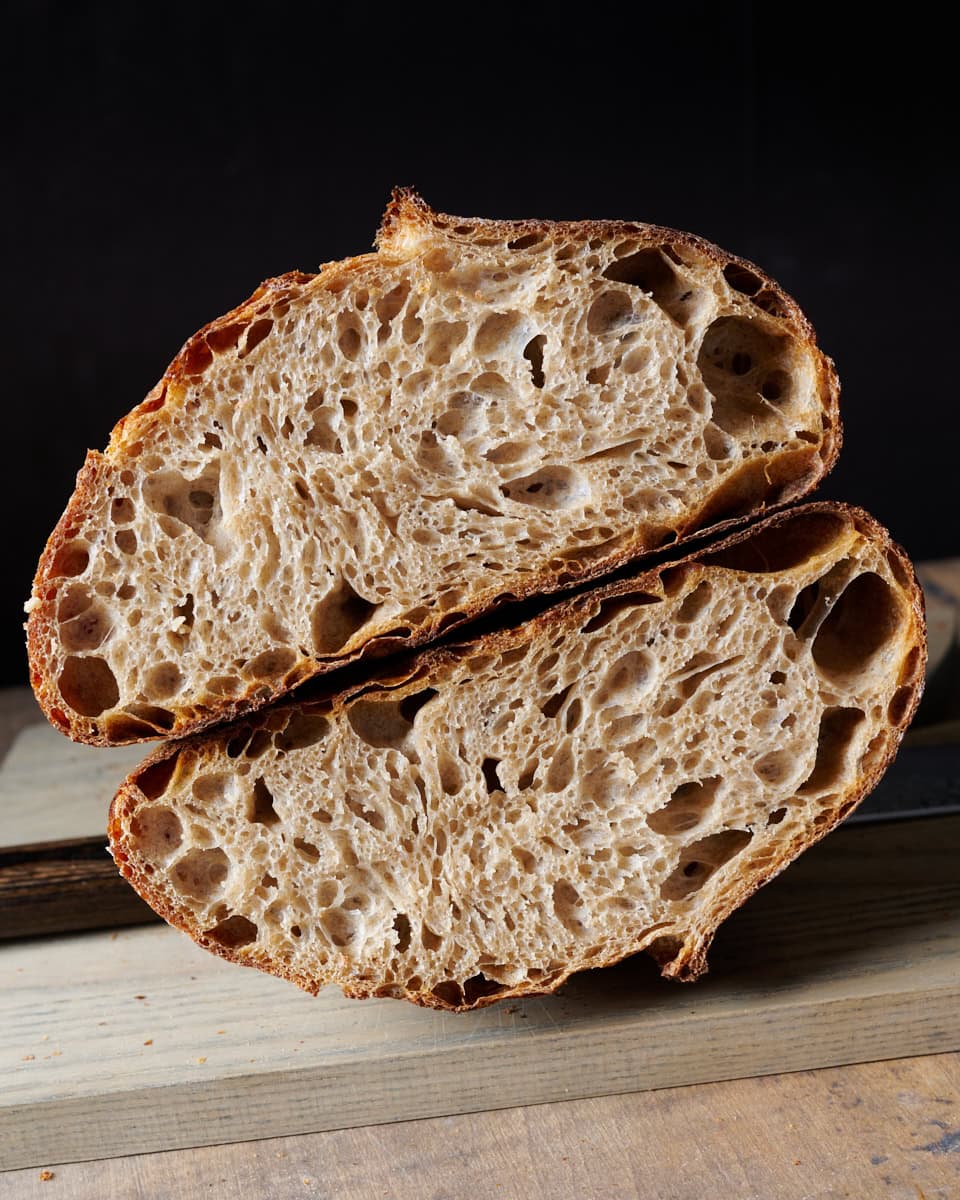
- Maintain a Well-Fed Starter: The most effective method for a milder loaf is to keep your starter healthy and frequently fed. Regular feedings dilute accumulated acids and provide fresh food for yeast and bacteria, preventing excessive acid build-up. A starter at its peak ripeness—risen, bubbly, and with a mild aroma—is ideal for a less sour profile.
- The "Young" Levain Approach: Using a levain that is still in its early stages of fermentation, before it has reached its peak ripeness, will contribute less acidity to the final dough. This "young" levain, often built with a 1:1:1 ratio of starter, flour, and water and fermented in a warm environment for a few hours, prioritizes yeast activity and minimizes sourness.
- Shorter Cold Proofing: Reducing the cold proofing time to 10-12 hours, or skipping it altogether in favor of room-temperature proofing, significantly curtails the development of sourness. This approach yields a bread with a more subtle tang, allowing the inherent flavors of the grain to shine through.
- Liquid Levain for Smoother Acidity: A liquid levain (100% hydration or higher) favors the production of lactic acid, resulting in a smoother, less aggressive sourness. This type of levain, combined with other techniques, helps achieve a balanced sourdough flavor without overwhelming tang.
- Cooler Fermentation for Less Total Acid: While cooler temperatures can shift acid production towards acetic acid, they also significantly slow down bacterial activity overall. This results in less total acid being produced. A shorter, cooler bulk fermentation followed by a shorter proof can lead to a milder loaf.
- Larger Levain Percentage for Controlled Acidity: Using a larger percentage of levain (25-35% pre-fermented flour) introduces more acidity upfront, quickly lowering the dough’s pH. This limits the bacteria’s ability to produce further acid during bulk fermentation. Additionally, a larger levain often leads to faster fermentation, further reducing the time available for sourness to develop.
Troubleshooting: Why is My Sourdough Lacking Tang?
A common frustration for novice bakers is producing sourdough that lacks its characteristic tang. Several factors can contribute to this:
- Immature Starter: A starter less than 2-3 weeks old may not have developed a robust enough bacterial population to produce significant acid. Patience and consistent feeding are key to its maturation.
- Young Levain: Using a levain before it has had sufficient time to ferment and develop acids will result in a milder flavor. Ensure the levain has at least doubled in volume and shows signs of active fermentation.
- Insufficient Fermentation Time: Both bulk fermentation and proofing are crucial for flavor development. Rushing these stages, or fermenting in a very warm environment where processes happen too quickly, can lead to under-developed flavor.
- Very Warm Kitchen: In kitchens exceeding 80°F (27°C), fermentation can proceed too rapidly, allowing the dough to proof before sufficient acid has accumulated. Adjusting mixing water temperature or employing a longer cold proof can mitigate this.
- Predominantly Refined White Flour: As discussed, refined flours have lower ash content, limiting their capacity to buffer acids and thus their potential for developing deep sourness. Incorporating even a small percentage of whole wheat or rye can enhance tang.
Conclusion: The Endless Art of Sourdough Adjustment
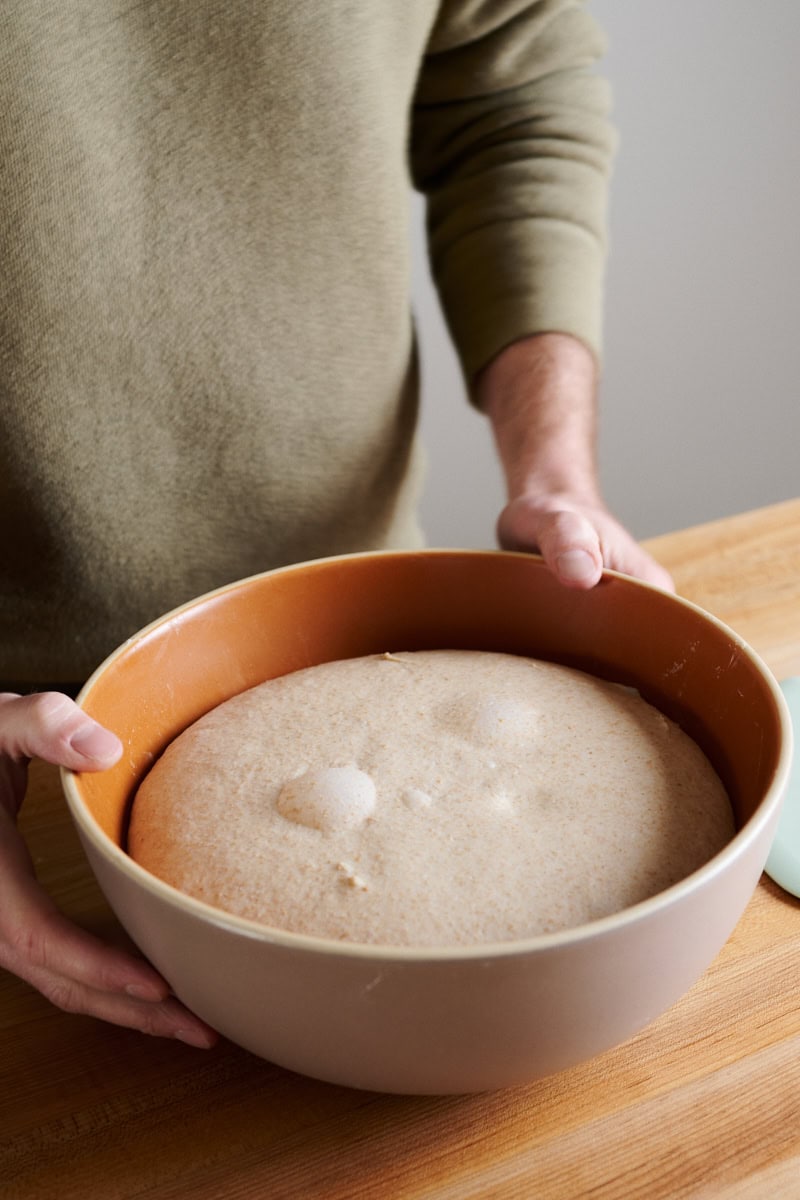
The beauty of sourdough lies in its inherent adaptability. Unlike breads made with commercial yeast, where flavor profiles are largely predetermined, naturally leavened bread offers bakers a vast palette of techniques to shape the final taste. Sourness is but one dimension, yet it is one over which home bakers wield considerable influence.
The most effective approach is deliberate experimentation. By altering one variable at a time—whether it’s extending the cold proof, adjusting levain ripeness, or modifying flour composition—bakers can gain a profound understanding of how each element contributes to the final flavor. Documenting these changes and their outcomes will foster an intuitive grasp of sourdough’s nuances.
Ultimately, there is no single "correct" level of sourness. The diversity of sourdough bakeries, from those producing subtly tangy loaves to those celebrating assertive acidity, underscores this point. The true measure of success lies in achieving a flavor profile that delights the baker and those they share their creations with. The journey is as rewarding as the destination, a continuous exploration of the fascinating science and artistry that defines sourdough baking.