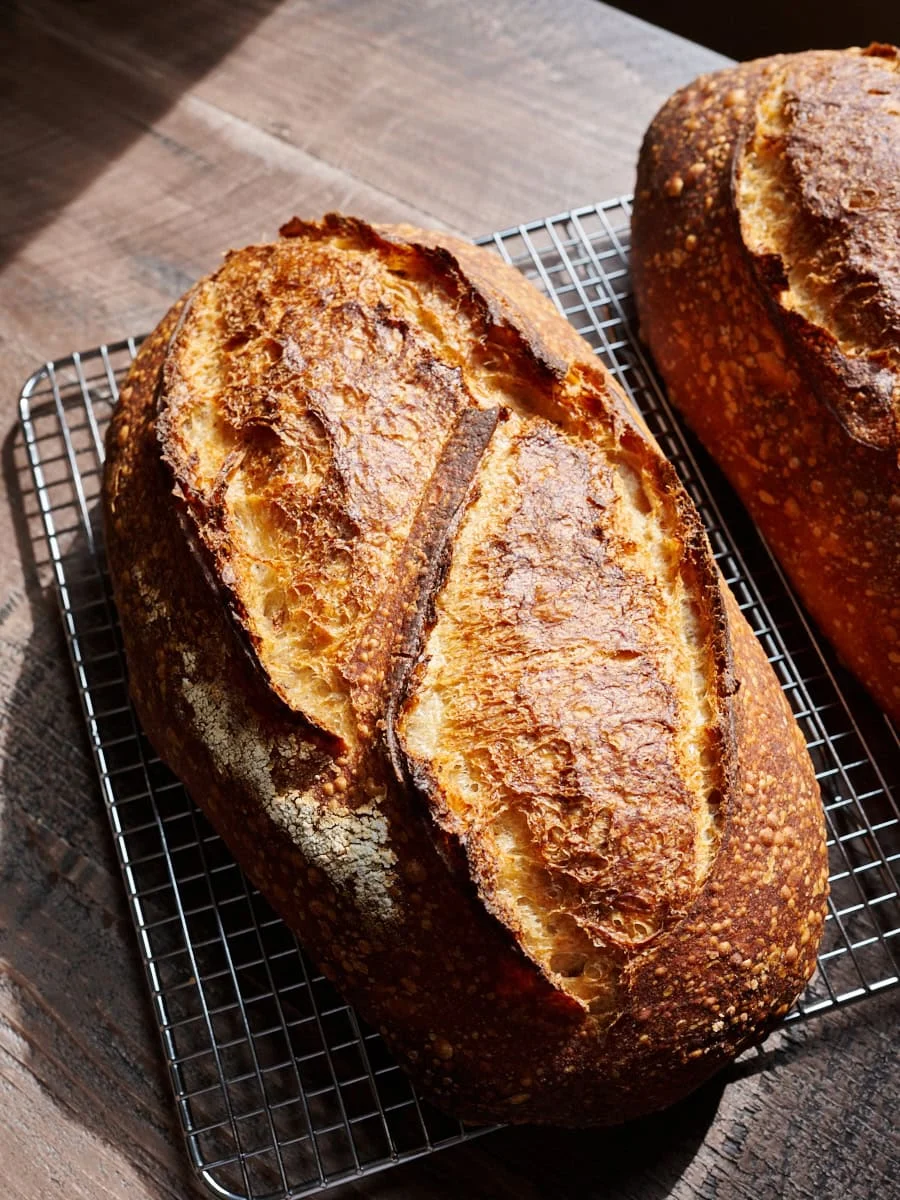

Dough hydration, a cornerstone of sourdough bread baking, often appears deceptively simple. Yet, upon closer examination, it reveals itself as one of the most intricate and dynamic aspects of the craft. For many bakers, the journey involves countless hours spent at the kitchen counter, hands immersed in dough, learning that hydration is far more than a mere number in a recipe. It is, in essence, a continuous dialogue between the baker and their dough, a conversation influenced by the ever-changing variables of weather, the specific characteristics of the flour being used, and even the ambient humidity within the kitchen environment.
This guide delves into the accumulated knowledge surrounding dough hydration, spanning the scientific underpinnings of its calculation to practical, on-the-fly adjustments. Understanding hydration is frequently the key to overcoming common baking challenges, from dough that clings stubbornly to every surface to loaves that emerge dense and tightly crumbed. While the concept is explored in various sourdough bread resources, this article aims to provide an expansive overview of this critical element.
Understanding the Fundamentals: What is Dough Hydration?
At its core, dough hydration quantifies the total amount of water present in a bread recipe, expressed as a percentage of the total flour weight. The calculation is straightforward: divide the weight of the water by the total weight of the flour, and then multiply the result by 100.
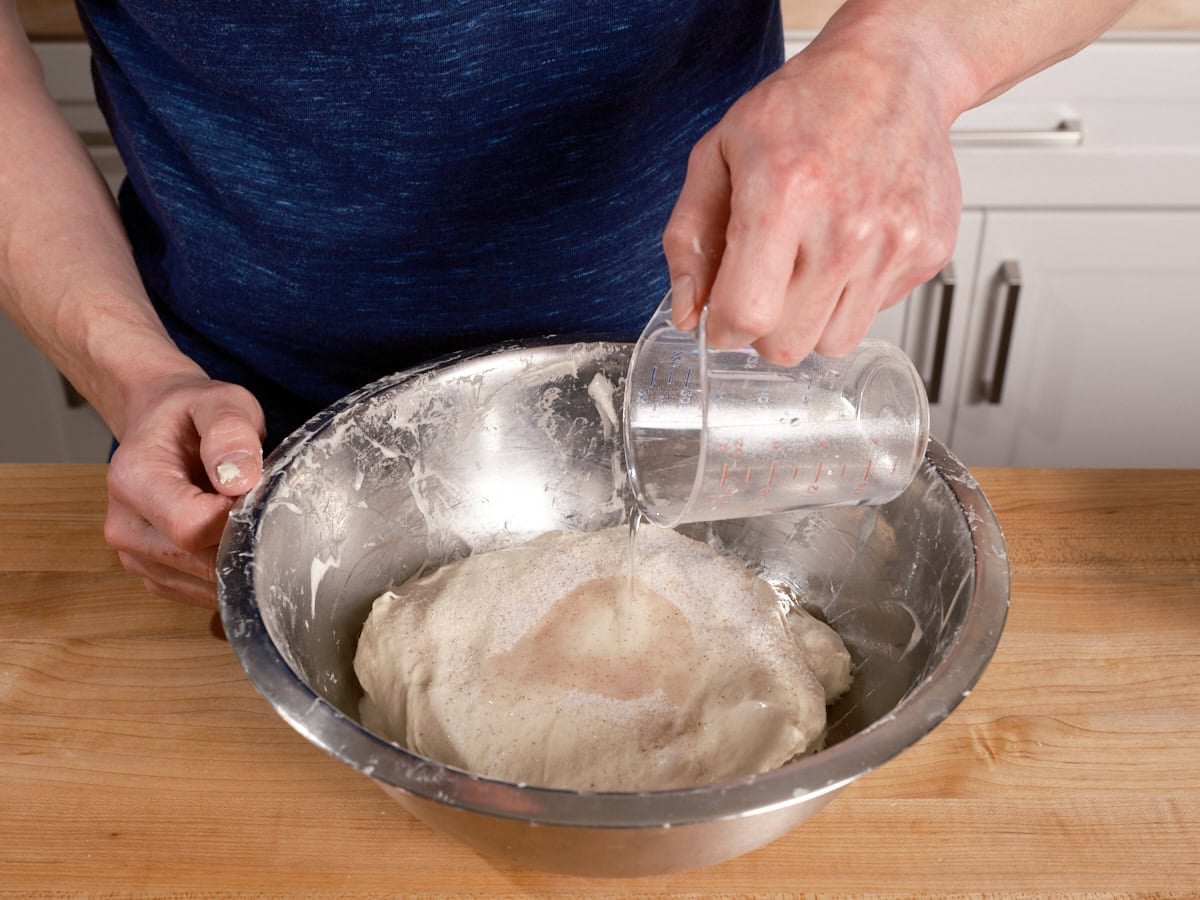
For instance, a recipe calling for 1,000 grams of flour and 700 grams of water yields a hydration level of 70% (700 grams of water ÷ 1,000 grams of flour × 100 = 70%). This percentage serves as a crucial benchmark for bakers, offering an initial insight into the expected behavior of the dough prior to mixing.
Hydration: A Guideline, Not a Rigid Rule
A fundamental principle in sourdough baking, often learned through experience, is that a dough’s hydration percentage should be viewed as a guideline rather than an inflexible rule. Flour, as an ingredient, is not static. Its properties vary significantly based on its type, the mill from which it originates, and even the specific batch or bag. These variations directly impact its water absorption capabilities.
While environmental factors like weather can influence dough, their impact is generally less pronounced than that of flour type, unless there are extreme shifts. A dough that mixes to a smooth and elastic consistency on a dry day might require different handling if the humidity rises significantly due to rain. This highlights the necessity of a baker’s ability to "read" their dough.
The Significance of Hydration in Bread Characteristics
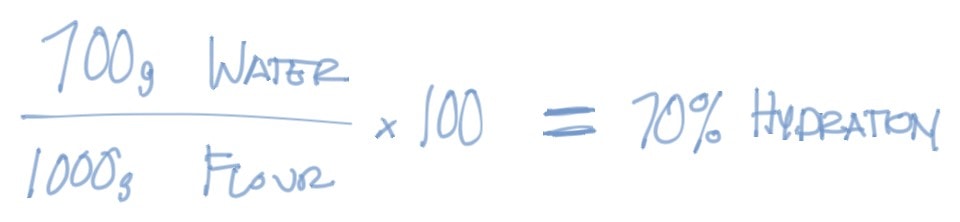
The hydration percentage of a dough plays a pivotal role in shaping the final characteristics of the bread. Water is the transformative agent that converts dry flour into a living dough, capable of capturing and expanding with the gases produced during fermentation.
- Insufficient Water: A dough with too little water will be tight, resistant to manipulation, and may result in a dense, heavy loaf with limited crumb structure.
- Excessive Water: Conversely, too much water can lead to a dough that is excessively slack, difficult to handle, and may struggle to maintain its shape, potentially resulting in a gummy texture or a collapsed loaf.
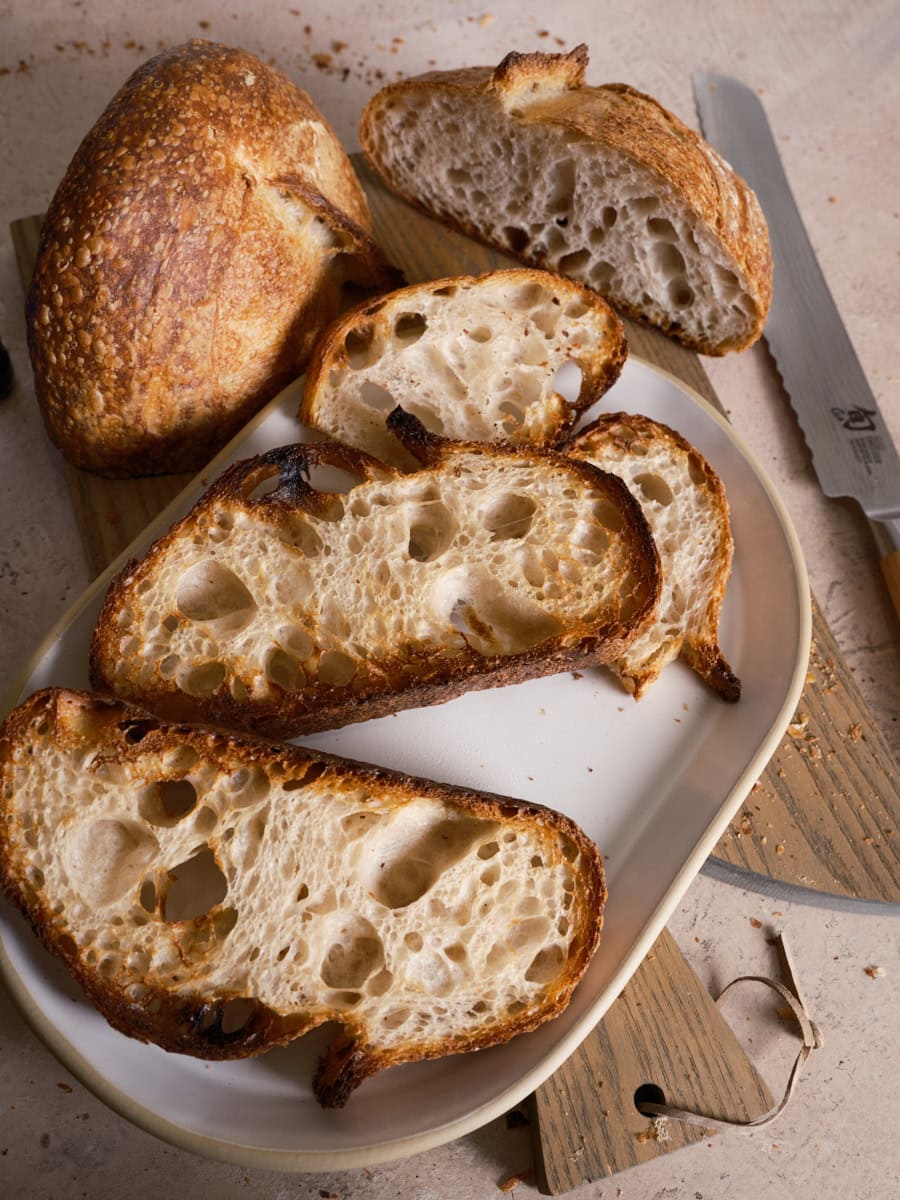
The spectrum between these extremes allows for the creation of diverse bread styles. Lower-hydration loaves often feature a substantial crust and a chewy interior, while higher-hydration doughs can yield loaves with a delicate, brittle crust and a custardy, open crumb.
Exploring Hydration Ranges and Their Outcomes
Understanding the typical outcomes associated with different hydration levels provides valuable context for bakers:
-
Lower-Hydration Bread (Approximately 60-68%):
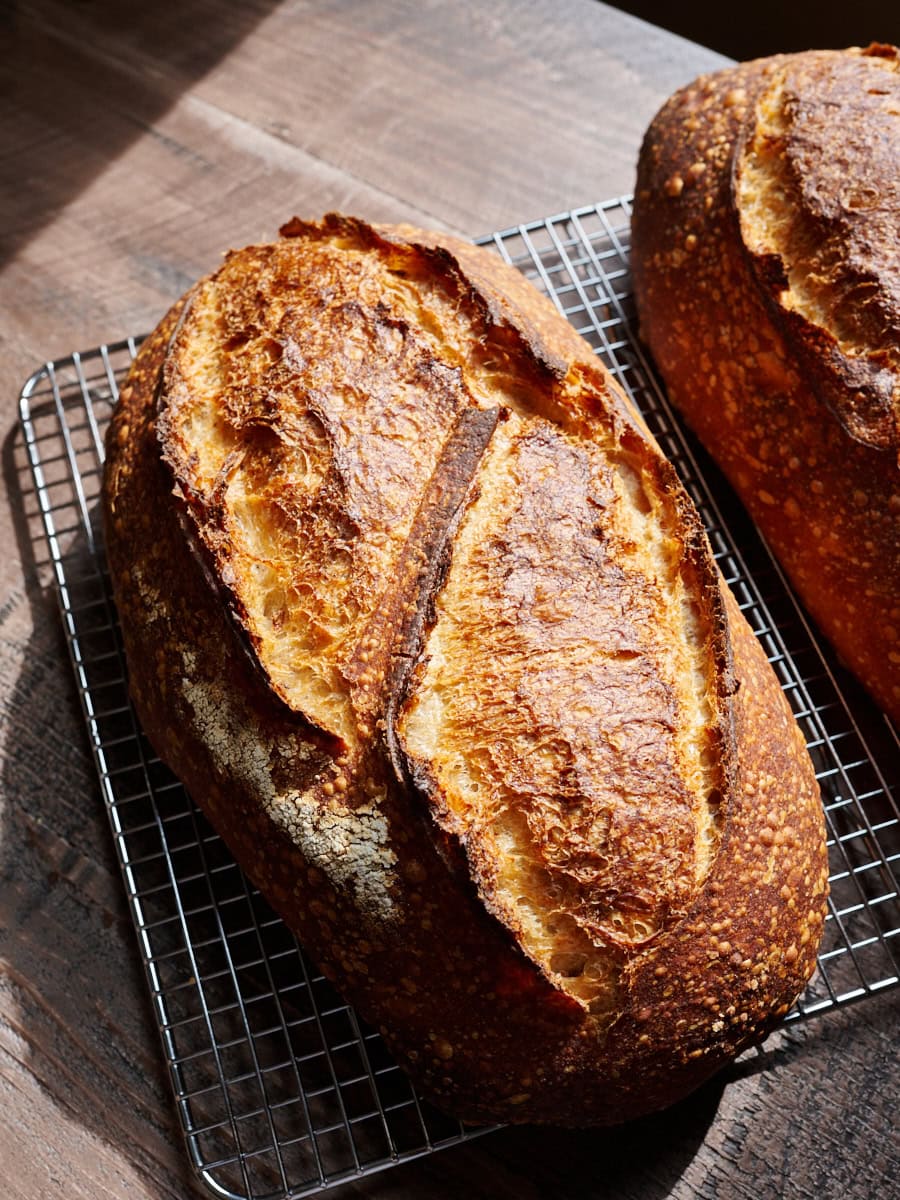
- Texture: Often results in a bread with a more pronounced chew, a firmer crumb, and a thicker crust.
- Handling: Doughs in this range are generally easier to manage, shape, and score due to their lower stickiness and greater structural integrity.
- Examples: This range is well-suited for breads like bagels, pretzels, and some types of pan loaves where a denser crumb is desirable.
-
Moderate Hydration (Approximately 68-75%):
- Texture: Offers a balance, typically producing a moderately open crumb with a tender interior and a crust that is neither overly thick nor excessively brittle.
- Handling: Doughs are manageable with some practice, allowing for good extensibility and structure.
- Examples: This range is a popular choice for classic country loaves, artisan breads, and baguettes, providing a good balance of crumb and crust.
-
Higher-Hydration Bread (Approximately 75-85%+):
- Texture: Characterized by a very open, airy, and often custard-like crumb with a thin, crackly crust.
- Handling: These doughs are significantly stickier and more challenging to handle, requiring advanced shaping techniques and careful fermentation management to maintain structure.
- Examples: Styles like ciabatta and focaccia, which thrive on their open structure, often utilize higher hydration levels.
It’s important to note that pushing hydration too high can lead to undesirable outcomes, such as an excessively soft texture, a loss of structural integrity post-baking, and a tendency to stale more rapidly. The goal is to find a hydration level that optimizes the desired characteristics without compromising the loaf’s volume, texture, or overall eating quality.
The Technique of Bassinage: A Strategic Approach to Hydration
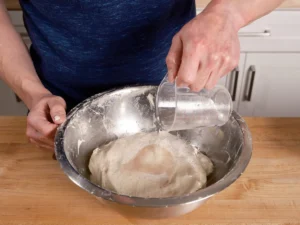
A technique that has significantly advanced many bakers’ skills is bassinage, often referred to as "double hydration." This method involves holding back a portion of the total water and incorporating it gradually during the later stages of mixing. This is in contrast to adding all the water at the outset.
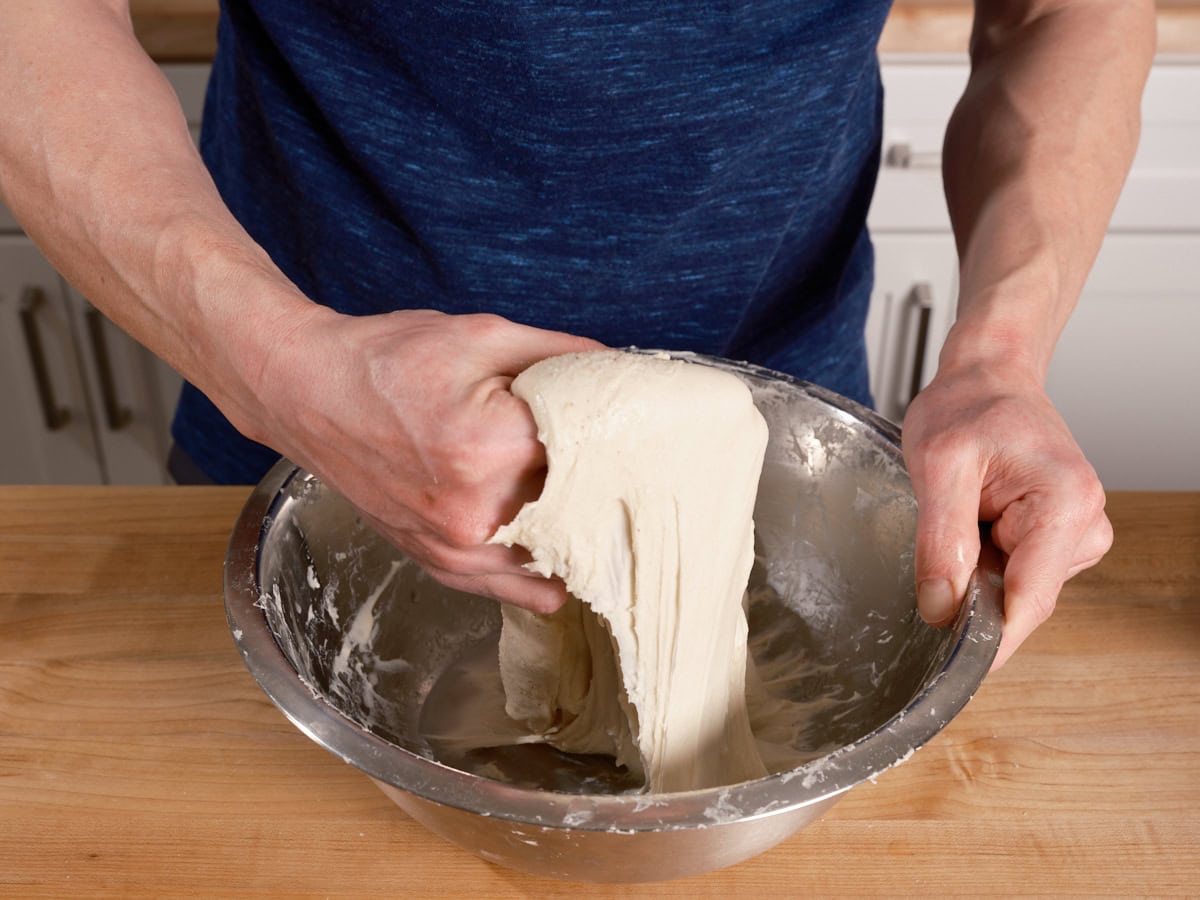
The bassinage technique offers several key advantages:
-
Enhanced Gluten Development: By initially mixing with a slightly lower hydration, the starches in the flour have an opportunity to absorb water and the gluten network begins to form. Adding the remaining water incrementally allows for more efficient strengthening of this developing gluten matrix. Without sufficient initial gluten development, incorporating all the water at once, especially in high-hydration recipes, can make it exceedingly difficult to build dough strength due to insufficient friction.
-
Controlled Assessment of Dough Strength: Holding back water provides the baker with a critical opportunity to assess the dough’s strength and elasticity before committing all the liquid. This allows for informed decisions about whether to incorporate the reserved water or omit it, depending on the dough’s feel and behavior. Many recipes reflect this by specifying "Water 1" for the initial mix and "Water 2" as a reserve for fine-tuning the dough consistency.
A practical application of this principle: if the dough feels excessively wet and slack after the initial water addition, the baker can choose to omit the reserved water. Conversely, if the dough feels robust and capable of incorporating more moisture, the reserved water can be added slowly during the mixing process.
Factors Influencing Water Absorption in Dough
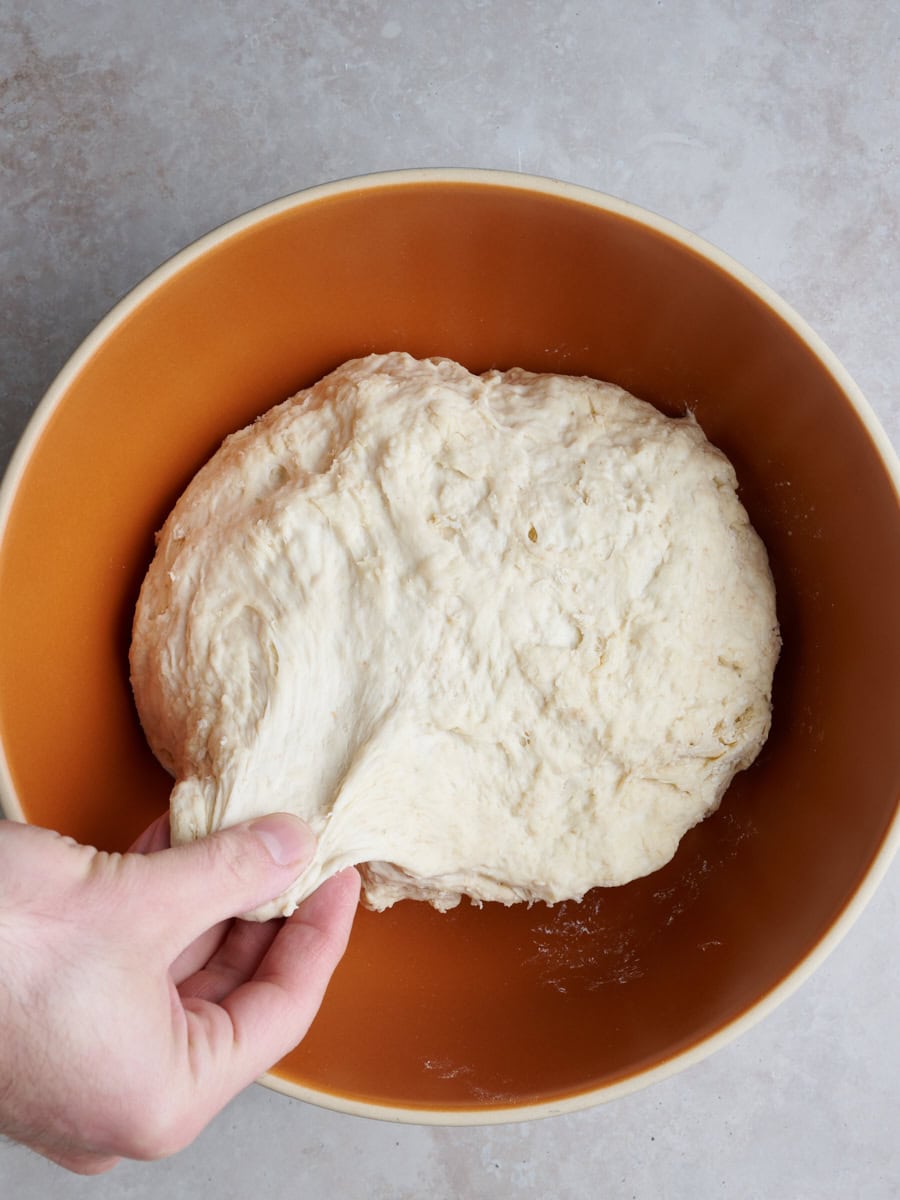
Several key factors dictate how much water a specific flour will absorb and, consequently, the ideal hydration for a dough:
-
Flour Type and Protein Content: Flours with higher protein content (typically 12-14%, often found in "bread flour") generally have a greater capacity to absorb water. The protein forms the gluten network, which is crucial for trapping gases and providing structure. Lower-protein or "softer" flours, common in regions outside North America, may require lower hydration levels to prevent the dough from becoming unmanageable and gummy.
-
Whole Grain Flours: Flours containing bran and germ, such as whole wheat and rye, are highly absorbent. The fibrous components of these grains readily soak up significant amounts of moisture. Consequently, recipes with a higher proportion of whole grains necessitate increased hydration to achieve the desired dough consistency and final bread texture. For example, a bread with 50% whole wheat might comfortably accommodate 80% hydration, a level that would be challenging with 100% white flour.
-
Freshly Milled Flour: Flour that has been freshly milled often requires more water than aged flour. Even after sifting to remove bran and germ, freshly milled flour tends to absorb moisture more readily, necessitating an increase in hydration to achieve optimal dough consistency.
-
Climate and Environmental Conditions: Ambient humidity and altitude play a notable role. In arid, high-altitude environments, bakers may need to employ higher hydration percentages to compensate for the drier air. Conversely, in humid regions, flour may absorb moisture from the atmosphere, potentially requiring a slight reduction in added water.

Troubleshooting Sticky Dough: Identifying the Root Causes
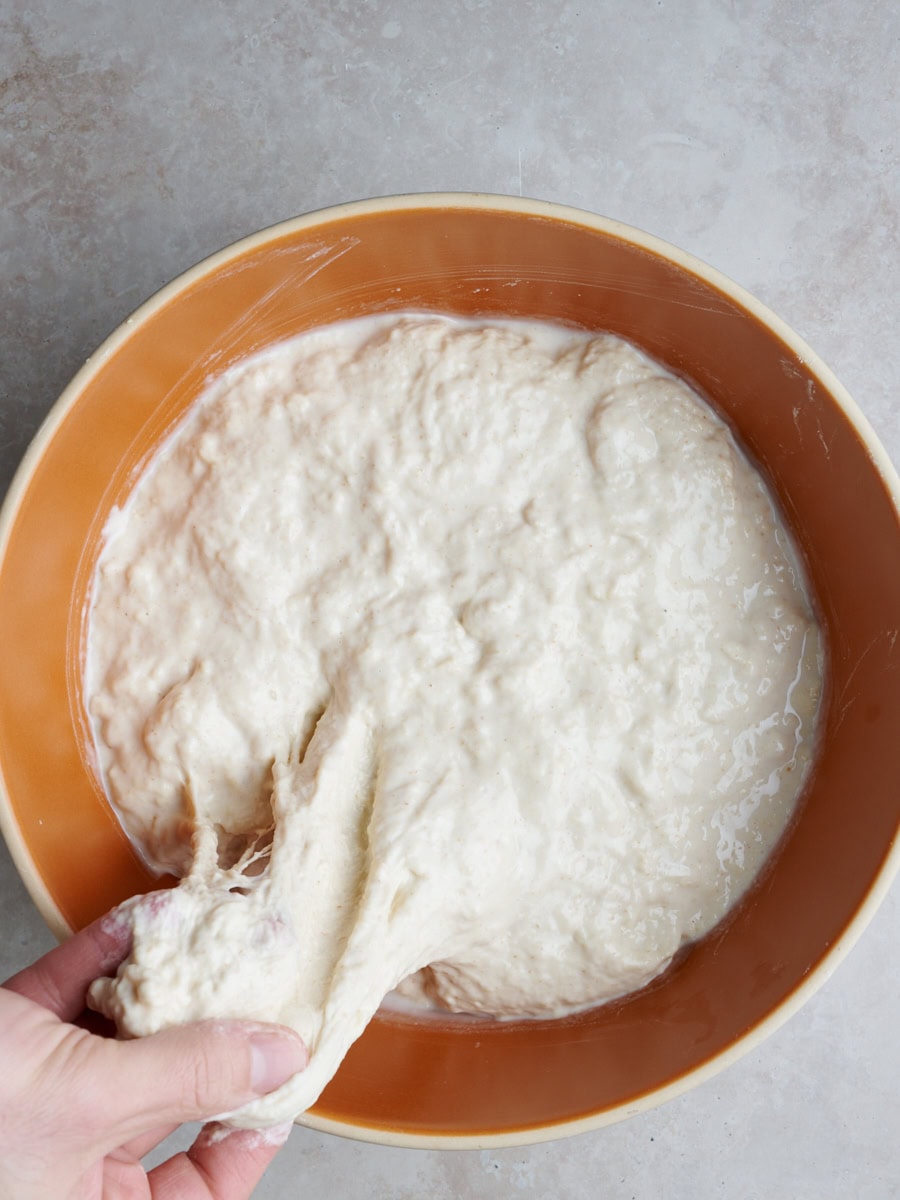
Sticky dough is a prevalent concern for many bakers, and it is frequently linked to hydration levels, dough strength, or a combination of both. The most common reasons for excessively sticky dough include:
- Over-Hydration: Simply put, too much water has been added relative to the flour’s absorption capacity.
- Insufficient Gluten Development: The gluten network is not strong enough to properly encapsulate the water. This can be due to under-mixing, using a low-protein flour without adjusting hydration, or not allowing sufficient time for gluten to form.
- Flour Variation: Different flours absorb water differently. A recipe that works perfectly with one type of flour might yield a sticky dough with another if the hydration isn’t adjusted.
- Environmental Factors: High ambient humidity can contribute to a dough feeling stickier as the flour absorbs moisture from the air.
Mastering High-Hydration Doughs: Essential Techniques
As dough hydration increases, its stability can decrease. Elevating the water content pushes the gluten matrix, the dough’s structural framework, towards its limits. Managing high-hydration doughs effectively involves several key strategies:
- Develop Dough Strength: Employ techniques like stretch-and-folds or coil folds during the bulk fermentation to build a robust gluten network that can support the higher water content.
- Utilize the Bassinage Method: As discussed, incorporating water in phases is crucial for managing high hydration.
- Proper Shaping: Careful and deliberate shaping techniques are vital to create surface tension and a strong outer "skin" that will help the loaf hold its form during proofing and baking. Avoid overworking the dough during shaping, which can degas it.
- Strategic Use of Flour: While excessive flour should be avoided, a light dusting of flour on work surfaces and hands can be helpful during handling and shaping to prevent sticking.
- Patience and Observation: High-hydration doughs require a keen sense of observation. Learn to read the dough’s visual cues and feel its texture rather than relying solely on time.
A Quick Reference for Dough Hydration Levels
| Hydration Level | Characteristics | Best Suited For |
|---|---|---|
| 60-65% | Stiff, easy to handle, potentially thicker crust | Bagels, pretzels, pizza, some pan loaves |
| 65-70% | Balanced, manageable, good structure | Classic breads, beginner-friendly sourdough |
| 70-75% | Moderately open crumb, thin crust | Classic country loaves, baguettes |
| 75-80% | Requires longer mixing, tender crumb, skill needed | Ciabatta, focaccia, open-crumb loaves, sandwich loaves |
| 80%+ | Requires longer mixing, typically more open crumb, custard-like crumb, challenging to shape | High-hydration specialty loaves |
Addressing Common Queries Regarding Dough Hydration
Why can’t I just add more flour if my dough is too wet?
While adding flour might seem like a quick fix, it disrupts the fundamental balance of a bread recipe. In baking, all ingredients are typically calculated as a percentage of the total flour weight using baker’s percentages. Altering the flour weight necessitates recalculating all other ingredient percentages. Adjusting water, conversely, affects only the hydration level in isolation. However, in extreme cases where a dough is completely unmanageable due to excessive water, adding a small amount of flour as a last resort until the dough comes together is a pragmatic solution. It is advisable to meticulously record such adjustments for future reference.
Does higher hydration necessarily lead to a more open crumb?
Not exclusively. Hydration is a significant factor, but it is not the sole determinant of crumb structure. Effective fermentation, precise shaping techniques, and appropriate baking conditions all play crucial roles in achieving an open crumb. It is possible to achieve beautifully open crumbs with moderate hydration levels and tightly structured crumbs even with high hydration. Bakers are encouraged to focus on mastering all fundamental aspects of bread making rather than solely pursuing higher hydration percentages.
What is an appropriate starting hydration for beginners?
For novice sourdough bakers, a hydration level of approximately 68-70% using a quality bread flour is highly recommended. This range offers a forgiving dough that is manageable while still yielding an aesthetically pleasing and delicious loaf. As bakers gain experience and develop a better understanding of dough behavior at various stages, they can gradually experiment with increasing hydration.
What is the ideal hydration for bread dough?
There is no single "ideal" hydration level for all bread doughs. The optimal hydration is contingent upon the specific flour being used and the desired characteristics of the final bread. Generally, bread doughs fall within the 60% to 80% hydration range, although some recipes may venture beyond these parameters.
Cultivating Baker’s Intuition: The Ultimate Goal
Ultimately, mastering dough hydration is about cultivating sensitivity—or, as it is often termed, "baker’s intuition." This involves learning to perceive and interpret what the dough is communicating through its appearance and feel, rather than rigidly adhering to numerical recipes. Each batch of flour possesses unique qualities, and daily environmental conditions vary. The most accomplished bakers treat recipes as foundational starting points for an ongoing dialogue with their ingredients.
A highly effective practice for developing this intuition is diligent note-taking. Recording the hydration percentage used, the dough’s texture and behavior, prevailing weather conditions, and the outcome of the final loaf will, over time, foster an intuitive understanding of hydration that transcends any written guide.
Happy baking.