
The seemingly simple act of brewing a cup of coffee is, in fact, a deeply intricate process, a delicate dance between chemistry and physics that profoundly influences the final beverage. Far from being a mere hot water infusion, coffee extraction involves the selective dissolution of hundreds of chemical compounds from roasted coffee grounds, each with its unique solubility and extraction rate. This complexity, rather than being a hindrance, is precisely what allows for the vast spectrum of flavors and aromas that define the world of coffee, enabling both casual drinkers and professional baristas to pursue their ideal cup.
The Chemistry of Coffee: A Symphony of Solubles
At the heart of coffee brewing lies the scientific principle of extraction – the process by which soluble compounds are dissolved from the coffee grounds into the water. A roasted coffee bean is a treasure trove of chemical constituents, from delicate acids and complex sugars to bitter polyphenols and robust melanoidins. These compounds exist in concentrations spanning an astonishing nine orders of magnitude, and their journey into your cup is governed by how effectively they are dissolved.
Understanding Extraction Yields
The goal of brewing is not simply to extract all soluble material, but rather to perform a "selective extraction." If every compound were extracted at the same rate, there would be little room for nuance or variation. Instead, different compounds dissolve at different speeds and temperatures. Early in the brewing process, lighter, more volatile acids and sugars tend to extract, contributing to bright, sweet, and fruity notes. As extraction progresses, heavier, often more bitter compounds, such as certain melanoidins and polyphenols, begin to dissolve.
Industry standards, particularly those promoted by the Specialty Coffee Association (SCA), define an optimal extraction yield (EY) typically between 18% and 22% of the dry coffee mass. This range is generally considered to produce a balanced cup, avoiding under-extraction (sour, weak flavors) and over-extraction (bitter, astringent, hollow flavors). The total dissolved solids (TDS) in the brewed coffee, ideally between 1.15% and 1.35%, further quantifies the concentration of these extracted compounds. Achieving this balance is the central challenge and art of coffee brewing. In contrast, a "total extraction," akin to some traditional Turkish coffee preparations without added sugar or spices, might aim for an extraction yield approaching 30%. While strong, this often includes undesirable bitter compounds, demonstrating why a selective rather than a complete extraction is usually preferred.
Key Chemical Compounds and Their Role
The rich tapestry of coffee flavor is woven from various chemical groups:
- Acids: Chlorogenic acids, quinic acids, and others contribute to the coffee’s perceived brightness, acidity, and fruitiness. They tend to extract relatively quickly.
- Sugars: Primarily carbohydrates, these provide sweetness and contribute to the body and mouthfeel. They extract after acids but before the more bitter compounds.
- Lipids (Oils): While not truly soluble, emulsified oils contribute significantly to the coffee’s body, aroma, and creaminess. They are influenced by filter type.
- Melanoidins: These complex, nitrogen-containing compounds are formed during roasting and contribute to the coffee’s brown color, body, and often perceived bitterness. They extract more slowly.
- Polyphenols: Compounds like tannins can contribute to astringency and bitterness, especially when over-extracted.
The brewer’s task is to skillfully navigate these varying solubilities, drawing out the desirable flavors while leaving behind the less pleasant ones.
Pour-Over: The Art of Controlled Percolation
The pour-over method, or percolation, stands as a testament to the pursuit of granular control in coffee brewing. Its deceptive simplicity – pouring hot water over ground coffee through a filter – belies a profoundly complex system of interconnected variables that offer baristas and home brewers alike immense influence over the final cup.
Historical Roots and Modern Revival
The foundational concept of pour-over brewing dates back to 1908, when German homemaker Melitta Bentz invented the first paper coffee filter and drip brewer. This innovation marked a significant shift from sediment-laden immersion methods. Over the decades, pour-over evolved, experiencing a massive resurgence in the 21st century with the rise of the specialty coffee movement. Iconic designs like the Hario V60, Chemex, and Kalita Wave have become staples, celebrated for their ability to highlight the nuanced characteristics of single-origin beans. This method is particularly favored by those who seek a clean, bright, and highly aromatic cup, allowing the intricate flavors of the coffee to shine through without the interference of sediment.
The Labyrinth of Variables
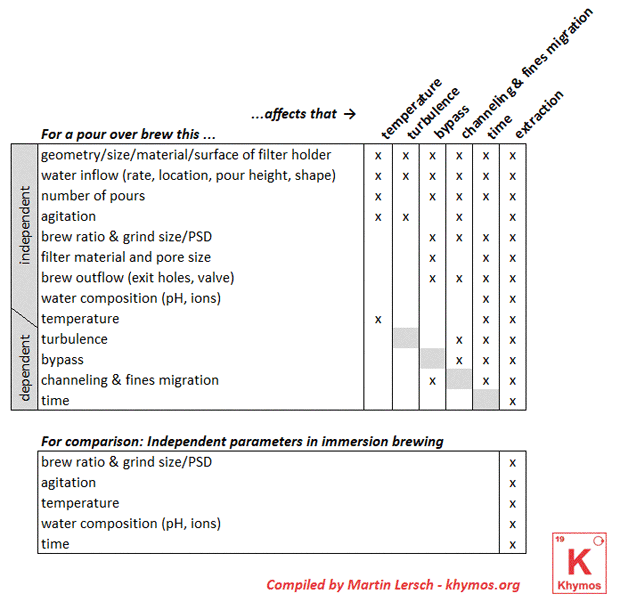
The success of a pour-over brew hinges on the precise manipulation of numerous parameters, many of which are interdependent. Key factors include:
- Brew Ratio: The ratio of coffee grounds to water (e.g., 1:15 to 1:17 is common).
- Grind Size and Particle Size Distribution (PSD): Finer grinds increase surface area, accelerating extraction, but can also impede water flow and lead to clogging or channeling. A uniform PSD is crucial for even extraction.
- Water Composition and Temperature: Water hardness, mineral content, and pH significantly impact extraction. Ideal brewing temperatures typically range from 90-96°C (195-205°F), influencing the solubility of compounds.
- Filter Material and Pore Size: Paper filters offer a clean cup by trapping fines and some oils, while metal filters allow more oils and micro-fines to pass, contributing to body. Pore size affects flow rate and clarity.
- Pour Rate and Pattern: The speed and method of pouring water (e.g., slow circular pours, pulse pouring) affect agitation, saturation, and temperature stability.
- Bloom Time: An initial pour of water to saturate the grounds and allow CO2 to escape, preventing uneven extraction.
- Total Brew Time: The duration from the first pour to the last drip, impacting overall extraction yield.
- Agitation: Stirring or swirling the coffee bed can promote more even extraction but must be carefully controlled.
The intercorrelation of these factors is profound. For example, a finer grind might increase extraction but also slow down flow, necessitating adjustments to pour rate or brew time to avoid over-extraction or clogging. This intricate web of dependencies means that seemingly minor adjustments can lead to significant differences in the final brew, making consistency a considerable challenge.
Channeling and Bypass: The Unseen Saboteurs
Two critical issues in pour-over brewing are channeling and bypass, both stemming from the fundamental principle that "water is lazy" and will always follow the path of least resistance.
- Channeling: Occurs when water flows unevenly through the coffee bed, creating preferred pathways. This means some coffee grounds are over-extracted (in the channels), while others are under-extracted (bypassed by channels), resulting in a muddled and inconsistent flavor profile. Factors like grind uniformity, pour technique, and evenness of the coffee bed contribute to or mitigate channeling.
- Bypass: Refers to water that flows around the coffee bed, often through the sides of the filter or directly through larger gaps, without effectively interacting with the coffee grounds. This water dilutes the brew without contributing to extraction. While sometimes tolerated to prevent clogging in certain designs, uncontrolled bypass generally leads to a weaker, less flavorful cup. Research, such as that by Jonathan Gagné, emphasizes minimizing bypass for optimal percolation brewing.
Brewer design plays a significant role in managing these issues. Filter holders with internal ridges (like the Hario V60 or Origami) are designed to allow coffee to flow through the filter even when it clings to the wall, potentially increasing bypass. Conversely, brewers like the Chemex, with its smooth walls and thick filter, minimize bypass by encouraging water to flow solely through the coffee bed.
Equipment Innovation and Design Philosophy
The vast array of pour-over devices available today, from the classic Melitta to specialized brewers like the Tricolate, reflects an ongoing quest to optimize extraction. Manufacturers continuously innovate, focusing on specific design elements:
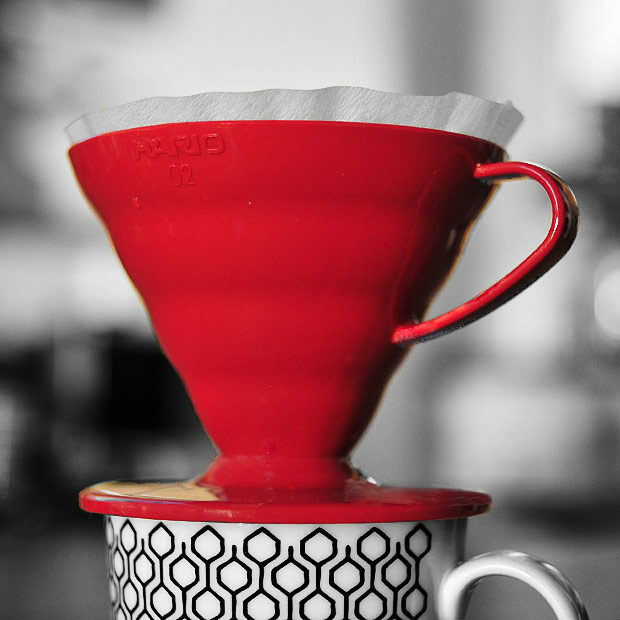
- Material and Insulation: Materials like polypropylene plastic (e.g., the red Hario V60) and ceramic are preferred for their heat retention properties compared to conductive metals. Vacuum-insulated metal brewers (like the Stagg X/XF) or double-walled glass offer superior thermal stability, crucial for maintaining consistent brewing temperatures.
- Shape/Geometry: Cone-shaped (Hario V60), flat-bottomed (Kalita Wave, April Pour Over), and trapezoidal (Melitta) designs create different coffee bed geometries. A tall, narrow bed maximizes water-to-coffee contact but can slow flow, while a flat bed allows for faster flow but increases the risk of channeling.
- Inside Wall Surface: Ridges, patterns, or flutes on the inner surface of the filter holder allow water to flow freely down the sides of the filter, even when wet paper adheres to the surface. Smooth surfaces, particularly with thick filters, can block this side flow, effectively eliminating bypass (e.g., Chemex).
- Filter Type: Paper filters are most common, tailored to the brewer’s shape. Fluted or W-folded filters (Kalita Wave) increase surface area, reducing clogging. Metal filters offer sustainability and allow more oils into the cup, while coarse ceramic gratings (Karlsbader brewer) provide a unique, full-bodied experience.
- Inflow Control: Gooseneck kettles are designed to provide precise control over water delivery, minimizing disturbance to the coffee bed and preventing channeling. Advanced accessories like the Gabi Dripmaster or Melodrip distribute water evenly across the grounds, ensuring uniform saturation and a perfectly flat coffee bed.
- Outflow Control: Some brewers, like the Clever Dripper or Hario Switch, incorporate a shut-off valve, allowing for an initial immersion phase followed by percolation. This provides more control over contact time, making recipes more scalable and adaptable to different grind sizes without significantly altering the brew ratio.
This continuous innovation underscores the inherent complexity of pour-over brewing, with each design element serving a specific purpose in the grand scheme of extraction.
Immersion Brewing: Simplicity and Repeatability
In stark contrast to the demanding precision of pour-over, immersion brewing offers a robust and often more forgiving path to a satisfying cup of coffee. This method prioritizes consistency and ease of use, making it a favorite for many home brewers.
The Fundamentals of Steeping
Immersion brewing involves steeping coffee grounds in a contained volume of hot water for a predetermined amount of time. All the water is typically added at once, creating a "slurry" that is often stirred initially to ensure full saturation and release trapped gases. After the desired steeping period, the brewed coffee is separated from the grounds, usually through filtration. Examples include the French Press, the inverted Aeropress method, and hybrid brewers like the Clever Dripper or Hario Switch (when the valve is closed).
Advantages: Robustness and Consistency
The primary appeal of immersion brewing lies in its inherent robustness and high repeatability. Because the coffee grounds are fully submerged, variables like pour rate and pattern become less critical. The method is also less sensitive to minor inconsistencies in grind size, making it a "foolproof" option for those seeking consistent results without intense focus. Two individuals following the same immersion recipe are likely to produce remarkably similar cups, a stark contrast to the variability often seen in pour-over.
Brew time becomes the primary lever for controlling extraction yield and total dissolved solids. Longer steeping times generally lead to higher extraction yields and stronger coffee, up to a point where an equilibrium is approached between the coffee brew and the grounds. While the grind size used in immersion brewing is typically coarser than for pour-over, and temperatures might drop more quickly below 90°C (195°F), the method still offers a degree of selective extraction, yielding a wonderfully flavorful cup.
Character and Challenges
Each immersion method imparts a distinct character to the coffee:
- French Press: Characterized by its relatively coarse mesh filter, the French Press allows a significant amount of coffee "fines" and oils to pass into the cup. This contributes to a full-bodied, rich beverage with a distinctive mouthfeel and often a visible sediment at the bottom of the cup. While many appreciate this body, the extended contact time with fines can sometimes lead to an undesirable bitterness. For a cleaner cup, some enthusiasts advocate filtering French Press coffee through a paper filter post-brew, removing sediment and some oils for a clearer, brighter taste.
- Aeropress (inverted): When used in an inverted immersion style, the Aeropress offers exceptional versatility. Its fine paper filters result in a cleaner cup than a French Press, while the pressure applied during plunging can yield a concentrated brew.
- Clever Dripper/Hario Switch: These hybrid devices offer the best of both worlds, combining an immersion phase with a percolation drawdown. This allows for controlled steeping followed by a clean, filtered cup, offering both repeatability and clarity.
Despite its advantages, immersion coffee can sometimes be perceived as "muted" compared to a meticulously crafted pour-over, potentially lacking the crisp definition and vibrant acidity that careful percolation can achieve. However, this depends heavily on the specific coffee, grind, and brew parameters.
The Quest for the Ultimate Brew: A Concluding Analysis
The dichotomy between pour-over and immersion brewing underscores a fundamental tension in coffee preparation: the desire for ultimate control versus the demand for consistent repeatability. Pour-over, with its myriad adjustable parameters, offers unparalleled opportunities for precision and customization, allowing skilled hands to coax out the most nuanced flavors. However, this very complexity introduces variables that can lead to unintended variations, sometimes fostering "coffee preparation myths" or inconsistent results when recipes are not meticulously detailed.
Immersion brewing, on the other hand, provides a robust and reliable method. Its inherent simplicity translates into high repeatability, making it an excellent choice for those who value consistency and ease. While it might sometimes yield a less vibrant or "muted" cup compared to a perfectly executed pour-over, its dependability is a significant advantage.
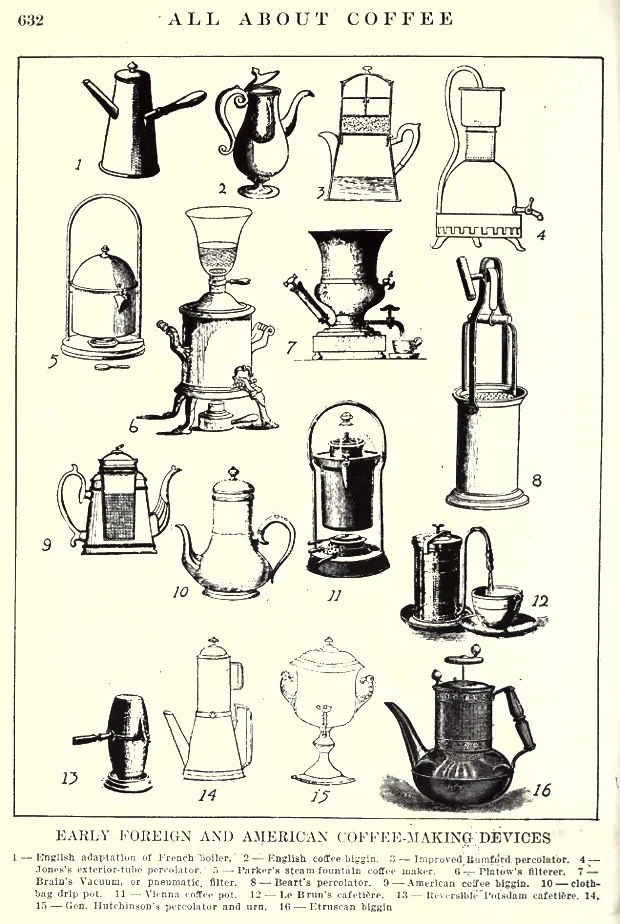
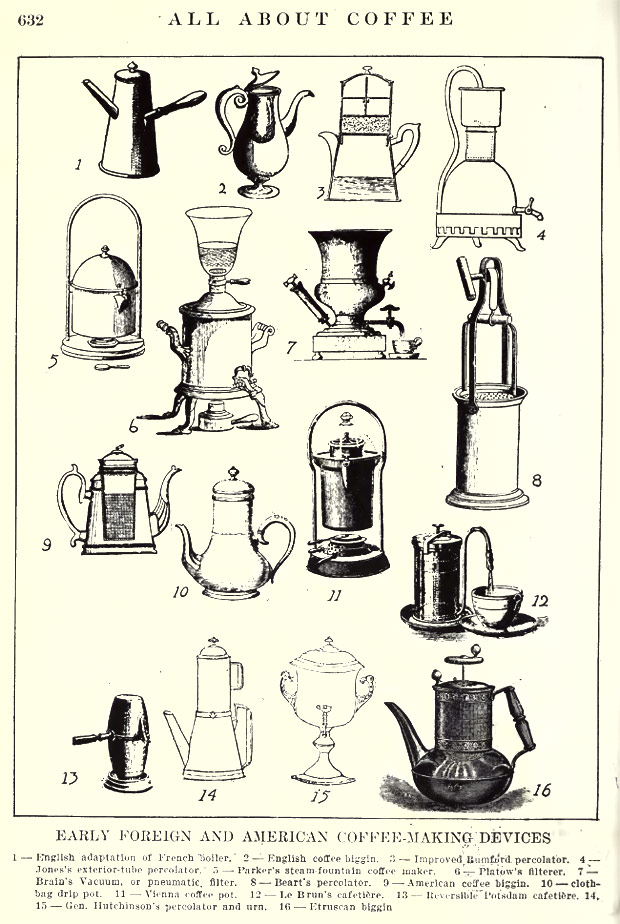
The relentless innovation in coffee equipment, evidenced by the vast array of devices documented over the past century – from the 1922 "All about coffee" illustrations to today’s high-tech brewers – speaks to a universal, enduring quest. This is the pursuit of the "very best cup of coffee we have ever tasted," a yearning vividly captured in popular culture, such as Gale Boetticher’s elaborate coffee setup in Breaking Bad.
As the specialty coffee industry continues to evolve, the interplay between scientific understanding and artisanal practice will undoubtedly drive further advancements. Future innovations may include more intelligent brewing systems, enhanced material science for thermal stability, and designs that offer precise control over every aspect of extraction. Ultimately, whether through the meticulous art of percolation or the robust simplicity of immersion, the journey to the perfect cup remains a fascinating blend of art, science, and personal preference, continually pushing the boundaries of what a brewed coffee can be.