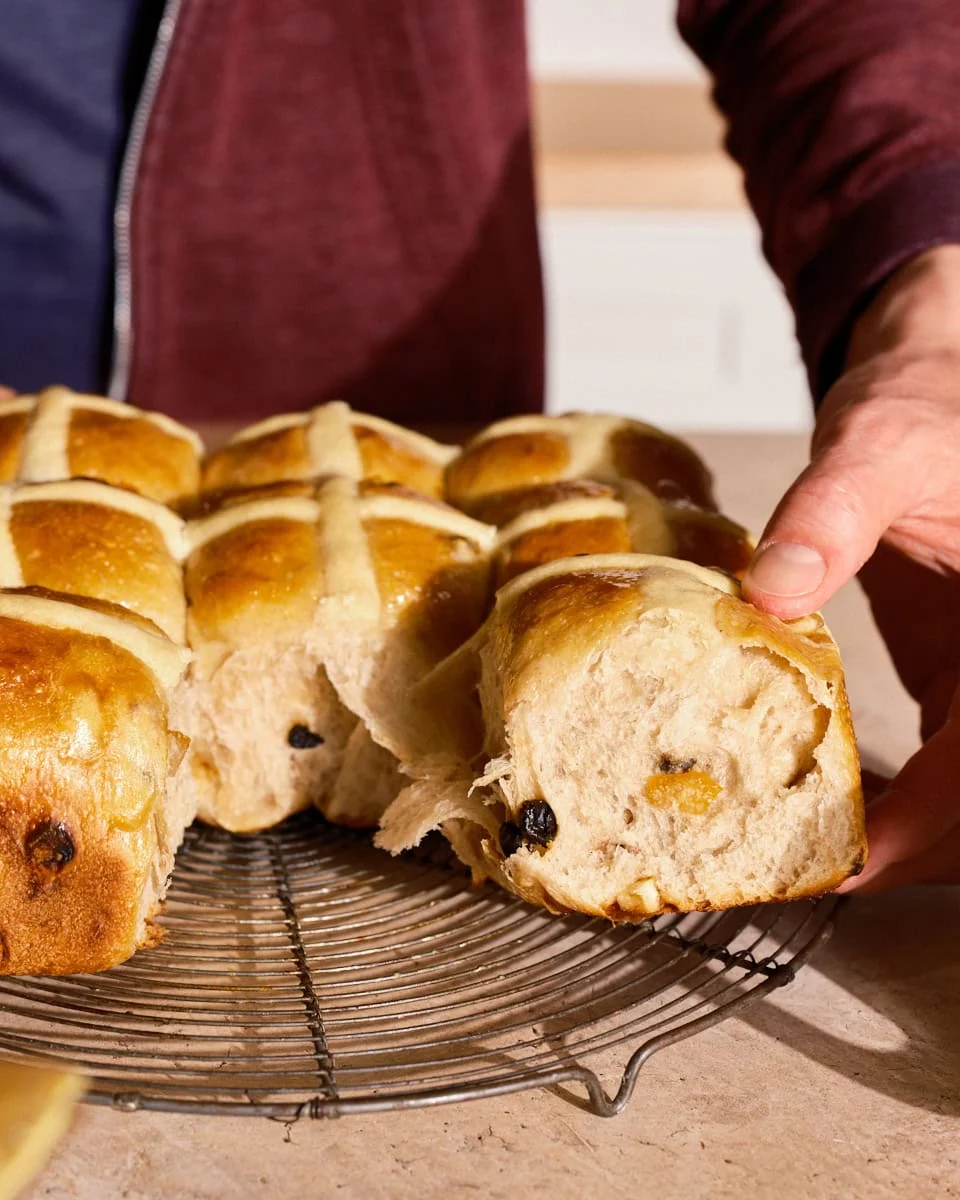

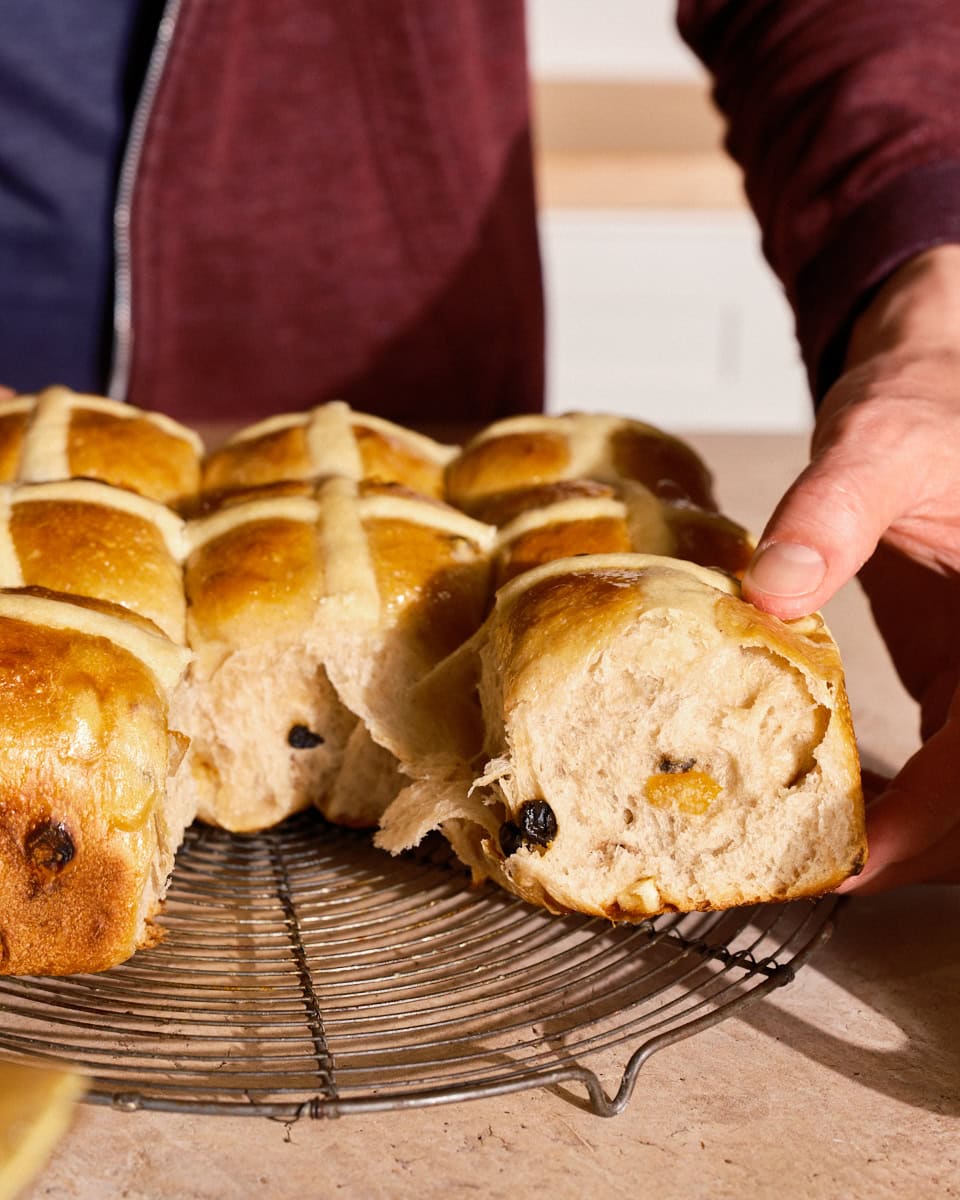
As the days grow longer and the first hints of spring emerge, a particular culinary tradition begins to take hold for many bakers: the creation of hot cross buns. While traditionally enjoyed on Good Friday, these spiced, fruit-studded delights have transcended their specific holiday origins to become a cherished marker of the transition from winter’s heavier baking to the lighter, brighter flavors of spring. This year, a refined recipe for sourdough hot cross buns, adapted from the acclaimed cookbook The Perfect Loaf, promises an even more exquisite experience, thanks to the innovative inclusion of the tangzhong method. This ancient technique, involving a cooked flour and liquid paste, elevates the humble hot cross bun to new heights of tenderness and moisture retention, ensuring a pillowy, pull-apart texture that remains soft for longer.
The inherent richness of these buns, featuring milk, egg, and butter, naturally leads to a slower fermentation process, demanding patience from the baker. However, this deliberate pace is precisely what allows for the development of a deeply nuanced flavor. The subtle tang of sourdough starter harmonizes beautifully with the warm embrace of cinnamon, allspice, and nutmeg, while bright citrus zest cuts through the sweetness of the dried fruits and the final glaze. This careful balance creates a bun that is both comforting and invigorating, a true testament to the power of slow baking.
The Sourdough Advantage: Beyond Commercial Yeast
Traditional hot cross bun recipes often rely on commercial yeast for speed and efficiency. While effective, this approach can sometimes sacrifice the depth and complexity of flavor that natural leavening offers. By employing a sourdough starter, these buns achieve a more rounded and sophisticated taste profile. The gentle acidity provided by a well-maintained sweet levain plays a crucial role in balancing the inherent sweetness of the sugar, fruits, and glaze, preventing the buns from becoming overly cloying. This sourdough foundation not only imparts a unique flavor but also contributes to a wonderfully tender crumb.
The key innovation in this updated recipe lies in the integration of tangzhong. This Chinese cooking technique involves heating a small portion of flour and liquid (in this case, milk) until it forms a thick paste. This paste, when incorporated into the main dough, acts as a moisture magnet, trapping water molecules and creating an incredibly soft, almost ethereal texture. The result is a bun that feels lighter, more yielding, and notably more tender than its conventionally made counterparts. This advanced technique is a direct adaptation from The Perfect Loaf, showcasing a commitment to pushing the boundaries of traditional baking.
A Carefully Orchestrated Baking Schedule
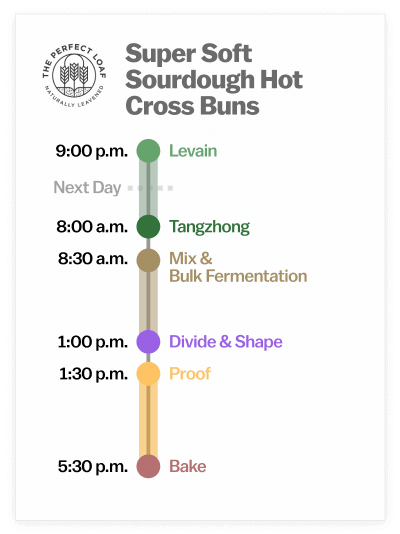
Crafting these exceptional sourdough hot cross buns involves a thoughtfully planned schedule, designed to accommodate the natural rhythms of sourdough fermentation. While the levain and optional fruit soaker are prepared overnight, the bulk of the process unfolds on the subsequent day. This "same-day direct bake" approach, excluding the overnight levain preparation, makes the recipe accessible even for busy schedules.
For those aiming to have these delights ready for Easter morning, a strategic overnight proofing option is available. By preparing the levain on Friday night and allowing the dough to ferment halfway through its bulk stage, bakers can then refrigerate the dough overnight. On Easter morning, a brief period of warming and final proofing is all that’s required before baking, ensuring a fresh batch for the holiday table. This flexibility highlights the adaptable nature of the recipe, catering to different planning styles.
Essential Baking Equipment for Success
Achieving the perfect sourdough hot cross bun relies on a few key pieces of equipment. A sturdy stand mixer is highly recommended for developing the enriched dough, though a spiral mixer can also be employed. Essential tools include:
- Stand Mixer or Spiral Mixer: Crucial for efficiently developing the gluten structure in the rich dough.
- Bench Scraper: Indispensable for cleanly dividing and manipulating the dough.
- 9-inch Square Baking Pan: Recommended for achieving exceptionally soft, pull-apart buns due to the close proximity of the buns during baking.
- Pastry Bag or Plastic Bag: For piping the decorative cross mixture.
- Oven Thermometer: To ensure accurate oven temperatures for consistent baking.
- Wire Cooling Rack: For allowing the baked buns to cool properly.
- Bowl Scraper: For cleanly transferring dough.
- Measuring Cups and Spoons: For precise ingredient measurement.
- Kitchen Scale: For accurate weighing of ingredients, particularly for sourdough baking.
The Genesis of the Recipe: From Cookbook to Enhanced Tradition
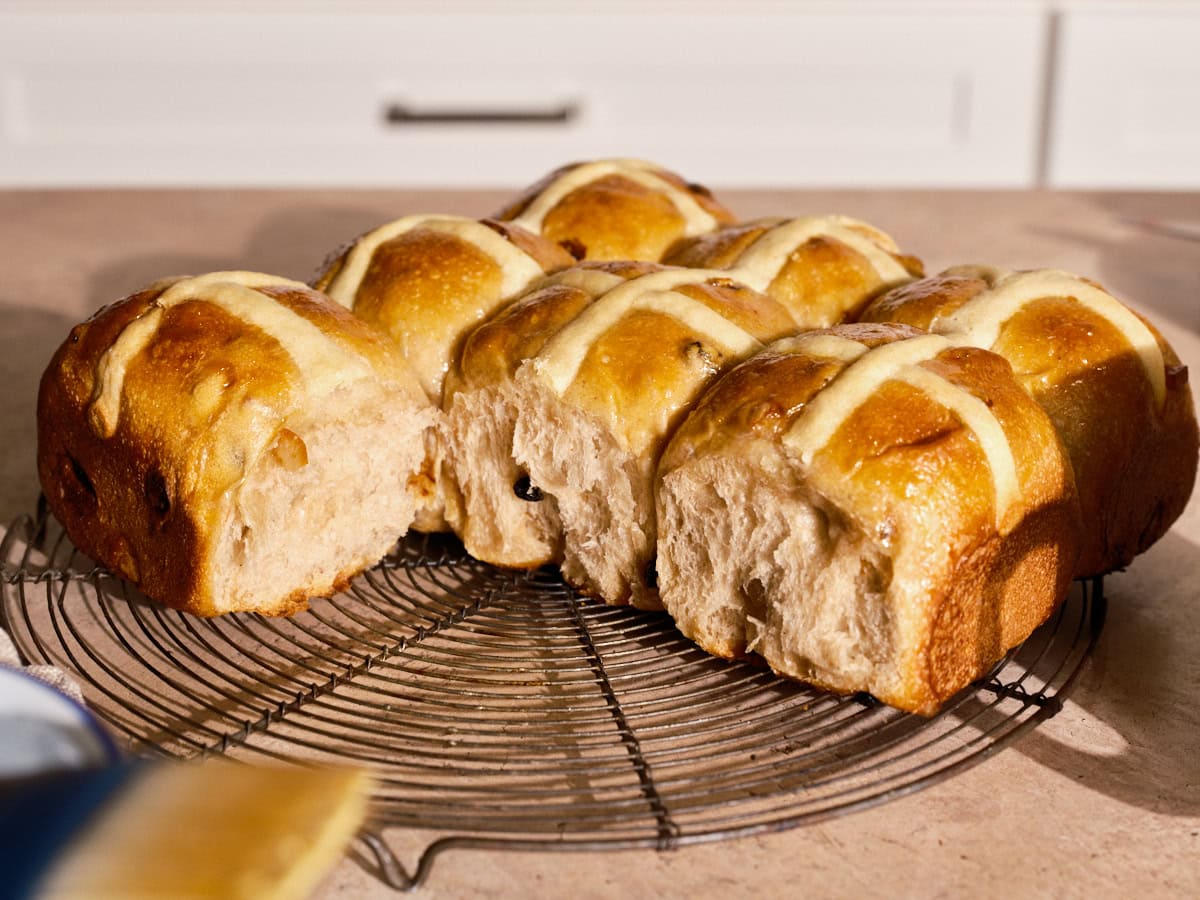
This recipe represents an evolution of a well-loved formula from The Perfect Loaf, a cookbook that has inspired countless home bakers. The author’s dedication to refining and improving established recipes is evident in the incorporation of the tangzhong method. This culinary innovation is not merely an addition but a fundamental enhancement, addressing the common desire for even softer, more tender enriched breads. The decision to integrate this technique speaks to a broader trend in artisanal baking, where heritage methods are being rediscovered and adapted to create superior results.
The inspiration for such a recipe often stems from the desire to capture the essence of seasonal baking. Hot cross buns, with their comforting spices and sweet additions, are intrinsically linked to the springtime. By leveraging the slow fermentation of sourdough and the moisture-retaining properties of tangzhong, the goal is to create a bun that not only tastes exceptional but also embodies the feeling of a fresh start and a return to warmth.
Deconstructing the Formula: A Baker’s Percentage Breakdown
Understanding the baker’s percentages is crucial for any serious baker, allowing for adjustments and a deeper appreciation of the dough’s composition. For these sourdough hot cross buns:
- Total Dough Weight: Approximately 1,150 grams.
- Pre-fermented Flour: 15.5%
- Levain in Final Dough: 48.6%
- Hydration: 31.0% (excluding milk)
- Yield: 9 to 11 buns, each weighing around 115 grams.
The desired dough temperature (DDT) is a critical factor in sourdough baking, set at 78°F (25°C) for this recipe. This precise temperature ensures optimal yeast activity and fermentation.
The Core Ingredients: A Symphony of Flavors and Textures
The ingredient list is meticulously curated to achieve the desired outcome:
Total Formula:
- High-protein white flour (~12%-14% protein): 454g (92.0%) – The backbone of the dough, providing structure.
- Tangzhong Flour: 39g (8.0%) – The flour component of the cooked paste.
- Tangzhong Whole Milk: 178g (36.0%) – The liquid component of the tangzhong, contributing richness and moisture.
- Egg, beaten: 49g (1 medium) (10.0%) – Adds richness, color, and a tender crumb.
- Unsalted Butter: 69g (14.0%) – Provides tenderness and a luxurious mouthfeel.
- Superfine Sugar: 39g (8.0%) – Sweetens the dough and aids in yeast activity.
- Thompson Raisins or Candied Orange Peel: 74g (15.0%) – Traditional fruit inclusions for sweetness and chew.
- Dried Currants or Chocolate Chips: 49g (10.0%) – Additional fruit or a modern twist.
- Ground Cinnamon: 3g (1 teaspoon) (0.6%) – The quintessential hot cross bun spice.
- Ground Allspice: 1g (1/2 teaspoon) (0.2%) – Adds warmth and depth.
- Freshly Ground Nutmeg: 1g (1/2 teaspoon) (0.2%) – Contributes a fragrant, slightly sweet note.
- Zest of 1 Lemon: Enhances brightness and aroma.
- Zest of 1 Orange: Complements the spices and dried fruits.
- Water: 153g (31.0%) – Hydration for the dough.
- Fine Sea Salt: 9g (1.9%) – Balances sweetness and enhances flavor.
- Ripe Sourdough Starter (100% hydration): 31g (6.2%) – The leavening agent and flavor contributor.
Additional Ingredients:
- Egg wash: 1 egg and 1 tablespoon milk for a golden sheen.
- Cross Mixture: Flour, water, orange juice (or water), vegetable oil, and salt for the iconic cross.
- Simple Syrup Glaze: Water and sugar for a glossy finish.
The Method: A Step-by-Step Guide to Sourdough Perfection
1. Preparing the Sweet Levain and Fruit Soaker (Evening Before)
The process begins the night before with the creation of a sweet levain. This starter mixture, enriched with sugar, ferments efficiently and contributes a mild tang without excessive sourness. Warm water (around 78°F/25°C) is combined with high-protein flour, sugar, and ripe sourdough starter. This mixture is left to ferment for approximately 12 hours in a warm environment, developing a light, airy, and bubbly consistency.
Concurrently, if the dried fruits and candied peel are particularly dry, a brief soaking can rehydrate them, ensuring they remain plump within the finished buns. This step is optional if the inclusions are already moist.
2. Crafting the Tangzhong and Preparing Butter (Morning Of)
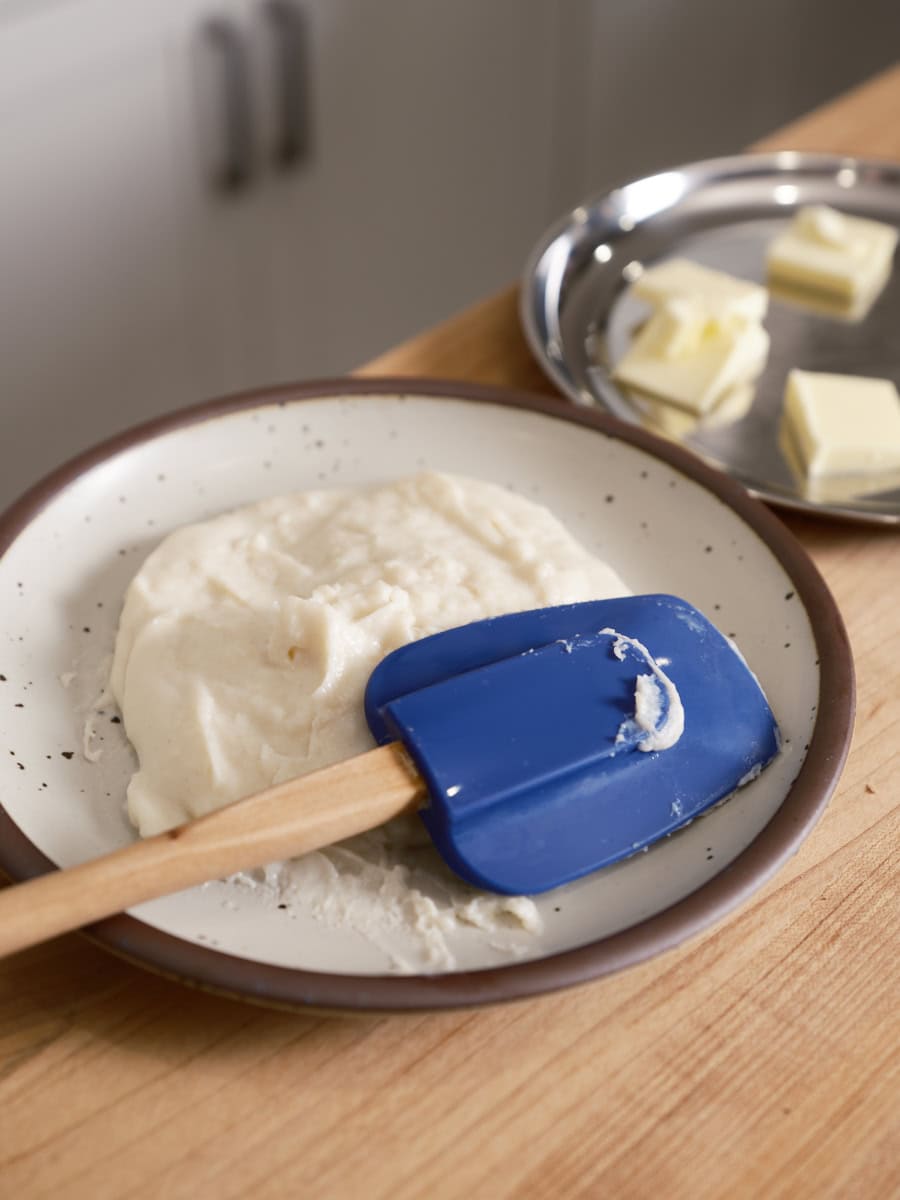
The next morning, attention turns to the tangzhong. High-protein flour is whisked with whole milk in a saucepan over medium-low heat. Continuous whisking is essential to prevent clumps and scorching, as the mixture gradually thickens into a smooth, cohesive paste. Once achieved, it’s spread onto a plate to cool quickly. Simultaneously, butter is cut into pats and left to soften at room temperature for later incorporation.
3. Mixing the Dough: A Symphony of Enrichment
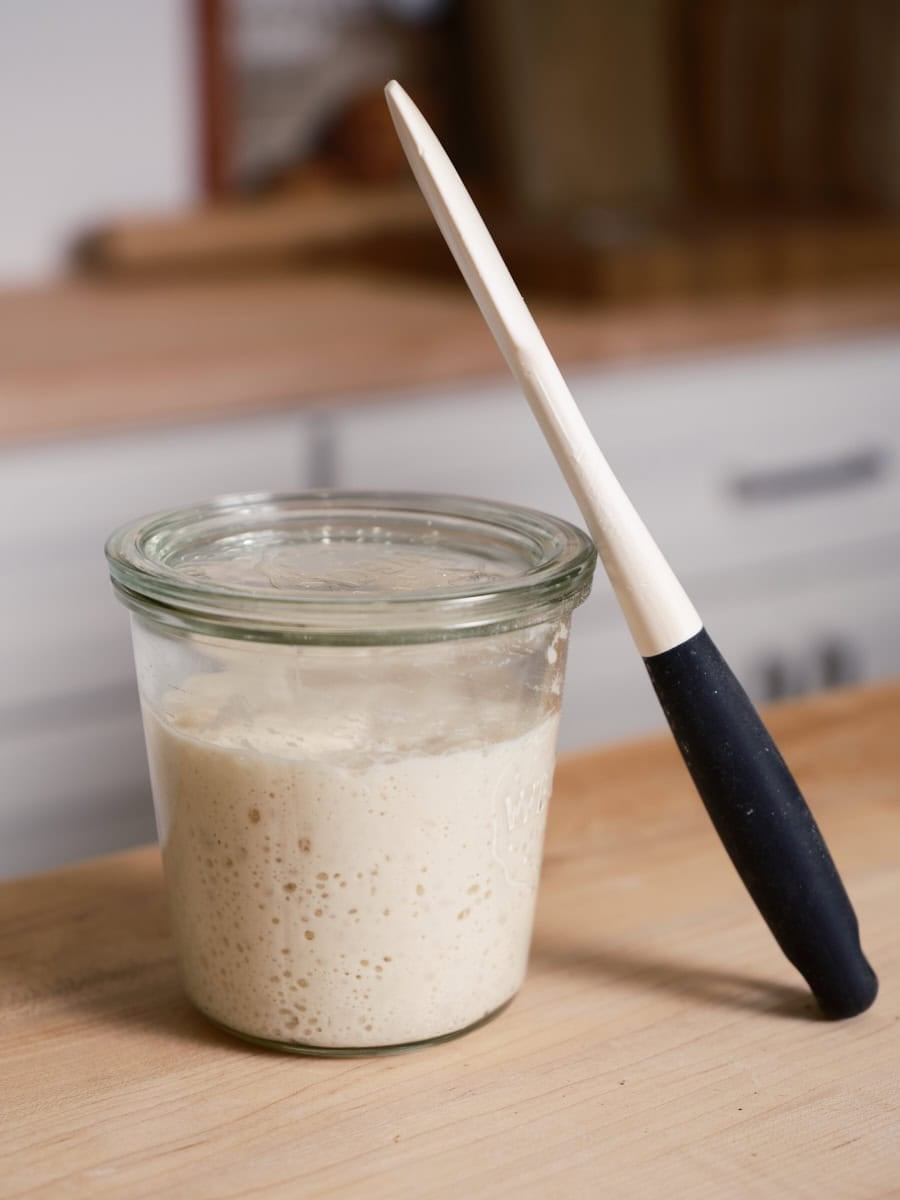
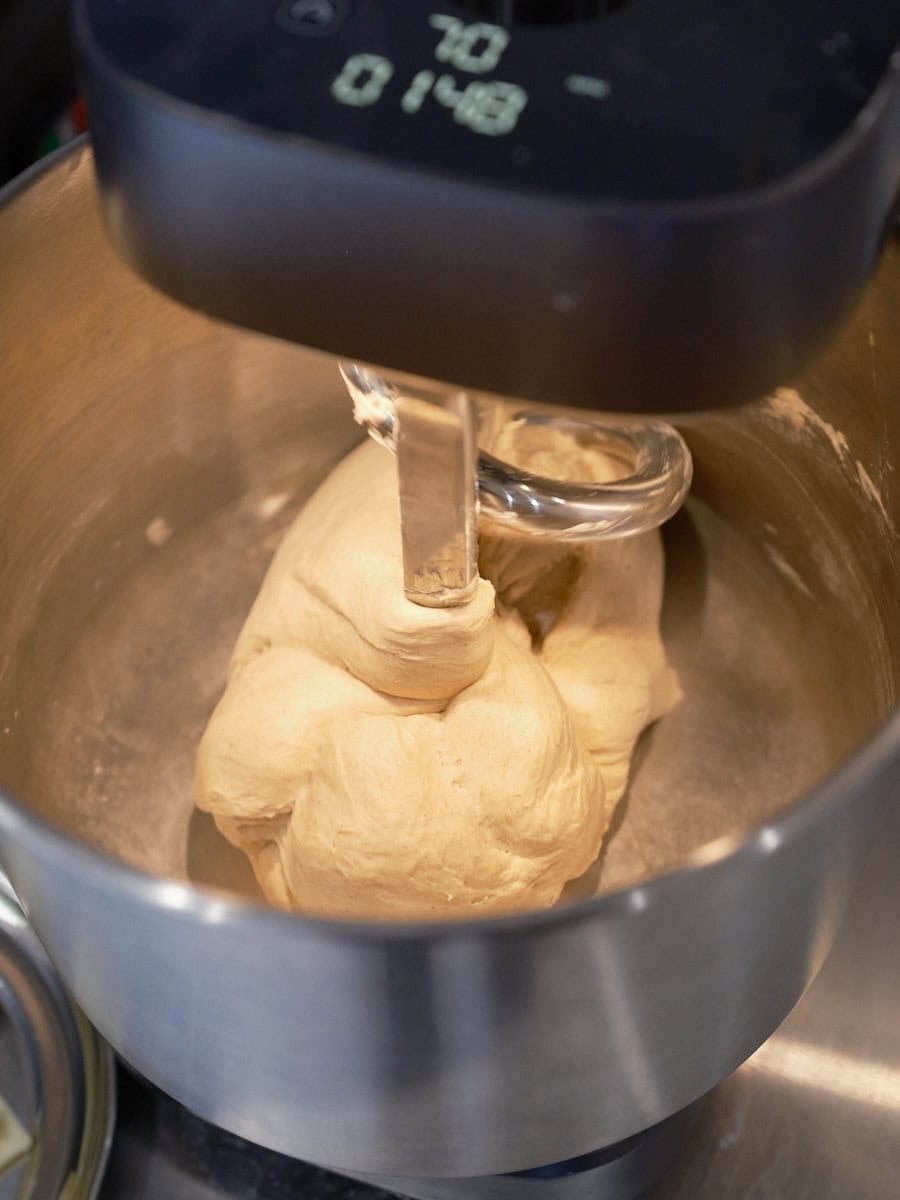
With the tangzhong cooled and the levain ready, the dough mixing commences. A stand mixer is highly recommended for this enriched dough. The tangzhong, flour, egg, sugar, spices, zest, water, salt, and ripe levain are combined. The initial mix is low-speed for 1-2 minutes until just combined, followed by a medium-speed mix for 5 minutes as the dough begins to tighten. A brief rest allows the gluten to relax.
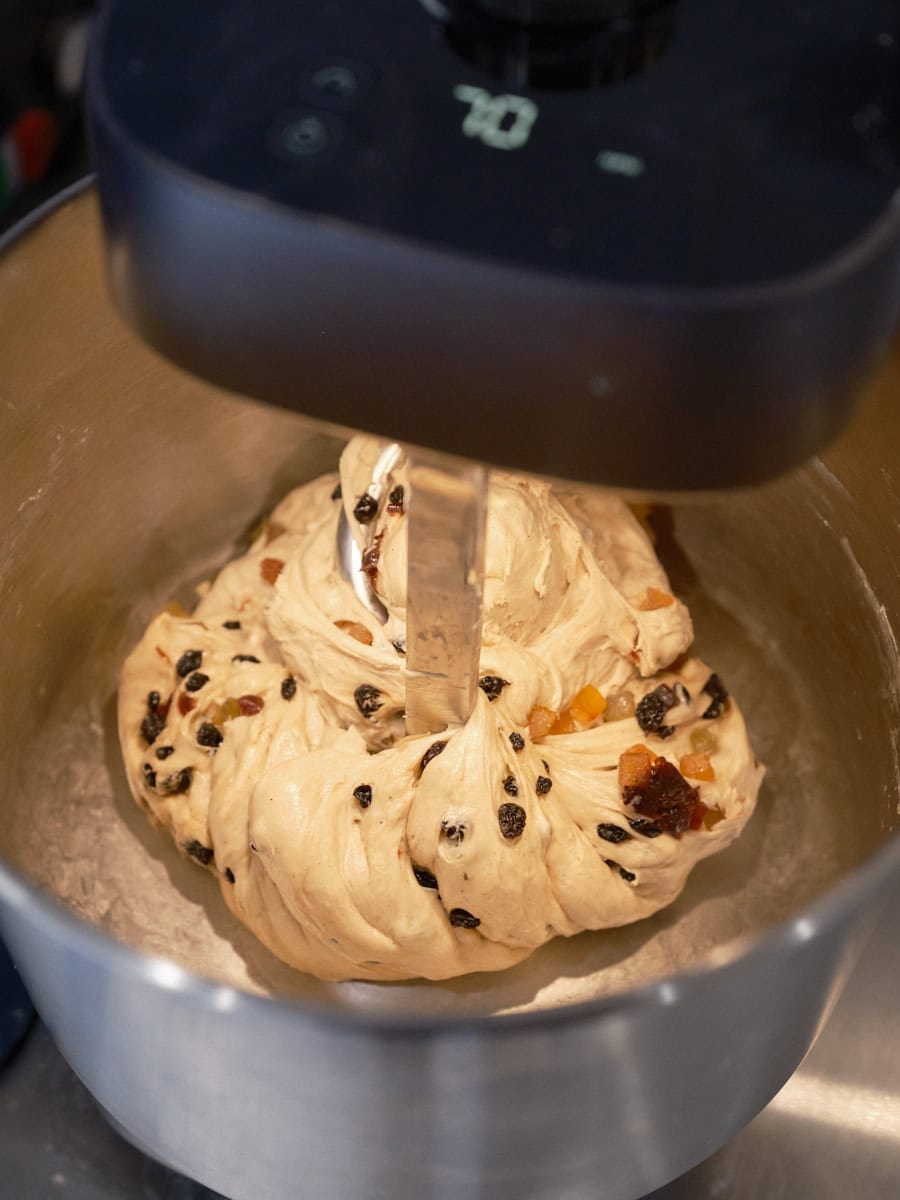
The mixing continues on medium speed for another 3-6 minutes until the dough is smooth and strong, passing the windowpane test. This stage is crucial for developing the gluten structure necessary to support the rich ingredients. The softened butter is then added gradually, one pat at a time, with each addition fully incorporated before the next is introduced. The dough should become silky, elastic, and shiny. Finally, the inclusions (raisins, currants, or chocolate chips) are gently mixed in on the slowest speed until evenly distributed.
4. Bulk Fermentation: Allowing the Dough to Bloom
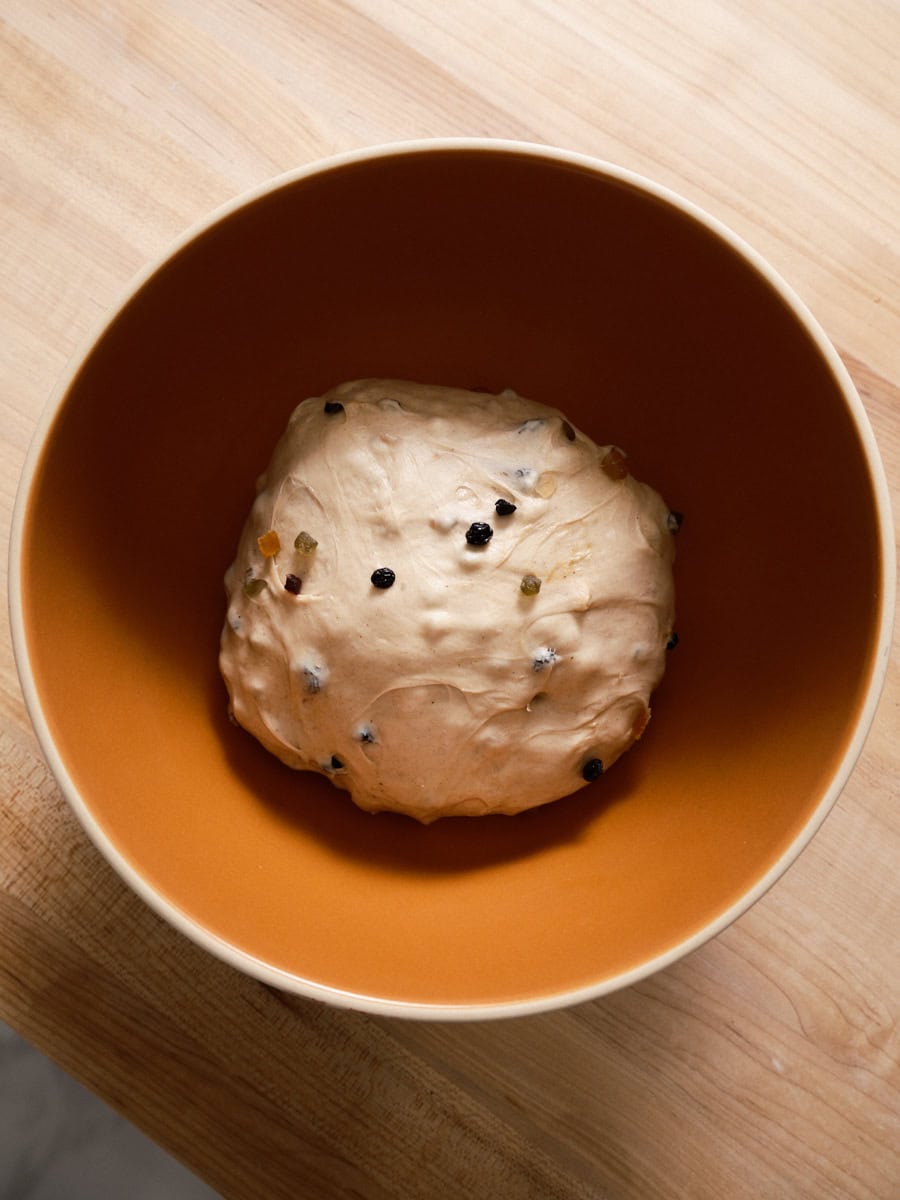
The dough then undergoes a bulk fermentation of approximately 4 hours at a warm room temperature (74-76°F/23-24°C). During this period, two sets of stretches and folds are performed at 30-minute intervals. These gentle folds strengthen the dough, equalize the temperature, and distribute the yeast and bacteria, promoting even fermentation. After the last fold, the dough is left to rest and rise until puffy and airy.
5. Dividing and Shaping: Preparing for the Final Rise
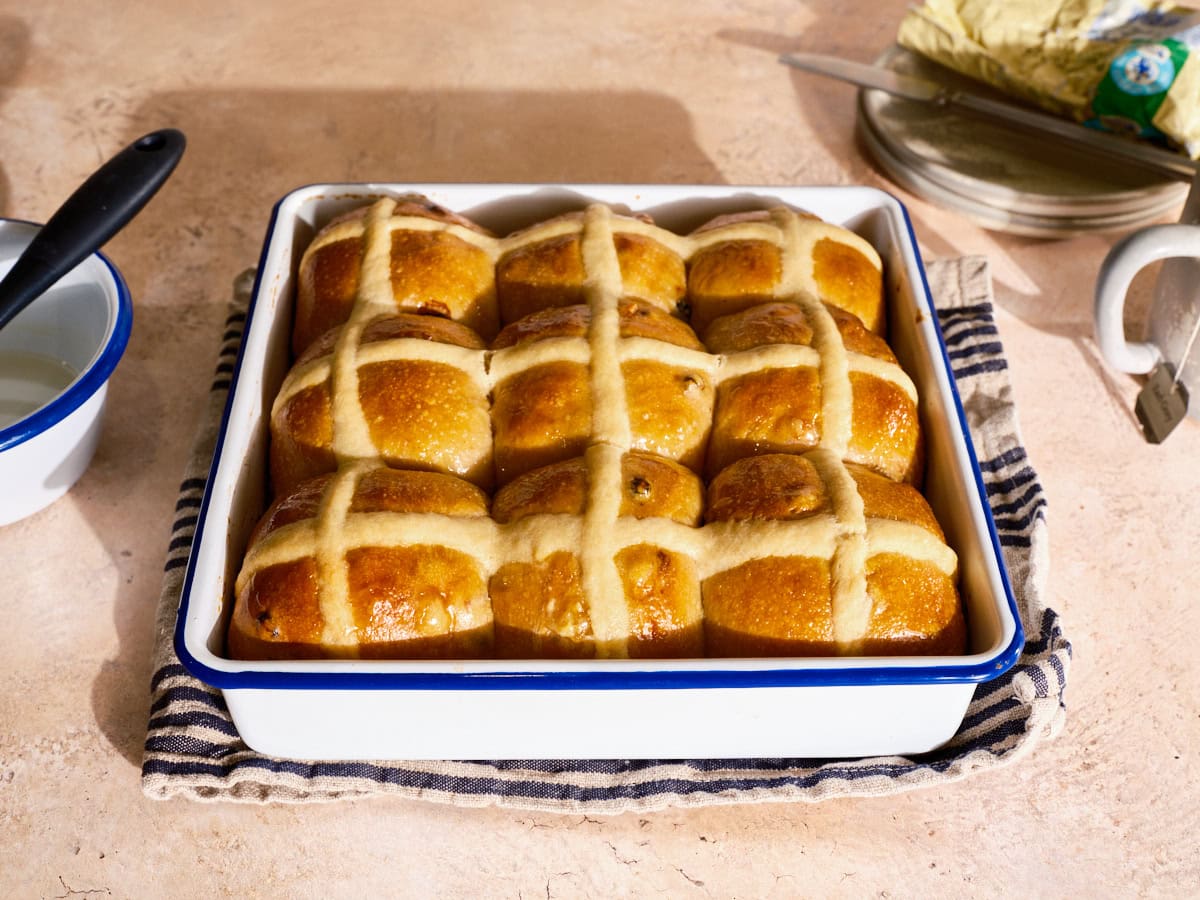
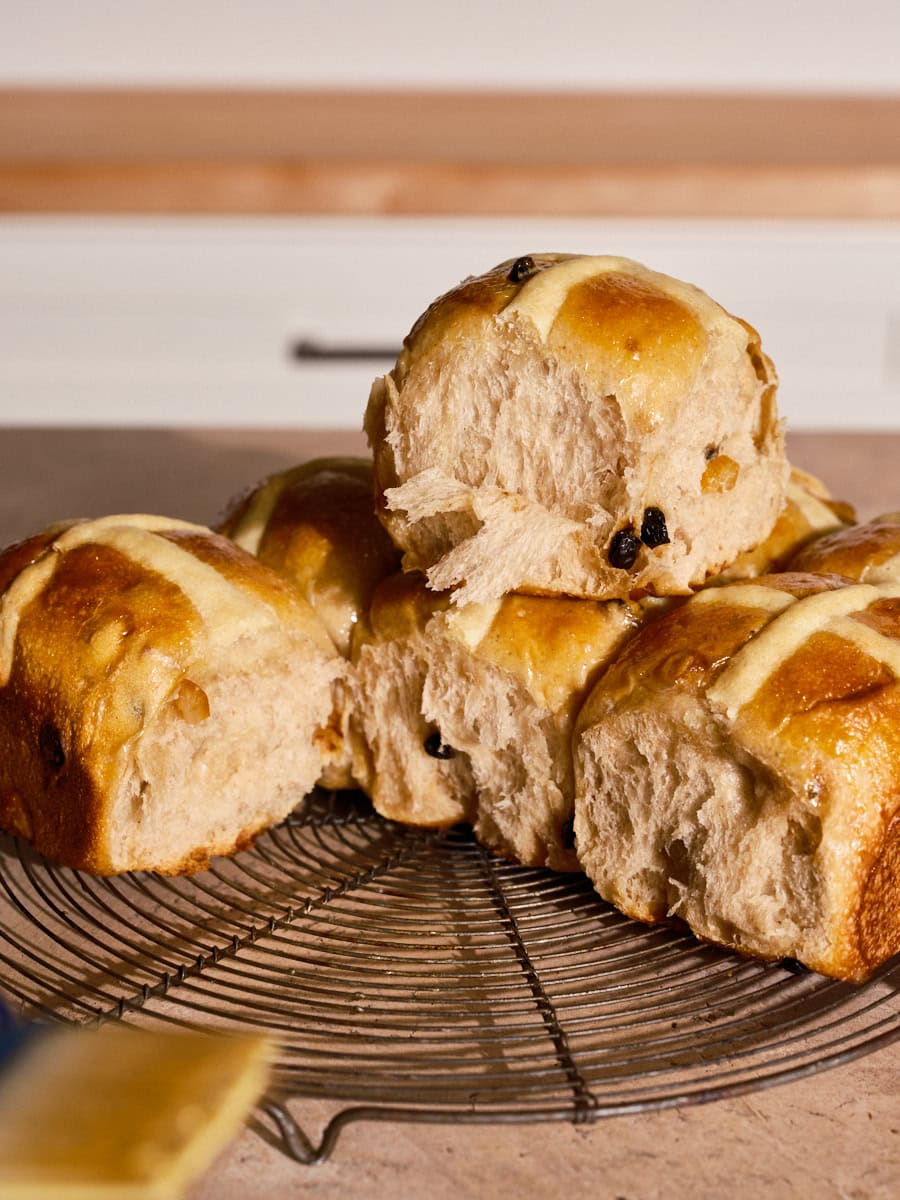
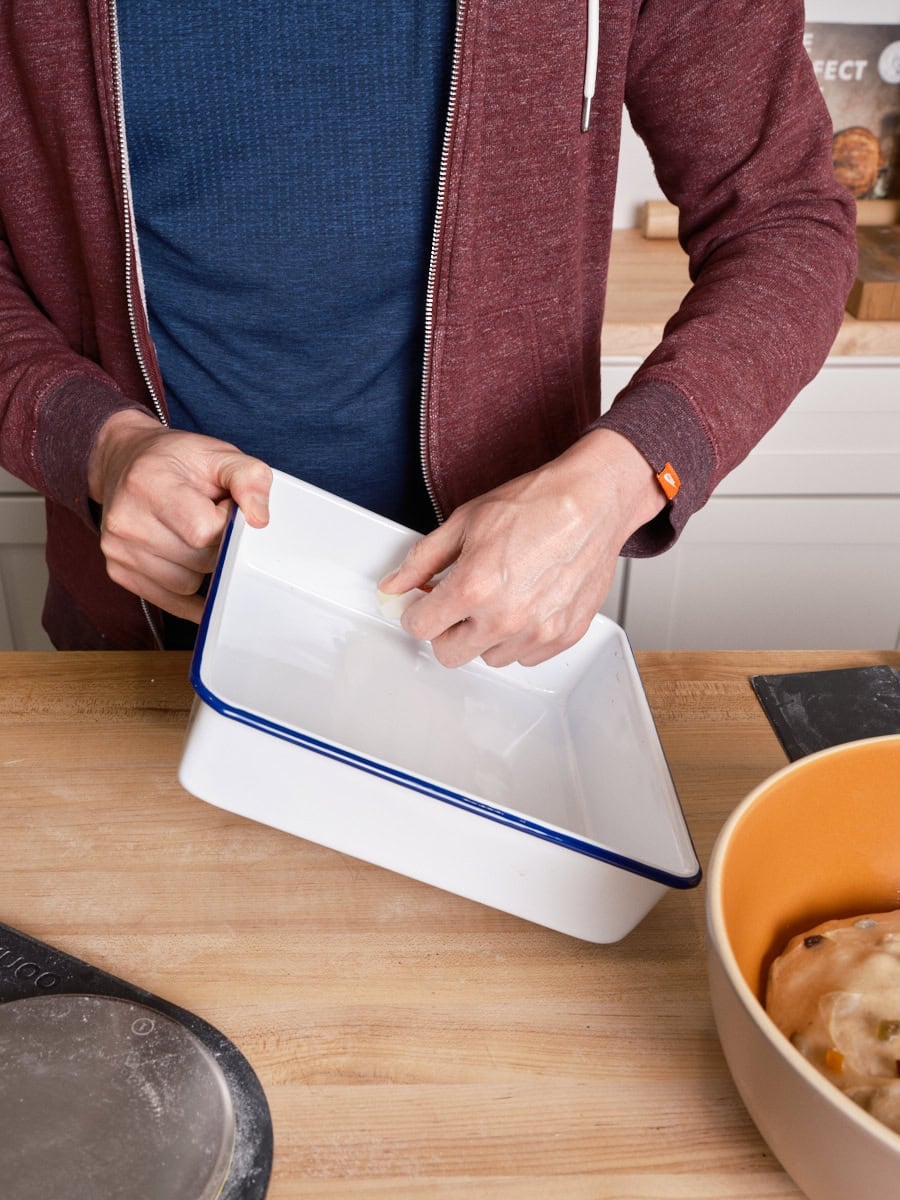
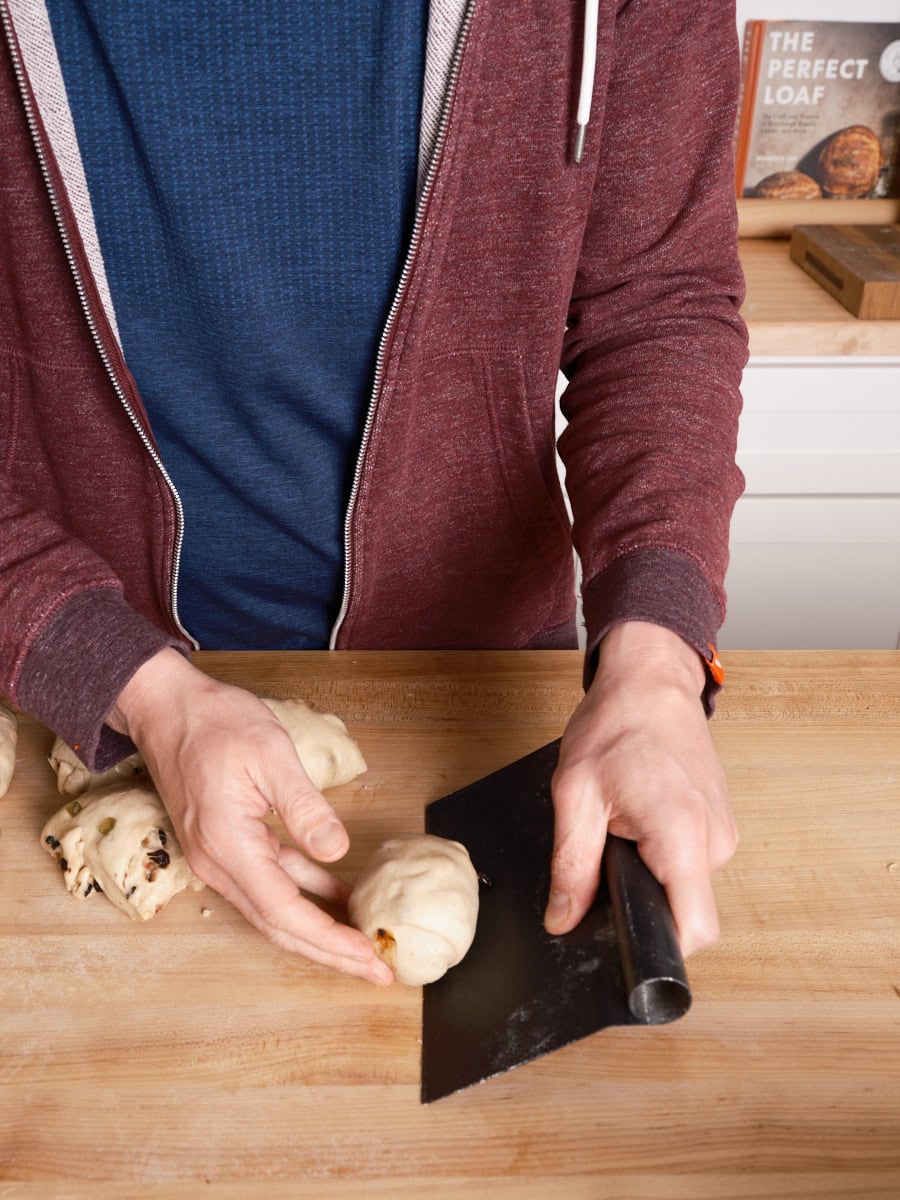
Once bulk fermentation is complete, the dough is gently scraped onto a lightly floured surface. It’s divided into 9 portions, each weighing approximately 115g. Each portion is then shaped into a tight ball, ensuring a smooth surface. These shaped buns are placed into a generously buttered 9-inch square baking pan, arranged in a 3×3 grid. This close arrangement encourages the buns to grow upwards, resulting in their characteristic soft sides. The pan is then covered and left to proof.
6. Proofing: The Gentle Ascent
The shaped buns undergo a final proofing period of about 4 to 5 hours in a warm environment. This slow rise is essential for developing the final texture. The dough should become very soft to the touch and well-risen, filling the pan almost to the rim. Patience is key here; rushing this stage can lead to a dense final product. An overnight proofing option in the refrigerator is also viable for convenience.
7. The Grand Finale: Glazing and Baking
As the buns approach their final proof, the oven is preheated to 400°F (200°C). A simple syrup glaze is prepared by boiling water and sugar until clear. Simultaneously, the cross mixture is made by combining flour, water, orange juice, oil, and salt to form a thick paste, which is then transferred to a piping bag.
Before baking, the buns are brushed with an egg wash for a beautiful golden hue. The cross mixture is then piped onto each bun, forming the iconic pattern. The buns are baked for 15 minutes at 400°F (200°C), then the temperature is reduced to 350°F (175°C) for another 10-15 minutes, until they reach an internal temperature of 195°F (90°C) and are golden brown.
8. Finishing Touches and Enjoyment
Immediately after removing them from the oven, the hot buns are brushed with the prepared simple syrup glaze, imparting a lovely sheen. After a brief cooling period in the pan, they can be served warm, ideally with a good quality salted butter. While best enjoyed fresh, they can be stored in an airtight container for a day and reheated.
Broader Implications and Culinary Trends
The popularity of sourdough baking continues to surge, driven by a growing appreciation for artisanal techniques, natural ingredients, and the pursuit of superior flavor and texture. The incorporation of methods like tangzhong into traditional recipes like hot cross buns reflects a broader trend of innovation within the home baking community. This recipe, by marrying the ancient art of sourdough with the efficacy of tangzhong, not only produces a delightful treat but also serves as an educational tool, demonstrating how culinary traditions can be enhanced through thoughtful adaptation. The emphasis on a slower, more deliberate baking process also aligns with a cultural shift towards mindfulness and appreciation for the craft of food preparation.
The availability of detailed schedules and alternative preparation methods, such as overnight proofing, makes this recipe accessible to a wider range of bakers, from experienced sourdough enthusiasts to those looking to venture into more complex enriched doughs. The inherent flexibility of the recipe ensures that its delicious results can be enjoyed by many, regardless of their schedule.
Looking Ahead: A Staple for Spring Baking
These super-soft sourdough hot cross buns, with their complex flavors and tender crumb, are poised to become a beloved spring tradition. The recipe’s success lies in its ability to balance time-honored techniques with modern culinary insights, resulting in a truly exceptional baked good. For those seeking further exploration into enriched sourdough, the author also offers recipes for super-soft sourdough rolls and sourdough pumpkin dinner rolls, each showcasing the versatility of tangzhong and the power of natural leavening. The journey of sourdough baking is one of continuous discovery, and these hot cross buns are a delicious testament to that ongoing exploration.