
As the hospitality industry traverses the midpoint of 2026, the theoretical predictions of the previous year have solidified into a complex, multifaceted reality. The global dining landscape is currently defined by a delicate equilibrium between rapid technological advancement and a deep-seated consumer yearning for authentic, intentional connection. Leaders from Les Dames d’Escoffier International (LDEI)—a preeminent philanthropic organization of female professionals in the food, beverage, and hospitality sectors—are observing a market that has moved beyond the post-pandemic recovery phase into a period of strategic recalibration. Today’s operators are no longer merely surviving; they are navigating a sophisticated environment where borderless flavors, "farm-to-table 2.0," and the physiological impacts of weight-loss medications are dictating the success of modern enterprises.
The Evolution of the Plate: Borderless Flavors and Global Mash-ups
The concept of "global cuisine" has undergone a fundamental transformation in 2026. What was once categorized as "ethnic" or "niche" has been fully integrated into the mainstream culinary lexicon. According to Kate Howell, LDEI 3rd Vice President, the appetite for international flavors is characterized by a move toward specific regionality rather than broad categories. In particular, the culinary influences of Malaysia, South Korea, and South American nations—specifically Brazil, Venezuela, Peru, and Colombia—have moved to the forefront of menu innovation.
This shift is driven by a consumer base that is increasingly educated on global ingredients. We are seeing a proliferation of "borderless" menus where traditional barriers are dismantled. It is no longer unusual to find a Malaysian rendang infused with Latin American chimichurri or South American-Korean fusion dishes that utilize fermented gochujang alongside traditional Andean tubers. This "Global Mash-up" trend is supported by data indicating that Gen Z and Millennial diners prioritize "flavor discovery" as a primary reason for dining out. For operators, this necessitates a deeper investment in authentic sourcing and a more nuanced understanding of umami-heavy fermented pastes and intense pepper profiles.
The Beverage Revolution: From Maximalism to Tea Tonics
The beverage sector in 2026 is experiencing a dual-track evolution. On one hand, there is a surge in "beverage mania," a trend highlighted by Kara Nielsen, LDEI San Francisco Chapter President and Trendologist. This involves a maximalist approach to drinks, characterized by multiple layers, exotic garnishes, and complex textures. The "dirty soda" trend of 2025 has morphed into a broader category where coffees, matchas, and milkshakes are treated as canvases for artistic expression, featuring inclusions like boba, jellies, and flavored creams.

Conversely, a more refined beverage movement is taking hold, centered on wellness and sophisticated non-alcoholic options. Kate Howell notes that tea is undergoing a significant reinvention. No longer a static category of hot or iced bags, tea has evolved into "tea tonics"—fermented, botanical-forward, and cocktail-adjacent beverages that offer the complexity of a spirit without the alcohol. This aligns with the findings of Stephanie Jaeger, LDEI Immediate Past President and executive at JOEY Restaurant Group, who emphasizes the rise of low-alcohol beverages. Lower-ABV spritzes, fortified wines, and sessionable cocktails are providing the "balance" that modern consumers demand, allowing for social engagement without the lingering effects of high-proof alcohol.
The GLP-1 Factor: Reshaping Consumption Patterns
One of the most significant disruptors to the food industry in 2026 is the widespread adoption of GLP-1 weight-loss medications, such as Ozempic and Wegovy. Kara Nielsen points out that these medications have fundamentally altered how and how much people eat. Consumers on these regimens are focusing on nutrient density, prioritizing high-protein and high-fiber foods while significantly reducing their overall caloric intake and snacking frequency.
The economic implications are substantial. For restaurant operators, the traditional "three-course meal" model is being challenged. To adapt, forward-thinking establishments are introducing "snacking plates" and high-protein mini-meals. These offerings allow diners on GLP-1 medications to participate in social dining experiences without feeling overwhelmed by standard portion sizes. While there is potential for a shift if insurance coverage for these medications fluctuates, current trends suggest a permanent shift toward "quality over quantity," where every bite must offer both nutritional value and sensory satisfaction.
Farm-to-Table 2.0: Sourcing with Intention
The "farm-to-table" movement, once a buzzword, has matured into what Stephanie Jaeger describes as a more intentional, smarter version of its former self. In 2026, it is not enough to simply claim an ingredient is "local." Consumers now demand to know the "why" behind the ingredient. There is a heightened focus on nutrient density, varietal diversity, and regenerative agriculture.
Operators are finding success by highlighting why a specific tomato variety tastes superior or why a kalette is nutritionally distinct from standard kale. This "Provenance 2.0" extends to animal welfare, where grass-fed beef and natural grazing systems are no longer optional extras but baseline expectations for the premium dining segment. Furthermore, the protein landscape is becoming increasingly hybrid. Plant-based options have moved away from being "meat mimics" and are now celebrated as flavor-worthy main courses in their own right, often blended with botanical proteins to create unique textures.

Operational Realities: AI Integration and Economic Volatility
While the front-of-house focuses on flavor and experience, the back-of-house is grappling with significant economic and operational pressures. Barbara Sibley, LDEI New York Chapter President and CEO of La Palapa, notes that 2026 is a year of "hopeful recalibration" following a period of intense price volatility and labor shifts.
The industry is still feeling the effects of the pandemic-era workforce exodus, which left a younger, less experienced labor pool and drove wage pressures upward. To combat this, Artificial Intelligence (AI) has moved from a futuristic concept to a practical operational tool. In 2026, AI is being utilized for sophisticated labor scheduling, inventory management, and predictive demand modeling. This technological integration is essential for maintaining margins in an environment where fixed costs—such as insurance premiums, rent, and utilities—remain stubbornly high.
Sibley also highlights the shift toward "Value over Luxury." As economic uncertainty persists, diners are gravitating toward mid-priced restaurants that offer transparent pricing and shareable menus. The era of "high-end excess" is being replaced by a desire for quality experiences that feel financially responsible.
The Experience Economy: Real-World Connection in a Digital Age
In an era increasingly dominated by AI and digital screens, the physical restaurant has become a vital sanctuary for human connection. Kara Nielsen emphasizes that "Real Experiences" are the primary tool for enticing diners away from their devices. This is manifesting in the rise of tasting flights, food-and-music combinations, and celebrity co-branding collaborations that create a sense of exclusivity and "event" dining.
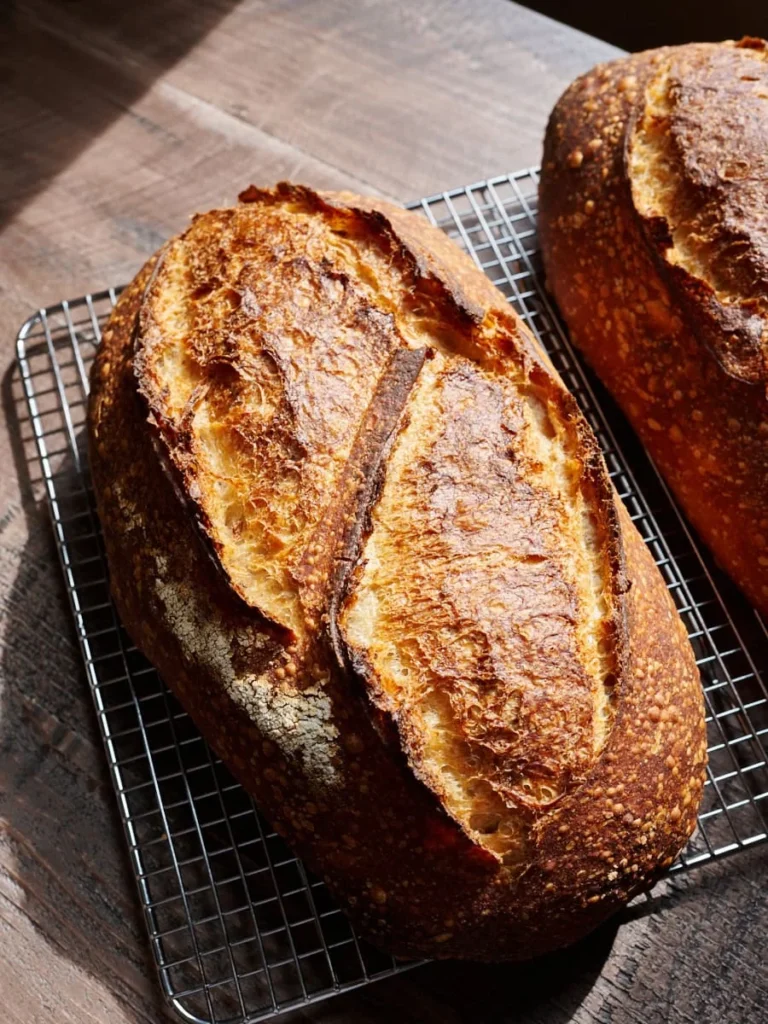
Bakery culture is also playing a central role in this experience economy. The "little treat" culture, largely fueled by Gen Z, has led to a boom in artisan baking. Laminated doughs are being used as vehicles for global flavors, such as Middle Eastern-accented croissants or savory-sweet hybrids like pretzel croissants. These items serve as accessible luxuries, providing a high-impact sensory experience at a lower price point than a full meal.

Chronology of a Transformation: 2024-2026
To understand the 2026 landscape, one must look at the timeline of the last 24 months:
- Early 2024: The industry focused on stabilizing supply chains and adjusting to the "new normal" of hybrid work patterns.
- Late 2024: The first major waves of GLP-1 impact were noted in retail data, prompting the first round of restaurant menu adjustments.
- 2025: A year of experimentation. "Dirty sodas" and AI chatbots became trendy, while operators began advocating for policy reforms regarding rising insurance and rent costs.
- Early 2026: The transition from "novelty" to "mainstream" for global flavors. AI moves from the "front-of-house" (chatbots) to the "back-of-house" (logistics).
- Mid-2026: A stabilized market where "innovation with intention" is the primary driver of growth.
Broader Impact and Industry Implications
The trends observed by the leaders of LDEI suggest a permanent shift in the hospitality power dynamic. The consumer is now more empowered, more health-conscious, and more culturally curious than ever before. For independent restaurants, the path forward involves leaning into storytelling and community connection—the "why" behind the brand. For larger chains, the challenge lies in scaling the "farm-to-table 2.0" and "borderless flavor" models without losing the authenticity that today’s diners crave.
Ultimately, 2026 is proving to be a year of maturation. The industry is shedding the reactive posture of the early 2020s and adopting a proactive, data-driven, and flavor-forward strategy. By blending technological efficiency with a deep respect for culinary provenance and human connection, the hospitality world is not just adapting to a new reality—it is actively shaping it. The "hopeful recalibration" mentioned by Barbara Sibley suggests that while the challenges are significant, the potential for a more sustainable, creative, and inclusive industry has never been higher.