
The humble bagel, a staple in breakfast and brunch menus worldwide, is undergoing a sophisticated transformation in the realm of artisanal baking. A recent exploration into sourdough techniques has yielded a refined "new wave" sourdough bagel, moving beyond traditional expectations to offer a lighter, glossier, and more texturally complex experience. This evolution, driven by meticulous experimentation and a deep understanding of fermentation, is redefining what a bagel can be.
The genesis of this new approach lies in a series of iterative questions posed by a dedicated baker, seeking to unlock the full potential of sourdough for this iconic bread. The core inquiry revolved around the interplay of ingredients and process: could the levain itself impart sweetness, rather than relying solely on the final dough? What character could be introduced by blending flours, incorporating whole grains for depth and a touch of lower protein for a more tender crumb? And crucially, how could shaping and fermentation techniques be adapted to elevate the final product, perhaps through an overnight cold rest and an unconventional boiling liquid? This article delves into the answers to these questions, presenting a detailed look at the creation of these "new wave" sourdough bagels.
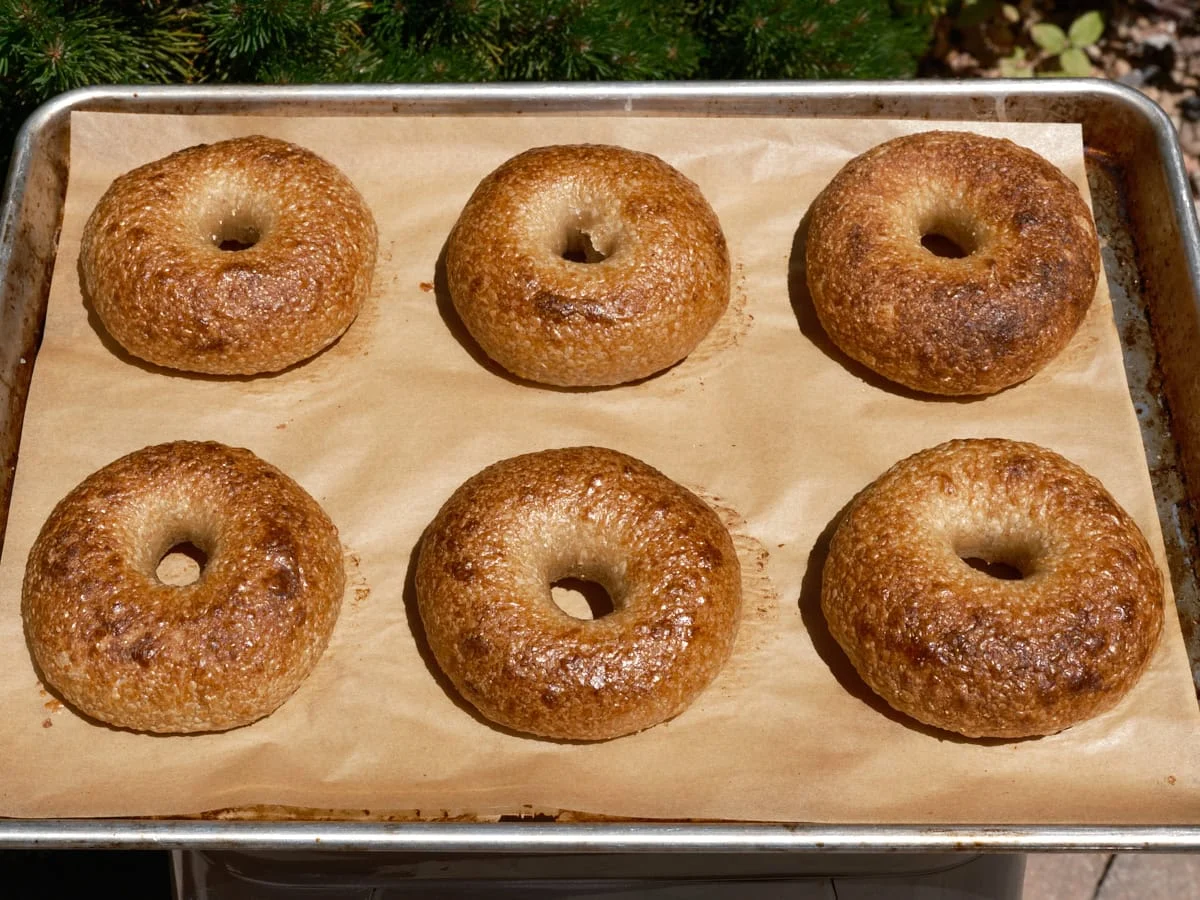
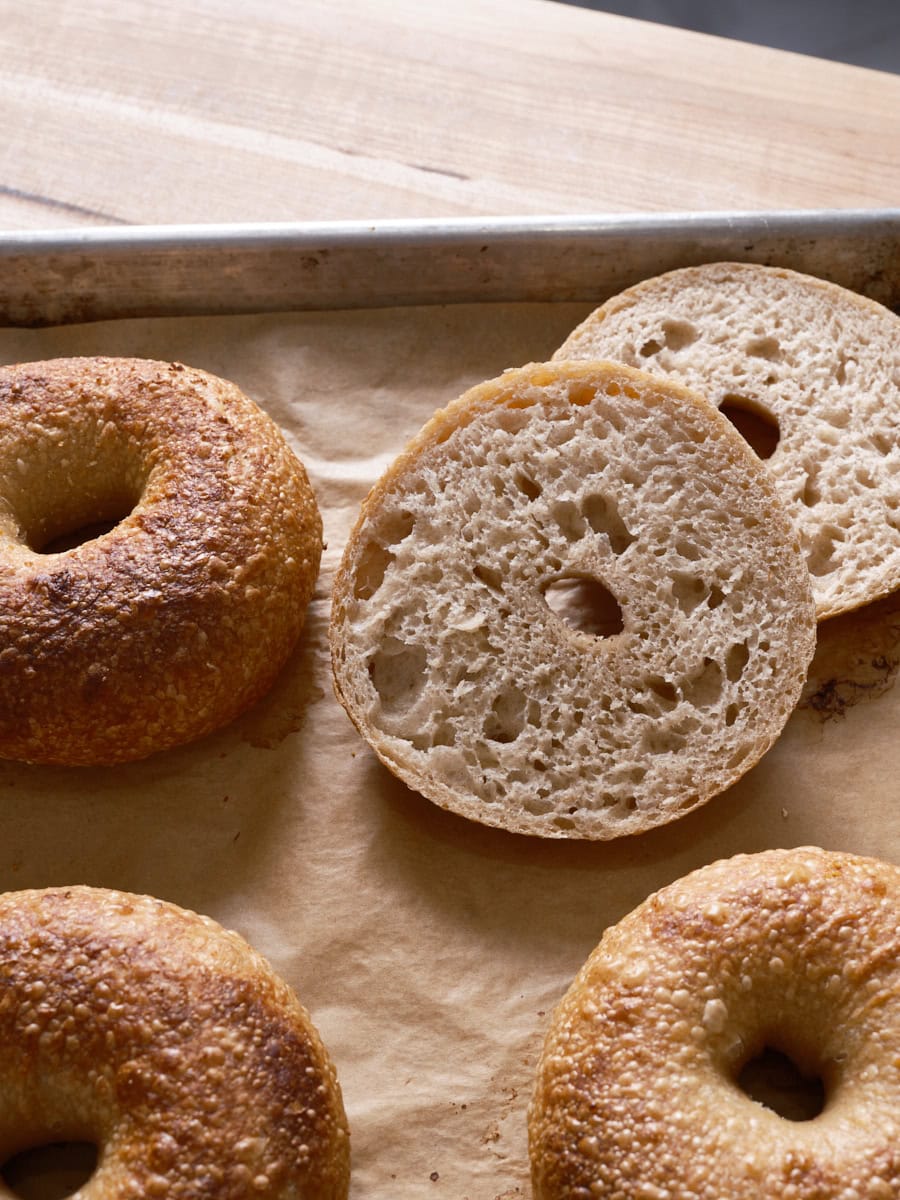
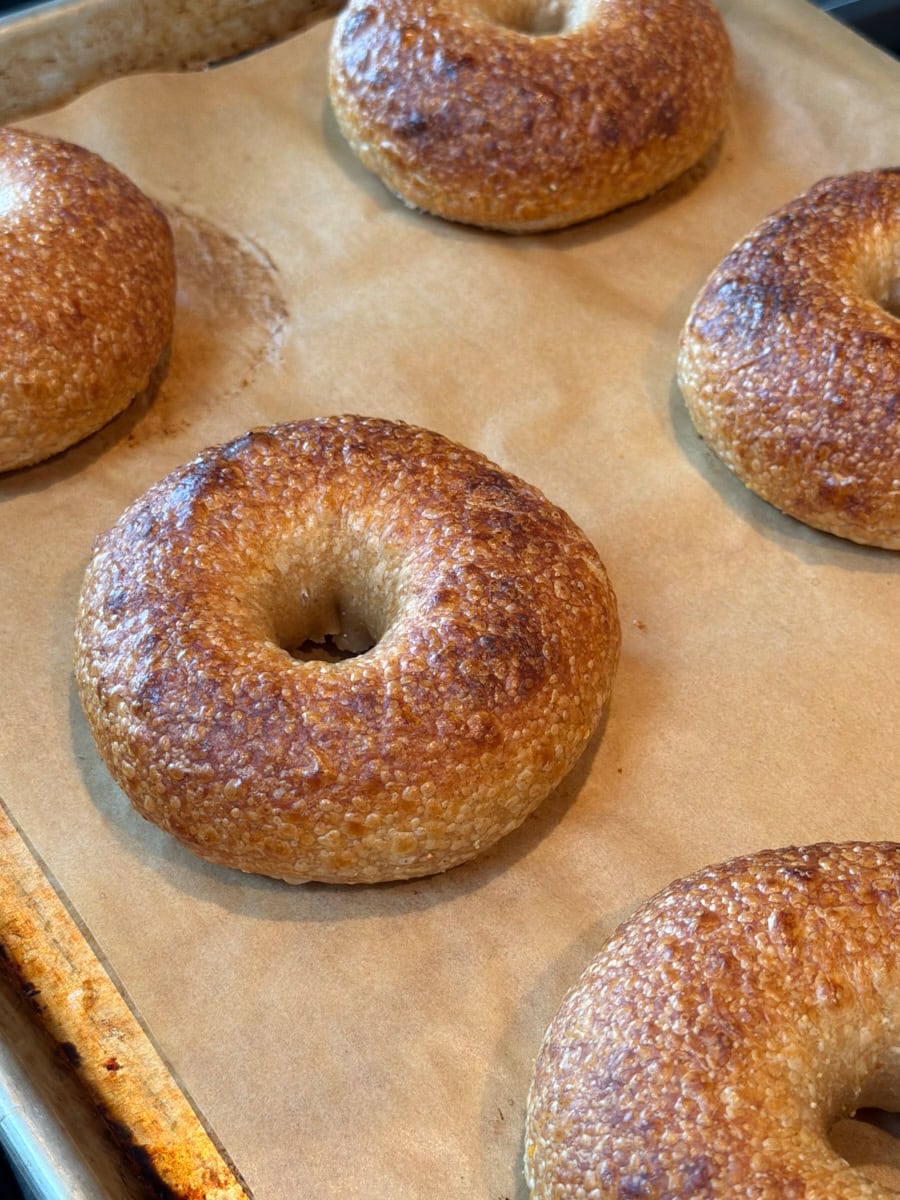
The culmination of this experimental journey is a recipe that, while seemingly a subtle refinement, represents a significant shift from the classic New York-style bagel. The author emphasizes that the changes, when viewed individually, might appear minor. However, their collective impact on the final bagel is profound, resulting in a product that is lighter, possesses a glossy and blistered crust, a slightly crispy exterior, and a more open crumb structure. This contrasts with the denser, chewier, and more uniformly closed crumb characteristic of traditional bagels.
A Deeper Dive into the "New Wave" Bagel Methodology
The refinement process involved addressing several key variables. The flour blend was the first to undergo significant alteration. Instead of a single flour, a combination was developed, featuring high- and medium-protein white flours, complemented by whole wheat and a touch of whole rye. This blend aims to provide both structure and nuanced flavor.
The levain, the heart of any sourdough, was also re-engineered. A small addition of sugar was introduced to the levain itself. This strategic move aims to promote a yeast-dominant culture, thereby minimizing the transfer of sourness to the final bagel.
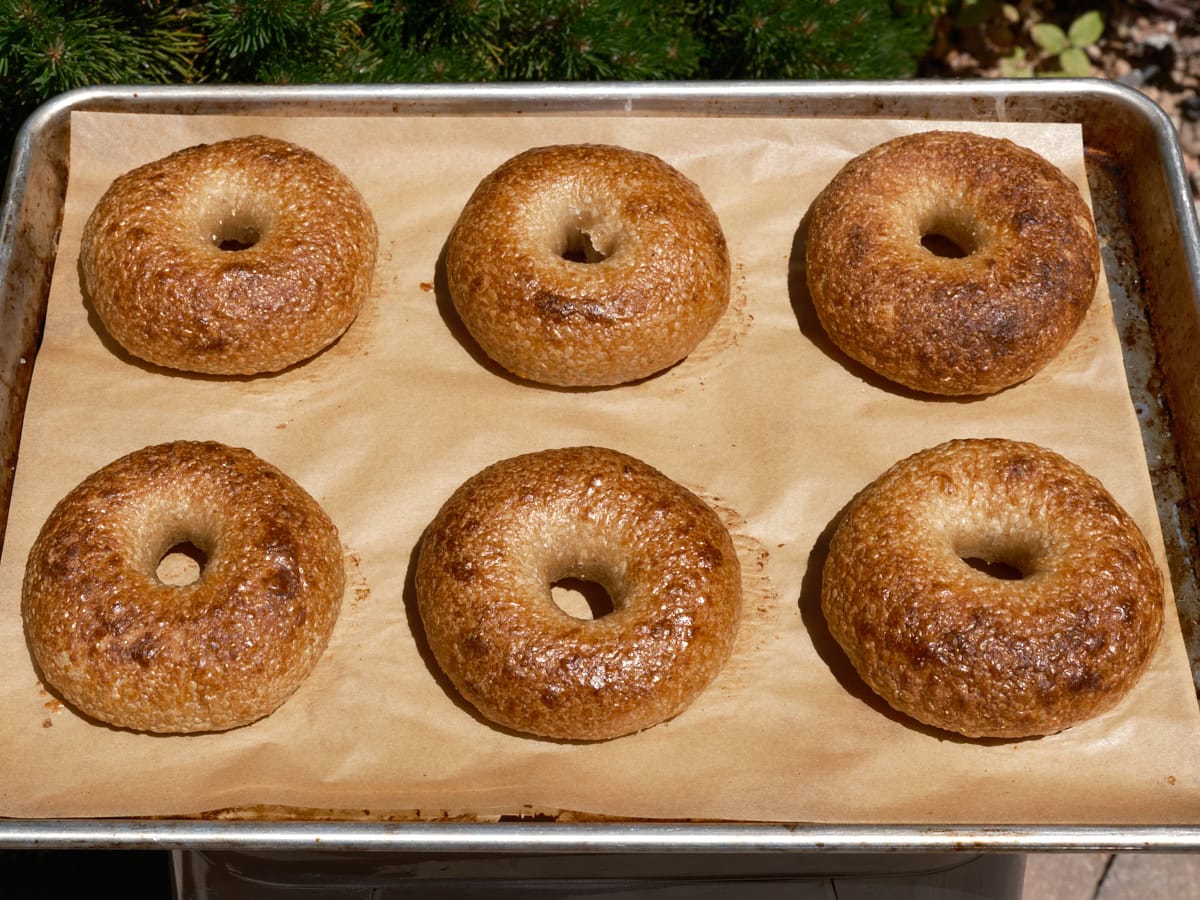
Shaping techniques were revisited, with a move towards the "poke method." This approach is particularly well-suited for higher hydration doughs and simplifies the process of creating the characteristic bagel ring. Finally, the incorporation of an overnight cold proof, or "retard," proved to be a transformative step. This extended chilling period significantly impacted the crust, fostering the development of desirable blisters, and deepened the overall flavor profile, lending a more complex and delightful crispness to the baked bagel.
Distinguishing the "New Wave" from the Traditional
To fully appreciate the innovation, it’s essential to contrast this "new wave" sourdough bagel with its more established counterpart. The sourdough bagel featured in the author’s earlier cookbook aligns with the traditional New York-style profile: a robust chew, a slightly thicker crust, and a tightly closed crumb. This established recipe prioritizes a dense, hearty bagel.
In contrast, the "new wave" sourdough bagel draws inspiration from contemporary artisanal bagel shops, such as the highly acclaimed Courage Bagels in Los Angeles. These modern establishments often feature lighter bagels with a visually striking glossy and blistered crust. The texture is typically described as slightly crispy, and the crumb structure is more open and irregular. This new iteration aims to capture that sought-after balance of lightness, crispness, and a tender, yielding interior.
Key Techniques for Sourdough Bagel Mastery
Achieving the desired "new wave" characteristics requires attention to several critical steps in the baking process:
-
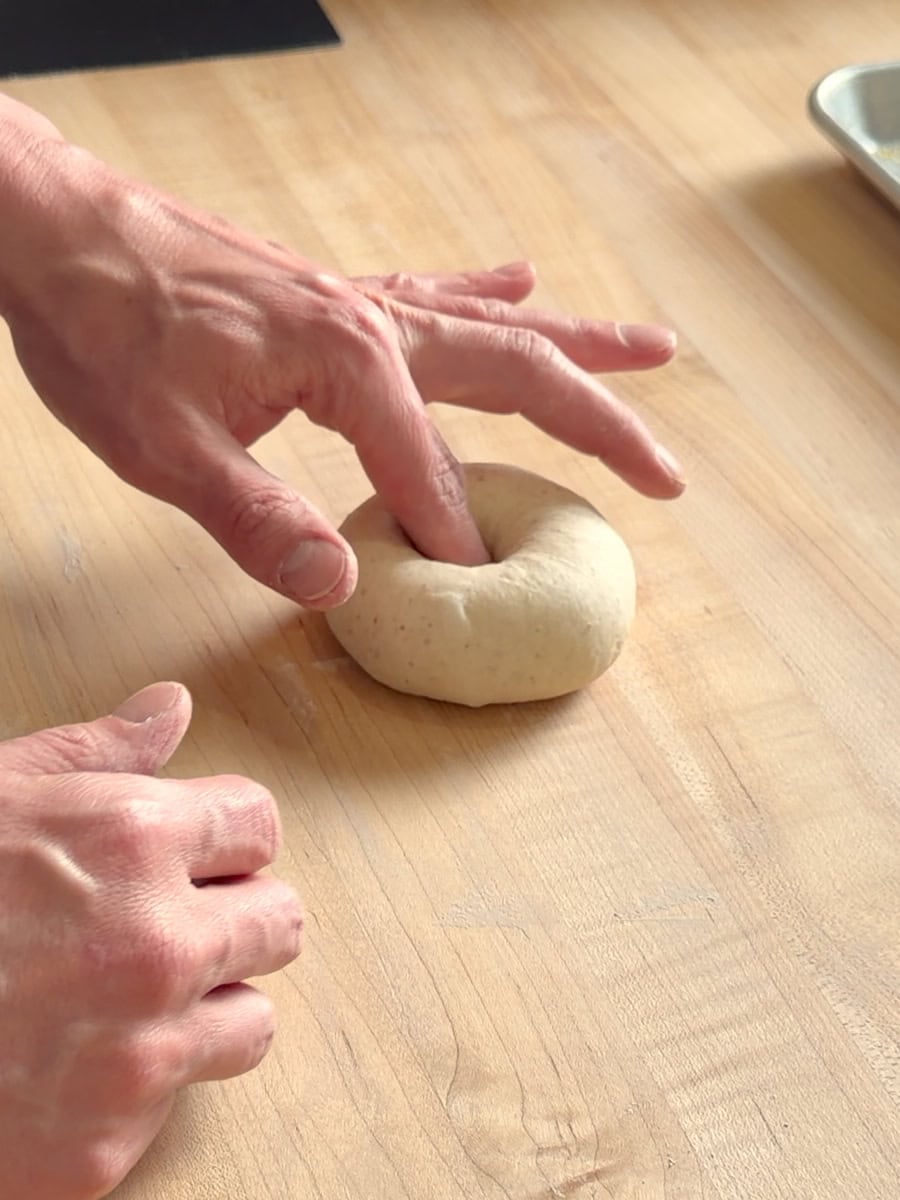
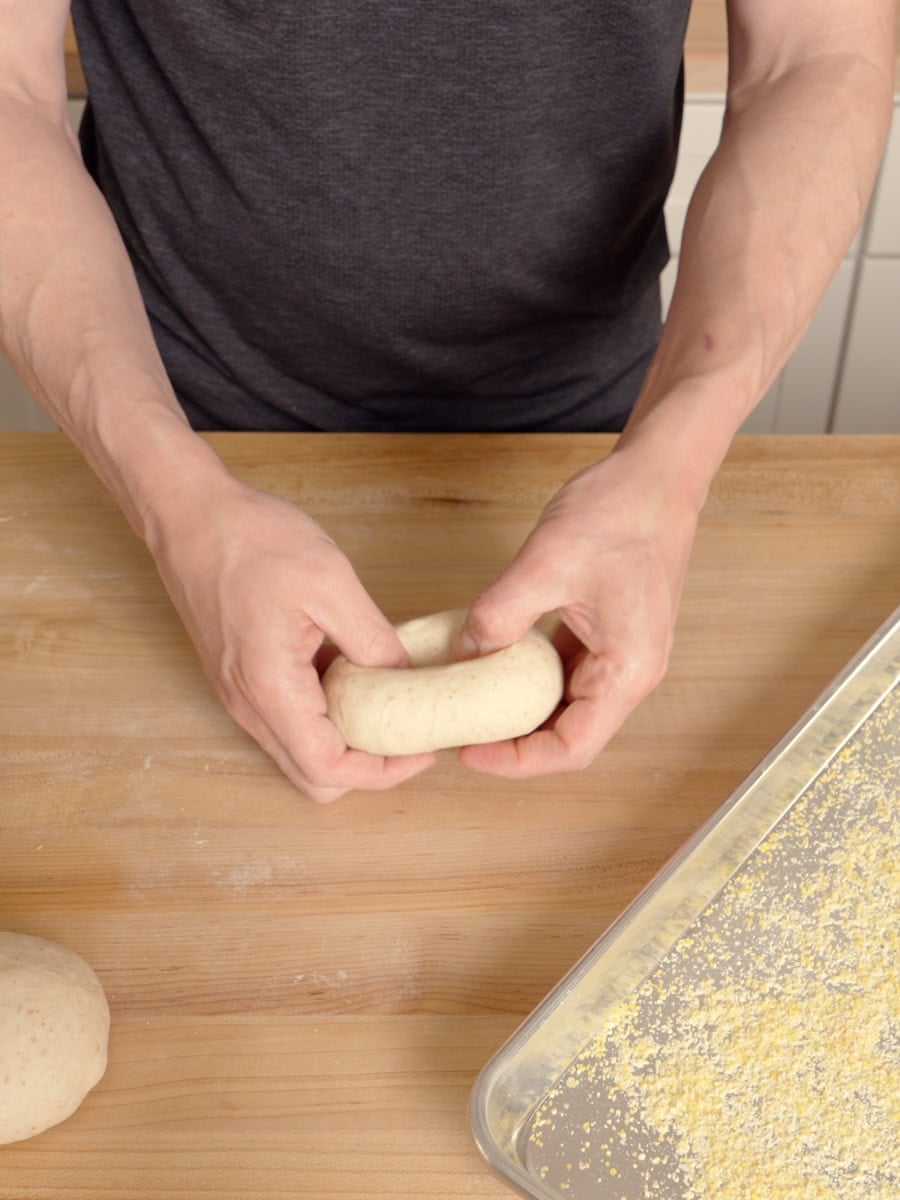
The Poke Method for Shaping: This technique involves creating a hole in the center of a dough ball and gently stretching it to form the bagel ring. This is preferred over the traditional method of rolling a rope and joining the ends, which can be prone to separation during boiling and is more challenging with higher hydration doughs. The poke method is described as simpler, more forgiving, and yielding a more uniform ring shape.
-
The Indispensable Overnight Retard: While a same-day bake is possible for those pressed for time, the overnight cold rest is highly recommended. This prolonged chilling period is crucial for developing deeper flavors and offers a more convenient baking schedule, allowing for shaping one evening and boiling and baking the following morning.
-
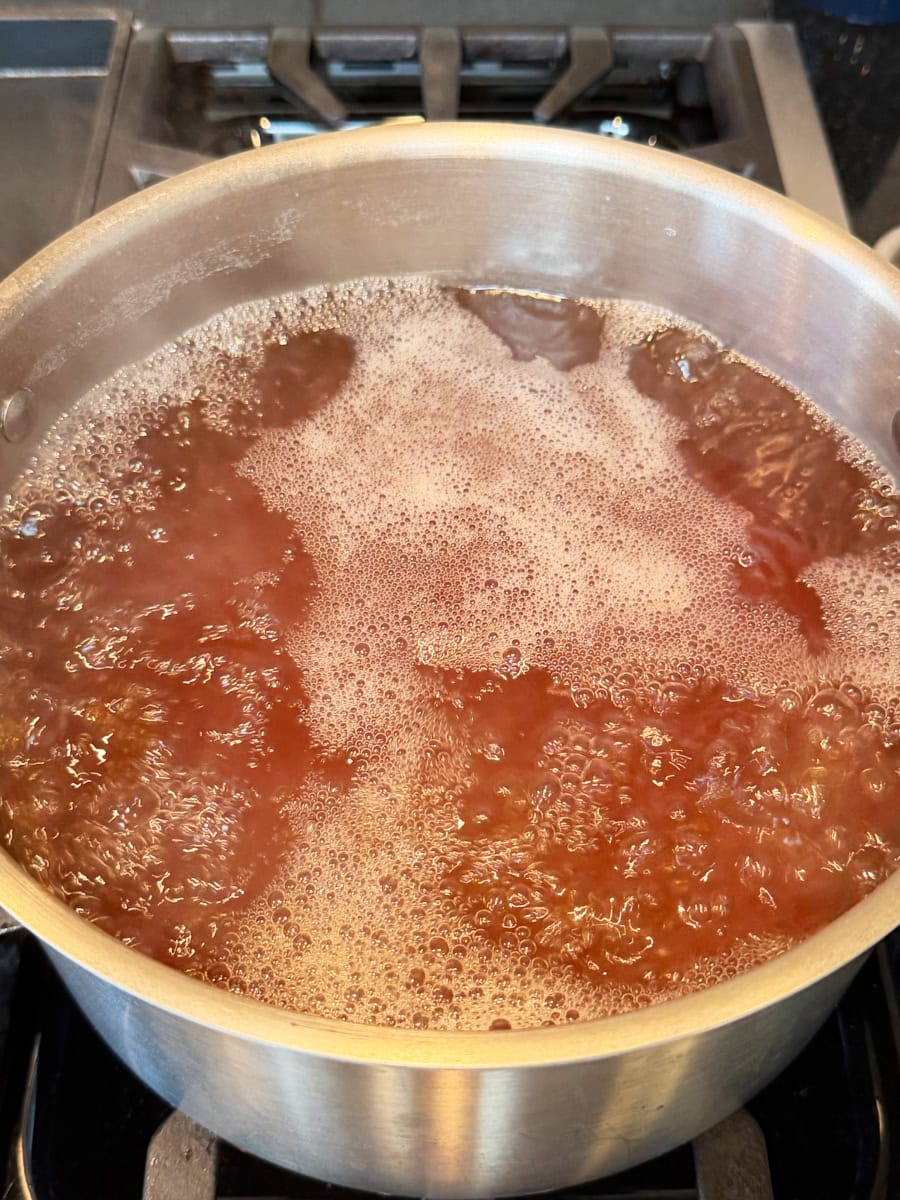
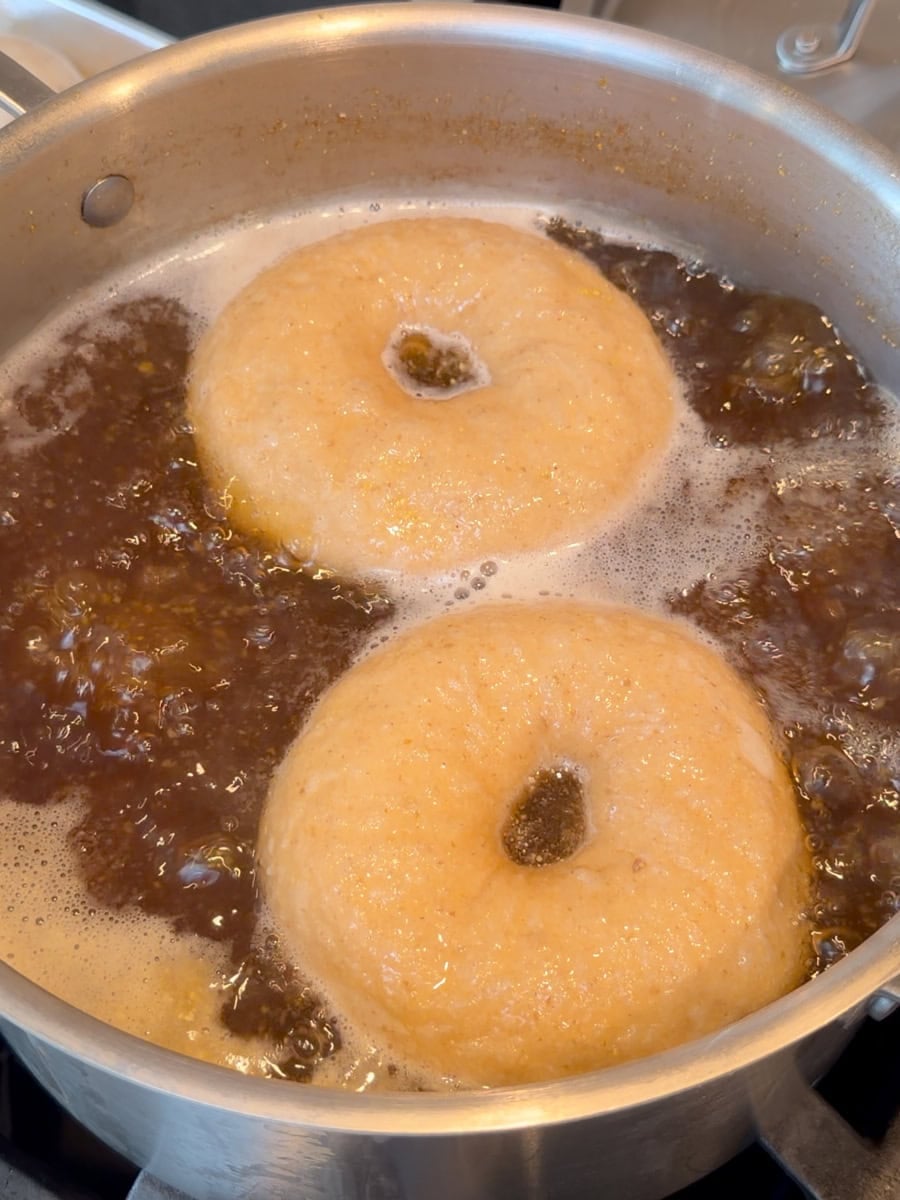
Optimizing the Boil Water: The inclusion of barley malt syrup in the boiling water is a classic technique that significantly impacts the bagel’s crust. It contributes to a rich color and adds a unique flavor dimension that is difficult to replicate. The addition of baking soda to the boil water further enhances alkalinity, aiding in crust browning. The resulting water should appear noticeably dark.
-
Precision in Boil Time and Intensity: The duration of the boil plays a critical role in the final crust texture. A shorter boil, around 20 to 30 seconds per side, results in a thinner, crispier crust. Conversely, a longer boil builds more chew and a denser skin. For this particular dough, the shorter boil is favored, ensuring a crust with a satisfying bite without becoming leathery. It is imperative that the malt syrup water is at a vigorous, rolling boil throughout the boiling process.
-
Leveraging Preheated Baking Surfaces: As with many artisanal breads and pizzas, the use of a preheated baking stone or steel is essential. This provides intense direct heat from below, promoting an explosive rise and a well-developed bottom crust. A baking steel is considered ideal, but a thick stone will also yield excellent results. A minimum preheating time of one hour is recommended.
-
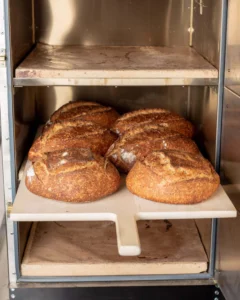
The Role of Steam in Baking: Introducing steam into the oven immediately after loading the bagels is another technique that contributes to the desired crust characteristics. Similar to its application in hearth bread baking, steam helps to encourage the formation of microblisters on the bagel’s surface, enhancing its visual appeal and textural complexity.
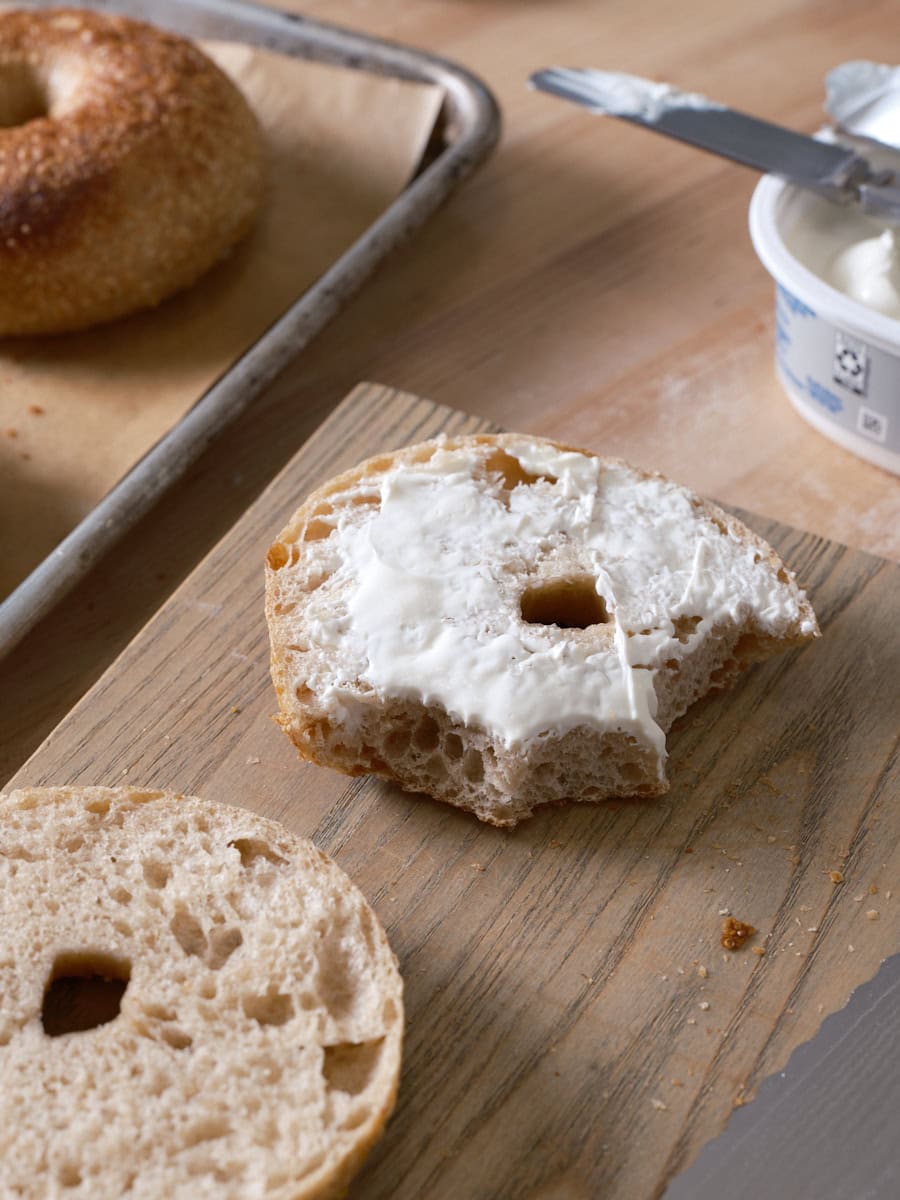
The ultimate objective behind this "new wave" sourdough bagel is to create a deliberate and exceptional product. The goal is a bagel that is light, possesses a subtle chew, a delightfully crispy exterior, a distinct malty flavor, and enough whole grain to impart character without heaviness. These are bagels intended to be savored with minimal adornment, allowing their inherent qualities to shine.
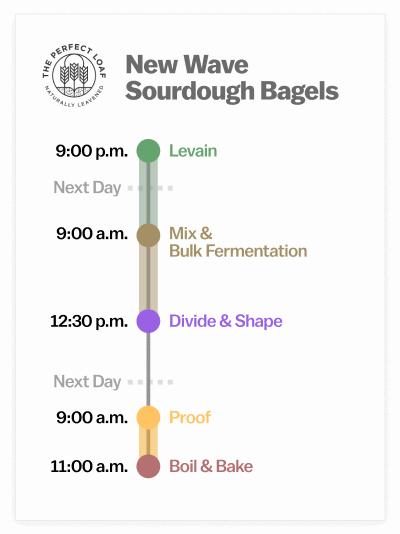
A Three-Day Journey: The Baking Schedule
The creation of these sourdough bagels is a multi-day process, offering flexibility to accommodate different schedules. The process typically unfolds over three days:
-
Day One (Evening): The sweet levain is prepared. This preferment, enriched with a small amount of sugar, is left to ferment overnight at room temperature.
-
Day Two (Morning/Afternoon): The main dough is mixed, followed by a period of bulk fermentation. Subsequently, the dough is shaped into bagels and undergoes a cold proof (retard) in the refrigerator overnight.
-
Day Three (Morning/Afternoon): The bagels are removed from refrigeration, allowed to proof at room temperature, then boiled and baked.
For those seeking a quicker preparation, the overnight cold proof can be omitted. In such cases, after shaping, the bagel dough can be proofed on the counter for approximately 2 to 3 hours until it passes the "poke test," indicating readiness for boiling and baking.
The Foundation of Flavor: Flour Selection
The choice of flour plays a pivotal role in defining the texture and flavor of these bagels. The blend is meticulously crafted to achieve a balance of chew, tenderness, and depth:
-
High-Protein White Flour (approximately 45%): Flours in the 12-14% protein range, such as King Arthur Bread Flour or Central Milling Great Northern, are essential for providing the signature chew and structural integrity characteristic of a good bagel.
-
Medium-Protein White Flour (approximately 40%): Central Milling’s Artisan Bakers Craft, a finely milled and medium-strong bread flour, forms a significant portion of the blend. If unavailable, any quality medium-protein white flour with at least 11% protein can be substituted.
-
Whole Wheat Flour (approximately 10%): This ingredient contributes a warm, nutty depth to the flavor profile.
-
Whole Rye Flour (approximately 5%): The rye flour adds a subtle earthiness, aids in fermentation activity, and contributes to crust coloration.
Together, these whole grains introduce a layer of complexity that transcends the flavor profile of an all-white flour bagel, without making the final product feel heavy or dense.
The Sweet Trio: Barley Malt Syrup, Diastatic Malt, and Sugar
The recipe employs three distinct sweeteners, each serving a specific purpose in enhancing the bagel’s characteristics:
-
Barley Malt Syrup: This ingredient is incorporated both into the final dough and used in the boiling liquid. It is the hallmark of authentic bagel flavor, providing a malty, slightly sweet, and subtly bitter profile. It also acts as a browning agent during baking.
-
Diastatic Malt Powder: This is a functional ingredient, distinct from barley malt syrup. Diastatic malt powder contains active enzymes that break down starches into sugars during fermentation and baking. This enzymatic activity promotes improved crust color, better oven spring, and a slightly more open crumb structure. A small percentage, typically around 1%, is used, as its potency is significant.
-
Superfine (Caster) Sugar: This sweetener is exclusively added to the levain, not the main dough. The "sweet levain" or "sweet starter" encourages robust yeast activity, leading to maximum rise with minimal sourness in the final product.
The "New Wave" Sourdough Bagel Recipe: A Detailed Breakdown
This recipe yields approximately twelve 130-gram bagels, with a total dough weight of 1,620 grams. The formula is designed to be scalable using baker’s percentages.
Vitals:
- Total Dough Weight: 1,620 grams
- Prefermented Flour: 10.0%
- Hydration: 68.0%
- Yield: Twelve 130-gram bagels
The target final dough temperature for this recipe is between 76-78°F (24-26°C).
Total Formula:
| Weight | Ingredient | Baker’s Percentage |
|---|---|---|
| 406g | High-protein white flour (12-14% protein) | 45.0% |
| 361g | Medium-protein white flour (Artisan Bakers Craft) | 40.0% |
| 90g | Whole wheat flour | 10.0% |
| 45g | Whole rye flour | 5.0% |
| 18g | Fine sea salt | 2.0% |
| 23g | Barley malt syrup (or honey) | 2.5% |
| 18g | Superfine (caster) sugar | 2.0% |
| 9g | Diastatic malt powder | 1.0% |
| 542g | Water 1 (levain and mix) | 60.0% |
| 72g | Water 2 (mix; bassinage) | 8.0% |
| 18g | Fine sea salt | 2.0% |
| 36g | Ripe sourdough starter (100% hydration) | 4.0% |
New Wave Sourdough Bagel Method:
1. Prepare the Levain (Day One, 9:00 p.m.):
- Ingredients:
- 90g Medium-protein white flour
- 81g Water
- 18g Superfine (caster) sugar
- 36g Ripe sourdough starter (100% hydration)
Mix all ingredients in a clean, tall jar until the sugar is dissolved and the starter is fully incorporated. Cover and let ferment at room temperature (74-76°F / 23-24°C) overnight, approximately 12 to 14 hours. The levain is ready when it has significantly risen, is bubbly on top, and smells sweet.
2. Mix (Day Two, 9:00 a.m.):
-
Final Dough Ingredients:
- 406g High-protein white flour (12-14% protein)
- 271g Central Milling Artisan Bakers Craft (or bread flour)
- 90g Whole wheat flour
- 45g Whole rye flour
- 23g Barley malt syrup (or honey)
- 9g Diastatic malt powder
- 460g Water 1
- 72g Water 2
- 18g Fine sea salt
- 226g Ripe levain (from above)
Using a mechanical mixer: Combine flour, levain, barley malt syrup, diastatic malt powder, salt, and Water 1 in the mixer bowl. Mix on low speed for 1-2 minutes until a shaggy mass forms. Increase speed to medium (120-130 RPMs) and mix for 5 minutes. Rest for 5 minutes. Gradually add Water 2 over 5 minutes, continuing to mix until the dough is smooth, strong, and pulls cleanly from the bowl. It should feel firm yet slightly tacky.
By hand: Combine dry ingredients and flour in a large bowl. Add levain, barley malt syrup, diastatic malt powder, and Water 1. Mix thoroughly with wet hands or a dough whisk. Knead using the slap-and-fold technique for 5-6 minutes. Rest for 5 minutes. Gradually add Water 2 and continue kneading for another 4-5 minutes until smooth and cohesive. The dough may require pasta-like kneading. Transfer to a bulk fermentation container and cover.
Aim for a final dough temperature of 76-78°F (24-26°C).
3. Bulk Fermentation (Day Two, 9:30 a.m. to 12:30 p.m. – 3 hours):
At a warm room temperature (74-76°F / 23-24°C), bulk fermentation should take approximately 3 hours. Due to the heavy mixing and stiff nature of the dough, no stretches or folds are required during this period.
4. Divide and Shape (Day Two, 12:30 p.m.):
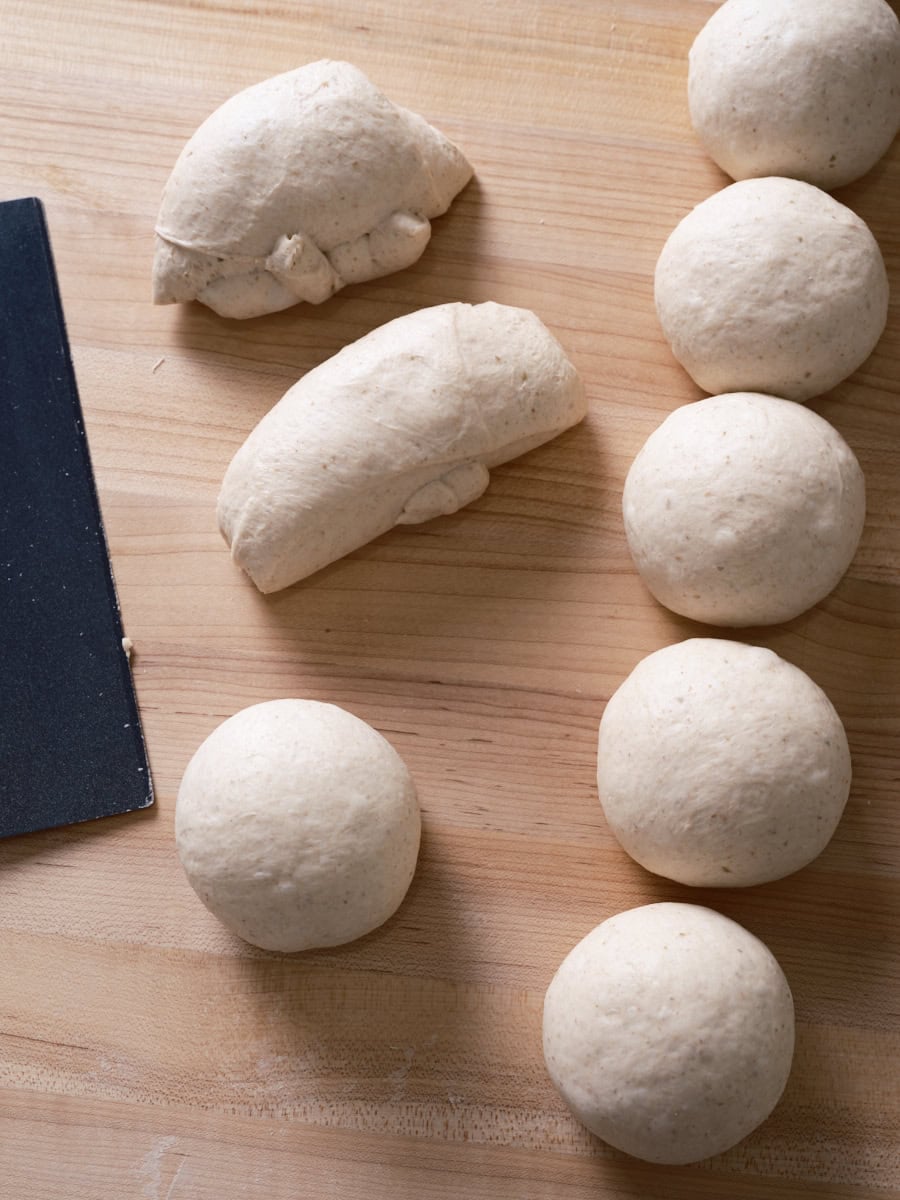
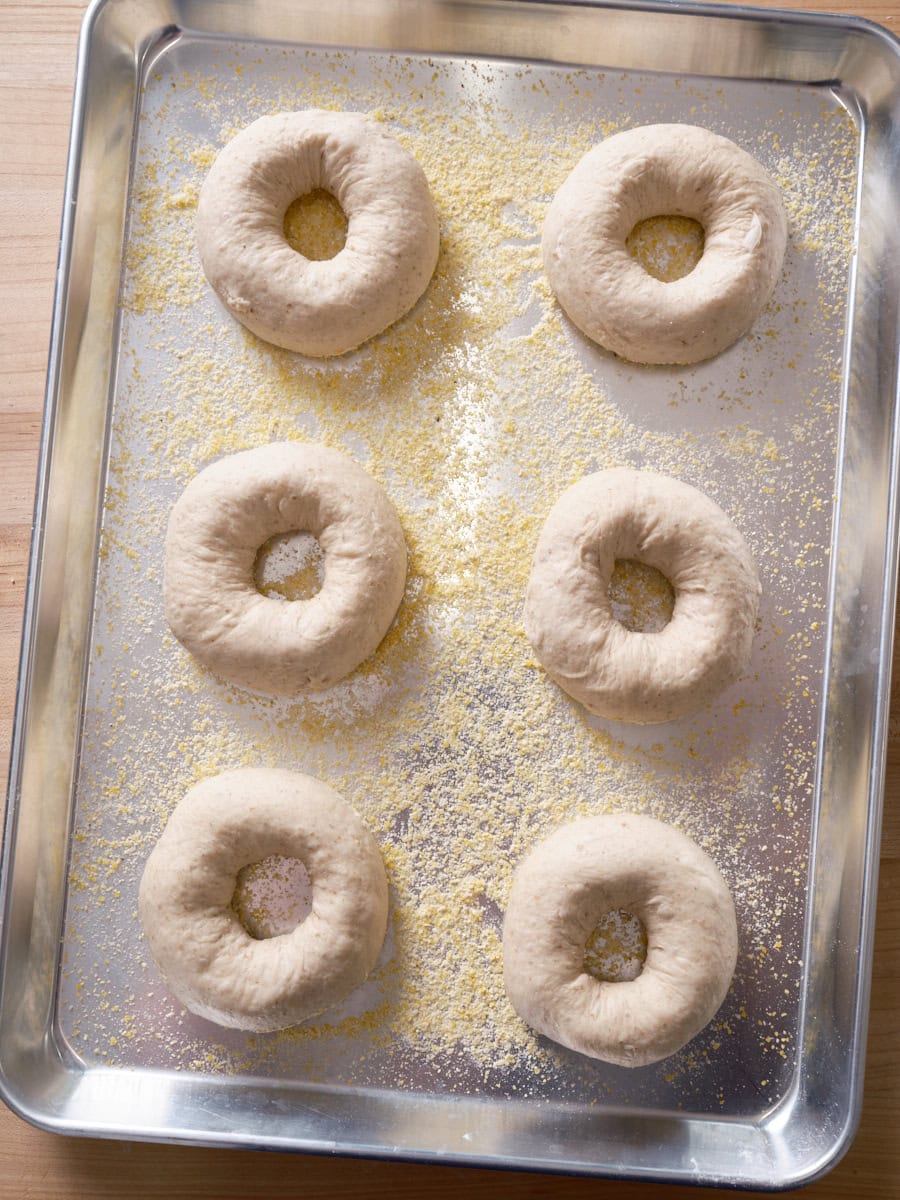
Lightly dust two 13×18-inch half sheet pans with medium cornmeal (or white flour if cornmeal is unavailable). Gently turn the dough onto a lightly floured surface and divide it into twelve 130-gram portions.
-
Ball the dough: For each portion, fold the sides into the center, then roll it into a tight ball with a smooth top surface. Pinch the seam closed.
-
Poke and form the ring: Flatten each ball slightly. Press your index finger through the center to create a hole. Gently stretch the dough around your fingers to form a ring with a hole approximately 2 to 2.5 inches in diameter. The hole will shrink during proofing and baking.
Place each shaped bagel onto the prepared sheet pans, leaving adequate space between them (six bagels per pan).
5. Overnight Retard (Day Two, 1:00 p.m. to Day Three, 9:00 a.m.):
Cover the sheet pans with lids and refrigerate overnight. This step is flexible, and the bagels can be baked the following morning, afternoon, or even later.
6. Proof (Day Three, 9:00 a.m.):
Remove the dough trays from the refrigerator and let them proof at warm room temperature for approximately two hours.
Concurrently, place a baking steel on the middle oven rack and preheat the oven to 500°F (260°C) using convection (or 525°F / 270°C if convection is unavailable). Allow at least one hour for the oven and steel to preheat thoroughly.
7. Boil (Day Three, 11:00 a.m.):
-
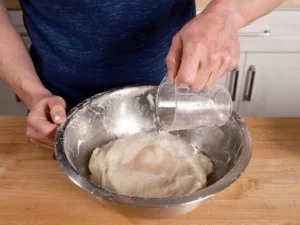
Prepare the boil station: In a large, wide pot, bring 1 gallon of water to a rolling boil. Add 1 teaspoon of baking soda. Once boiling, stir in 5 tablespoons of barley malt syrup until dissolved. The water must maintain a vigorous boil.
-
Prepare for toppings: Have a wire rack set over a sheet pan or a clean kitchen towel ready for the boiled bagels. Prepare your desired toppings (sesame seeds, poppy seeds, everything seasoning, flaky salt) in shallow bowls.
-
Boiling process: Working in batches of 2 to 3 bagels at a time (to avoid overcrowding), gently lower the bagels into the boiling malt water, smooth side down first. They should float. Boil for 20 to 25 seconds per side, then flip and boil for an additional 20 to 25 seconds.
-
Transfer and top: Using a slotted spatula, lift each bagel from the water, allowing excess water to drip off. Place on the wire rack. If using toppings, dip the wet surface of the bagel into the chosen topping immediately while it is still tacky. Place the topped bagels topping-side up on a parchment-lined sheet pan or directly onto your baking peel.
8. Bake (Day Three, 11:15 a.m.):
Transfer one sheet pan with 6 bagels to the preheated baking steel. Bake for 10 minutes. Rotate the pan and reduce the oven temperature to 450°F (230°C) for an additional 5 minutes. The bagels are done when they have achieved a deep golden brown color.
Remove the bagels from the oven and transfer them to a wire rack to cool for at least 15 to 20 minutes before slicing. This resting period allows the crumb to set properly.
Storage:
The bagels will remain fresh on the counter in a sealed bag for up to a week. For longer storage, they can be frozen after cooling and reheated in a low oven after thawing.
Sourdough Bagel FAQs:
-
How can I make my sourdough bagels less sour? The use of a sweet levain in this recipe helps to mitigate sourness. Additionally, ensuring the sourdough starter is not overly ripe when making the levain and potentially omitting the whole rye flour can further reduce sourness.
-
How can I achieve an open crumb? Increasing the dough hydration by 3-4% (or more, depending on flour absorption) can contribute to a more open crumb. However, higher hydration will increase the difficulty of handling the dough during boiling.
-
Why are my bagels flat? Common causes include over-fermentation during bulk or cold proofing, insufficient shaping tension, or a boil water that is not at a vigorous rolling boil. A weak boil can cause the bagels to spread and flatten.
-
Can I bake these the same day without the overnight retard? Yes, after shaping, proof the bagels at room temperature for 2 to 3 hours until they pass the poke test. Same-day bagels will have a less complex flavor but remain delicious.
-
How long should I boil bagels? A 20-25 second boil per side yields a thinner crust, while a 30-60 second boil builds a thicker, chewier skin. Experiment to find your preferred texture.
-
Do I need diastatic malt powder? While not strictly essential for a good bagel, diastatic malt powder significantly enhances oven spring, crust color, and crumb texture. It is a valuable ingredient for regular bakers.
-
What toppings work best? Classic toppings like sesame seeds, poppy seeds, everything seasoning, or coarse salt are excellent choices. Apply them immediately after boiling while the bagel surface is still wet and tacky.
The development of these "new wave" sourdough bagels represents a significant advancement in home baking, offering a sophisticated and texturally diverse alternative to traditional bagels. Their light texture, crispy blistered crust, and complex flavor profile make them a testament to the power of meticulous technique and thoughtful ingredient selection in the pursuit of artisanal perfection.