
The American Homebrewers Association (AHA) has officially released the May/June 2026 edition of Zymurgy, its flagship publication dedicated to the art and science of home fermentation. This latest installment serves as a comprehensive global survey of the hobby, bridging the gap between traditional European brewing techniques and cutting-edge biotechnological applications. Featuring a diverse array of content—from the formalization of the Ukrainian Golden Ale style to the revolutionary use of brewer’s yeast in medical vaccine production—the issue underscores the evolving nature of homebrewing as both a cultural cornerstone and a field of scientific inquiry.
The Formalization of Ukrainian Golden Ale
The cover story for the May/June 2026 issue, authored by noted beer writer and international judge Lana Svitankova, focuses on the emergence of Ukrainian Golden Ale. While the style has been brewed in Ukraine for nearly two decades, it has recently gained significant traction within the international judging community. Svitankova provides a detailed analysis of the style’s unique profile, which occupies a specific niche between the lighter British Golden Ale and the more potent Belgian Golden Strong Ale.

According to technical specifications highlighted in the article, Ukrainian Golden Ale typically features a slightly higher alcohol by volume (ABV) than its British counterparts, often ranging from 6.1% to 7.5%. It is characterized by a prominent malt sweetness, often derived from the use of local base malts, and a distinct fruity ester profile that remains more restrained than the spicy phenols found in Belgian styles. The push to have Ukrainian Golden Ale recognized as an official category by the Beer Judge Certification Program (BJCP) represents a significant milestone for the Eastern European brewing community, reflecting a broader movement to document and preserve regional brewing identities.
Scientific Crossover: The Development of Vaccine Beer
In one of the most significant departures from traditional brewing coverage, Zymurgy introduces readers to the work of Chris Buck, an American virologist and dedicated homebrewer. Buck has successfully demonstrated a method for utilizing Saccharomyces cerevisiae—the common yeast used in ale production—to synthesize proteins for vaccines targeting polyomaviruses. These viruses are known to cause various complications in immunocompromised individuals, including certain types of skin cancer and kidney disease.
The article details how the machinery of the yeast cell, usually harnessed to convert sugars into ethanol and carbon dioxide, can be genetically directed to assemble "virus-like particles" (VLPs). These particles mimic the structure of a virus to trigger an immune response without containing any actual infectious genetic material. Buck’s research highlights a unique synergy between the hobby of homebrewing and high-level molecular biology, suggesting that the infrastructure and knowledge base of the fermentation community could have far-reaching implications for public health and low-cost vaccine manufacturing in the future.

European Regionalism: Tuscany and the Italian Craft Movement
The May/June issue also travels to Southern Europe, highlighting the innovative spirit of the Homebrewers Fiorentini, a club based in the heart of Tuscany. The feature explores how these brewers are integrating the region’s world-renowned viticultural heritage into their beer recipes. By utilizing local ingredients such as grape must, honey, and oak staves previously used in wine maturation, Tuscan homebrewers are creating a "terroir-driven" beer culture.
This movement aligns with the broader "Italian Grape Ale" (IGA) style, which was the first uniquely Italian style to be recognized in international style guidelines. The article provides insight into how the club members navigate the balance between the acidity of wine grapes and the malt backbone of traditional ales. This regional focus serves as a case study in how homebrewers can act as stewards of local agriculture, repurposing the byproducts of other industries to create complex, hybrid beverages.
Technical Mastery: German Dunkel and the Italian Saison
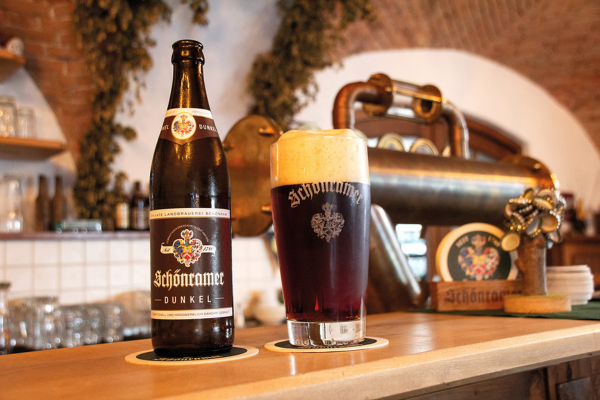
For readers focused on technical execution, the issue provides deep dives into two classic European styles. The first is the German Dunkel, a dark lager that originated in Munich. The article emphasizes the importance of balancing rich, toasted malt notes—derived from Munich malts and often through the process of decoction mashing—with a clean, crisp finish that ensures drinkability. The technical challenge of the Dunkel lies in achieving deep melanoidin complexity without the astringency or burnt flavors often associated with darker grains.

Complementing this is a feature by Carlo Sesia, a National Homebrew Competition gold medalist based in Northern Italy. Sesia provides a masterclass on the Saison, a Belgian farmhouse ale known for its high carbonation, fruity esters, and peppery phenols. Sesia’s approach emphasizes fermentation temperature control and the selection of specific yeast strains to achieve the "dry" finish that defines the style. His success in international competitions as an Italian brewer focusing on Belgian styles illustrates the borderless nature of modern homebrewing excellence.
Supporting Data and the State of the Hobby
The release of the May/June 2026 issue comes at a time when the American Homebrewers Association continues to monitor shifts in the hobby’s demographics and practices. According to data from the Brewers Association, the parent organization of the AHA, there are approximately 1.1 million homebrewers in the United States. While the "hobby boom" of the early 2010s has stabilized, the AHA reports an increasing interest in technical proficiency and specialized styles among its 37,000+ members.
The inclusion of 14 vetted recipes in this issue reflects a demand for "validated" brewing data. In an era where AI-generated recipes and unverified online forums are prevalent, the AHA positions Zymurgy as a source of peer-reviewed, tested information. The recipes in this issue range from entry-level extract batches to complex, multi-stage all-grain brews, catering to a wide spectrum of experience levels.
Chronology of Zymurgy and the AHA
To understand the context of this latest issue, one must look at the history of the American Homebrewers Association. Founded in 1978 by Charlie Papazian in Boulder, Colorado, the AHA was established shortly after President Jimmy Carter signed H.R. 1337, which legalized homebrewing at the federal level. Zymurgy was launched that same year as a simple newsletter intended to connect a small, disparate group of enthusiasts.
Over the past nearly five decades, the magazine has evolved into a sophisticated technical journal.
- 1978–1980s: Focused on the basics of sanitation and sourcing ingredients in a market that lacked dedicated homebrew shops.
- 1990s–2000s: Shifted toward style accuracy and the "clone brew" craze, where homebrewers sought to replicate commercial craft beers.
- 2010s–Present: Entered the "experimental era," focusing on souring bacteria, hazy IPAs, and the intersection of brewing with other culinary and scientific fields.
The May/June 2026 issue represents the "globalization era," where the focus has moved beyond the United States to include contributors and styles from every continent.

Official Responses and Editorial Vision
Dave Carpenter, the Editor-in-Chief of Zymurgy, continues to steer the publication toward a balance of accessibility and technical rigor. Carpenter, who began his brewing journey in 2009, has emphasized that the goal of the magazine is to foster a sense of community while pushing the boundaries of what is possible in a home kitchen or garage.
"The May/June issue is a testament to the fact that homebrewing is no longer just a weekend hobby; it is a global language," a spokesperson for the AHA stated in a release regarding the new issue. "Whether it is a brewer in Ukraine fighting for style recognition or a scientist in a lab using yeast to save lives, the act of fermentation remains a powerful tool for innovation."
Broader Impact and Implications
The content of this issue suggests several long-term trends for the brewing industry at large. First, the recognition of regional styles like Ukrainian Golden Ale indicates that the "craft beer revolution" is far from over in emerging markets. As these styles gain formal recognition, they often transition from homebrew kitchens to commercial production, eventually appearing on international export markets.
Second, the "Vaccine Beer" feature points toward a future where home-scale fermentation equipment could be used for decentralized biomanufacturing. While still in the experimental phase, the ability to produce therapeutic proteins using standard brewing setups could revolutionize how rural or underserved communities access certain medical treatments.
Finally, the continued emphasis on membership-only content and digital previews reflects the changing landscape of hobbyist media. By offering a "Free Zymurgy Online Preview" while reserving deep-dive technical articles for members, the AHA is navigating the challenges of the digital age, ensuring that the high cost of scientific and technical journalism is supported by a dedicated community.
As the homebrewing community looks toward the second half of 2026, the May/June issue of Zymurgy stands as a reminder that the simple act of fermenting sugar and water remains one of humanity’s most versatile and enduring pursuits. From the hills of Tuscany to the laboratories of American universities, the story of beer continues to be written by those who brew it at home.