
The culinary landscape of 2024 continues to be defined by a significant shift toward plant-based nutrition that prioritizes both metabolic health and temporal efficiency. The Vegan Sweet Potato Chickpea Taco Salad represents a sophisticated intersection of these trends, offering a nutrient-dense alternative to traditional meat-based salads while adhering to a strict 30-minute preparation window. This dish, characterized by its use of roasted legumes, root vegetables, and a cashew-based emulsified dressing, serves as a case study in modern "fast-casual" home cooking—a movement that seeks to replicate the flavor profiles of high-end health food establishments within the constraints of a domestic kitchen.
An Evolution of the Plant-Based Power Bowl
The concept of the "taco salad" has undergone several iterations since its mid-20th-century inception. Originally characterized by ground beef, iceberg lettuce, and processed cheese served in a deep-fried flour tortilla shell, the dish has evolved to meet contemporary dietary standards. The Vegan Sweet Potato Chickpea Taco Salad removes the heavy saturated fats and refined carbohydrates of its predecessor, replacing them with complex carbohydrates and fiber-rich greens.

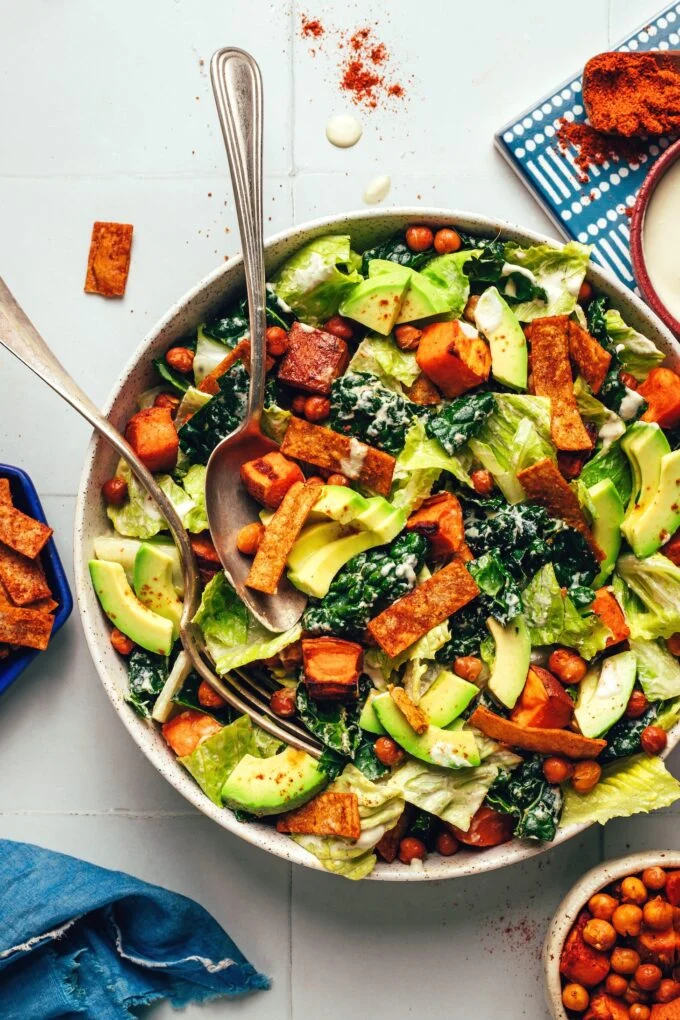
The foundation of the dish utilizes a dual-green approach, combining the structural integrity of romaine lettuce with the micronutrient density of kale. This hybrid base addresses a common critique of plant-based salads: satiety and texture. While romaine provides the "crunch" associated with traditional taco salads, the kale offers a robust profile that stands up to the heavy, creamy dressings often preferred in Southwestern-inspired cuisine.
Nutritional Architecture and Ingredient Profile
The nutritional profile of this salad is strategically designed to provide a balanced macro-distribution. According to analyzed data, a single serving contains approximately 442 calories, with a significant fiber content of 11.9 grams. This fiber-to-calorie ratio is critical for maintaining blood glucose stability and promoting gut microbiome diversity.
- Roasted Chickpeas (Cicer arietinum): Serving as the primary protein source (12.6g per serving), chickpeas are roasted with a blend of chili powder and smoked paprika. This preparation method utilizes the Maillard reaction to enhance the savory (umami) depth of the legumes, providing a textural contrast to the fresh greens.
- Sweet Potatoes (Ipomoea batatas): These provide the bulk of the 58.7 grams of carbohydrates. Rich in beta-carotene (Vitamin A), sweet potatoes offer a low-glycemic index alternative to white rice or corn-based fillers.
- The Jalapeño Cashew Dressing: A departure from oil-and-vinegar vinaigrettes, this dressing utilizes the healthy monounsaturated fats found in cashews. By blending nutritional yeast and miso paste into the base, the recipe achieves a "cheesy" and savory profile without the use of dairy, appealing to both vegans and those with lactose sensitivities.
The Logistics of the 30-Minute Culinary Workflow
In a fast-paced economic environment, the time required for meal preparation is a primary barrier to healthy eating. The development of this recipe focuses on "multitasking logistics," a method where high-heat roasting occurs simultaneously with raw ingredient processing.

Chronology of Preparation:
- Minutes 0-5: Preheating the oven and cubing the sweet potatoes. The efficiency of the dish relies on the uniformity of the vegetable dice; smaller cubes ensure a faster roasting time.
- Minutes 5-25: The roasting phase. Chickpeas and sweet potatoes are subjected to high heat (typically 400°F/204°C). During this window, the secondary components—the greens and the dressing—are prepared.
- Minutes 15-20: The emulsification phase. Utilizing a high-speed blender, the cashew dressing is created. This step is a hallmark of modern vegan cooking, where nuts are used as a mechanical substitute for heavy cream.
- Minutes 25-30: Assembly. The roasted components are combined with the chilled greens, preventing the leaves from wilting excessively while allowing the residual heat of the potatoes to slightly soften the kale.
Comparative Nutritional Data and Health Implications
When compared to standard fast-food taco salads, which can exceed 800 calories and 1,500mg of sodium, the Vegan Sweet Potato Chickpea Taco Salad offers a streamlined profile. The sodium content is moderated at 967mg, while the potassium levels remain high at 902mg. This balance is vital for cardiovascular health, specifically in the regulation of blood pressure.
The inclusion of 4020 IU of Vitamin A and 24mg of Vitamin C per serving places this dish in the top tier of anti-inflammatory meals. Public health researchers have long advocated for the "color of the plate" as a metric for health; the deep orange of the potatoes and the dark green of the kale signify high concentrations of phytonutrients that combat oxidative stress.

Market Trends: The Convergence of Health and Convenience
The rise of recipes like the Sweet Potato Chickpea Taco Salad reflects broader shifts in the global food market. The vegan food market is projected to reach a valuation of nearly $40 billion by 2030, driven not just by dedicated vegans, but by "flexitarians"—consumers looking to reduce meat intake for environmental or health reasons.
Culinary analysts suggest that the popularity of this specific flavor profile—smoky, creamy, and spicy—is a response to the "blandness" often associated with early plant-based diets. By incorporating smoked paprika and jalapeños, the dish satisfies the sensory requirements of a consumer base accustomed to bold, global flavors.
Environmental and Economic Considerations of Legume-Based Proteins
Beyond individual health, the reliance on chickpeas and sweet potatoes has significant environmental implications. Legumes are nitrogen-fixing crops, meaning they improve soil health rather than depleting it, and they require substantially less water than bovine or avian protein sources.

From an economic perspective, the ingredients—kale, romaine, canned or dried chickpeas, and sweet potatoes—are shelf-stable and relatively low-cost. This makes the dish accessible across various socioeconomic strata, challenging the notion that plant-based eating is an exclusively "luxury" lifestyle choice. The use of cashews for the dressing represents the only high-cost ingredient, though its caloric density means a small amount goes a long way in providing satiety.
Strategic Customization and High-Protein Adaptations
While the base recipe is entirely plant-based, it is designed with a "modular" philosophy. For individuals with higher protein requirements, such as athletes or those following specific metabolic protocols, the dish is frequently paired with supplementary proteins.
- Plant-Based Upgrades: The addition of smoky shredded tofu or tempeh "bacon" can increase the protein count by an additional 10-15 grams without altering the flavor profile.
- Non-Vegan Variations: In households with mixed dietary preferences, the salad serves as a "base" to which shredded chicken or baked fish can be added. This versatility is a key factor in the recipe’s success within the digital recipe ecosystem.
Broader Impact and Implications for Public Health
The proliferation of high-quality, 30-minute vegan recipes is a critical component in the fight against diet-related chronic diseases. As obesity and Type 2 diabetes rates continue to climb globally, the ability of the average consumer to prepare a fiber-rich, nutrient-dense meal in the time it takes to order and receive delivery is a powerful tool for behavioral change.

The Vegan Sweet Potato Chickpea Taco Salad is more than a meal; it is a representation of the modern culinary ethos. It proves that dietary restrictions do not necessitate a sacrifice in flavor or a massive investment of time. By leveraging the natural properties of whole foods—the creaminess of nuts, the starchiness of tubers, and the crunch of legumes—this dish provides a roadmap for the future of sustainable, health-conscious home cooking.
In conclusion, the success of this recipe lies in its balance. It manages to be both fresh and comforting, smoky and sweet, efficient and elaborate. As consumers continue to navigate the complexities of modern nutrition, the demand for such "all-in-one" meals is expected to grow, further cementing the role of plant-based salads as a staple of the international diet.