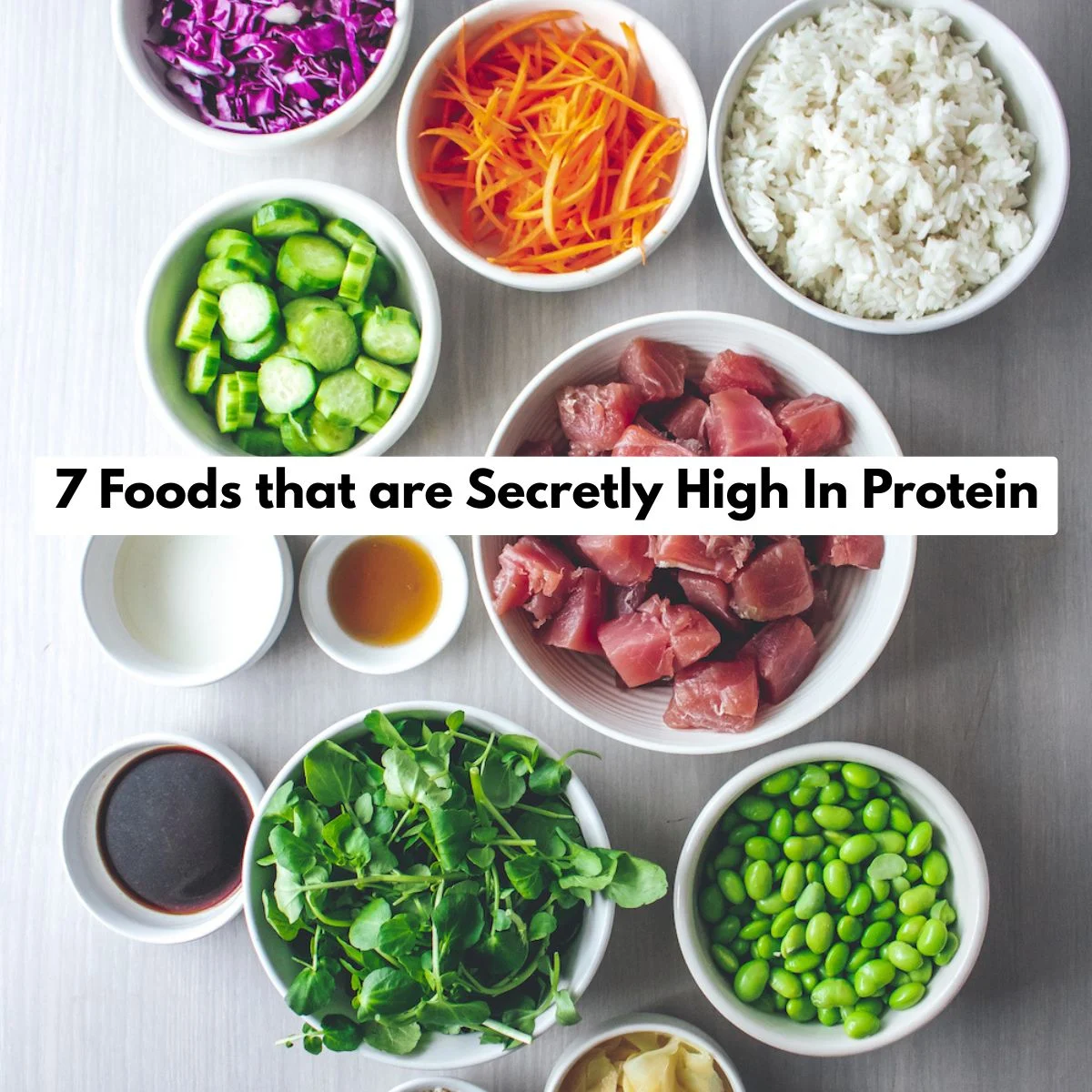

The pursuit of a balanced diet, particularly one rich in protein, often leads individuals to the familiar staples: chicken breast, eggs, fish, and legumes. While these are undoubtedly excellent sources, a comprehensive nutritional strategy can benefit from diversifying protein intake with less conventional options. This approach not only enhances meal variety but also supports sustainable meal preparation and overall dietary goals. Recent analyses of nutritional trends highlight a growing interest in integrating a wider array of foods into protein-rich meal plans, moving beyond the typical protein powerhouses.
Expanding Protein Horizons: Beyond the Usual Suspects
For many, the concept of increasing protein consumption conjures images of meticulously portioned chicken breasts or daily egg consumption. However, nutritional experts emphasize that a varied diet is key to optimal health and sustainable eating habits. This is where incorporating "surprising" yet protein-rich foods can significantly augment one’s diet, making balanced eating more accessible and less monotonous. These less-common protein contributors can seamlessly integrate into existing meal routines, acting as versatile additions to breakfasts, lunches, snacks, and even smoothies.
The advantage of such an approach lies in its practicality. By identifying foods that offer a substantial protein contribution without being the conventional choices, individuals can build more robust and satisfying meals. Some of these foods, while not solely high-protein sources, contribute significantly to a meal’s satiety and nutritional profile when paired with other ingredients. This flexibility is crucial for maintaining dietary consistency and achieving long-term health objectives.
The Toolkit Approach to Meal Preparation
Viewing these protein-rich foods as components of a "meal prep toolkit" offers a strategic advantage. Instead of requiring a complete overhaul of one’s eating habits, this method focuses on intelligent additions and pairings that enhance existing meals. The goal is to create a balanced plate that incorporates protein, healthy fats, fiber, and essential micronutrients, fostering a sense of fullness and sustained energy.
The process can begin by identifying the most potent protein sources within this expanded list. These form the foundation of a protein-boosted meal. For instance, ingredients like pistachios, goat cheese, and green peas offer a notable protein punch per serving, making them valuable additions to any meal.
Once these primary protein contributors are identified, the next step involves strategically pairing them with familiar foods already enjoyed. This synergistic approach ensures that meals are not only nutritious but also appealing and practical to prepare. For example, adding a handful of pistachios to a salad or incorporating goat cheese into a wrap can elevate both the flavor and the protein content with minimal extra effort.
Smoothies also present a powerful opportunity to supplement protein intake, particularly on busy days. While not every smoothie needs to be a protein-dense meal replacement, understanding how to balance its components can transform a simple drink into a more substantial and satisfying option. A well-constructed smoothie typically includes a liquid base, fruits and vegetables for nutrients and fiber, healthy fats for satiety, and a dedicated protein source.
7 Foods Offering a Surprising Protein Boost
1. Pistachios: The Snackable Protein Powerhouse
Pistachios stand out as a remarkably versatile snack and meal-prep ingredient. Their convenience in portioning and adaptability in various dishes make them a top choice. A one-ounce serving of pistachios typically provides around 6 grams of plant-based protein, complemented by valuable fiber and healthy fats. This nutritional profile makes them an excellent choice for sustained energy.
Their utility extends across multiple meal occasions:
- Snack Prep: Portioning pistachios into small containers or bags ensures a ready-to-grab, protein-rich snack.
- Salad Topping: They add a delightful crunch and a protein boost to green salads.
- Yogurt or Oatmeal Add-in: Stirring them into breakfast bowls enhances both texture and nutritional value.
- Savory Dishes: Chopped pistachios can be incorporated into grain bowls or used as a crust for baked proteins.
2. Avocado: A Supporting Player in Protein-Rich Meals
While primarily celebrated for its healthy monounsaturated fats, avocado also contributes a modest amount of protein. Although not a primary protein source on its own, its role in enhancing meal satisfaction and providing essential nutrients is invaluable. Avocado’s creamy texture and ability to promote satiety make it an excellent companion to protein-focused dishes.
Avocado integrates well into:
- Smoothies: Adding half an avocado can create a luxuriously smooth texture and increase healthy fat content.
- Toast and Sandwiches: It provides a creamy base and added staying power.
- Salads and Bowls: Sliced or diced avocado enhances the richness and nutritional density of these meals.
- Dips and Spreads: Blended with other ingredients, it forms satisfying and nutrient-dense spreads.
3. Walnuts: Heart-Healthy Protein with a Nutty Crunch
Walnuts offer approximately 4 grams of protein per ounce, alongside a significant dose of omega-3 fatty acids, which are renowned for their cardiovascular benefits. Similar to avocado, walnuts are best viewed as a beneficial addition rather than the sole protein component of a meal. Their contribution to flavor and texture, however, makes them a smart choice for enhancing meal satisfaction.
Practical applications for walnuts include:
- Salad Enhancements: Their slightly bitter, earthy flavor complements a variety of salad ingredients.
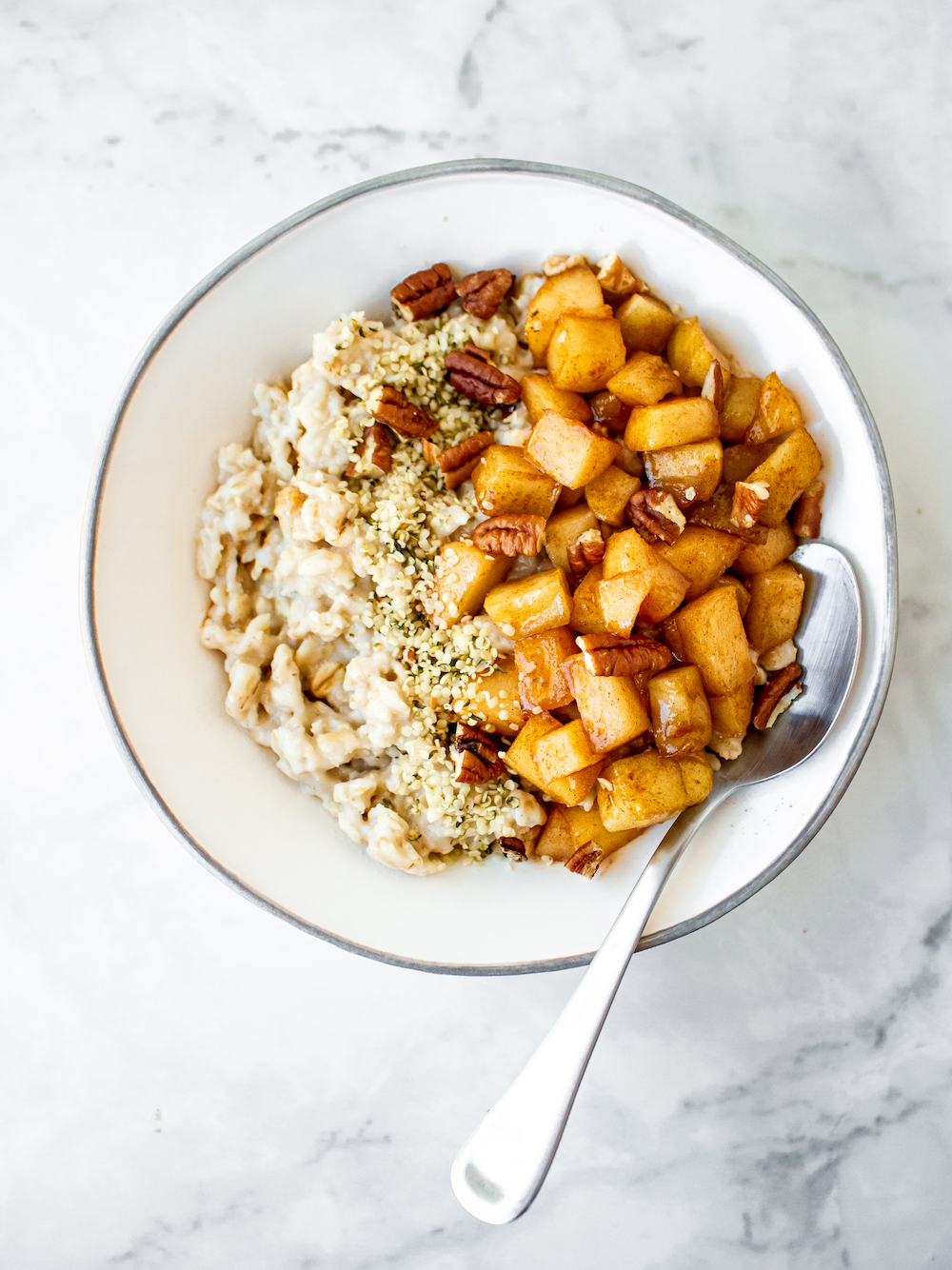
- Oatmeal and Yogurt Toppings: They add a welcome crunch and protein boost to breakfast.
- Baked Goods: Incorporating them into muffins or breads adds both protein and texture.
- Trail Mixes: They are a key component in balanced and energy-dense trail mixes.
4. Spinach: The Nutrient-Dense Leafy Green with Protein Potential
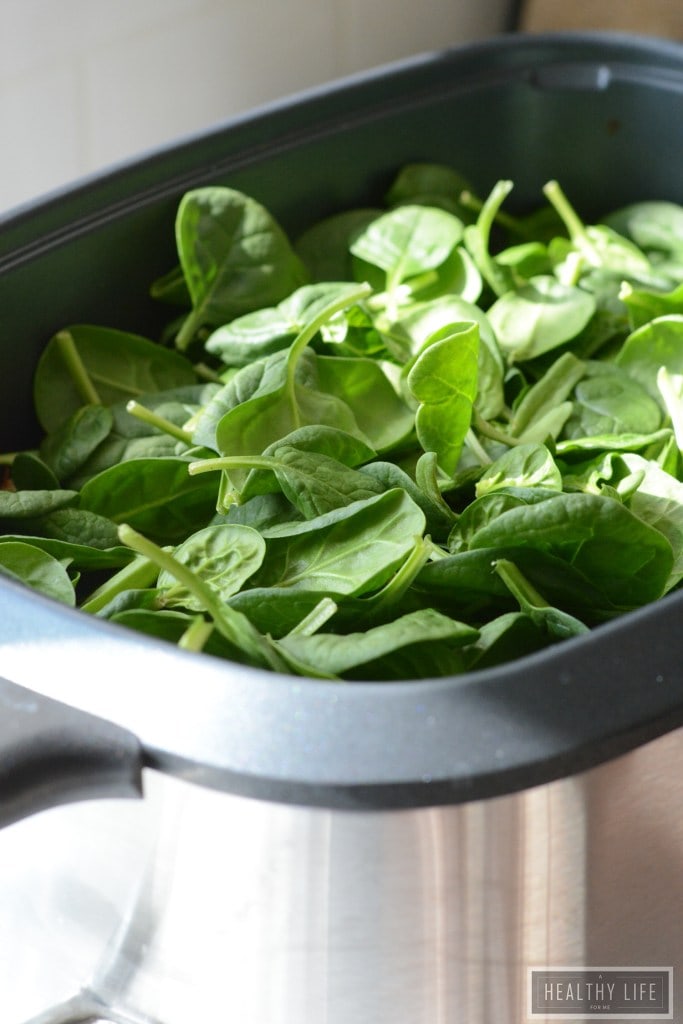
Spinach is a nutritional powerhouse, offering a spectrum of vitamins and minerals. While its protein content is moderate, it becomes more significant when cooked. Its versatility allows it to be incorporated into a vast array of dishes, making it an easy way to boost the overall nutritional profile of meals.
Spinach is a meal prep favorite due to its adaptability:
- Smoothies: A handful of fresh spinach can be blended in without significantly altering the taste, adding nutrients and a small protein boost.
- Omelets and Scrambled Eggs: It wilts down easily, integrating seamlessly into breakfast preparations.
- Sautéed Side Dishes: Simply sautéed with garlic, it makes a quick and healthy accompaniment to any meal.
- Soups and Stews: Adding spinach towards the end of cooking enriches these dishes with nutrients and a touch of protein.
5. Goat Cheese: Tangy Flavor and Protein in Every Bite
Goat cheese introduces a distinctive tang and creamy texture to dishes, while also contributing approximately 6 grams of protein per ounce. It serves as an excellent flavor enhancer, often negating the need for heavy sauces and contributing to a lighter, more balanced meal.
Goat cheese is a versatile addition to:
- Salads: Its crumbly texture and sharp flavor pair well with leafy greens and fruits.
- Wraps and Sandwiches: It adds a creamy, savory element that complements various fillings.
- Roasted Vegetables: A sprinkle of goat cheese over roasted vegetables can transform a simple side dish.
- Pasta Dishes: It can be stirred into warm pasta for a creamy sauce base.
6. Oatmeal: A Versatile Foundation for Protein-Rich Breakfasts
Oatmeal, often lauded for its high fiber content, also provides a respectable amount of protein, making it an ideal base for a filling and sustained breakfast. Its neutral flavor profile allows it to be customized with a variety of protein-boosting additions.
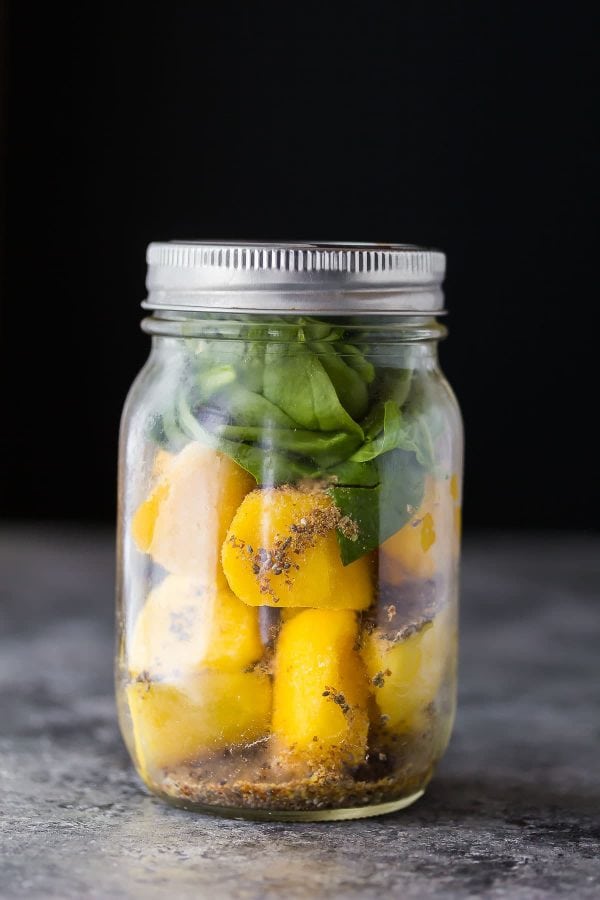
Oatmeal’s advantages include:
- Ease of Preparation: It’s quick to cook, making it suitable for busy mornings.
- Customization: It readily accepts additions like nuts, seeds, fruits, and protein powders.
- Satiety: The combination of fiber and protein promotes a feeling of fullness.
- Meal Prep Friendly: Overnight oats or pre-cooked oatmeal can be prepared in advance.
To further enhance its protein content, oatmeal can be paired with Greek yogurt, chia seeds, nuts, or a scoop of protein powder.
7. Green Peas: An Underrated Source of Plant-Based Protein
Green peas are a surprisingly potent source of plant-based protein, offering an affordable and convenient option for boosting the protein content of lunches and dinners. Their versatility, combined with their freezer-friendly nature, makes them an exceptional ingredient for meal preparation.
Peas can be incorporated into:
- Stir-fries: They add color, texture, and a protein boost to vegetable stir-fries.
- Soups and Stews: Peas are a natural addition to many hearty soup and stew recipes.
- Grain Bowls: They provide a pop of color and a protein element to various grain bowl combinations.
- Pasta Dishes: Mixed into pasta sauces or as a standalone side, they enhance protein content.
Frozen peas are particularly practical as they require minimal preparation and have a long shelf life, ensuring they are readily available when needed.
Crafting Protein-Rich Smoothies: Three Practical Recipes
Smoothies offer a convenient way to consume a balanced mix of nutrients, and with strategic additions, they can become a significant source of protein.

1. Almond Avocado Matcha Smoothie
This smoothie offers a creamy texture with a subtle earthy flavor, making it both satisfying and customizable.
Ingredients:
- 1 cup unsweetened almond milk
- 1/2 ripe avocado
- 1/2 cup frozen pear chunks
- 1 teaspoon matcha powder
- 1 tablespoon almond butter
- Optional: Honey or maple syrup to taste
Meal Prep Tip: Freeze pre-portioned bags of avocado and pear chunks to expedite morning smoothie preparation.
2. Green Protein Smoothie
This option is ideal for those seeking a fresh, produce-forward smoothie that still delivers on protein.
Ingredients:
- 1 cup unsweetened almond or soy milk
- 1 cup fresh spinach
- 1/2 frozen banana
- 1/4 cup plain Greek yogurt (or plant-based alternative)
- 1 tablespoon chia seeds
- Optional: A scoop of your favorite protein powder for an extra boost.
Best Way to Reheat? Smoothies are best consumed fresh. However, if a smoothie is too thick, a small amount of liquid can be added and blended to achieve the desired consistency. This recipe benefits significantly from the addition of protein powder to enhance its satiety.
3. Orange Pineapple Smoothie
A bright and refreshing smoothie, this option is simple to prepare and enjoyable.
Ingredients:
- 1 cup orange juice (preferably 100% juice)
- 1 cup frozen pineapple chunks
- 1/2 cup plain Greek yogurt (or plant-based alternative)
- 1 tablespoon hemp seeds
This smoothie serves as a refreshing beverage. To transform it into a more substantial meal replacement, consider adding Greek yogurt or protein powder for increased protein content.
Storage and Reheating Guidelines for Meal Prep
The optimal storage and reheating methods for these protein-rich foods and smoothie components depend on the specific ingredient and its preparation.
For Nuts, Oats, and Seeds:
- Storage: Store nuts, oats, and seeds in airtight containers in a cool, dry pantry. For longer shelf life, refrigeration or freezing is recommended, especially for nuts and seeds to prevent rancidity.
- Reheating: These items generally do not require reheating. They can be added directly to meals or snacks.
For Spinach, Avocado, and Goat Cheese:
- Storage:
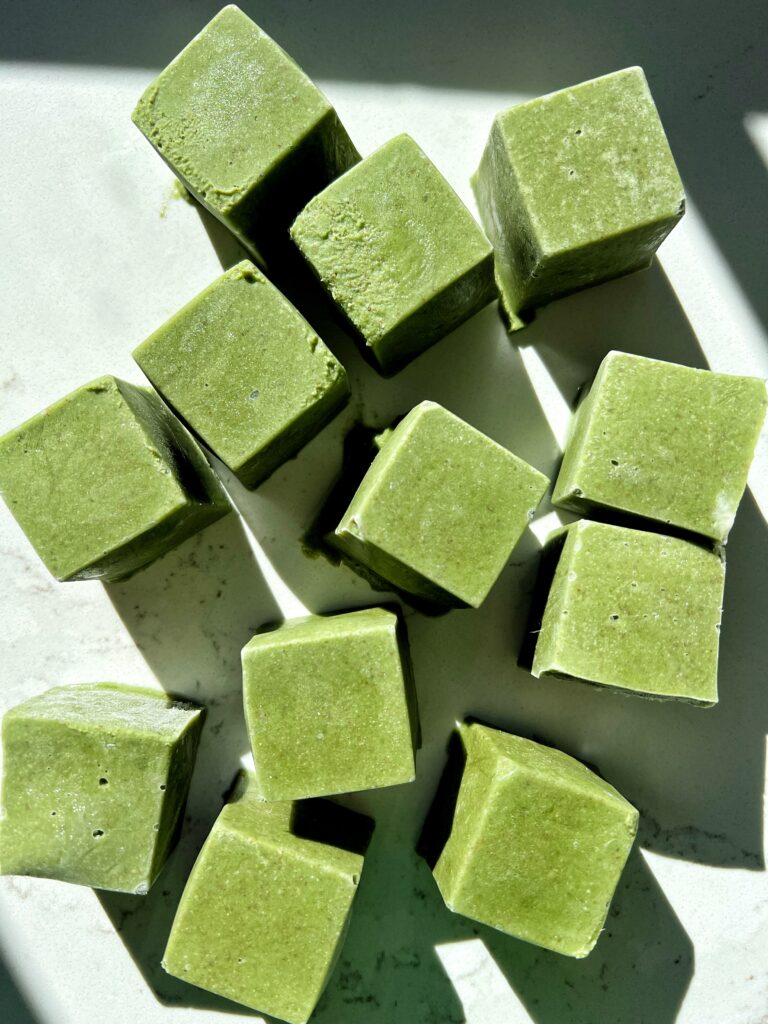
- Spinach: Store fresh spinach in its original packaging or a breathable container in the refrigerator. Wash and dry thoroughly before storing to prevent spoilage.
- Avocado: Store unripe avocados at room temperature. Once ripe, they can be refrigerated for a few days. Cut avocado should be stored with the pit intact and lightly coated with lemon juice or olive oil to minimize browning, then wrapped tightly.
- Goat Cheese: Keep goat cheese in its original packaging in the refrigerator. Once opened, it should be consumed within a week.
- Reheating: Spinach can be reheated by gently sautéing or by adding it to hot dishes. Avocado is best consumed fresh and does not reheat well. Goat cheese can be warmed slightly when incorporated into hot dishes, such as pasta or baked goods.
For Peas:
- Storage: Store fresh peas in the refrigerator and use within a few days. Frozen peas can be stored in the freezer for several months.
- Reheating: Frozen peas can be reheated by boiling, steaming, or microwaving for a few minutes until tender. They can also be added directly to hot dishes.
For Smoothies:
- Storage: Store smoothie ingredients (pre-portioned in bags) in the freezer. Prepared smoothies are best consumed immediately. If storing a prepared smoothie, keep it in an airtight container in the refrigerator for no more than 24 hours.
- Reheating: Smoothies are intended to be consumed cold and do not require reheating. If a frozen smoothie is too thick, a small amount of liquid can be added and blended.
Nutritional Considerations and Helpful Tips
The nutritional content of these foods can vary based on portion size, brand, and preparation methods. As a general guide:
- Pistachios (1 oz): Approximately 6g protein, 13g fat, 8g carbs, 3g fiber.
- Avocado (1/2 medium): Approximately 2g protein, 15g fat, 9g carbs, 7g fiber.
- Walnuts (1 oz): Approximately 4g protein, 18g fat, 4g carbs, 2g fiber.
- Spinach (1 cup raw): Approximately 1g protein, minimal fat, 1g carbs, 1g fiber. (Protein content increases when cooked).
- Goat Cheese (1 oz): Approximately 6g protein, 9g fat, 1g carbs.
- Oatmeal (1/2 cup dry): Approximately 5g protein, 3g fat, 27g carbs, 4g fiber.
- Green Peas (1 cup cooked): Approximately 8g protein, minimal fat, 25g carbs, 7g fiber.
For individuals aiming to precisely meet their macronutrient goals, using a macro calculator can be beneficial for tailoring meals.
Helpful Tips and Ingredient Swaps:
- Variety is Key: Rotate these protein sources weekly to ensure a broad spectrum of nutrients.
- Spice it Up: Utilize herbs and spices to add flavor without adding significant calories or fat.
- Healthy Fats: Incorporate other sources of healthy fats like olive oil, flaxseeds, and chia seeds to enhance satiety and nutrient absorption.
- Fiber Focus: Ensure meals are balanced with plenty of fiber from vegetables, fruits, and whole grains to promote digestive health and sustained energy.
- Plant-Based Alternatives: Many of these ingredients have readily available plant-based alternatives (e.g., plant-based yogurts, nut milks) that can be used to accommodate dietary preferences.
Conclusion: Embracing Dietary Flexibility for Sustainable Health
The exploration of protein intake reveals that a balanced and varied diet is achievable without adhering to a monotonous routine of conventional protein sources. By integrating surprising yet protein-rich foods like pistachios, avocado, walnuts, spinach, goat cheese, oatmeal, and green peas, individuals can enhance the nutritional value and satisfaction of their meals.

This adaptable approach to meal preparation empowers individuals to build sustainable eating habits that align with their schedules and preferences. The flexibility offered by these ingredients allows for seamless integration into breakfasts, lunches, snacks, and smoothies, making healthy eating more accessible and less overwhelming. Ultimately, the journey towards optimal nutrition is one of continuous learning and adaptation, where embracing a wider array of foods can lead to greater dietary success and overall well-being.