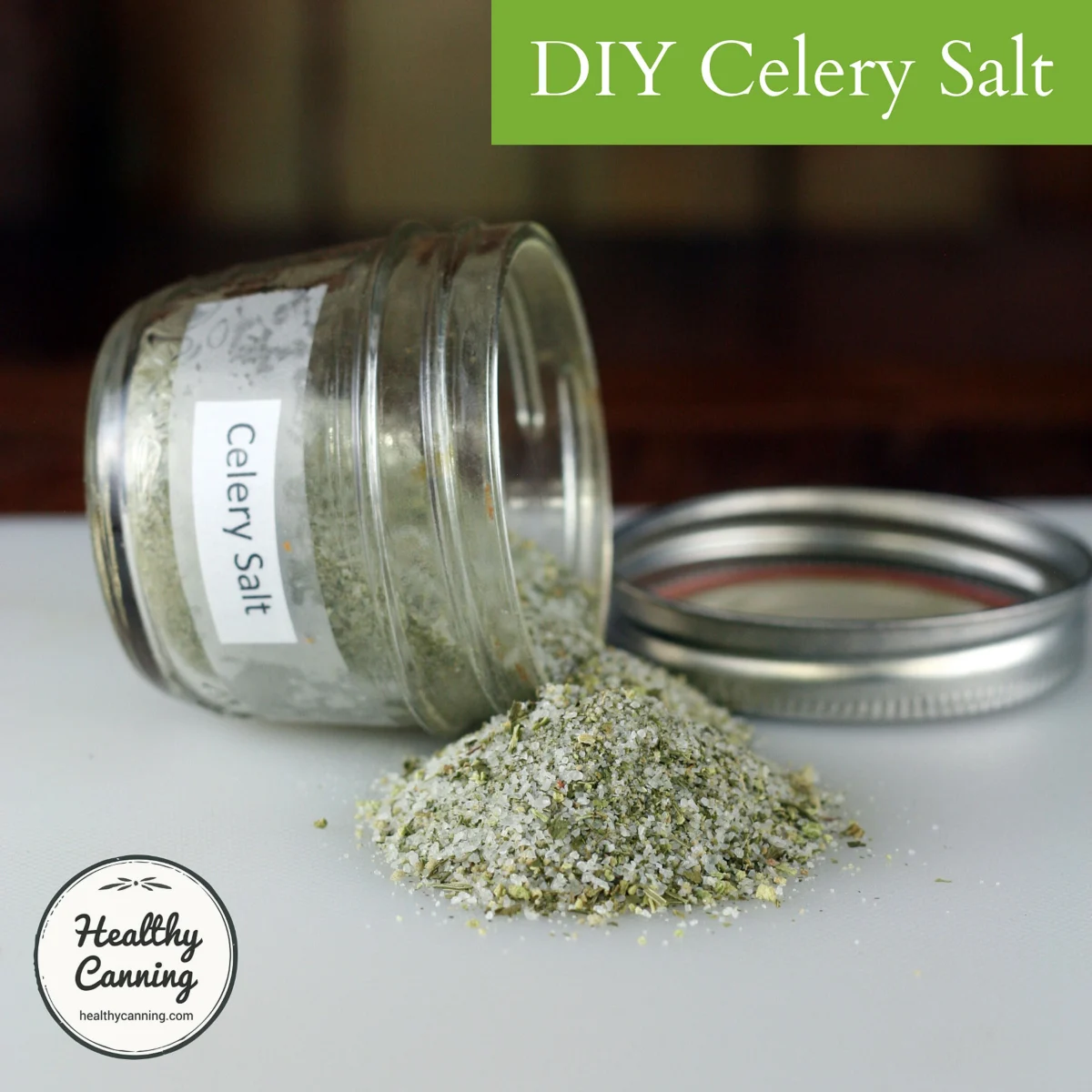

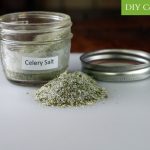
The modern consumer landscape is currently witnessing a significant shift toward the "DIY" (Do-It-Yourself) kitchen, a movement driven by a combination of economic necessity, health consciousness, and a desire for culinary customization. Among the various pantry staples being reclaimed by home cooks, celery salt has emerged as a primary candidate for home production. While commercially available for decades as a ubiquitous shaker on grocery store shelves, the transition to homemade celery salt represents more than just a culinary trend; it is a reflection of a broader de-industrialization of the American spice rack. By utilizing simple components—either ground celery seed or dehydrated celery powder mixed with salt—individuals are finding that they can produce high-quality seasonings for a fraction of the retail cost while eliminating the anti-caking agents and preservatives often found in industrial products.
The Economic Context: Pennies on the Dollar
The primary driver for many households transitioning to homemade seasonings is the stark difference in price points between raw bulk ingredients and processed retail units. In the current inflationary environment, the "convenience tax" applied to pre-mixed seasonings has come under scrutiny. A standard 4-ounce jar of name-brand celery salt can retail anywhere from $4.00 to $6.00. In contrast, purchasing celery seeds in bulk and mixing them with standard sea salt or table salt reduces the cost to mere cents per ounce.
Economic analysts suggest that as food prices remain volatile, the "homesteading" approach to pantry staples provides a manageable way for families to reduce their monthly grocery expenditures. By purchasing base ingredients—such as salt and seeds—in larger quantities, the unit price drops significantly. Furthermore, the longevity of these dry ingredients ensures that waste is minimized, a critical factor in sustainable household management.
Culinary Customization and the Gourmet Shift
Beyond the financial incentives, the move toward DIY celery salt allows for a level of "gourmet" customization that is rarely available in mass-market products. Standard commercial celery salt is typically a rigid mixture of table salt and ground celery seed. However, the homemade version allows for the integration of diverse salt bases, including:

- Smoked Salts: Providing a campfire-like depth to stews and meats.
- Pink Himalayan Salt: Offering trace minerals and a distinctive aesthetic appeal.
- Flaky Sea Salts: Enhancing the texture of the seasoning for use as a finishing salt on fresh vegetables or seafood.
- Salt Substitutes: For individuals managing hypertension or other cardiovascular issues, the ability to use potassium-based substitutes like Herbamare or other sodium-free options is a significant health advantage.
The flexibility of the celery component also offers a range of flavor profiles. While ground celery seed provides the traditional, slightly bitter, and concentrated flavor associated with the spice, the use of homemade celery powder—created by dehydrating and grinding fresh celery stalks and leaves—yields a brighter, more "green" flavor profile. This "garden-to-jar" approach aligns with the farm-to-table movement, emphasizing the use of whole food ingredients over processed alternatives.
Historical Chronology: From Medicinal Herb to Pantry Staple
The history of celery salt is deeply intertwined with the evolution of Western culinary traditions and the industrialization of the spice trade.
- Ancient Origins: Celery (Apium graveolens) was originally used by the Greeks and Romans more for its medicinal properties and as a symbol of victory than as a food source.
- 17th to 19th Century: Wild celery was cultivated into the sweeter, crunchier stalks we recognize today. During this period, celery was considered a luxury item, often served in "celery vases" on the tables of the elite.
- Late 19th Century: As food preservation techniques improved, the concentration of celery flavors into seeds and salts became a way to enjoy the flavor year-old. Celery salt began to appear in American cookbooks as a recommended seasoning for oysters and salads.
- The 1920s and 30s: The spice gained iconic status with the rise of the "Chicago-style" hot dog and the creation of the Bloody Mary. It also became a core component of "Old Bay Seasoning," which was developed in Baltimore in 1939.
- 21st Century: The "Clean Label" movement and the rise of home dehydrators have led to a resurgence in homemade versions, as consumers seek to avoid additives like calcium silicate.
Health Implications and the Sodium Debate
The health sector has long monitored the impact of high sodium intake on public health, particularly its link to hypertension and heart disease. According to data from the Centers for Disease Control and Prevention (CDC), the average American consumes more than 3,400 mg of sodium per day, well above the recommended limit of 2,300 mg.
Homemade celery salt offers a strategic intervention in this area. By controlling the ratio of celery to salt, home cooks can create a "low-sodium" version that relies more heavily on the potent aromatics of the celery seed to provide flavor, thereby reducing the need for salt. Additionally, for those on strict sodium-restricted diets, the DIY method is the only reliable way to ensure a seasoning mix is 100% sodium-free by using alternative mineral blends.
Nutritionists have noted that celery seeds themselves contain small amounts of calcium, manganese, and iron. While these are consumed in trace amounts via seasoning, the shift away from highly processed salts toward mineral-rich sea salts or potassium-based substitutes is generally viewed as a positive step in dietary management.

Technical Specifications: The Production Process
The production of celery salt is a straightforward mechanical process, yet it requires precision to achieve a consistent result. Based on culinary standards and testing from various home-preservation sources, the following parameters define a standard high-quality batch:
Ingredients and Ratios:
A common ratio for standard celery salt is approximately two parts salt to one part ground celery seed. However, for a more "celery-forward" gourmet blend, a 1:1 ratio is often employed.
- Yield: A typical small-batch recipe produces approximately 5 tablespoons (75 grams) of seasoning.
- The Celery Component: If using celery seeds, they should be ground in a spice grinder or mortar and pestle just before mixing to release the essential oils. If using celery powder, it should be derived from stalks that have been dehydrated at 125°F (52°C) until brittle, then pulverized.
- The Mixing Process: To ensure an even distribution, the ingredients should be combined in a small bowl or shaken vigorously in a sealed jar.
Storage and Longevity:
Because it is a dry mix, homemade celery salt has a shelf life of approximately six months to a year, provided it is stored in a cool, dark place in an airtight container. Over time, the volatile oils in the celery will dissipate, leading to a loss of flavor potency.
Broader Impact on Food Sustainability
The DIY seasoning movement contributes to environmental sustainability by reducing the carbon footprint associated with the "last mile" of food distribution. Commercial spices are often packaged in small plastic or glass containers that require significant energy to produce and transport. By reusing existing spice jars and purchasing bulk ingredients—which often come in more efficient, large-scale packaging—consumers can significantly reduce their household plastic waste.
Furthermore, the use of celery powder made from leftover celery leaves and "hearts" that might otherwise be discarded is a prime example of "zero-waste" cooking. In the commercial industry, celery leaves are often treated as a byproduct; in the home kitchen, they are transformed into a high-value culinary asset.
Industry and Consumer Reactions
Market researchers have observed a notable increase in the sales of home dehydrators and high-speed blenders over the last five years, indicating a consumer base that is increasingly equipped to handle its own food processing.
"We are seeing a ‘return to basics’ that is very much tech-enabled," says one retail analyst. "People aren’t just making celery salt because it’s cheaper; they’re doing it because they have the tools to make a version that is objectively better than what they can buy at the supermarket. They are becoming their own artisanal suppliers."
Master Food Preserver groups and culinary educators have also reported a surge in interest regarding dry seasoning mixes. These organizations provide a vital service by offering "Master Food Preserver" help groups and hotlines, ensuring that as consumers move toward DIY methods, they do so with a focus on food safety and proper storage techniques.
Conclusion: The Future of the Spice Rack
The rise of DIY celery salt is a microcosm of the changing relationship between consumers and the industrial food complex. As individuals reclaim the ability to blend, grind, and preserve their own seasonings, they gain more than just a jar of spice; they gain autonomy over their health, their budget, and their culinary expression. Whether it is a dash of smoked-salt-infused celery seasoning on a summer tomato or a sodium-free blend for a health-conscious meal, the homemade movement ensures that the future of flavor is both personal and sustainable. As this trend continues to grow, it is likely that more complex spice blends—from curry powders to taco seasonings—will follow the path of celery salt, moving from the grocery aisle back to the kitchen counter.