
For those seeking culinary inspiration to complement the beloved pierogi, this comprehensive guide offers a curated selection of delectable side dishes, drawing from generations of Polish culinary tradition and modern gastronomic insights. As a classically trained chef with roots in a Polish-American family from New Jersey, the author brings a wealth of experience to the table, having explored countless pairings since childhood. The suggestions provided are not only delicious but also practical and accessible for home cooks of all skill levels, with a crucial consideration for the diverse fillings of pierogi, from savory potato and cheese to sweet fruit varieties.
A Culinary Legacy: The Enduring Appeal of Pierogi
Pierogi, those comforting half-moon dumplings, hold a significant place in Eastern European cuisine, particularly in Poland, where they are a staple dish. Their versatility in terms of fillings and preparation methods has cemented their status as a beloved comfort food. Historically, pierogi were often made with seasonal ingredients, reflecting the agricultural cycles and regional variations across Poland. While often associated with savory fillings like potato and cheese, sauerkraut, or mushrooms, sweet versions filled with fruits like blueberries or plums are also popular, especially during warmer months. The preparation of pierogi is frequently a communal activity, passed down through families, embodying a rich cultural heritage. This guide aims to enhance that experience by providing expert recommendations for accompaniments that elevate the humble pierogi to a gourmet meal.
Essential Accompaniments: Building the Perfect Plate
The key to a successful pierogi pairing lies in balancing flavors and textures. While the pierogi themselves offer a satisfying chew and a tender filling, the right side dish can add crunch, richness, tang, or sweetness, creating a harmonious culinary experience. The author emphasizes that regardless of the pierogi’s filling—be it classic potato and cheese, hearty sauerkraut and mushroom, or even a delicate fruit preparation—there is an ideal companion waiting to be discovered.
1. The Indispensable Sour Cream
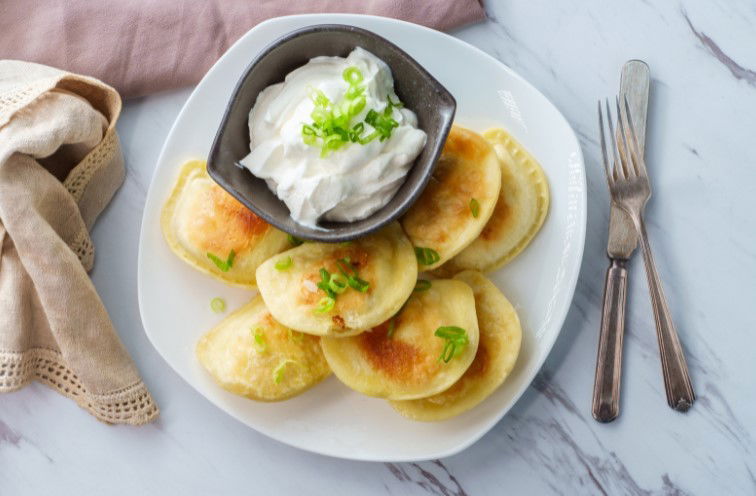
Sour cream stands as the quintessential accompaniment to pierogi, a pairing so classic it forms the foundation of countless successful pierogi meals. Its cool, creamy texture and subtle tang provide a perfect counterpoint to the richness of pan-fried pierogi. For many, a simple plate of golden-brown pierogi generously dolloped with sour cream is a complete and satisfying meal. Even when other side dishes are present, a spoonful of sour cream adds a refreshing brightness that cuts through the heartiness of the dumplings. This dairy staple not only enhances the flavor profile but also adds a luxurious mouthfeel, making each bite more enjoyable.
2. The Sweet Charm of Sautéed Onions
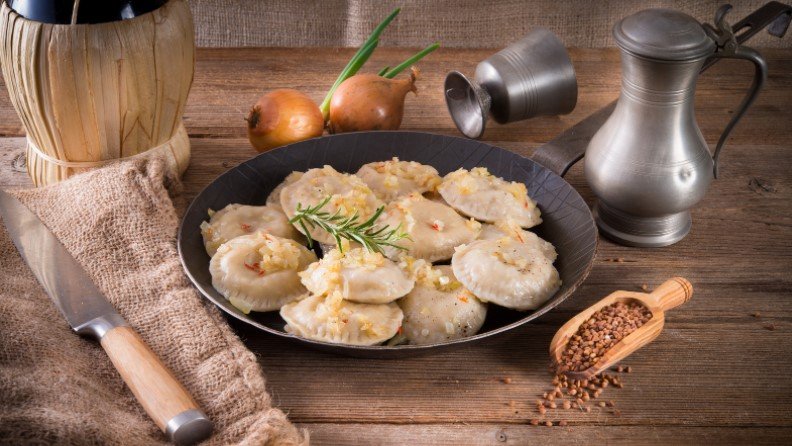
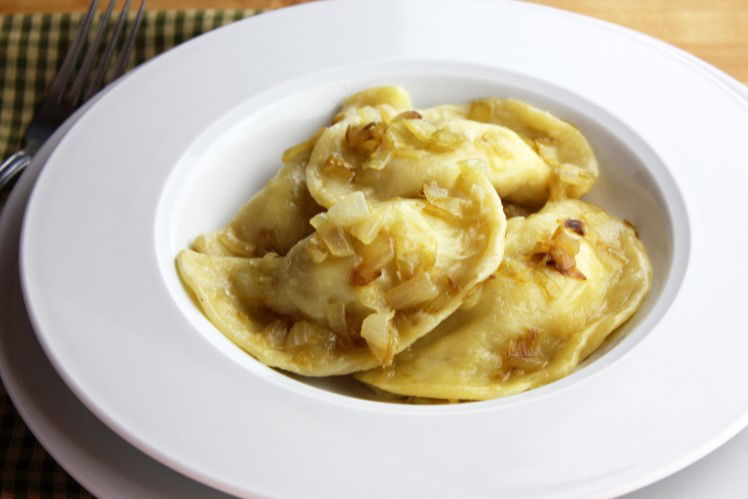
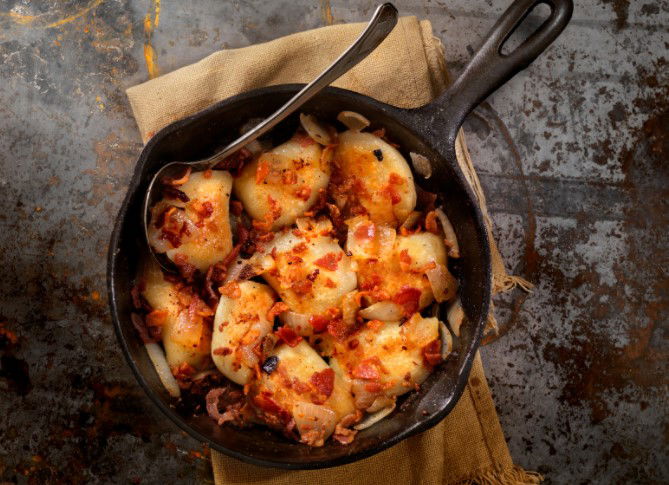
Sautéed onions, much like sour cream, are an "always" side for pierogi, especially when the dumplings are pan-fried to a golden crisp. The process of sautéing onions in butter or oil allows them to soften and caramelize, releasing their natural sugars and developing a sweet, savory depth. This caramelized sweetness beautifully complements the often savory fillings of potato, cheese, or sauerkraut pierogi. The preparation can be a seamless one-pan affair, with onions cooked in the same skillet before the pierogi are added, allowing the rendered fats and browned bits to further flavor the dumplings. For those with more time, slow-caramelizing onions can achieve an even more intense, jammy sweetness. This technique, often referred to as the "Maillard reaction" in culinary science, transforms simple onions into a complex flavor enhancer.
A Note on Caramelization: The process of caramelizing onions involves cooking them at a low temperature for an extended period, allowing the sugars within the onions to break down and brown without burning. This results in a deep, rich flavor and a soft, spreadable texture. A widely respected resource for mastering this technique can be found through culinary institutions and reputable food publications, often offering detailed step-by-step guides to achieve perfectly caramelized onions.
3. The Sophistication of Brown Butter and Herbs
For a touch of elegance and a depth of nutty flavor, brown butter sauce infused with fresh herbs offers a sophisticated pairing for pierogi. While the concept of browning butter might seem daunting, it is a straightforward technique that rewards patience. Browning butter involves gently heating butter until the milk solids toast, imparting a complex, nutty aroma and flavor. The key is to monitor the heat closely to prevent burning. As the butter transitions from melted to foamy and finally to a golden-brown hue, adding fresh herbs like parsley, chives, or dill during the foaming stage releases their fragrant oils, creating a symphony of aromas. This sauce can be drizzled over pan-fried pierogi, adding a rich, aromatic dimension that complements a wide array of fillings.
The Science of Browning Butter: The transformation of butter into brown butter is a chemical process. As butter heats, the water content evaporates, and the milk solids, which are proteins and sugars, begin to denature and toast. This browning is a form of the Maillard reaction and caramelization, creating hundreds of new flavor compounds that contribute to its characteristic nutty and rich taste.
4. The Hearty Embrace of Cabbage or Brussels Sprouts with Bacon
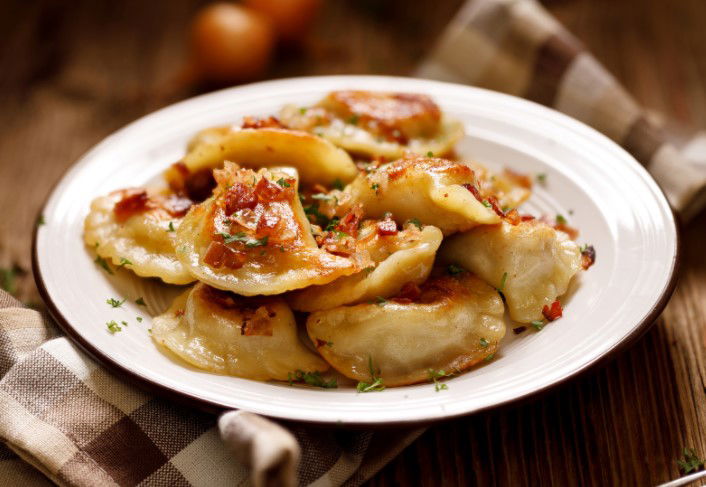
When seeking additional substance without venturing into a full protein preparation, cabbage or Brussels sprouts paired with crispy bacon emerge as an excellent choice. The rendered fat from the bacon provides a flavorful base for sautéing shredded cabbage or halved Brussels sprouts, infusing them with a smoky, savory essence. This combination can be served as a standalone side or mixed and matched with other accompaniments. The salty crunch of bacon, combined with the slightly bitter notes of the greens, offers a robust counterpoint to the tender pierogi. This pairing is particularly well-suited for heartier pierogi fillings.
Nutritional Context: Cabbage and Brussels sprouts are cruciferous vegetables known for their high fiber content and abundance of vitamins, including Vitamin C and K. Their inclusion adds a nutritional boost to the meal, balancing the richness of the pierogi and bacon.
5. The Authentic Polish Pairing: Kielbasa
No discussion of pierogi accompaniments would be complete without mentioning kielbasa, a traditional Polish sausage. Kielbasa, whether boiled or pan-fried, offers a substantial and flavorful protein element that perfectly complements pierogi. Its savory, often slightly smoky, flavor profile harmonizes beautifully with the dumplings. Kielbasa is readily available in most grocery stores, typically found in the refrigerated section near other sausages. A particularly delightful preparation involves slicing kielbasa into medallions, pan-frying them until browned, and then tossing them with a glaze of apricot preserves. This sweet and savory combination, a cherished family recipe for many, adds a unique dimension to the pierogi experience.
Historical Significance: Kielbasa has been a cornerstone of Polish cuisine for centuries, with regional variations in ingredients and preparation. Its pairing with pierogi is deeply ingrained in Polish culinary heritage, often forming the centerpiece of festive meals and family gatherings.
6. The Versatile Power of Pork
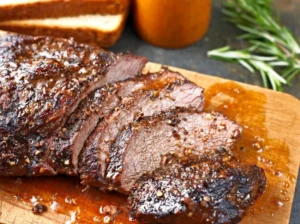
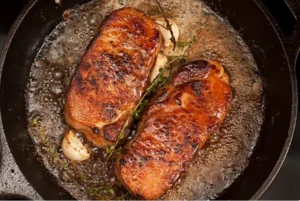
Pork, in its many forms, offers an incredibly versatile and satisfying accompaniment to pierogi. From crispy bacon and pan-seared pork chops to succulent pork tenderloin or rich pulled pork, the possibilities are vast. Pork and sausages are historically among the most common proteins served alongside pierogi, making them an integral part of traditional Polish meals. The ability of pork to absorb flavors and its inherent richness make it a natural partner for the dumplings.
Fusion Flavors: The author’s personal culinary journey highlights the exciting potential of fusion cuisine. The combination of a Puerto Rican-style Pernil (slow-roasted, marinated pork shoulder with crispy skin) served alongside pierogi with caramelized onions and sour cream exemplifies how diverse culinary traditions can create unexpected yet harmonious pairings. This approach celebrates the adaptability of pierogi as a culinary canvas.

7. The Deep Flavors of Braised Meat
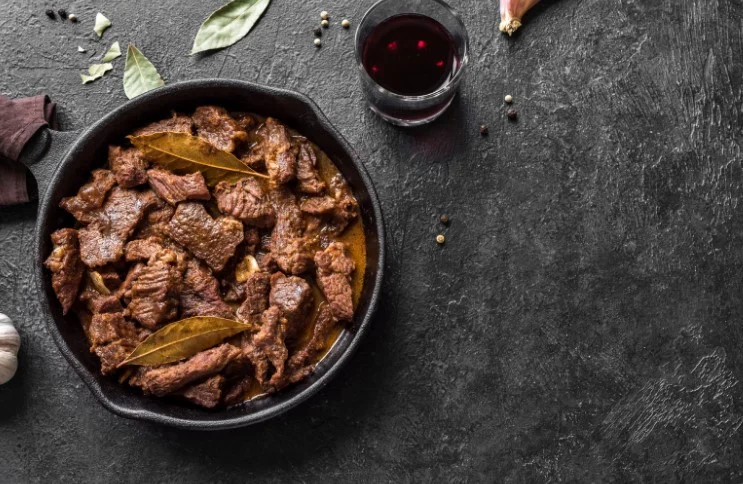
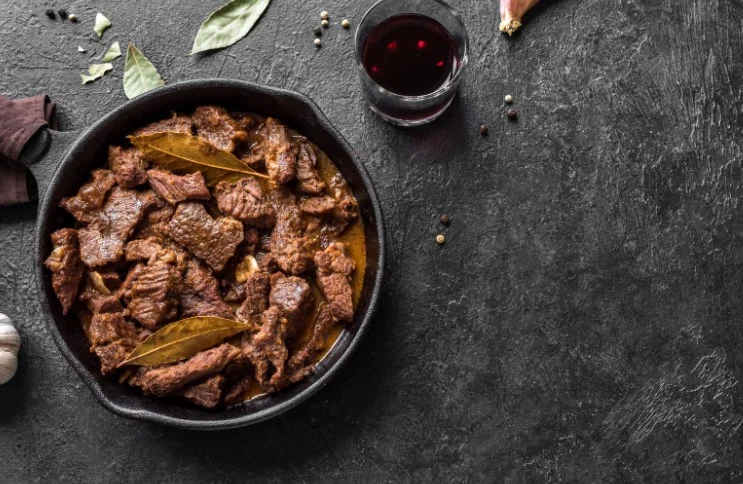
For a meal where pierogi can serve as a delectable side rather than the main event, braised meats offer a luxurious and deeply flavorful option. Cuts like chuck roast, pork shoulder, or lamb shank, when braised slowly in liquid, become incredibly tender and succulent, their rich juices creating a flavorful sauce. This method of cooking, which involves searing the meat at high heat to lock in juices followed by low-and-slow simmering, breaks down tough connective tissues, resulting in melt-in-your-mouth textures. Braised meats provide a hearty and satisfying foundation for a well-rounded meal, especially when paired with steamed vegetables.
The Art of Braising: Braising is a cooking technique that combines dry heat searing with moist heat cooking. It is ideal for tougher cuts of meat that benefit from long, slow cooking periods to become tender. The liquid used in braising—often broth, wine, or water—infuses the meat with flavor and creates a rich sauce.
Pro-Tips for an Elevated Pierogi Experience
To further enhance the pierogi dining experience, consider these expert recommendations:
- The Trifecta Combination: For a truly decadent experience, combine the elements of sautéed onions, brown butter and herb sauce, and perfectly fried pierogi. Begin by sautéing onions and setting them aside. Prepare the brown butter and herb sauce. Then, fry the pierogi until golden and crisp, and serve them topped with both the onions and the aromatic brown butter sauce. This layered approach offers a complex interplay of textures and flavors.
- Utilizing Bacon Fat: When incorporating bacon into your pierogi meal, reserve some of the rendered bacon grease. This flavorful fat can be used to fry cabbage, Brussels sprouts, or even the pierogi themselves, infusing them with a smoky richness.
- Apricot-Glazed Kielbasa: A simple yet inspired way to prepare kielbasa is to bake it with apricot preserves. The sweet and tangy preserves meld with the savory juices of the kielbasa, creating a delightful sauce that is perfect for dipping pierogi. Baking at 400°F (200°C) for about 15-20 minutes until the preserves are melted and warm is ideal.
- Leveraging Pan Drippings: When cooking pork or other meats in the same pan as your pierogi, make use of the flavorful drippings. The browned bits and rendered fat can add an extra layer of deliciousness to your pierogi.
- Leftover Potential: Many of these accompaniments, such as braised meats and sautéed vegetables, reheat exceptionally well, making them ideal for preparing ahead of time and enjoying leftovers throughout the week.
Frequently Asked Questions About Pierogi
How are pierogies traditionally served?
Traditionally, pierogi originated in Poland and are often pan-fried to a golden crisp, then topped with melted butter and sautéed onions. This simple preparation highlights the natural flavors of the pierogi.
Do you have to boil pierogies before frying them?
Pre-boiling is generally only necessary for frozen pierogi to ensure they cook through evenly. Fresh or thawed pierogi can typically be fried directly without pre-boiling.
What do you dip pierogies in?
Pierogies are delicious when dipped in simple yet flavorful accompaniments such as melted butter or sour cream. These classic dips enhance the overall taste and texture.
By understanding the heritage of pierogi and exploring these carefully curated side dish options, home cooks can elevate their pierogi meals from simple sustenance to truly memorable culinary experiences, honoring tradition while embracing modern flavors.