
Olive oil, a cornerstone of the modern American kitchen, often garners a level of familiarity that belies a deeper understanding of its nuances. Consumers frequently select this ubiquitous cooking oil based on its attractive packaging or brand recognition, overlooking the critical factors that determine its quality and freshness. This oversight is particularly prevalent when it comes to discerning the superiority of Extra Virgin Olive Oil (EVOO) over its refined counterparts. A comprehensive exploration into the world of olive oil reveals that understanding the origins, processing, and specific characteristics of this liquid gold is paramount for any discerning home chef or health-conscious individual.
The distinction between Extra Virgin Olive Oil and standard "olive oil" is not merely semantic; it represents a fundamental difference in quality, flavor, and nutritional integrity. EVOO is meticulously crafted through a process of cold-pressing freshly harvested olives. This labor-intensive method eschews heat and chemical solvents, ensuring that the inherent flavors, aromatic compounds, and beneficial phytonutrients of the olive are preserved. The resulting oil is a vibrant testament to the fruit’s natural essence, offering a complex spectrum of tastes that are directly influenced by the olive varietal, the terroir of its cultivation, and the precise moment of harvest. In contrast, conventional olive oil undergoes a refining process that strips away much of its natural goodness, leaving behind a product that is primarily valued for its higher smoke point. While this characteristic might seem advantageous for high-heat cooking, culinary experts often suggest that other oils are better suited for frying and sautéing, preserving the delicate and nuanced profiles that EVOO is celebrated for. For those seeking a healthful and flavorful culinary fat, EVOO stands as the undisputed champion.
The journey to discover the world’s finest olive oils is an immersive experience, a palate-driven exploration that rewards patience and a willingness to engage with diverse flavors. Each bottle tells a story, shaped by the unique geography and traditions of its origin. This series aims to demystify these regional specialties, delving into the iconic flavors, distinct processing techniques, and cultural heritage that contribute to the global reputation of olive oil. By focusing on individual countries of origin, we aim to provide a digestible yet comprehensive overview, mirroring the clarity often found on bottle labels in the United States, which typically indicate the country of production.
The Dominance of Italian Olive Oil and the Expanding Global Landscape
In North America, Italian olive oil holds a prominent position, a testament to sophisticated branding and a long-standing appreciation for its culinary traditions. However, to equate "Italian olive oil" with the entirety of high-quality olive oil is to overlook the vast and intricate landscape of global production. Italy itself boasts 18 distinct olive-growing regions, each contributing unique characteristics to its olive oil output. Industry professionals emphasize that the nuances of olive oil quality and origin can be remarkably granular, extending far beyond national borders.
This series is built upon insights gathered from experts in leading olive oil-producing nations. Their collective knowledge illuminates the specific factors that set their respective olive oils apart on the world stage. As we venture through this exploration, we will uncover the distinct flavor profiles, unique cultivation practices, and deeply ingrained traditions that define olive oil from various corners of the globe.
The Science and Art of Extra Virgin Olive Oil Production
The definition of Extra Virgin Olive Oil is not arbitrary; it is governed by stringent international standards. The International Olive Council (IOC), a global body that sets quality standards for olive oil, defines EVOO as "olive oil obtained directly from olives and solely by mechanical or other physical means that do not alter the oil in any way. It has been milled under conditions, particularly thermal conditions, that do not cause alteration of the oil. It is naturally free of defects." This rigorous definition underscores the importance of a pristine, chemical-free extraction process.
The absence of heat and chemicals is critical. Heat can degrade the delicate fatty acids and antioxidants present in olive oil, diminishing its nutritional value and flavor complexity. Chemical solvents, often used in the extraction of lower-grade oils, can leave behind residual traces and fundamentally alter the oil’s character. Cold-pressing, by contrast, involves extracting the oil at temperatures below 27°C (80.6°F). This low-temperature method ensures that the volatile aromatic compounds, responsible for the oil’s aroma and taste, are preserved.
The fat profile of EVOO is predominantly monounsaturated, with oleic acid being the most abundant fatty acid. Monounsaturated fats are widely recognized for their health benefits, including their role in promoting heart health and reducing inflammation. EVOO is also rich in polyphenols, a class of antioxidants that contribute to its characteristic bitterness and pungency, and are associated with a range of health advantages, from cardiovascular protection to potential anti-cancer properties. The concentration of these polyphenols can vary significantly based on factors such as olive varietal, ripeness at harvest, and processing methods. For instance, oils made from younger, greener olives tend to have higher polyphenol content and a more robust, peppery flavor.
A Timeline of Olive Oil’s Global Significance
The history of olive oil production is as ancient as civilization itself. Archaeological evidence suggests that olive trees were first cultivated in the Fertile Crescent over 6,000 years ago, with the domestication process likely beginning in the Chalcolithic period. Ancient Egyptians, Greeks, and Romans all recognized the immense value of olive oil, utilizing it not only for culinary purposes but also for medicinal applications, religious ceremonies, and as a cosmetic.
- Circa 4000 BCE: Early cultivation of olive trees begins in the Levant.
- Circa 3000 BCE: Olive oil production techniques emerge in Minoan Crete and mainland Greece.
- Circa 1500 BCE: The Greeks establish extensive olive groves and develop sophisticated pressing methods.
- Circa 800 BCE: The Romans adopt and expand olive oil production, spreading its cultivation throughout their empire, including parts of Southern Europe and North Africa.
- Middle Ages: Monasteries play a crucial role in preserving olive cultivation and production knowledge in Europe.
- 15th-17th Centuries: European explorers introduce olive trees to the Americas, with significant cultivation taking root in regions like California and parts of South America.
- 19th-20th Centuries: Industrialization leads to advancements in olive oil extraction technology, while growing awareness of health benefits begins to elevate EVOO’s status.
- Late 20th-Early 21st Centuries: A surge in global demand for healthy fats and artisanal food products propels the olive oil market, with increased focus on quality, traceability, and regional diversity.
The evolution of olive oil production methods reflects a continuous effort to balance tradition with innovation. While ancient techniques laid the foundation, modern technologies have enabled greater efficiency and precision, allowing for the production of consistently high-quality EVOO on a larger scale.
Regional Variations: A Symphony of Flavors
The flavor profile of EVOO is a direct reflection of its genetic origins and the environment in which it is grown. Different olive varietals possess distinct characteristics, much like grape varietals in winemaking. For example:
- Coratina (Italy): Known for its robust, peppery, and bitter notes, often with hints of artichoke. It is rich in polyphenols and has a high smoke point for an EVOO.
- Picual (Spain): This varietal produces oils with a grassy aroma, a slightly bitter taste, and a pronounced peppery finish. It is also known for its stability and shelf life.
- Kalamata (Greece): Famous for its almond-like flavor and mild, fruity notes, with a smooth finish.
- Hojiblanca (Spain): Offers a more delicate, buttery flavor with subtle grassy undertones and a mild bitterness.
- Arbequina (Spain): Characterized by its soft, sweet, and fruity profile, often with notes of apple and banana, and a very mild peppery finish.
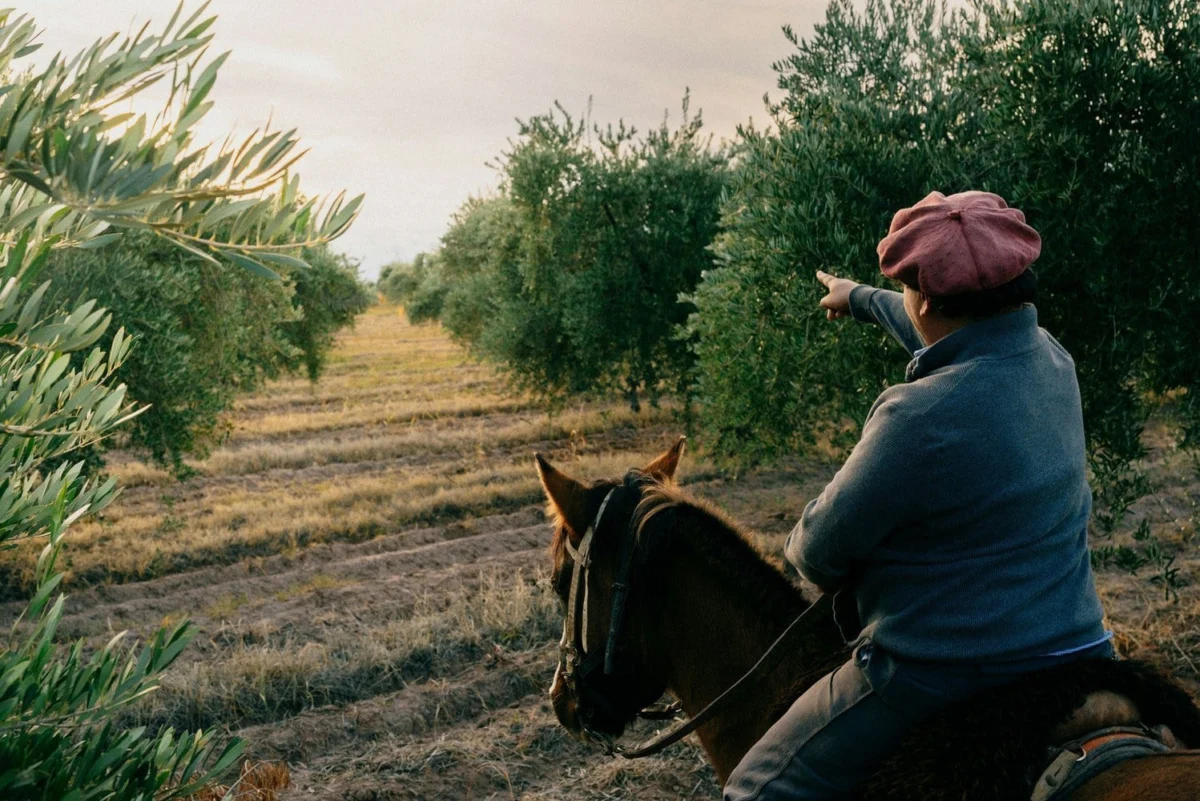
The terroir – the combination of soil, climate, altitude, and rainfall – further influences the olive’s development and, consequently, the oil’s flavor. Olives grown in cooler climates or at higher altitudes may develop a more pungent and grassy character, while those from warmer regions might yield sweeter, more buttery oils. The maturity of the olives at harvest is another critical factor. Early harvests of greener olives produce oils with higher acidity, more intense bitterness and pungency, and greater antioxidant content. As olives ripen, their oil content increases, and the flavors become milder and fruitier.
Industry Reactions and Consumer Insights
The olive oil industry is keenly aware of the consumer’s growing desire for transparency and authenticity. Producers are increasingly investing in traceability initiatives, from grove to bottle, to assure consumers of their product’s origin and quality. This includes implementing rigorous testing protocols and seeking certifications that validate their EVOO claims.
"Consumers are becoming more educated about olive oil," notes Maria Rossi, a third-generation olive oil producer from Tuscany, Italy. "They are moving beyond simply looking at the price tag and are starting to ask about the olive varietal, the harvest date, and the flavor profile. This is a positive trend that encourages us to maintain the highest standards of quality and craftsmanship."
However, challenges remain. The global olive oil market is complex, with varying regulations and quality control measures across different countries. This can lead to instances of mislabeling or the sale of lower-quality oils misrepresented as premium products. Industry organizations and consumer advocacy groups are working to address these issues through education campaigns and lobbying for stricter enforcement of quality standards.
The Implications for the Modern Kitchen
The implications of understanding EVOO extend beyond mere culinary preference; they touch upon health and well-being. The rich array of antioxidants and healthy fats present in high-quality EVOO contribute to a diet that is both flavorful and beneficial. By making informed choices, consumers can harness the full potential of this ancient and revered ingredient.
For home cooks, this understanding translates into more vibrant and nuanced dishes. Using an EVOO with a robust, peppery profile can add a delightful kick to salads, grilled vegetables, and even simple bread dipping. A milder, fruitier oil might be ideal for delicate fish or as a finishing oil for pasta dishes. The ability to pair the right EVOO with the right dish elevates the cooking experience and the final presentation.
Furthermore, the shift towards prioritizing quality over convenience reflects a broader cultural movement towards mindful consumption. In a world saturated with processed foods and artificial ingredients, the pursuit of pure, natural, and minimally processed foods like EVOO signifies a desire for authenticity and a connection to the earth’s bounty.
Conclusion
Olive oil, particularly Extra Virgin Olive Oil, is far more than just a cooking lubricant; it is a complex agricultural product with a rich history, diverse regional expressions, and significant health benefits. The journey from the olive grove to the kitchen table is one that deserves attention and appreciation. By looking beyond the label, understanding the science of its production, and exploring the vast spectrum of its flavors, consumers can unlock the true potential of olive oil, transforming their culinary endeavors and embracing a healthier way of eating. The continued education and engagement of consumers will undoubtedly shape the future of the olive oil industry, fostering a greater appreciation for quality, sustainability, and the authentic taste of this liquid gold.