
The acclaimed food science blog Khymos has officially broken a seven-year silence, re-engaging its dedicated readership with a highly anticipated list of scientifically-oriented culinary book recommendations for 2020. The return marks a significant moment for enthusiasts of molecular gastronomy and the science of cooking, as the blog, known for its rigorous and insightful analysis, last published a book list in 2013. This resurgence highlights the enduring and growing interest in understanding the chemical and physical transformations that define our food, from the home kitchen to haute cuisine.
The blog’s return underscores a vibrant landscape of food science literature that has flourished in recent years, making complex scientific principles accessible to a broader audience of cooks, chefs, and curious minds. Khymos has historically served as a critical curatorial voice in this niche, offering discerning reviews that guide readers through the ever-expanding bibliography of culinary science. The 2020 selection reflects both established giants in the field and innovative new voices, emphasizing an integrated approach where scientific understanding enhances practical cooking.
A Look Back: The Context of Khymos’s Hiatus and the Evolution of Food Science Literature
The period between 2013 and 2020 witnessed a considerable expansion in the popularization of food science. Building on the foundations laid by pioneers like Harold McGee, whose seminal "On Food and Cooking: The Science and Lore of the Kitchen" revolutionized culinary understanding, the field moved from academic obscurity into mainstream consciousness. Television shows, online courses, and accessible cookbooks increasingly incorporated scientific explanations, moving beyond mere recipes to delve into why certain techniques work.
Blogs like Khymos emerged as vital platforms during this era, translating complex scientific jargon into actionable insights for home cooks and professional chefs alike. Their absence for seven years left a notable gap for many who relied on such curated content. The return with a comprehensive 2020 list not only re-establishes Khymos as a relevant voice but also implicitly acknowledges the continued evolution and maturation of the food science genre, now populated by diverse authors and perspectives.
Key Recommendations from 2020: A Deep Dive into Culinary Science
The 2020 list from Khymos presents a diverse collection of books, each offering a unique lens through which to explore the scientific underpinnings of food. These selections collectively demonstrate the field’s breadth, from macro-level flavor perception to micro-level molecular interactions, and its application across various culinary traditions.
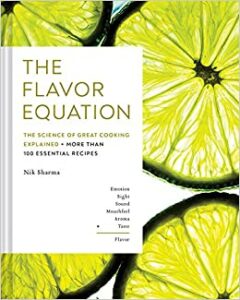
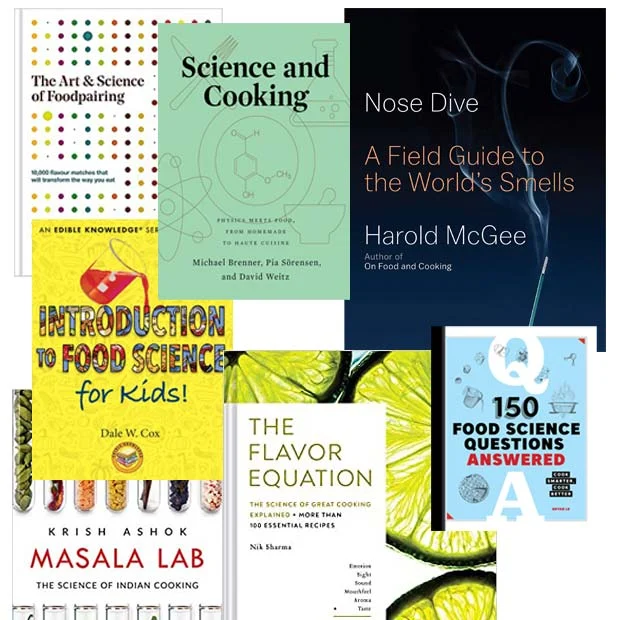
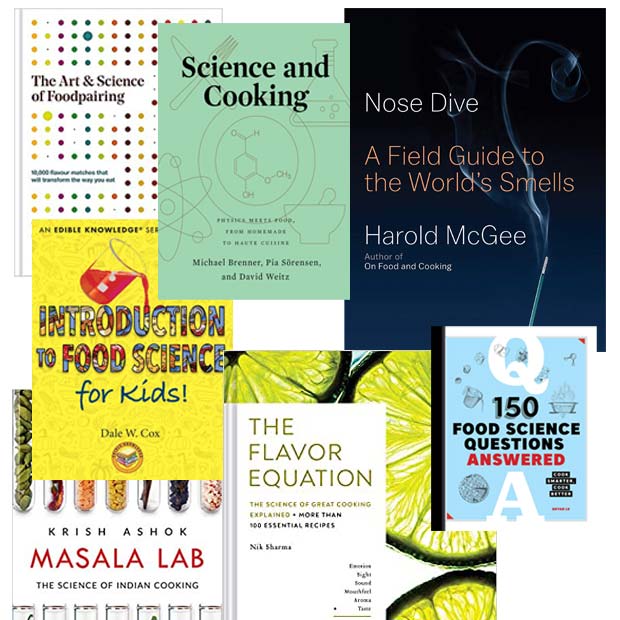
The Flavor Equation by Nik Sharma
Nik Sharma’s "The Flavor Equation" stands out as a highly recommended title, integrating scientific principles directly into its approximately 100 recipes. Sharma, celebrated for his distinctive photography and approachable writing style previously seen in "Season," takes a novel approach by embedding "The Flavor Approach" sections within each recipe. These brief, insightful notes explain the scientific rationale behind specific ingredients or techniques, demystifying the interplay of taste, aroma, texture, and visual appeal. The book’s structure allows readers to grasp complex concepts like the Maillard reaction or emulsion stability in a practical, recipe-driven context.
Beyond the recipes, a significant portion of the book delves into flavor from various perspectives, exploring the role of different compounds, cooking methods, and even psychological factors in perception. The accessibility of the scientific content, presented without overwhelming jargon, makes it suitable for a broad audience. Furthermore, the inclusion of metric units is a notable bonus, catering to a global readership and aligning with scientific standards, reflecting a thoughtful approach to culinary education. Sharma’s work exemplifies the modern trend of making sophisticated food science directly applicable and understandable for the passionate home cook.
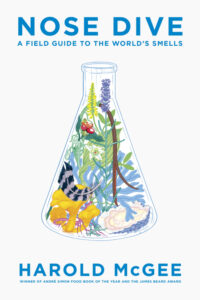
Nose Dive: A Field Guide to the World’s Smells by Harold McGee
Harold McGee, often revered as the godfather of modern food science writing, makes a profound return with "Nose Dive: A Field Guide to the World’s Smells." Following his groundbreaking "On Food and Cooking," which ignited widespread interest in the scientific aspects of the kitchen, McGee dedicates his latest work entirely to the intricate world of olfaction. This ambitious 688-page tome extends beyond the confines of food, exploring the volatile molecules that define smells across all facets of existence, from nature to industry.
While the book meticulously names and discusses countless volatile molecules, McGee’s masterful storytelling ensures that the scientific detail never becomes an impediment to the reader’s engagement. His writing transforms potentially dry chemical information into a captivating narrative about how we perceive and interpret the world through scent. For anyone with an interest in the sensory experience of food – and indeed, life itself – "Nose Dive" offers an unparalleled journey into the science and wonder of smell. Its publication reaffirms McGee’s status as an unparalleled interpreter of scientific phenomena for a general audience, promising a deep and rewarding exploration for those willing to "dive properly into this one." The note regarding different UK and US covers also subtly highlights the global reach and anticipation for his works.
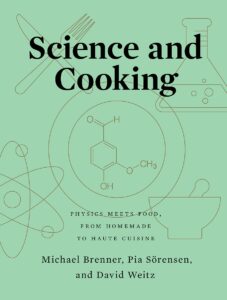
Science and Cooking: Physics Meets Food, From Homemade to Haute Cuisine by Michael Brenner, Pia Sørensen, and David Weitz
Originating from the hugely popular "Science and Cooking" class at Harvard University, this book by Michael Brenner, Pia Sørensen, and David Weitz translates a decade of academic and culinary collaboration into an accessible text. The course itself gained international recognition through its availability on YouTube, featuring an impressive roster of notable chefs, scientists, and authors who explore the intersection of science and cooking. The authors, hailing from diverse scientific backgrounds spanning applied mathematics, chemistry, and physics, bring a multidisciplinary rigor to the subject.
The book excels at integrating complex scientific principles with practical culinary applications. It delves into topics such as heat transfer, phase transitions, emulsions, and rheology, illustrating each concept with real-world cooking examples and recipes. This approach allows readers to understand the fundamental physics and chemistry behind everyday cooking phenomena, from whipping egg whites to making perfect pasta. The book’s strength lies in its ability to bridge the gap between abstract scientific theory and tangible kitchen outcomes, making it invaluable for both aspiring chefs and intellectually curious home cooks. The inclusion of metric units further enhances its utility and academic credibility.
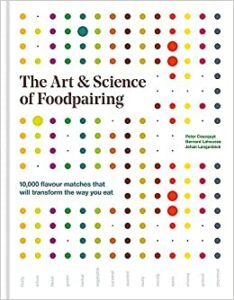
The Art and Science of Foodpairing by Peter Coucquyt, Bernard Lahousse, and Johan Langenbick
"The Art and Science of Foodpairing" delves into a concept that has both fascinated and sparked debate within the culinary world. The authors, associated with the company Foodpairing, have pioneered a methodology for identifying complementary ingredient combinations based on shared aromatic compounds. Bernard Lahousse, one of the co-authors, has been a familiar name to Khymos readers, having been interviewed by the blog in 2010 and featured in reports from The Flemish Primitives conferences.
The Foodpairing concept, while sometimes criticized as overly mechanistic or reductionist by those who champion more intuitive culinary approaches, has undeniably provided a scientific framework for creative ingredient combinations. The book compiles years of research and application, presenting a vast database of pairings and explaining the scientific principles behind them. It acts as both a scientific reference and an inspirational guide, demonstrating where "the science ends (or reaches an end) the art takes over." For chefs and home cooks seeking innovative flavor profiles and a deeper understanding of aromatic synergies, this book offers a wealth of data-driven inspiration, pushing the boundaries of traditional flavor combinations.
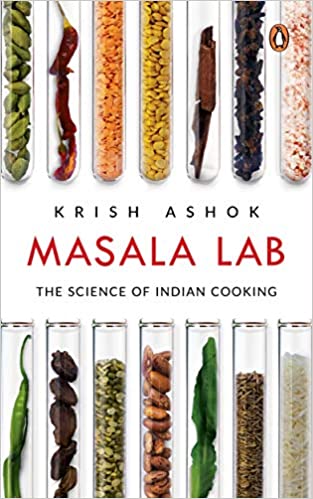
Masala Lab by Krish Ashok
Krish Ashok’s "Masala Lab" represents a groundbreaking step in applying scientific inquiry to regional cuisines, specifically Indian cooking. The author, an electronic and software engineer, brings a precise, analytical mind to the intricacies of traditional Indian culinary practices. This focus on a specific, rich culinary tradition, viewed through a scientific lens, is particularly exciting for the global food science community, which has often been dominated by Western culinary examples.
Ashok’s work aims to demystify techniques and ingredients unique to Indian cooking, explaining the "why" behind traditional methods such as tempering spices, making curries, or preparing dough. By breaking down these processes into their scientific components, the book not only enhances understanding but also empowers cooks to innovate and troubleshoot with greater confidence. The blog expresses an eagerness to acquire a copy, despite its apparent limited availability primarily through Amazon India, underscoring the demand for such specialized scientific treatments of diverse food cultures. "Masala Lab" signifies a crucial expansion of the food science genre, demonstrating its universal applicability across all culinary landscapes.
150 Food Science Questions Answered: Cook Smarter, Cook Better by Bryan Le
For those new to the scientific approach in the kitchen or seeking quick, authoritative answers, Bryan Le’s "150 Food Science Questions Answered: Cook Smarter, Cook Better" serves as an excellent resource. Structured in an accessible Q&A format, the book categorizes its content into essential areas: cooking basics, flavor fundamentals, main ingredient groups (e.g., proteins, carbohydrates, fats), and a crucial final chapter on food safety and storage.
This book is designed to be a practical, on-hand reference for everyday culinary queries, addressing common misconceptions and providing scientific explanations for best practices. Whether a reader wants to understand why searing meat creates a crust, the role of acid in cooking, or optimal food storage conditions, Le provides clear, concise, and scientifically accurate answers. Its browse-friendly format encourages exploration, ensuring that even a casual flip-through can lead to intriguing discoveries and a more informed approach to cooking. It acts as an ideal entry point for cultivating a scientific mindset in the kitchen.
Introduction to Food Science for Kids!: A Kitchen-Based Workbook by Dale W Cox
Dale W. Cox’s "Introduction to Food Science for Kids!: A Kitchen-Based Workbook" highlights the growing recognition of the kitchen as an ideal informal laboratory for STEM education. The title itself succinctly encapsulates its purpose: to introduce children to fundamental chemical and physical concepts through engaging, hands-on culinary experiments.
By transforming everyday cooking tasks into scientific explorations, the workbook aims to foster curiosity and critical thinking from a young age. Children can learn about states of matter by freezing liquids, understand emulsions by making mayonnaise, or explore chemical reactions through baking soda experiments. This approach not only makes science tangible and fun but also instills valuable life skills related to cooking and nutrition. "Introduction to Food Science for Kids!" represents an important contribution to educational literature, demonstrating how the universal appeal of food can be harnessed to inspire future scientists and informed eaters.
Broader Implications and the Future of Culinary Science
The re-emergence of Khymos and its meticulously curated list of 2020 food science books underscores several important trends in the culinary world. Firstly, it reaffirms the sustained and expanding interest in the scientific dimensions of cooking, moving beyond fleeting trends to establish a durable field of study and popular literature. These books collectively demonstrate a commitment to demystifying complex processes, empowering both amateur and professional cooks with deeper understanding and greater control over their culinary outcomes.
Secondly, the diversity of the recommendations – spanning from comprehensive guides on flavor and smell to specialized explorations of regional cuisines and children’s workbooks – illustrates the broad applicability and accessibility of food science. It signifies a movement towards integrating scientific principles into every facet of cooking, from ingredient selection and preparation to presentation and consumption. The emphasis on metric units in several titles also points to a globalized, scientifically consistent approach to culinary education.
Finally, the return of Khymos itself serves as a reminder of the vital role that dedicated online platforms play in curating, analyzing, and disseminating specialized knowledge. In an age of information overload, trusted voices like Khymos provide invaluable guidance, helping enthusiasts navigate the ever-growing landscape of food science literature. As the boundaries between traditional cooking and scientific inquiry continue to blur, such resources become indispensable for fostering a more informed, innovative, and adventurous culinary future. The hiatus may have been long, but the return signals a renewed commitment to exploring the fascinating intersection of science and gastronomy.