
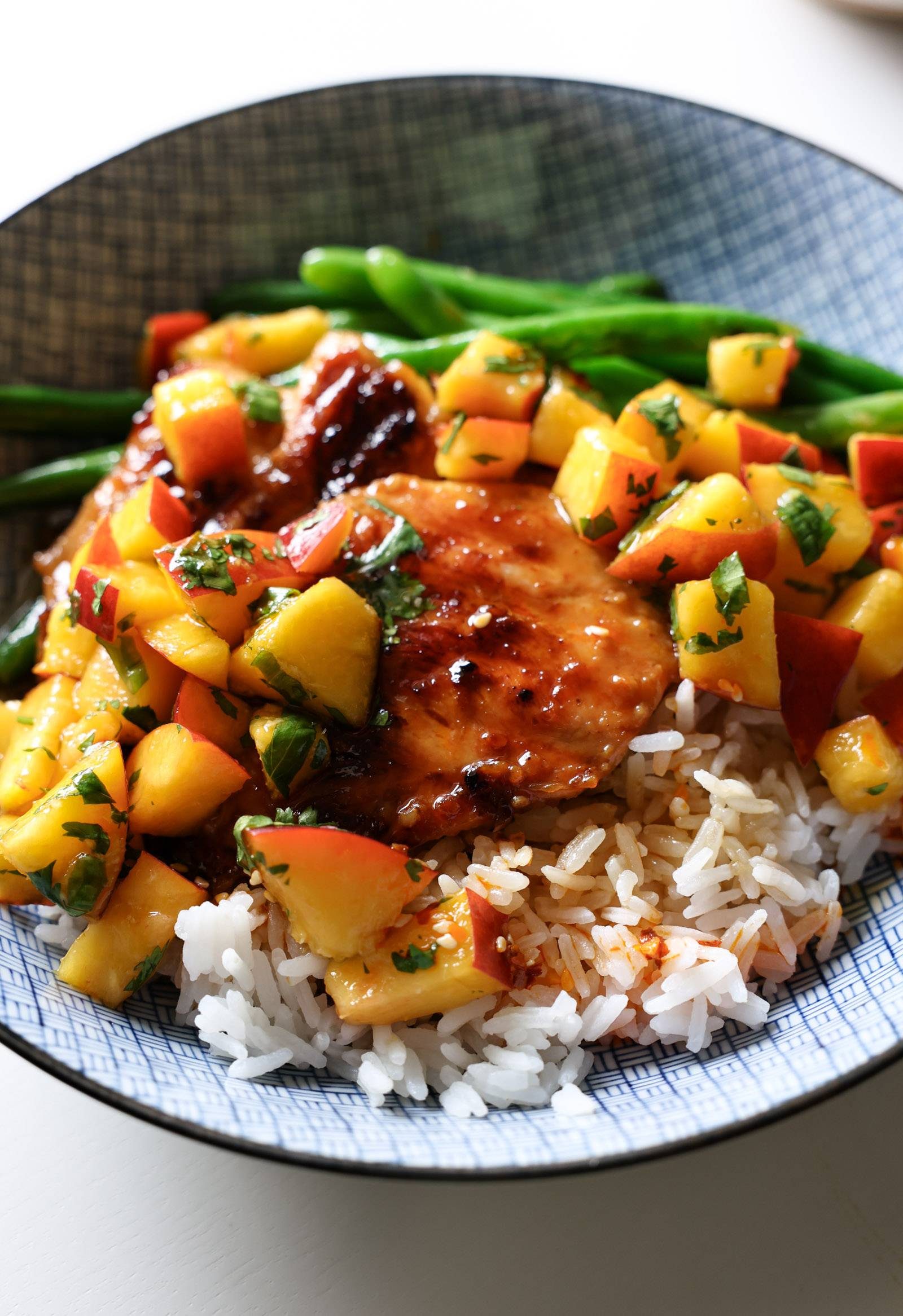
The intersection of late-summer agricultural abundance and contemporary home-cooking trends has birthed a distinct culinary approach: the "seasonal reset meal." As families transition from the unstructured, high-consumption eating habits typical of vacation seasons—often characterized by road-trip dining and outdoor festivities—there is a measurable shift toward nutrient-dense, ingredient-focused home cooking. Among the dishes gaining prominence in this category is the combination of teriyaki-glazed poultry paired with stone fruit, specifically peaches, and a savory sesame-based finish. This dish exemplifies a growing preference for balancing traditional umami profiles with the natural sweetness of peak-season produce.
The Evolution of Summer Culinary Transitions
Culinary analysts have noted that consumer behavior in late August often mirrors a broader societal push toward health-conscious consumption following the "YOLO" (You Only Live Once) lifestyle patterns associated with summer holidays. Data from food industry reports suggest that home cooks seek recipes that are relatively low-effort but high-impact, utilizing seasonal ingredients that are nearing the end of their harvest window.
Peaches, a staple of the late-summer harvest in the Northern Hemisphere, are increasingly being utilized in savory applications rather than traditional desserts. By pairing the acidity and sugar content of stone fruit with the salinity and depth of soy-based teriyaki sauces, chefs and home cooks alike are achieving a sophisticated flavor profile that satisfies the palate while maintaining a lighter caloric density compared to heavier winter comfort foods.

Chronology of Preparation and Implementation
The preparation of this specific culinary assembly follows a three-tiered chronological approach designed for efficiency:
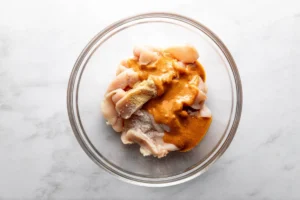
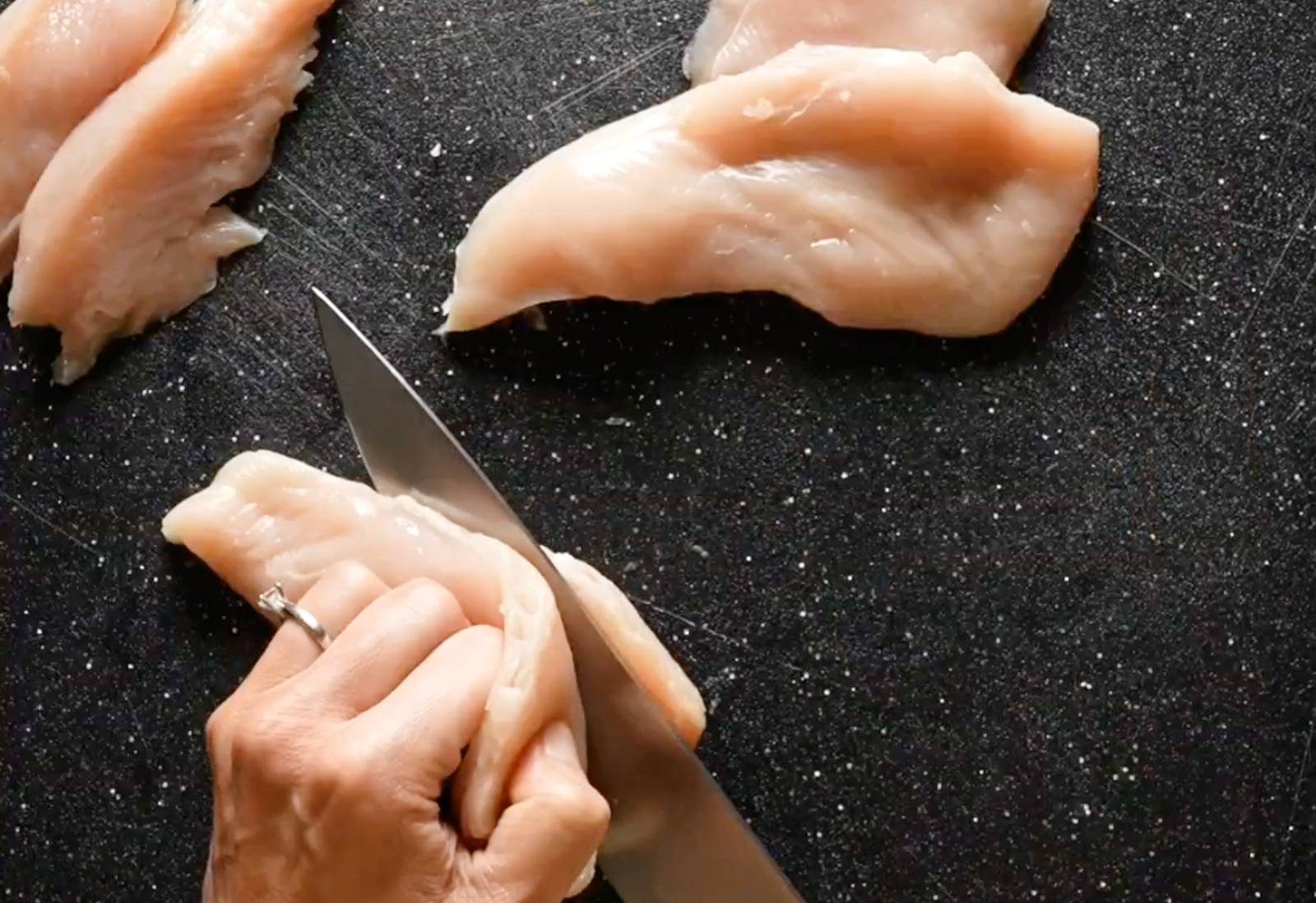
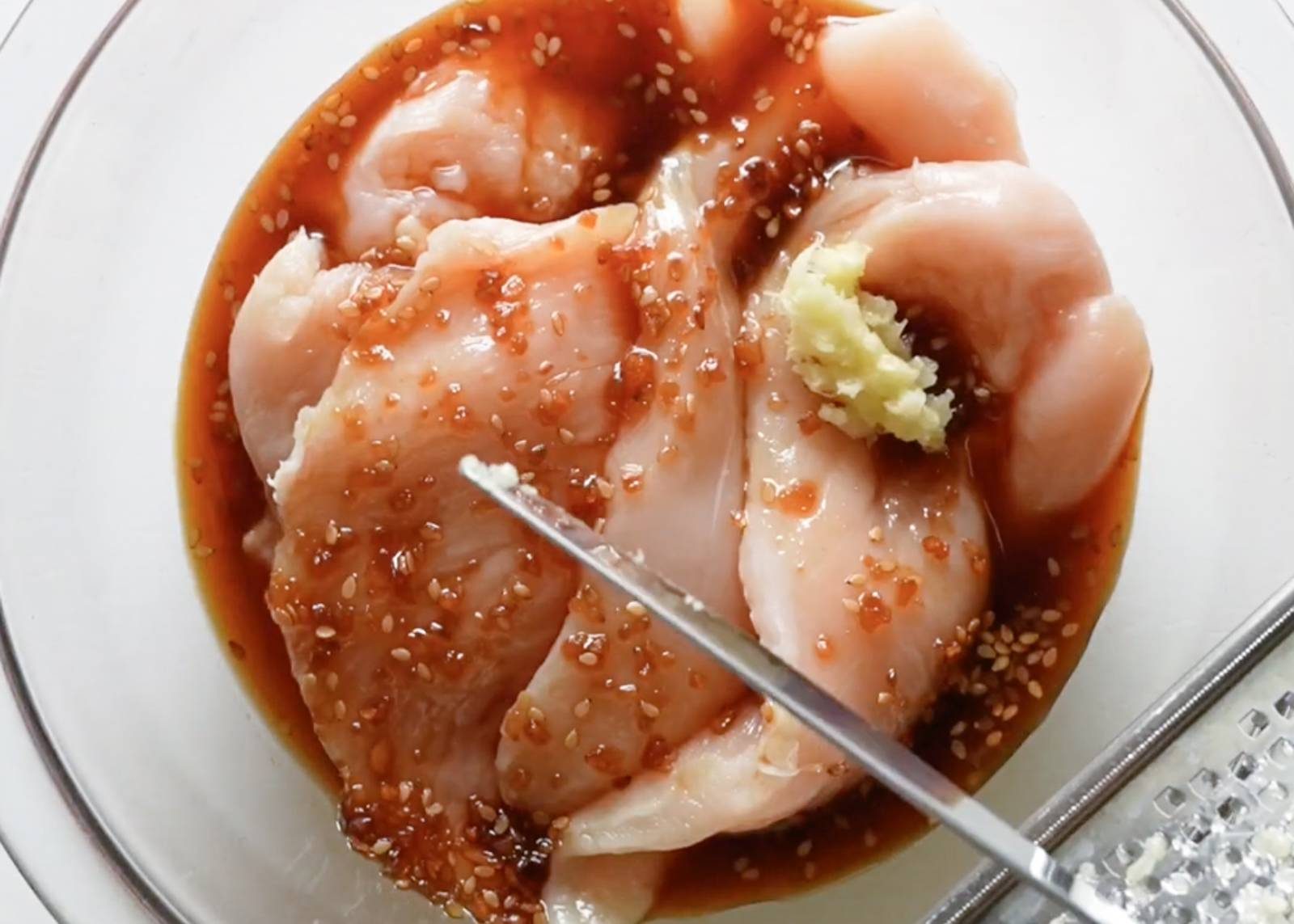
- Protein Marination and Heat Application: The process begins with the preparation of the teriyaki component. Whether the chicken is seared on a stovetop or subjected to the high-heat environment of an outdoor grill, the goal is to achieve a Maillard reaction on the surface of the protein while maintaining moisture retention.
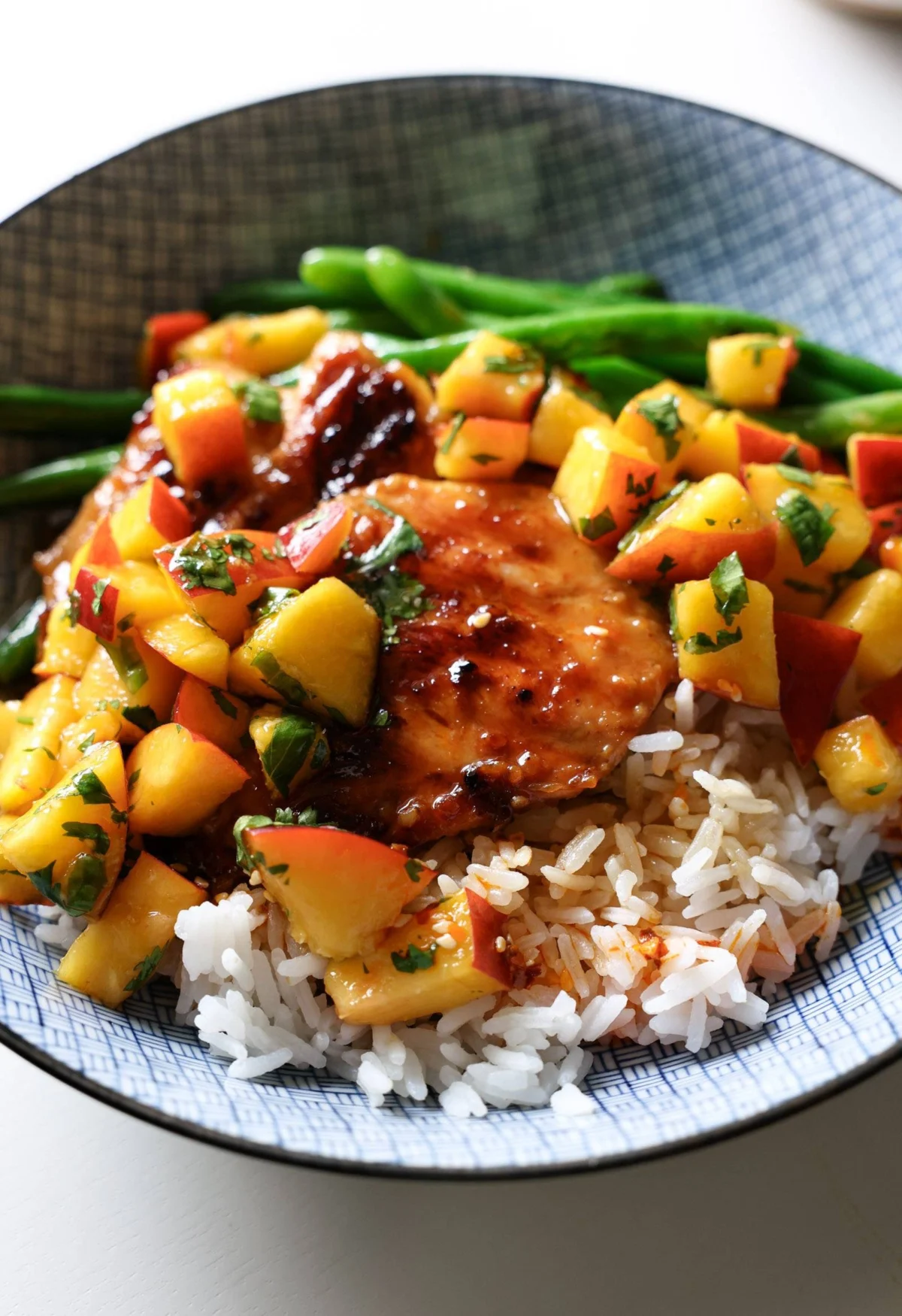
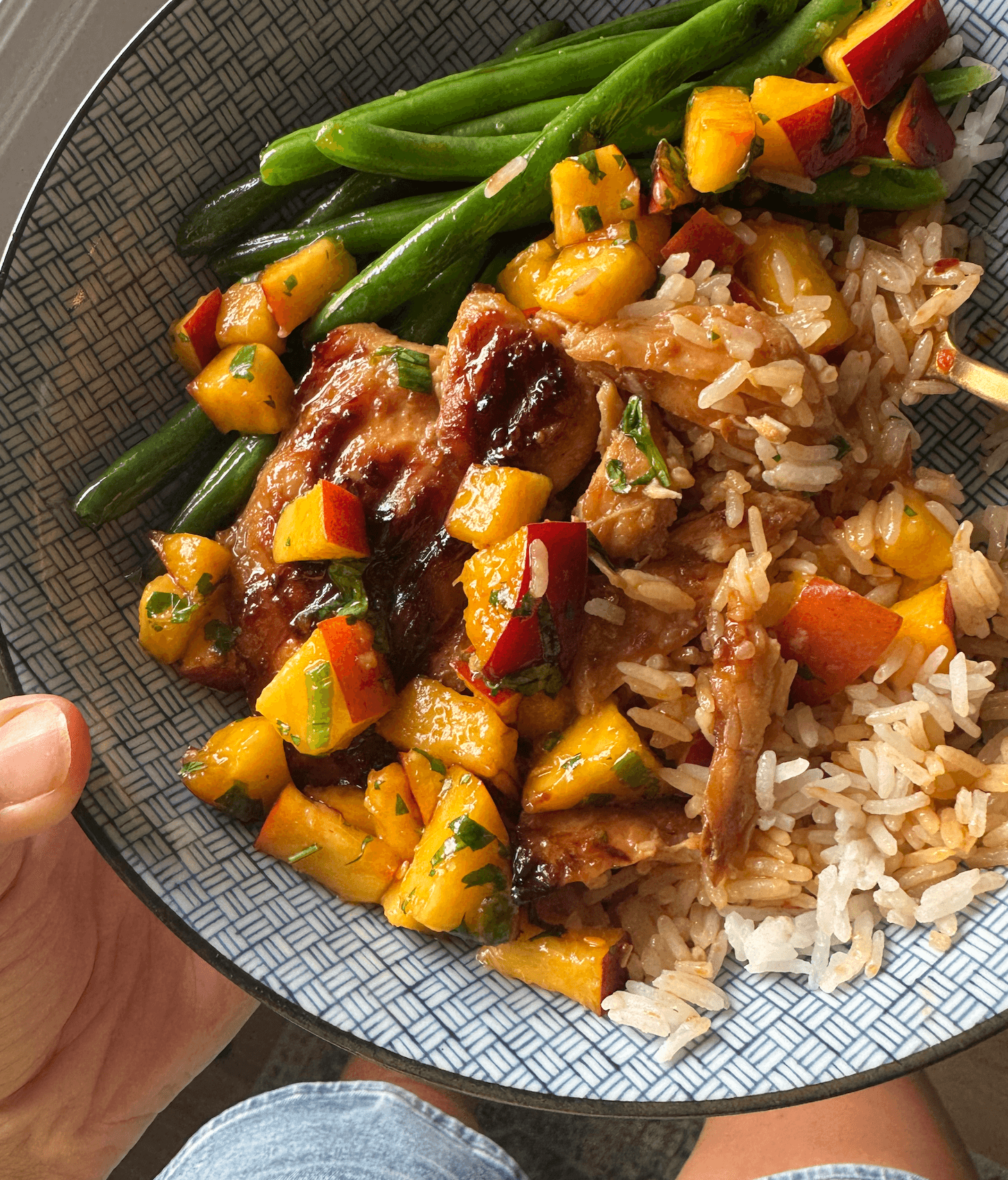
- Stone Fruit Integration: The secondary phase involves the preparation of ginger-infused peaches. The inclusion of ginger—a digestive aid and a flavor bridge—serves to cut through the richness of the teriyaki glaze. This step is typically performed during the resting period of the protein to ensure the peaches remain fresh and retain their structural integrity.
- The Sesame Drench Finish: The final, critical stage is the application of the sesame drench. This emulsion provides the necessary fats to carry the flavor across the palate, ensuring that the rice, chicken, and fruit components are harmonized into a single cohesive bite.
Nutritional and Economic Context
From a nutritional perspective, this meal offers a balanced profile of lean protein and complex carbohydrates, supported by the micronutrient content of fresh fruit. According to standard dietary guidelines, incorporating fresh, non-processed fruit into savory main courses is an effective strategy for increasing daily fiber and antioxidant intake.
Furthermore, the economic impact of such recipes is significant for local agriculture. By centering a recipe around seasonal stone fruits, home cooks support local farmers’ markets and regional distributors during the peak harvest period. This alignment of domestic habits with local supply chains reduces the carbon footprint associated with long-distance food transport and ensures that the produce is consumed at its peak nutritional value.
Culinary Methodology and Expert Perspectives
The methodology behind the "sesame drench" has been the subject of discussion among culinary professionals who emphasize the importance of fat-acid balance. When teriyaki sauce—which is inherently salty and sweet—is combined with the delicate sweetness of a peach, the palate can quickly become overwhelmed. The addition of a sesame-based emulsion, often containing toasted sesame oil, rice vinegar, and occasionally a hint of citrus or chili, acts as a stabilizer.

Food experts note that the success of this dish in both intimate family settings and larger group environments—such as family reunions—is due to its modular nature. The "plain" preparation of individual components allows for customization based on age-specific dietary preferences or restrictive diets, a feature that has contributed to its popularity as a social, family-style meal.
Broader Implications for Modern Home Dining
The rise of the "reset meal" signals a departure from the rigid meal planning of the early 2010s. Modern consumers are increasingly rejecting the binary of "dieting" versus "overindulgence." Instead, they are gravitating toward a flexible model where meals are chosen based on the body’s physiological needs at a given time.
This trend has significant implications for the food media industry. Content creators who provide recipes that focus on "resetting" the palate are seeing higher engagement rates during transitional periods of the year, such as the move from summer to autumn or the post-holiday period in January. The Teriyaki Chicken with Ginger Peaches serves as a case study in how a recipe can be marketed not just as a list of ingredients, but as a lifestyle tool to manage the ebbs and flows of daily life.
Supporting Data and Consumer Trends
Recent surveys on home-cooking habits indicate that approximately 62% of households look for ways to integrate "fresh" ingredients into their standard dinner rotation at least three times per week. When asked about the challenges of cooking during the summer months, the primary barriers cited by respondents were high temperatures (making the kitchen uncomfortable) and the desire for "lighter" meals.
This dish addresses both concerns:
- Thermal Management: The use of an outdoor grill for the chicken prevents the elevation of indoor temperatures, a critical factor during the final weeks of summer.
- Palate Refreshment: The inclusion of cold, fresh fruit (peaches) provides a cooling contrast to the hot protein, meeting the demand for a sensory experience that feels light and restorative.
Conclusion
The Teriyaki Chicken with Ginger Peaches and Sesame Drench is more than a simple recipe; it is a manifestation of contemporary eating patterns that prioritize seasonality, flexibility, and ingredient quality. As food culture continues to evolve, the ability to synthesize traditional cooking techniques—such as the Japanese art of teriyaki—with fresh, local produce will remain a cornerstone of effective home menu planning. By balancing the savory, the sweet, and the acidic, this meal provides a blueprint for what many consider to be the ideal transitional dinner: one that satisfies the immediate desire for flavor while respecting the need for a restorative, nutrient-forward diet. As the seasons shift, the focus on such "reset" meals is likely to continue to gain momentum, reinforcing the role of the home kitchen as a space for both physical and culinary equilibrium.