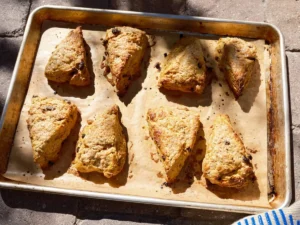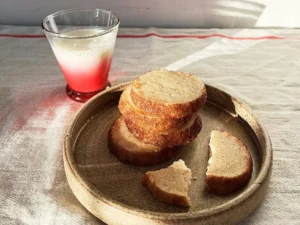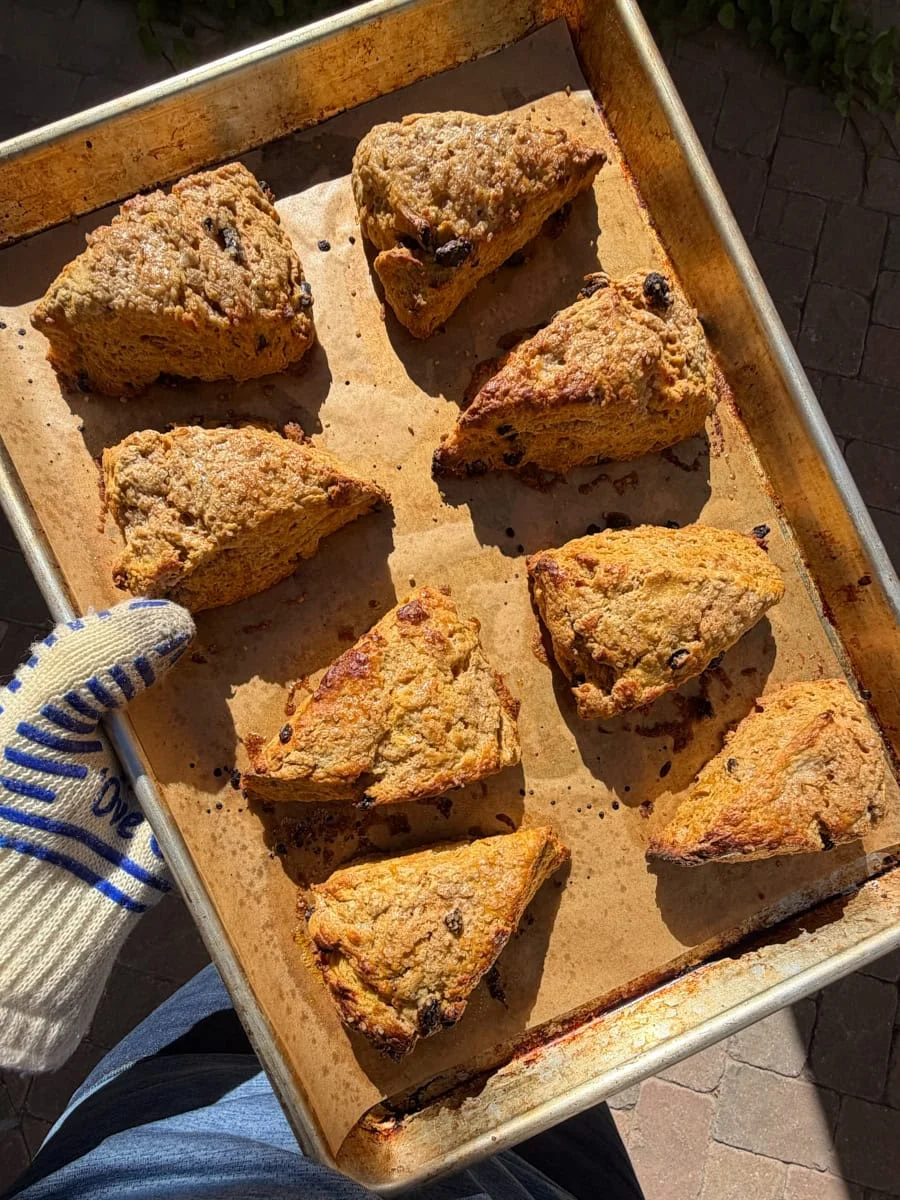

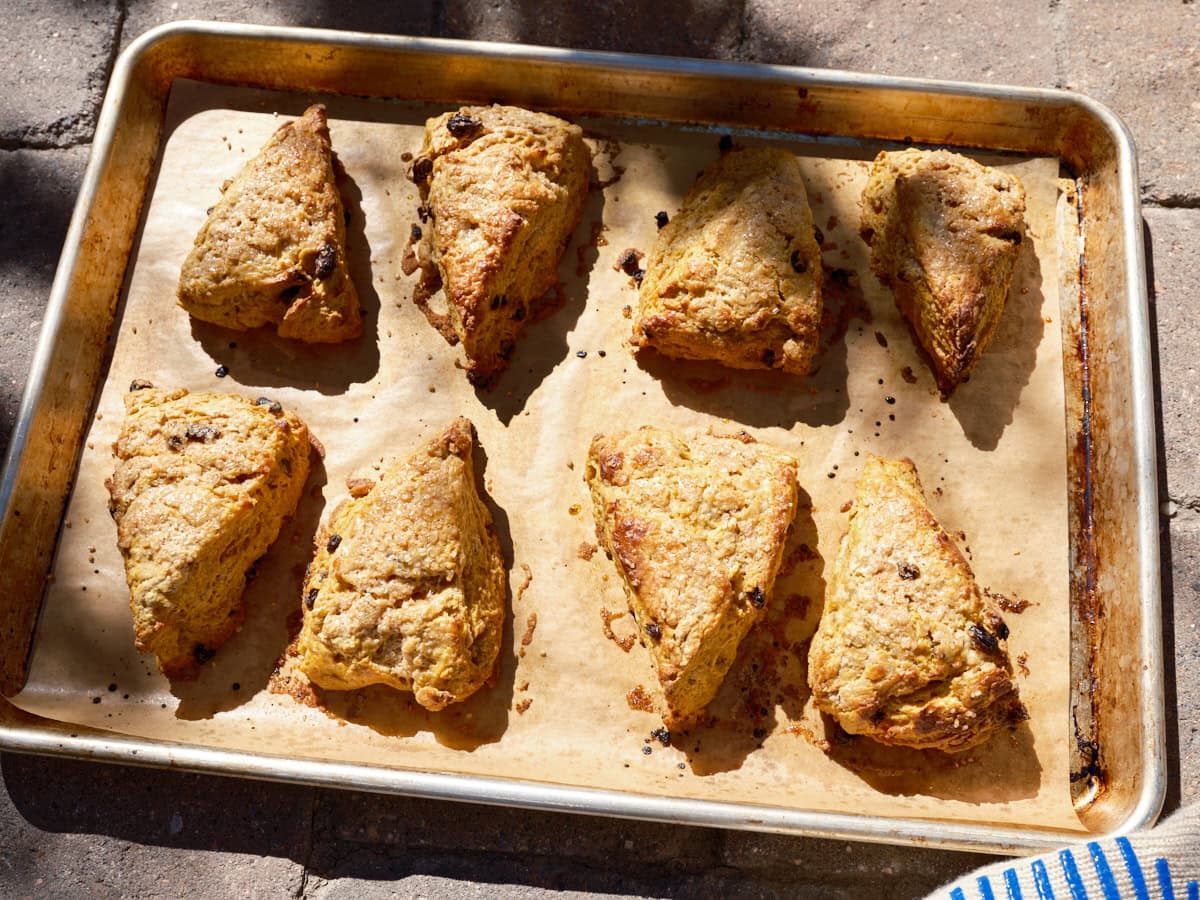
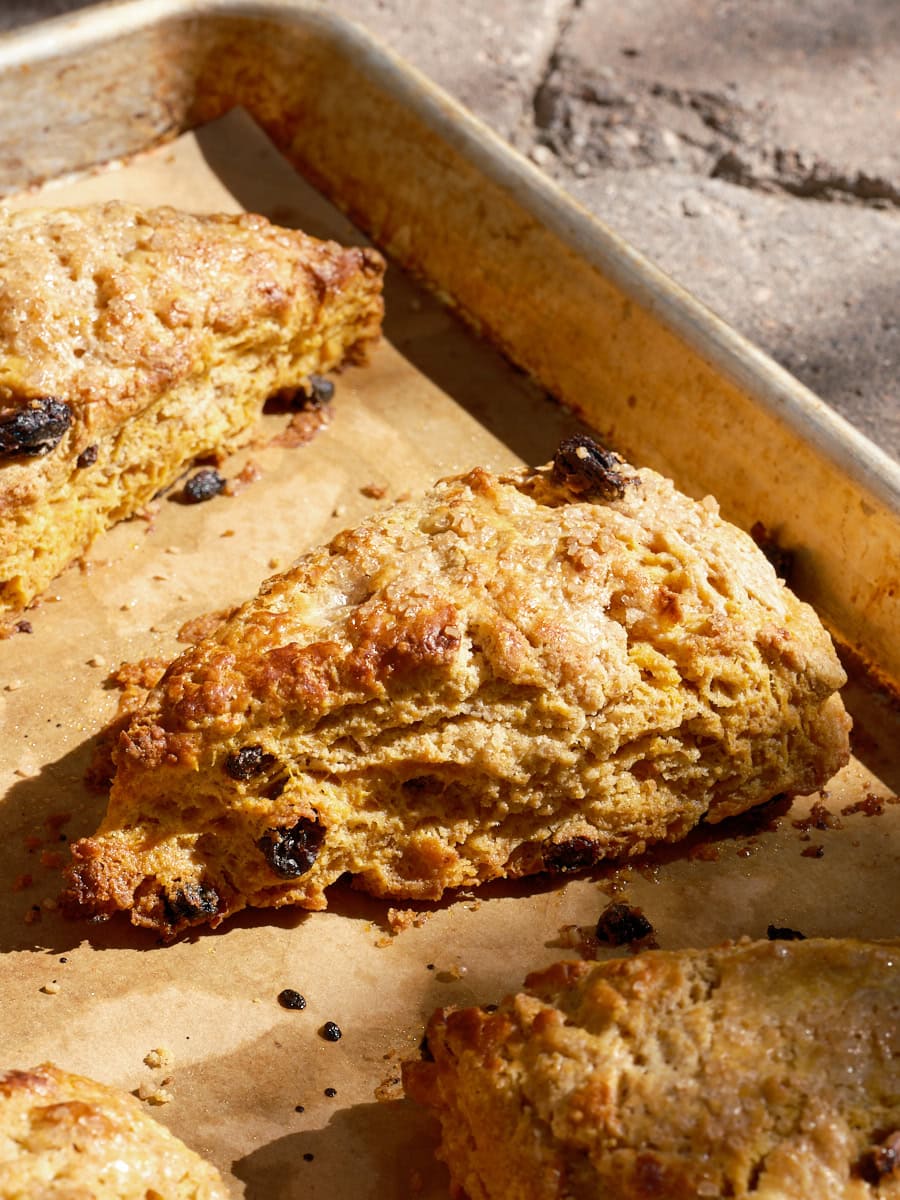
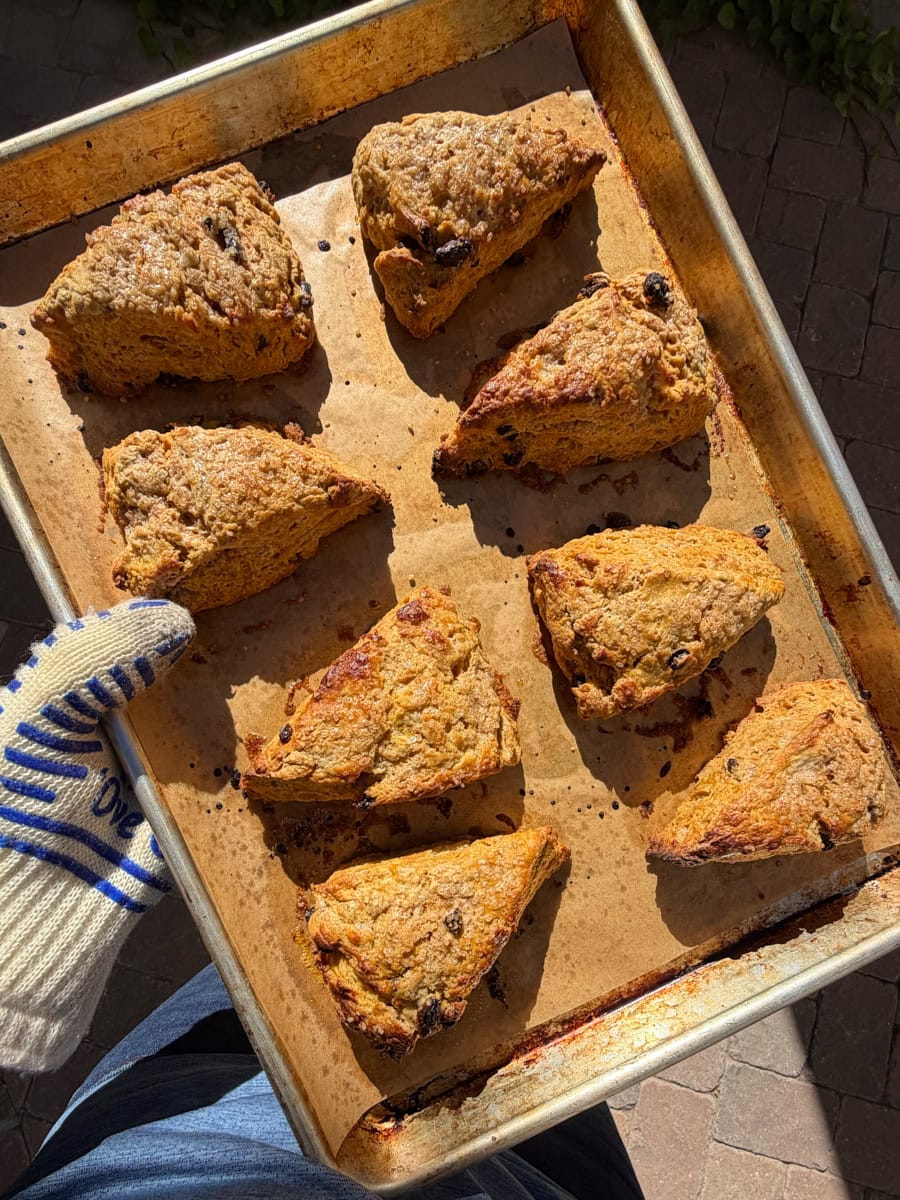
The ongoing pursuit of the perfect scone has led bakers on a quest for unique ingredients and techniques. This exploration has culminated in a distinctive sourdough pumpkin scone recipe that challenges conventional notions of this beloved baked good. The resulting creation offers a soft, tender interior encased in a craggy, sturdy crust, presenting a delightful duality that blurs the lines between scones and biscuits, ultimately leaning towards the former with its inherent sweetness. This article delves into the nuances of this recipe, examining the science behind its success, particularly for high-altitude bakers, and exploring the ingredient choices that contribute to its exceptional flavor and texture.
The High-Altitude Baking Challenge
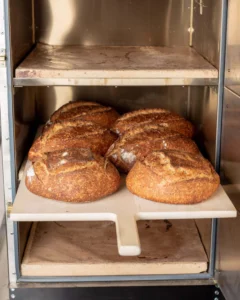
Baking at high altitudes, generally defined as elevations above 3,000 feet, presents a unique set of challenges for bakers. The reduced atmospheric pressure at higher elevations causes liquids to evaporate more quickly, leavening agents to act more vigorously, and gluten structures to weaken. For scones, this can translate to flatter, spread-out results rather than the desired tall, proud appearance. The author of this recipe highlights their personal experience in the high desert, emphasizing the critical role of specific techniques in achieving a superior rise in their sourdough pumpkin scones. This mirrors the adjustments required when baking sourdough bread at high altitudes, where small modifications can significantly impact the final loaf.
The principles of high-altitude baking are rooted in understanding how reduced pressure affects dough. Water boils at a lower temperature, meaning liquids in the batter will evaporate faster. This can lead to a drier dough and a quicker setting of the crust. Conversely, the increased expansion of gases from leavening agents like yeast or baking powder can cause baked goods to rise too quickly and then collapse. To counteract these effects, bakers often increase the liquid content, adjust leavening agents, and modify baking temperatures and times. In the context of these sourdough pumpkin scones, the author has identified specific methods to overcome these altitude-related hurdles, ensuring a desirable texture and height.
The Role of Einkorn Flour and Buttermilk
A key differentiator in this recipe is the use of einkorn flour. Einkorn, an ancient grain, possesses a distinct nutty flavor and a lower gluten content compared to modern wheat varieties. While this can contribute to a more tender crumb, it also makes the dough potentially more delicate. The author suggests that if einkorn is unavailable, any whole wheat flour can be substituted, with specific heritage wheats like Red Fife, Butler’s Gold, or Marquis being particularly recommended for their earthy notes that complement the pumpkin. This earthy quality of whole-grain flour is crucial in balancing the inherent sweetness of pumpkin, adding a rustic complexity to the scones.
The recipe also places significant emphasis on the use of buttermilk. While buttermilk contains less fat than heavy cream, its acidity is paramount to achieving the desired texture. The low pH of buttermilk reacts with the sourdough starter, promoting a more relaxed and extensible gluten network. This is particularly beneficial for whole-grain flours like einkorn, which can have a more fragile gluten structure. The acidic nature of buttermilk not only tenderizes the crumb but also creates a delightful tang that harmonizes with the fermented notes of the sourdough discard and the natural sweetness of pumpkin. This contrasts with recipes that rely on heavy cream, where high fat content coats flour particles, leading to distinct layers formed by the melting fat during baking. Both approaches yield tender results, but the buttermilk method offers a unique flavor profile and textural experience.
Achieving Height: The Convection Oven Advantage
Another critical element for achieving tall scones, especially at higher altitudes, is the baking method. The author advocates for the use of a convection oven. The intense, even heat generated by convection baking quickly forms a crust on the exterior of the scones. This rapid crust formation effectively "sets" the dough, preventing it from spreading outwards and encouraging vertical rise. This is a common strategy in baking to achieve a more structured final product.
For those without a convection oven, a workaround is suggested: increasing the baking temperature by approximately 25°F for the initial minutes of baking. This can help to mimic the rapid heat circulation of a convection oven, promoting a similar crust-setting effect and thus contributing to taller scones. This technique underscores the importance of understanding heat transfer in baking and adapting methods to available equipment.
Sourdough Starter Discard: A Flavorful Foundation
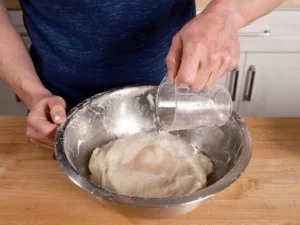
The incorporation of sourdough starter discard is a testament to the growing trend of utilizing all parts of the sourdough process. Sourdough discard, the portion of starter removed before feeding, is rich in fermented flavor and can contribute to both the texture and taste of baked goods. In these pumpkin scones, the discard adds a subtle tang and depth that complements the sweetness of the pumpkin and the warmth of the spices. This approach not only reduces waste but also adds a layer of complexity that is difficult to achieve with commercial leaveners alone. The fermentation process in sourdough also contributes to a tender crumb, working in synergy with the buttermilk to create a desirable texture.
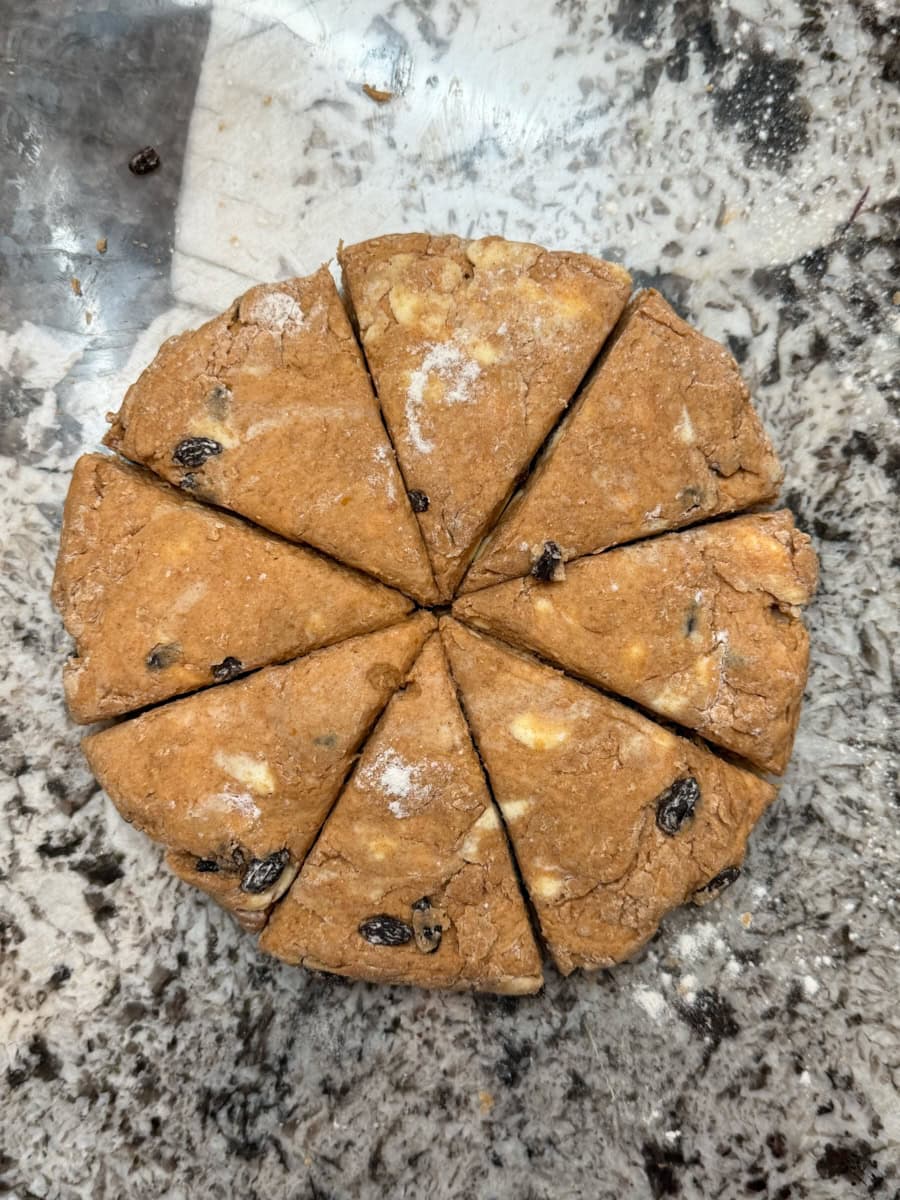
Ingredient Substitutions and Variations
The recipe thoughtfully addresses potential ingredient limitations and offers creative substitutions. For those without einkorn, whole wheat flour is a direct substitute. The suggestion of specific heritage wheats indicates a nuanced understanding of flour characteristics and their impact on flavor. Similarly, for pumpkin puree, alternatives like sweet potato or butternut squash puree are recommended, maintaining the autumnal flavor profile. For those who prefer not to use raisins, dried cranberries or even fresh blueberries are proposed as appealing alternatives, showcasing the versatility of the base recipe.
The FAQs section further clarifies common queries, providing practical advice for home bakers. The substitution for buttermilk using milk and vinegar or lemon juice is a well-established technique for replicating its acidity. The mention of kefir as another alternative highlights the adaptability of the recipe to commonly available fermented dairy products. These detailed notes and FAQs demonstrate a commitment to empowering bakers of all levels to successfully recreate the recipe.
The Broader Impact: Sourdough and Seasonal Baking
The rise of sourdough baking has extended beyond artisanal bread, influencing a wide array of baked goods. This sourdough pumpkin scone recipe exemplifies how the principles of wild fermentation can be applied to create more flavorful and texturally interesting pastries. The integration of seasonal ingredients like pumpkin further enhances the appeal, tapping into a cultural appreciation for autumnal flavors.
The implications of this recipe extend to the growing movement of mindful and resourceful cooking. By utilizing sourdough discard, bakers are encouraged to minimize waste and embrace a more holistic approach to their culinary endeavors. Furthermore, the emphasis on achieving successful results at high altitudes offers valuable insights for a significant portion of the baking community. This recipe is not just about creating delicious scones; it’s about understanding the science of baking, adapting to environmental factors, and celebrating the seasonal bounty.
The development of such recipes often involves iterative refinement. The author’s mention of developing this recipe over "several years" with assistance from Michele underscores the collaborative and experimental nature of culinary innovation. Such dedication to perfecting a recipe highlights the passion and expertise that goes into creating baked goods that are both delicious and technically sound. The success of these sourdough pumpkin scones lies in this meticulous attention to detail, from ingredient selection to baking technique, all aimed at achieving a superior final product. The final product, described as tall, craggy, tender, and bursting with flavor, stands as a testament to this commitment.