
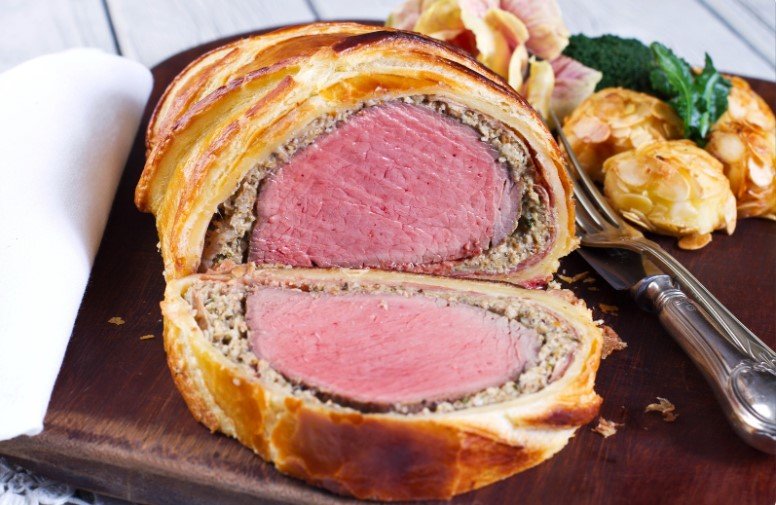
Crafting a Beef Wellington is no small feat. It represents a pinnacle of culinary ambition, a dish that demands precision, patience, and a commitment to exceptional flavor. For those who have navigated the intricate process of preparing this iconic entrée, the question of what to serve alongside it becomes paramount. The accompaniments must not only complement the rich, savory complexity of the Wellington but also elevate the entire dining experience without overshadowing the star of the show. This guide explores a curated selection of sauces and side dishes designed to harmonize with Beef Wellington, offering both classic pairings and inspired choices that promise to transform a meal into a memorable occasion.
The Quintessential Sauces: Enhancing Every Bite
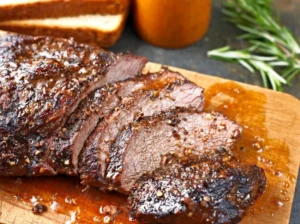
A perfectly cooked Beef Wellington, with its tender beef, earthy mushroom duxelles, and flaky pastry, deserves a sauce that can stand up to its richness. The ideal sauce should provide a counterpoint of flavor and texture, adding another layer of sophistication to the dish.
Red Wine Reduction Sauce: A Timeless Classic
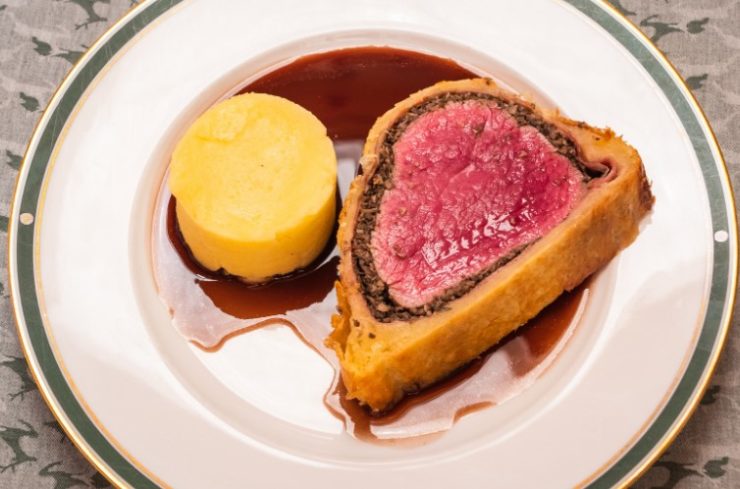
There are few pairings as inherently classic and universally admired as a rich red wine reduction sauce drizzled over a perfectly cooked Beef Wellington. This isn’t merely a suggestion; it’s a culinary decree, famously employed by esteemed chefs like Gordon Ramsay in his acclaimed restaurants. The rationale behind its enduring popularity lies in its profound ability to complement the inherent flavors of red meat. The reduction process concentrates the essence of the wine, creating a robust and complex base. Key ingredients such as garlic and thyme infuse the sauce with aromatic depth, while a touch of balsamic vinegar introduces a subtle tanginess that cuts through the richness of the beef and the earthy notes of the mushroom duxelles.
The beauty of a well-executed red wine reduction lies in its relative simplicity and speed. Many recipes can be prepared in under ten minutes, making it an ideal accompaniment to prepare while the Beef Wellington is resting before slicing. This allows the flavors to meld perfectly, ensuring that the sauce is ready to anoint the dish as soon as it’s presented. The deep, resonant flavors of the red wine, the subtle sweetness from a touch of shallots or garlic, and the herbaceous notes of thyme create a symphony of tastes that enhance, rather than compete with, the Wellington.
Data Point: Studies in culinary science have shown that the Maillard reaction, which occurs during the searing of the beef, and the reduction of wine, both contribute to the development of complex flavor compounds, including pyrazines and thiols, which are crucial for savory and umami profiles. The acidity from the wine and balsamic vinegar also aids in tenderizing the meat and balancing the overall richness of the dish.
Pro-Tip: For those occasions when a bottle of red wine is not readily available, or if a non-alcoholic option is preferred, a high-quality beef stock can serve as a suitable substitute. While it may alter the nuanced flavor profile slightly, it will still provide a savory foundation for the sauce.
Creamy Mushroom Sauce: A Harmonious Echo
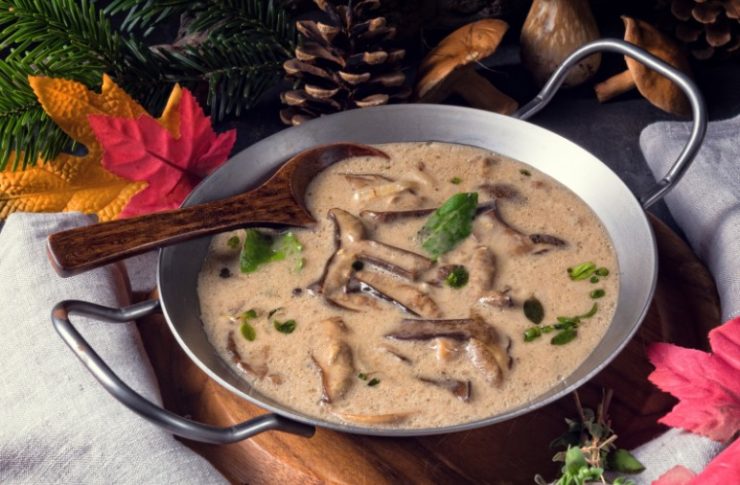
Given that Beef Wellington is traditionally encased in a layer of finely chopped mushrooms, known as duxelles, a creamy mushroom sauce offers a natural and harmonious extension of existing flavors. This sauce acts as a delicious echo, amplifying the earthy, umami-rich notes that are already integral to the Wellington. Its creation is often remarkably straightforward, requiring minimal ingredients and yielding a versatile accompaniment.
The inherent simplicity of a creamy mushroom sauce allows for considerable flexibility and personalization. Home cooks can readily enhance its flavor profile with readily available ingredients. A freshly minced clove of garlic can introduce a pungent warmth, while a splash of white wine from an opened bottle can add a delicate acidity and floral note. Furthermore, any leftover fresh herbs from the Wellington preparation, such as parsley or chives, can be finely chopped and incorporated, adding a burst of freshness and visual appeal.
The quick preparation time of this sauce is another significant advantage. It can be whipped up in mere minutes, ensuring that it’s ready to grace the Beef Wellington, elevating it to an even more luxurious culinary experience. The creamy texture coats the palate beautifully, binding the diverse elements of the Wellington into a cohesive and satisfying whole.
Analysis: The synergy between the mushroom duxelles within the Wellington and a dedicated mushroom sauce creates a depth of flavor that is both comforting and sophisticated. This layered approach to a single flavor profile demonstrates a fundamental principle of fine dining: building complexity through thoughtful repetition and enhancement.
Pro-Tip: If soy sauce is not on hand, a small amount of balsamic vinegar can be used as a substitute to impart a similar depth and umami. Similarly, if fresh thyme is unavailable, almost any dried or fresh herbs can be used to add aromatic complexity to the sauce.

Decadent Peppercorn Sauce: A Bold Counterpoint
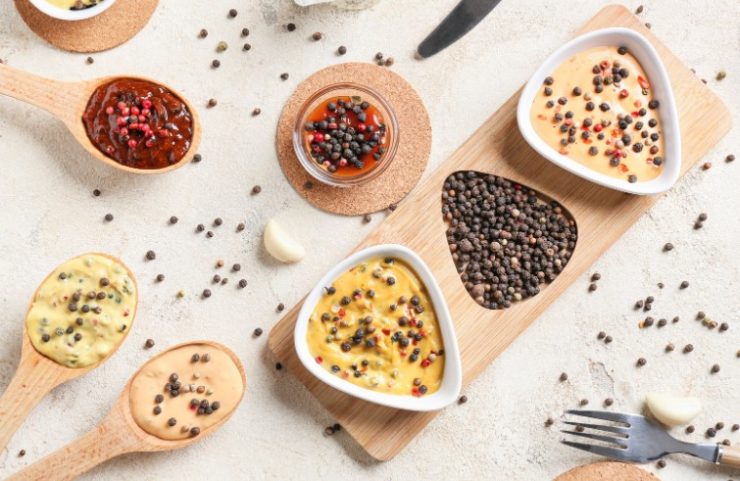
For those who appreciate a sauce with a bit more assertive character, a decadent peppercorn sauce offers a bold and luxurious counterpoint to the richness of Beef Wellington. This sauce is typically a rich emulsion of heavy cream, cracked peppercorns, beef stock, shallots, garlic, butter, and Worcestershire sauce. The combination results in a sauce that is so exquisitely flavorful and satisfying that it’s often described as being drinkable on its own.
The heavy cream serves a dual purpose: it mellows the pungent heat of the peppercorns, transforming them into a warm, aromatic spice, while also providing a luxurious, thick, and full-bodied texture. This substantial consistency ensures that the sauce can stand up to the robust flavors and varied textures of the Beef Wellington without becoming lost or diluted. It coats the palate with a velvety richness that is both comforting and undeniably indulgent.
While this peppercorn sauce is a triumph on its own, its pairing with Beef Wellington creates a dish that is truly over-the-top. The subtle heat from the peppercorns awakens the palate, making each bite of the rich beef and pastry even more enjoyable. The savory depth of the beef stock and the subtle umami from the Worcestershire sauce further enhance the overall flavor profile.
Data Point: The pungency of black peppercorns is primarily due to the compound piperine. When cooked, piperine undergoes chemical changes that can alter its perception, often becoming more aromatic and less sharply pungent, especially when balanced with dairy.
Pro-Tip: This rich peppercorn sauce is not only a perfect partner for Beef Wellington but also exceptionally well-suited to accompanying other dishes. Consider serving it alongside a side of French green beans, as both recipes utilize shallots. This allows for efficient preparation and a delightful interplay of flavors where the shallots in the beans and sauce complement each other. The sauce’s rich texture also makes it an ideal topping for the green beans, mirroring its decadent application on the Wellington.
Five Sides to Elevate Your Beef Wellington Experience
Beyond the sauce, carefully chosen side dishes play a crucial role in completing the Beef Wellington meal. The ideal sides should offer textural contrast, complementary flavors, and a touch of brightness to balance the richness of the main course.
Whole Grain Mustard Mashed Potatoes: A Tangy Tradition
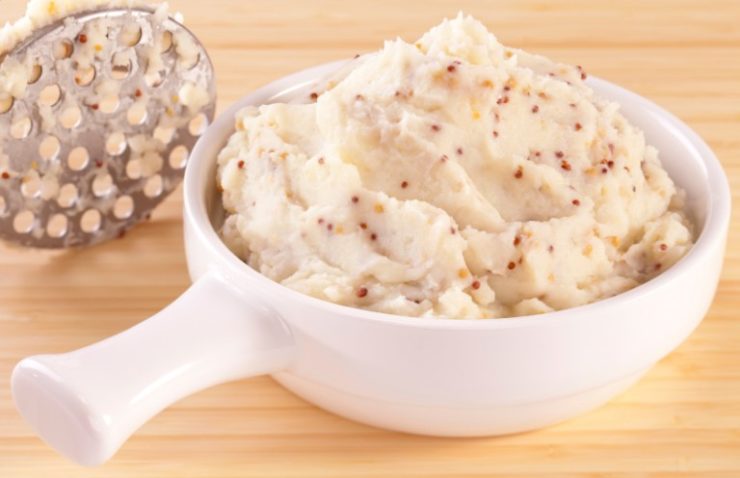
The inclusion of Dijon mustard is often considered one of the "not-so-secret" ingredients that contribute to the nuanced flavor of Beef Wellington. Therefore, whole grain mustard mashed potatoes serve as an exceptional way to carry this distinct mustard flavor forward, creating a cohesive and rounded dining experience. These mashed potatoes are designed for both speed and impact, utilizing simple ingredients to achieve a significant flavor payoff.
A key advantage of this recipe is its one-pot preparation method, which minimizes cleanup. Furthermore, the mashed potatoes can be prepared in advance, offering a significant time-saving benefit on the day of the meal. To serve, they can be gently reheated with a touch of butter and cream, ensuring a smooth, velvety texture and a warm, inviting presentation. Following a well-crafted recipe for these potatoes can lead to a side dish that becomes a staple accompaniment for Beef Wellington, potentially becoming a permanent fixture on your celebratory menus.
Analysis: The principle of flavor continuity is strongly evident here. By incorporating mustard into both the main dish and a key side, a sense of culinary harmony is achieved, making the meal feel intentionally composed and thoughtfully executed.
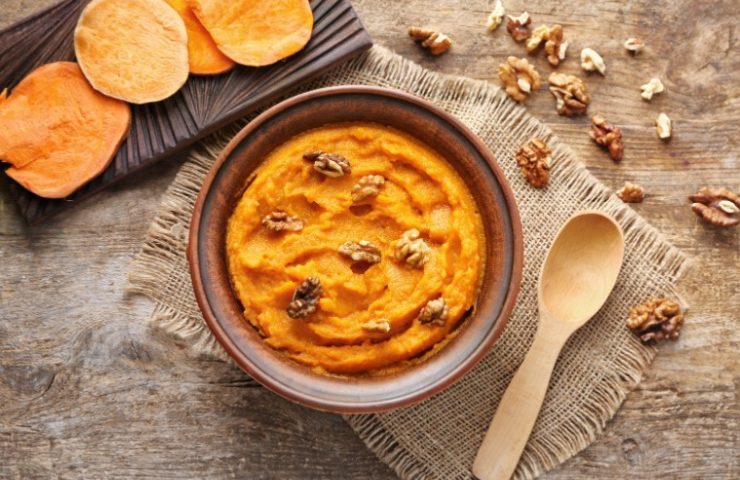
Roasted Garlic Mashed Sweet Potatoes & Carrots: A Savory Sweetness
While another mashed vegetable dish might seem repetitive, the satisfaction derived from smooth, creamy mashed vegetables generously coated in a rich sauce is unparalleled. This pairing is, quite simply, a match made in culinary heaven. This particular recipe offers a savory twist on mashed sweet potatoes, incorporating the mellow sweetness of roasted garlic and the vibrant smoothness of pureed carrots.
The resulting dish is both visually appealing and texturally delightful. The flavors are carefully balanced; they are distinct enough to be interesting but not so overpowering that they compete with the complexity of the Beef Wellington. Instead, they seamlessly integrate, creating a harmonious blend of tastes. This side dish strikes an ideal balance between being surprisingly impressive and refreshingly straightforward to prepare, making it an excellent choice for those seeking a sophisticated accompaniment without an excessive amount of extra effort.
Context: The use of sweet potatoes and carrots taps into a culinary tradition of balancing rich, savory dishes with the natural sweetness and vibrant colors of root vegetables. Roasting the garlic further deepens its flavor, adding a nutty complexity that complements the sweetness of the vegetables.
Baked Asparagus with Parmesan: A Bright and Crispy Contrast
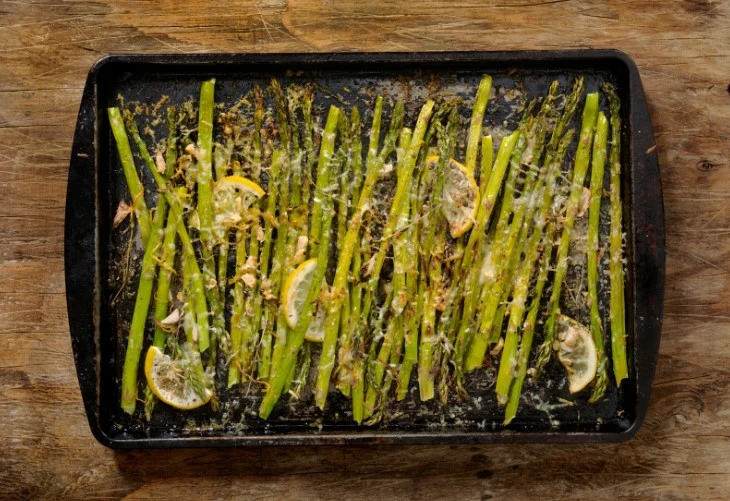
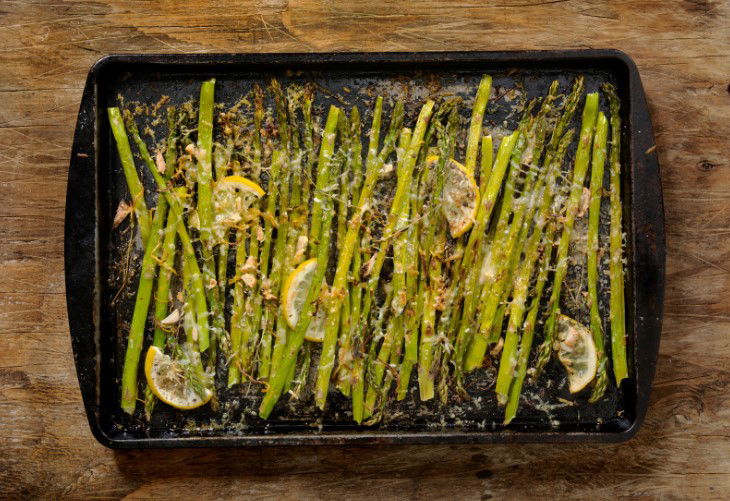
For a lighter, brighter, and more texturally varied option, Panko Parmesan Baked Asparagus is an excellent choice to complement a decadent Beef Wellington. This side dish offers a delightful contrast to the richness of the main course. Its preparation is also highly efficient, as it can often be cooked in the oven alongside the Beef Wellington during its final stages, streamlining the overall cooking process.
The inclusion of asparagus brings a welcome freshness and a slight crunch, introducing different textures to the plate and contributing to a more well-rounded meal. The acidic notes from lemon, often incorporated into this dish, play a crucial role in cutting through the inherent richness of the Beef Wellington. This bright acidity prevents the palate from becoming overwhelmed by the hearty flavors, ensuring that each bite remains as enjoyable as the first. The crispy Panko breadcrumbs and the savory Parmesan cheese add a delightful finishing touch, creating a side dish that is both satisfying and refreshing.
Data Point: Asparagus is rich in vitamins K and A, as well as folate. Its slightly bitter and vegetal notes are often perceived as refreshing and are known to pair well with fatty meats. The lemon juice used in its preparation adds citric acid, which can enhance the perception of other flavors and cleanse the palate.
Honey Balsamic Brussels Sprouts: A Sweet and Tangy Delight
Honey balsamic Brussels sprouts offer a complex flavor profile that is both tangy and sweet, with tender interiors and delightfully crispy, caramelized edges. This combination makes them an exceptionally well-suited accompaniment to Beef Wellington, as their flavor is not overly heavy, thereby harmonizing with the main course. The balance of sweet and acidic notes provides a pleasing counterpoint to the rich beef and pastry.
The temptation to consume these Brussels sprouts directly from the baking tray is a testament to their irresistible nature. The recipe for these sprouts, while delicious on its own, truly shines when paired with a robust dish like Beef Wellington. The sweet and tangy glaze clings beautifully to the roasted sprouts, creating a burst of flavor that complements the savory elements of the meal without being overpowering.
Analysis: The caramelization of the Brussels sprouts, achieved through roasting, develops complex sugars and a slightly nutty flavor that enhances their natural appeal. The balsamic vinegar provides the necessary acidity to cut through richness, while the honey adds a layer of sweetness that balances the tartness.
French Green Beans with Shallots: Simple Elegance
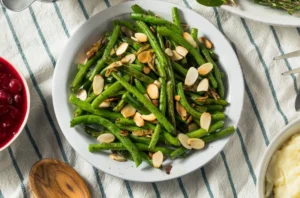
French green beans with shallots represent a dish of understated elegance, offering a simple yet sophisticated accompaniment to an indulgent Beef Wellington. The key to this preparation lies in a low and slow cooking method in olive oil. This technique gently mellows the flavor of the green beans, rendering them tender and almost pillowy, a delightful contrast to the firmer textures of the Wellington.
This side dish is particularly recommended for those who opt for the decadent peppercorn sauce mentioned earlier. The shallots used in both the green beans and the sauce create a beautiful flavor synergy, with each element playing off the other. Furthermore, the peppercorn sauce tastes just as exquisite atop the tender green beans as it does with the Wellington itself, demonstrating the versatility and thoughtful pairing of these components. Following a straightforward recipe for French green beans with shallots allows for their quick integration into the meal, ensuring that this elegant side can be enjoyed with your Beef Wellington in no time.
Timeline/Chronology: The preparation of Beef Wellington often involves multiple stages, including searing the beef, preparing the duxelles, wrapping in pastry, and baking. This can take several hours, depending on the specific recipe and the cook’s experience. The sauces and sides are typically prepared during the resting period of the Wellington or as it finishes baking, allowing for a cohesive and timely meal service.
Broader Impact and Implications: The selection of appropriate sauces and side dishes for a dish as celebrated as Beef Wellington has a significant impact on the overall dining experience. It demonstrates a chef’s or home cook’s understanding of flavor balance, textural contrast, and culinary harmony. These accompaniments are not mere afterthoughts but integral components that can elevate a dish from good to extraordinary, transforming a meal into a memorable event. The thoughtful pairing of these elements reflects a deeper appreciation for the art of cooking and the joy of sharing exceptional food.
Frequently Asked Questions
What’s a good side dish for Beef Wellington?
A good side dish for Beef Wellington should offer a balance of flavors and textures. Mashed or pureed vegetables, such as potatoes, sweet potatoes, or even carrots, provide a comforting base that can absorb the rich sauces. Bright, fresh vegetables like asparagus or green beans offer a textural contrast and a refreshing counterpoint to the richness. The key is to choose sides that complement, rather than compete with, the complex flavors of the Wellington.
How do you keep Beef Wellington from getting soggy?
Preventing a soggy Beef Wellington is crucial for achieving its signature flaky crust. Several factors contribute to this:
- Moisture Control in Duxelles: Ensure the mushroom duxelles are cooked thoroughly to remove as much excess moisture as possible. A dry duxelles mixture is paramount.
- Chilling the Beef: After searing and before wrapping, tie the beef securely and chill it thoroughly. This firms up the meat and helps prevent juices from seeping into the pastry prematurely.
- Moisture Barrier: Some recipes incorporate a thin layer of crêpe or prosciutto between the duxelles and the puff pastry. This acts as an additional barrier to prevent moisture transfer.
- Proper Pastry Handling: Ensure the puff pastry is cold and handled efficiently to prevent it from becoming warm and sticky, which can lead to a less crisp result.
- Baking Temperature: Baking at a sufficiently high temperature helps to quickly cook the pastry and set its structure, contributing to crispness.