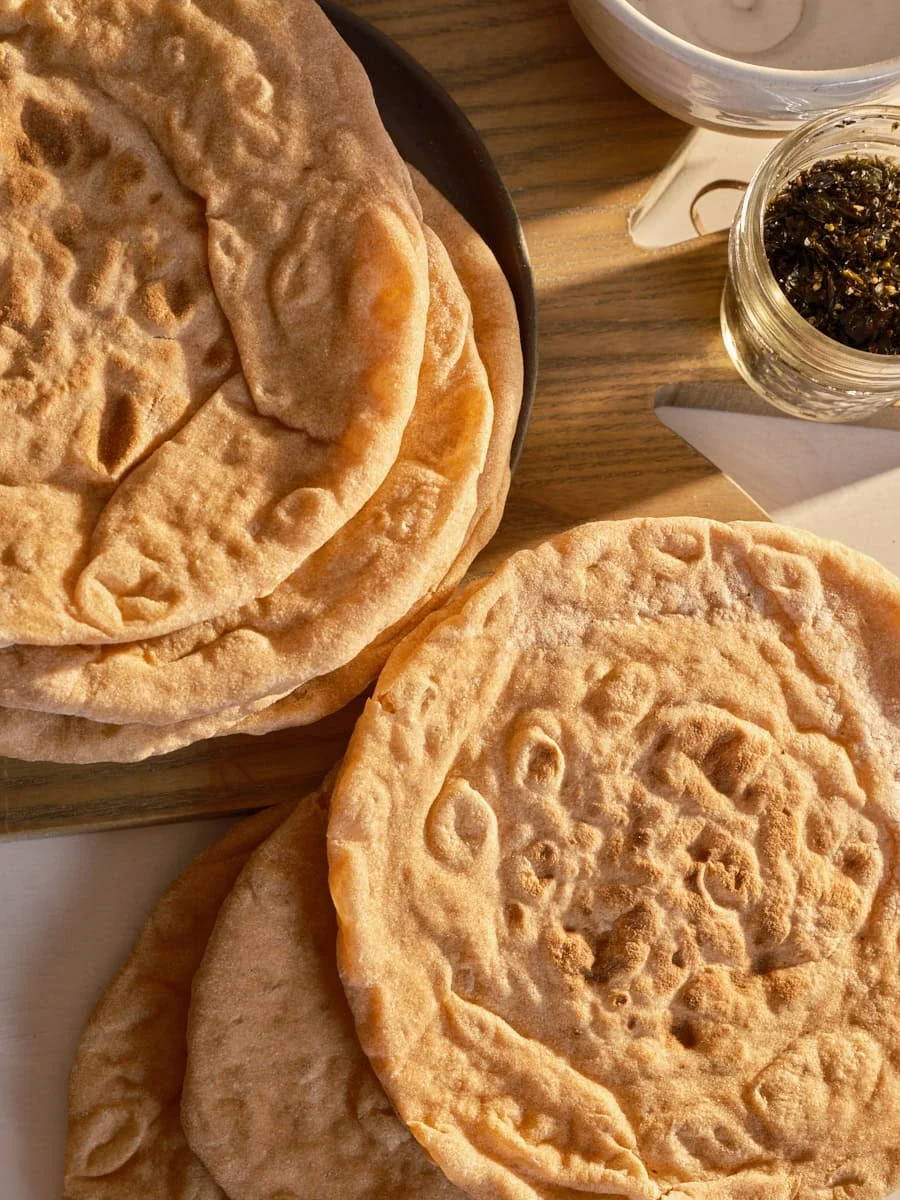

The quest for the perfect whole wheat sourdough pita has culminated in a recipe that is both a tribute to artisanal baking and a testament to the power of natural fermentation. This journey began with a memorable baking class at the Chimacum Valley Grainery in Washington, a collaboration between The Baker’s Corner members, baker Graison Gill, and the author. The class featured a hearty, soft, and subtly sweet whole-grain barley sourdough pita developed by Gill, an experience that has lingered in the author’s culinary consciousness. This article presents a refined take on that pita, inspired by the Pacific Northwest’s atmosphere, the unique qualities of a farm and mill, and the profound connections forged through shared baking endeavors.
This is not the author’s first foray into sourdough pita making. Previous iterations include a lighter, more ethereal version featured in their first cookbook and an unpublished recipe incorporating sweeteners and ancient grains. However, the current recipe aims for a distinct achievement: a fully whole-grain pita characterized by a supremely soft texture, a reliable, satisfying puff, and the complex flavor profile that arises from the harmonious marriage of sourdough fermentation and high-quality whole-grain flour. The author posits that the unique texture and depth of flavor of this particular pita set it apart, offering a satisfying and wholesome eating experience that validates the pursuit of this recipe.
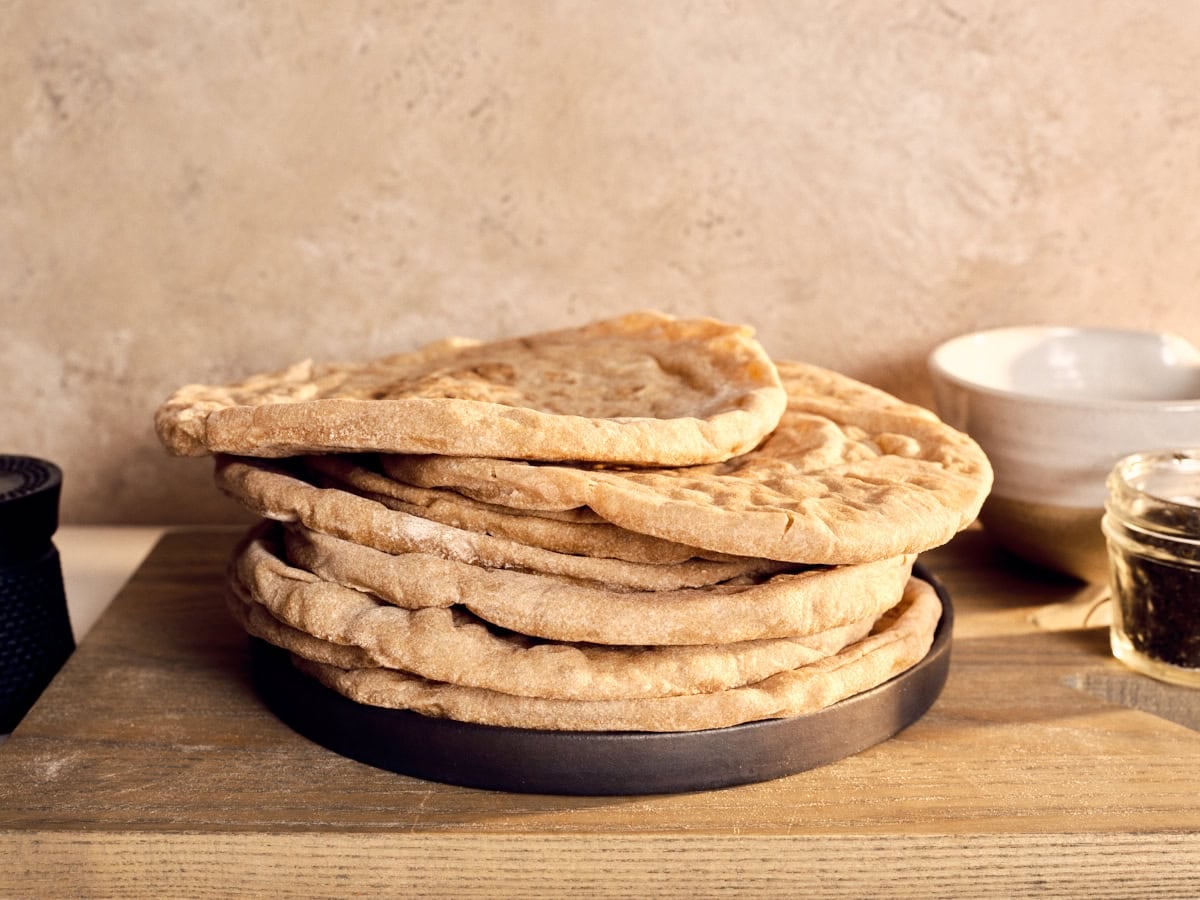
The Science Behind the Puff: Key Techniques for Sourdough Pita
Achieving the characteristic puff of pita bread is a culinary challenge that relies on several critical factors, all of which are addressed in this recipe. The video demonstration offers a visual guide to these techniques, highlighting the crucial step of rolling the dough to approximately 1/8-inch thickness. This precise thickness is vital for creating the steam pocket that causes the pita to inflate dramatically in the high heat of the oven.
Flour Selection: The Foundation of Flavor and Texture
The recipe predominantly calls for 100% whole wheat flour, with a specific recommendation for whole-grain bread flour from Chimacum Valley Grainery, celebrated for its quality. This choice ensures a robust flavor and a hearty texture. However, the recipe allows for flexibility, suggesting that up to 20% of the whole wheat can be substituted with other whole-grain flours, such as whole triticale or whole spelt. These substitutions can introduce nuanced flavors and textural variations, further personalizing the pita.
Baking Schedule: Efficiency Meets Nourishment
A key objective of this sourdough pita recipe is to provide a quick yet highly nourishing bread option, suitable for busy weekdays. While the recipe outlines an overnight levain preparation, it also offers the flexibility of using a ripe sourdough starter directly. This adjustment can condense the timeline, allowing for dough mixing in the morning and fresh pita ready for dinner.
Maintaining a controlled fermentation timeline is not only about convenience but also crucial for managing the overall sourness of the dough, especially when working with a high proportion of whole-grain flour. The result is a pita with a mild tang, yet a profound depth of flavor. For added convenience, the dough can undergo a bulk retardation in the refrigerator after an initial two-hour bulk fermentation, allowing for baking on a subsequent day.
Recipe Vitals and Total Formula
This recipe yields ten pita breads, each weighing approximately 120 grams. The overall dough weight is 1,320 grams, with prefermented flour accounting for 9.5% and the levain contributing 22.0% to the final dough. The hydration level stands at a significant 84.0%, which is essential for achieving the desired soft texture and reliable puff.
The recipe aims for a final dough temperature of 77-78°F (25-26°C), a critical factor for optimal sourdough fermentation. The total formula includes 699g of whole wheat flour, 14g of extra-virgin olive oil, 503g of water for the levain and initial mix, an additional 84g of water for the main mix, 14g of fine sea salt, and 7g of ripe 100% hydration sourdough starter.
The Method: A Step-by-Step Guide to Perfect Pita
The creation of these whole wheat sourdough pitas is a structured process, divided into distinct stages to ensure success at each step.
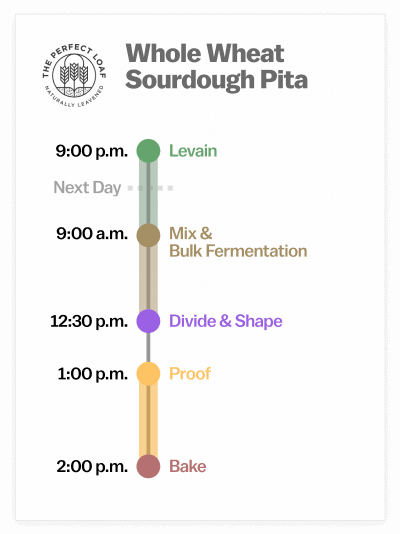
1. Levain Preparation (9:00 PM):
The process begins the evening before with the preparation of the levain. This involves mixing 66g of whole wheat flour, 66g of water, and 7g of ripe sourdough starter. This mixture is left to ripen overnight at a temperature of 74-76°F (23-24°C). Alternatively, a ripe sourdough starter can be used directly in the morning, though this may introduce a minuscule amount of white flour if the starter is not 100% whole wheat.
2. Dough Mixing (9:00 AM):
The main dough is mixed using a combination of whole wheat flour (632g), water (437g for Water 1 and 84g for Water 2), fine sea salt (14g), ripe levain (139g), and extra-virgin olive oil (14g). While an autolyse step is often recommended for whole-grain doughs to enhance water absorption, this recipe incorporates a brief rest during mixing as an efficient alternative.
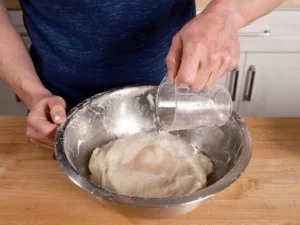
For mechanical mixing, a spiral mixer is utilized in phases to achieve a smooth and cohesive dough. Hand mixing involves combining flour, levain, salt, and Water 1, followed by kneading using slap-and-fold or bowl-folding techniques until the dough is smooth. A brief rest is followed by incorporating Water 2 and further kneading until the dough is cohesive.
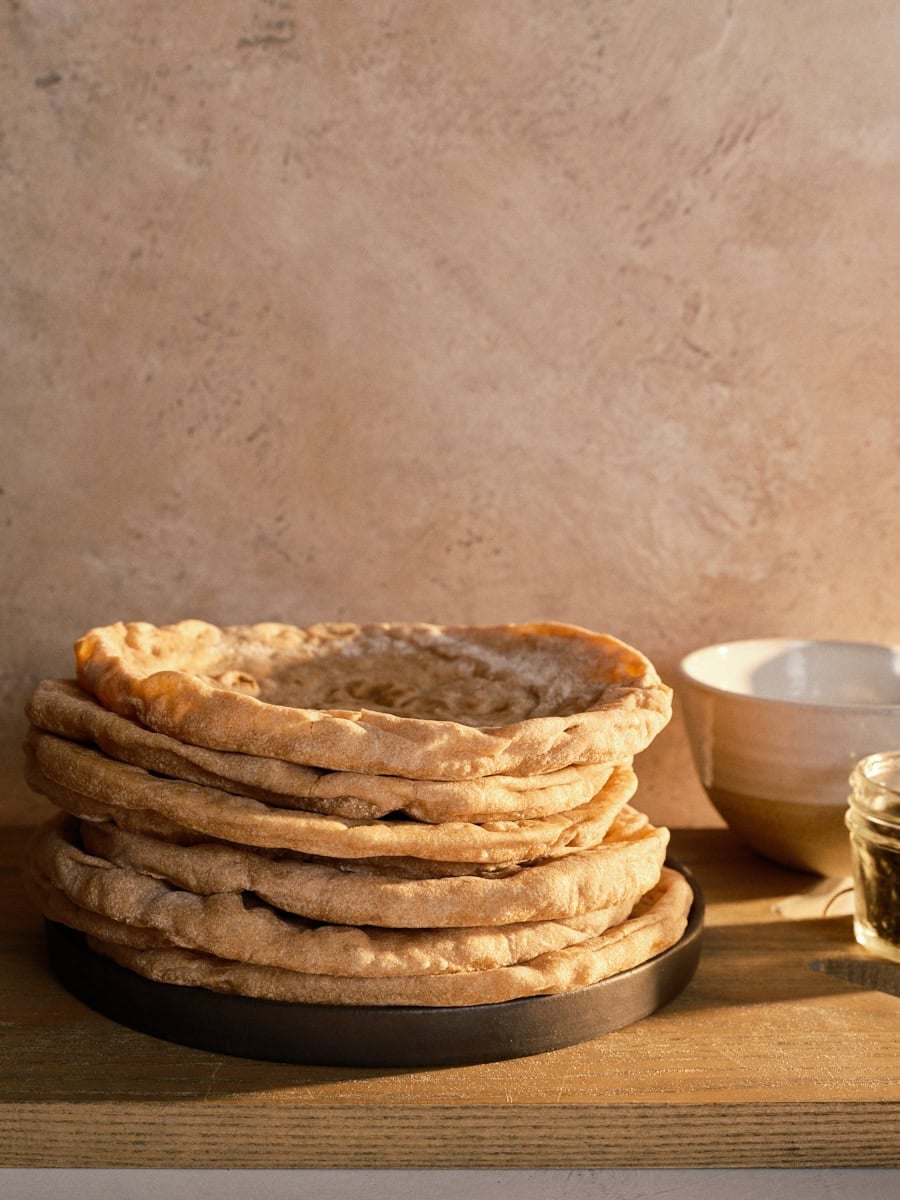
3. Bulk Fermentation (9:30 AM to 12:30 PM – 3 hours):
At a warm room temperature (74-76°F / 23-24°C), the bulk fermentation period lasts approximately three hours. This stage involves two sets of stretch-and-folds performed at 30-minute intervals. These folds are crucial for developing dough strength and structure. After the second set of folds, the dough is left to rest, covered, for the remainder of the bulk fermentation. The dough is considered ready when it appears puffy, has increased in volume by about 25%, and exhibits a smooth surface.
4. Divide and Shape (12:30 PM):
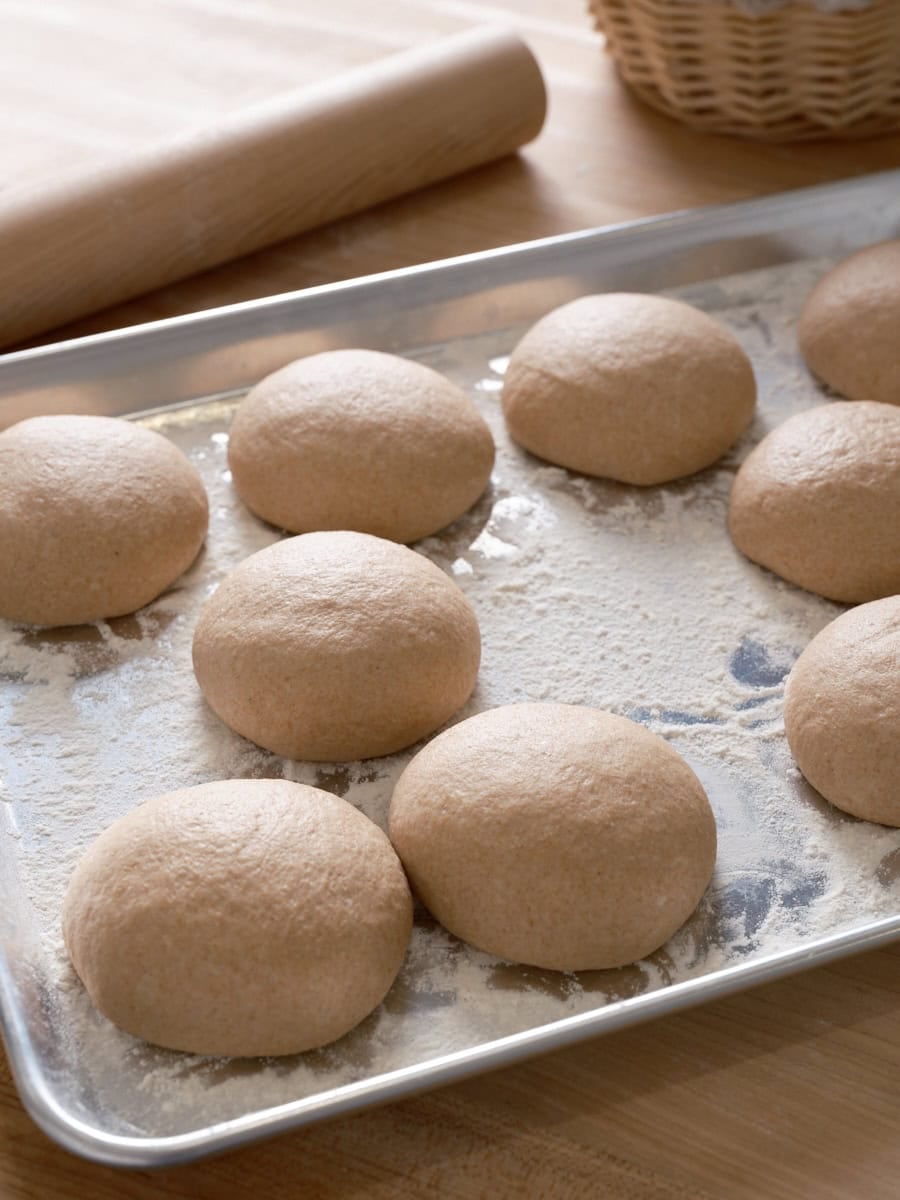
Once bulk fermentation is complete, the dough is gently turned out onto a lightly floured surface. It is then divided into ten equal portions of 120 grams each. Each portion is shaped into a tight ball by degasing, folding in the sides, and creating surface tension through gentle dragging on the work surface. The shaped balls are placed on a floured half sheet pan, ensuring adequate spacing.
5. Proofing (1:00 PM to 2:00 PM – 1 hour):
The shaped dough balls are covered and allowed to proof for one hour. Concurrently, the oven is preheated to 550°F (290°C), or its maximum setting, with a baking steel or stone placed on the middle rack. The high heat is essential for the rapid steam generation required for the pita to puff.
6. Baking (2:00 PM onwards):
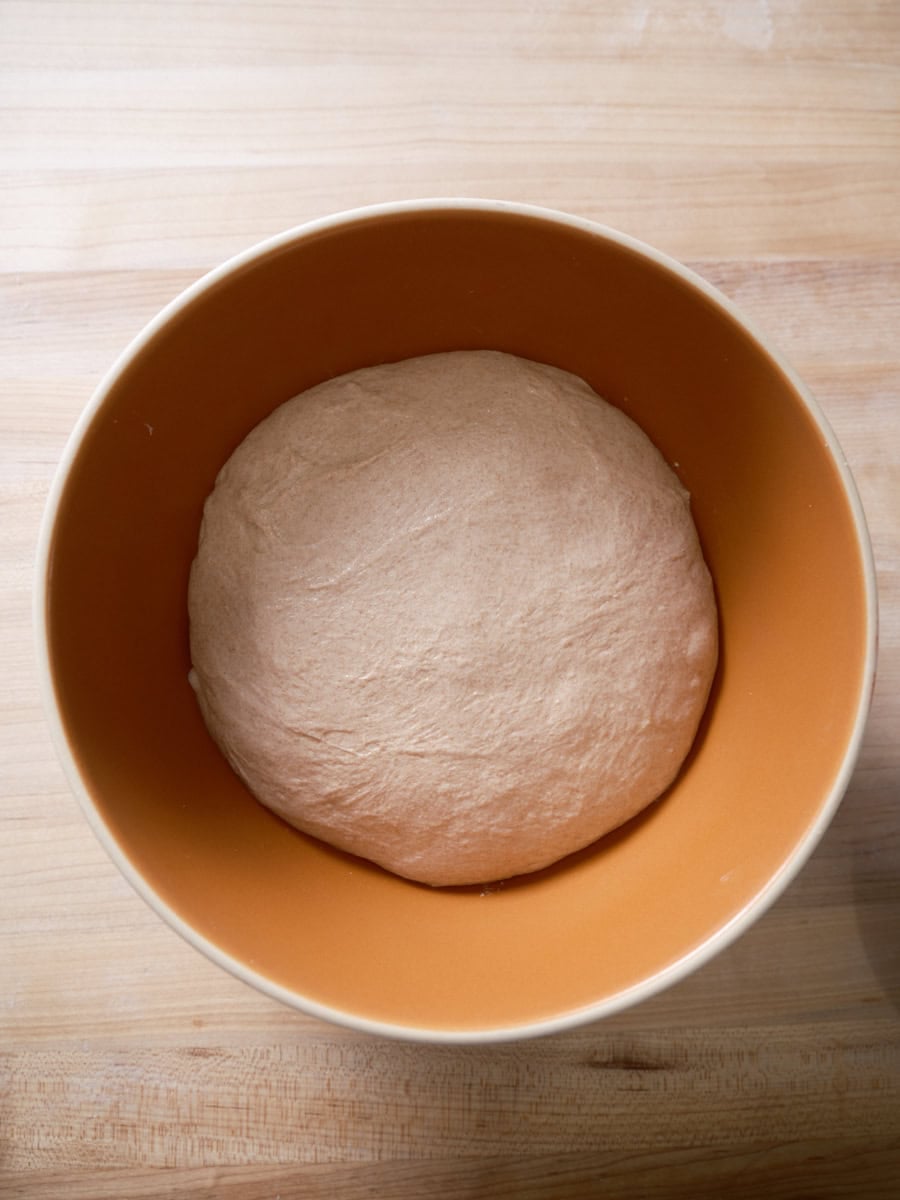
The dough is considered adequately proofed when it has increased in volume by approximately 30% and feels soft to the touch, passing a gentle poke test. Given the 100% whole wheat composition, baking at an earlier stage of proofing is advisable to prevent the dough from becoming too fragile.
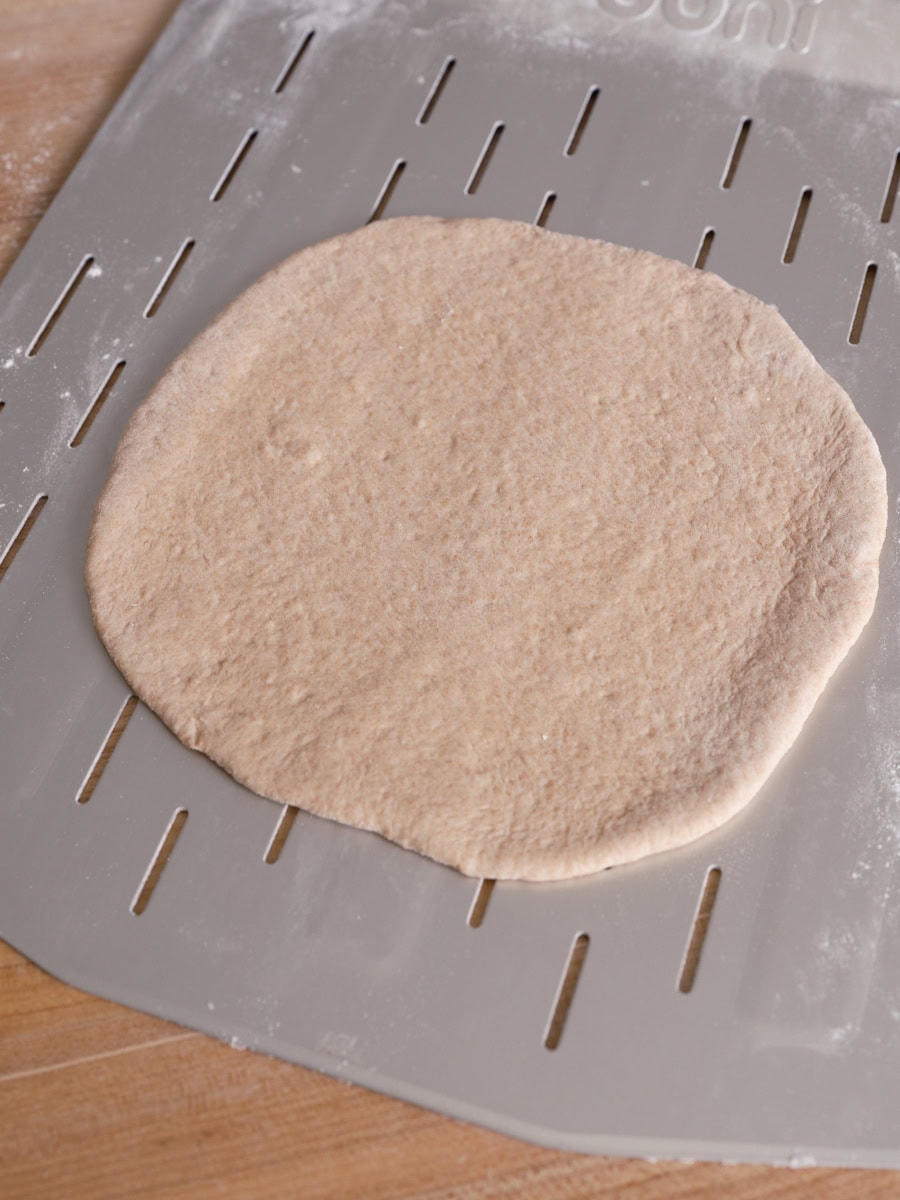
Each dough ball is then carefully rolled out to a diameter of 7 inches and a thickness of about 1/8 inch. This precise rolling is critical; excessive pressure can compress the dough, hindering its ability to puff. The rolled-out dough is transferred to a floured pizza peel and slid into the preheated oven. The pita bakes for 1-2 minutes until it puffs, then is flipped and baked for an additional minute on the other side. The baked pita is then removed and immediately placed in a towel-lined container and covered to maintain its softness. This process is repeated for the remaining dough portions.
Frequently Asked Questions About Sourdough Pita
Why won’t my pita puff in the oven?
Several factors can contribute to a lack of puff. Insufficient or excessive rolling thickness (aim for 1/8 inch), an underheated oven or baking surface, or a dry, inelastic dough due to a skin formation can all prevent puffing.
Why does only half of my pita puff?
Uneven rolling of the dough is the most common reason for partial puffing. Ensuring consistent thickness across the entire surface is key.
Why is my pita forming large bubbles all over instead of puffing fully?
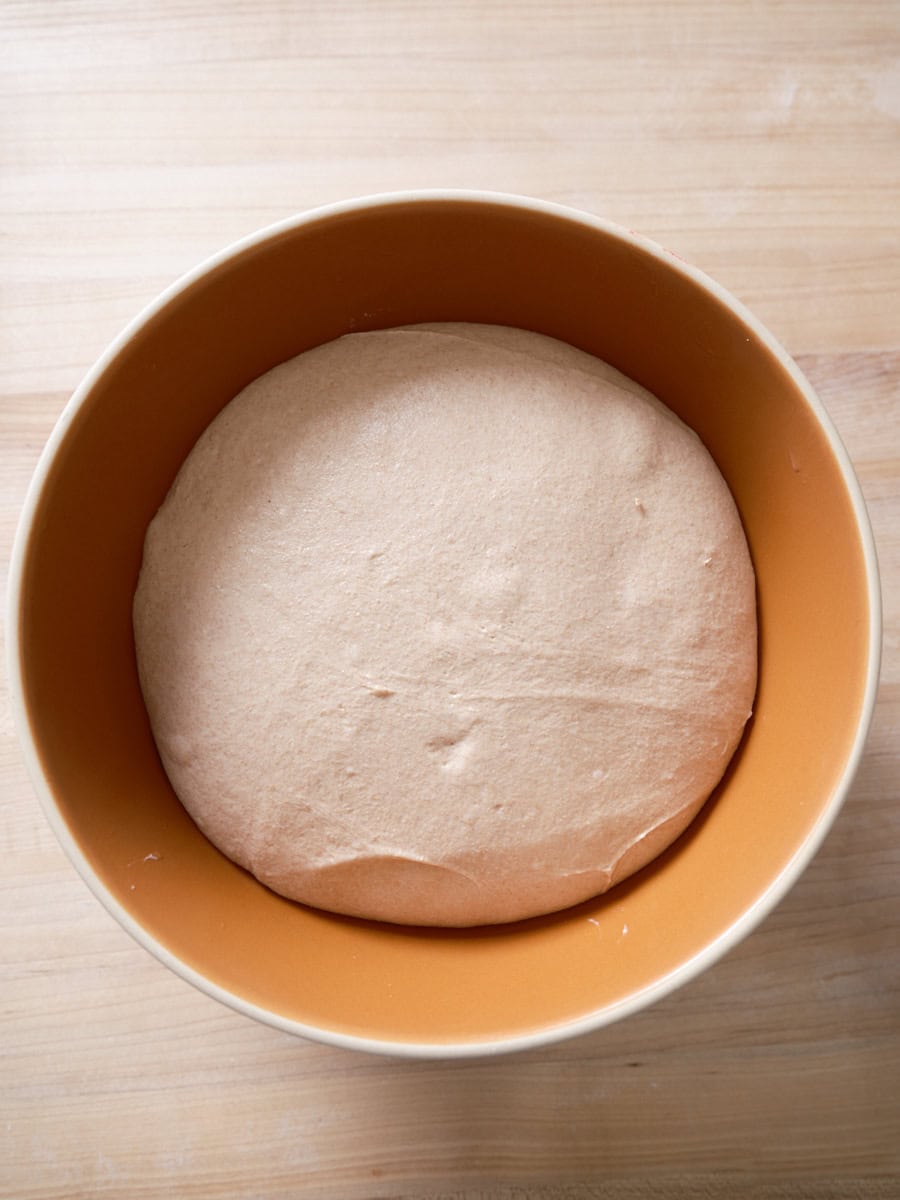
This phenomenon can occur when the dough is slightly overproofed. The structure of the dough may be compromised, leading to the formation of large, irregular bubbles rather than a unified puff. Adjusting the proofing time accordingly is essential.
These whole wheat sourdough pitas maintain their freshness for up to a week when stored in a sealed bag at room temperature. Reheating them in a low oven or toaster oven briefly before serving revives their delightful texture.
For those seeking alternative flatbreads, sourdough tortillas offer a versatile option for various culinary applications, from wraps to burritos. This recipe, rooted in artisanal tradition and refined through careful practice, represents a significant achievement in whole-grain baking, offering both exceptional flavor and a deeply satisfying culinary experience.