
Slice-and-bake cookies stand out as a premier choice for efficiently producing large batches, a characteristic that makes them particularly valuable during the bustling holiday season. Their preparation is often straightforward, frequently requiring minimal equipment, and the process can be segmented to accommodate varying schedules. Unlike other cookie varieties that demand precise scooping or meticulous rolling, slice-and-bake doughs yield a significant number of cookies from a single batch, embodying a practical approach to festive baking. This article delves into the nuances of creating exemplary vanilla slice-and-bake sourdough discard cookies, a recipe that marries simplicity with delightful flavor.
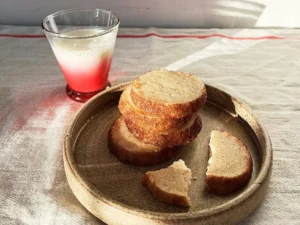
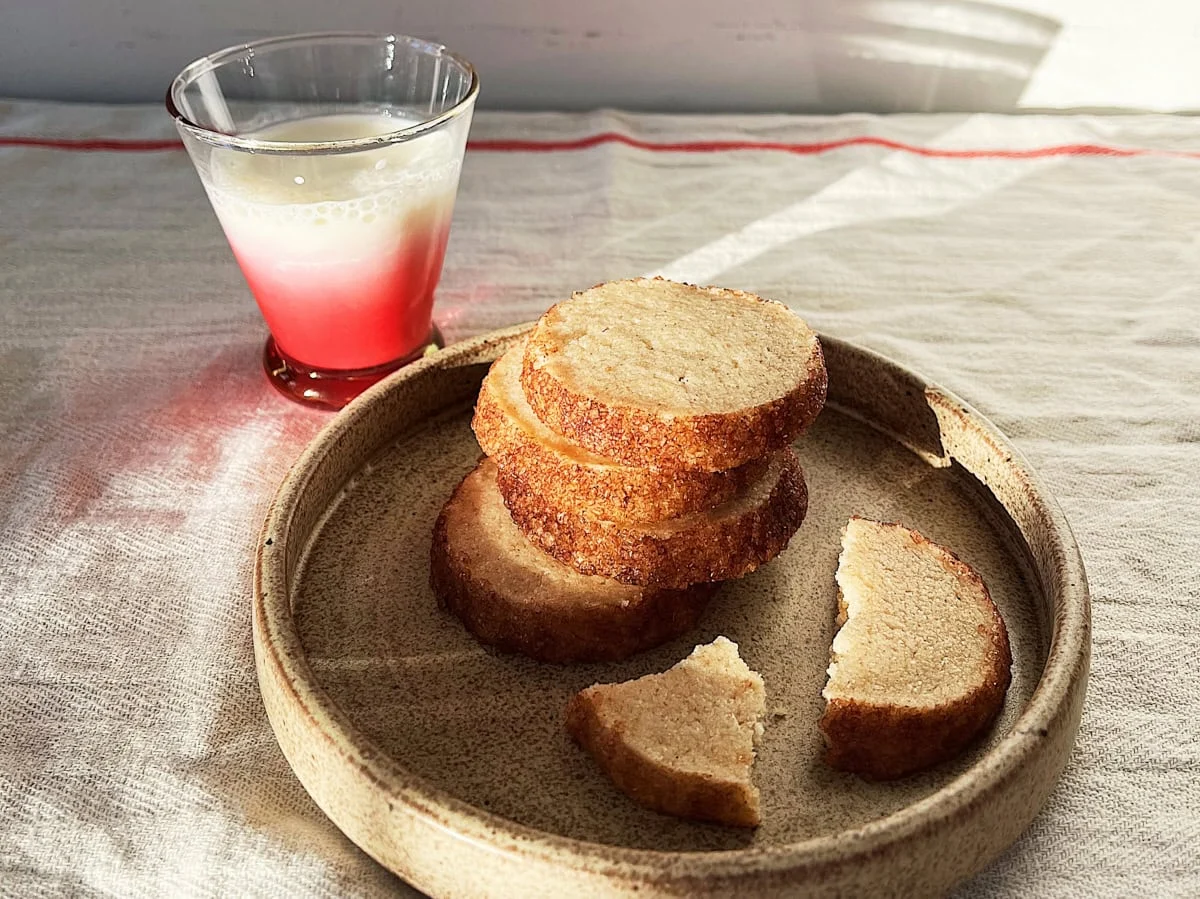
The distinctive "cinnamon toast" essence of these cookies is attributed to a generous coating of Demerara sugar and cinnamon. This caramelized, slightly spicy exterior harmonizes beautifully with the buttery, subtly tangy dough, evoking nostalgic memories of a beloved sweet treat. While they may not possess the visual extravagance of cookies adorned with colorful sanding sugar or crushed candy canes, their inherent deliciousness ensures they are a swift favorite at any cookie exchange, often disappearing rapidly despite their unpretentious appearance.
Optimizing Flour Ratio for Superior Texture
A common benchmark for cookie ratios is one part sugar, two parts butter, and three parts flour by weight. However, this standard can lead to a dough that is overly stiff and floury, especially in slice-and-bake recipes that are not characterized by high sugar content or the chewiness and aeration provided by eggs. For this particular recipe, a refined ratio was achieved using 250 grams (approximately 2 cups) of all-purpose flour, augmented by an additional 35 grams from sourdough starter discard. This adjustment results in a more balanced proportion of approximately 1 part sugar (150 grams) to 1.5 parts butter (226 grams) to just under 2 parts flour. This modification is crucial for achieving a tender crumb that complements the characteristic tang of the sourdough discard.
The inclusion of sourdough starter discard, a byproduct of maintaining a sourdough culture, introduces a subtle complexity to the flavor profile. While the discard is typically unfed and at 100% hydration, its enzymatic activity contributes to tenderization and a faint, pleasant tang that distinguishes these cookies from conventional butter cookies. The sourdough discard not only enhances flavor but also contributes to a more desirable texture, preventing the cookies from becoming too dense or crumbly.
The Impact of High-Quality Butter
Given the simplicity of the cookie dough, the quality of the primary ingredients becomes paramount in defining the final flavor. The recipe emphasizes the use of high-quality butter, with European-style butter, known for its higher fat content and richer flavor, being particularly recommended. The enhanced butterfat contributes a more luxurious mouthfeel and a deeper, more nuanced buttery taste that permeates each bite. This attention to ingredient quality elevates the entire cookie experience, making the subtle notes of butter even more pronounced and enjoyable.
The Subtle Role of Sourdough Starter Discard
Traditional shortbread-style cookies typically omit water. While browning butter is a technique often employed to reduce water content and enhance flavor in other cookie recipes, such as sugar, chocolate chip, and oatmeal varieties, it is not strictly necessary here. In recipes like a plum cake, browning the butter and then chilling it back to a pliable consistency can be a beneficial step. However, the sourdough starter discard in this recipe already introduces a sufficient level of moisture and complexity, negating the need for additional water evaporation techniques. The inherent moisture from the discard contributes to the dough’s texture and aids in its pliability, making it ideal for slice-and-bake preparations.
Exploring Flavor Enhancements
While the classic vanilla and cinnamon combination is a delightful starting point, these cookies offer ample opportunity for culinary creativity. For those inclined to experiment, the dough can be infused with various flavorings. Citrus zest, such as lemon, grapefruit, or orange, adds a bright, aromatic counterpoint to the richness of the butter. Alternative extracts like rose water, orange flower water, or almond extract can replace or complement the vanilla, offering a more complex floral or nutty dimension. A hint of toasted sesame oil can introduce intriguing roasty-toasty undertones. For added texture and depth, finely chopped chocolate or toasted nuts can be incorporated. Furthermore, instant coffee or espresso, powdered teas like matcha and hojicha, or even finely ground tea leaves such as Earl Grey can be introduced to create sophisticated flavor profiles. The FAQ section provides specific guidance on incorporating these additions, including suggested measurements for optimal results.
Leveraging Electric Mixers for Efficiency
The process of creaming butter and sugar is significantly streamlined with the use of an electric mixer, whether a handheld beater or a stand mixer. This mechanical assistance ensures a uniform and well-emulsified base, which is crucial for the texture of the final cookie. However, for individuals with considerable upper body strength, the dough can indeed be prepared by hand, albeit with more physical effort. The efficiency of an electric mixer is particularly beneficial during peak baking seasons when time is of the essence.
The Critical Importance of Dough Chilling
Due to the higher butter-to-flour ratio in this recipe, the dough is inherently soft and pliable. This characteristic, while desirable for ease of handling, can lead to excessive spreading when the cookies are exposed to oven heat. Therefore, a crucial step in achieving neat, well-defined cookie rounds is to chill the dough thoroughly for at least two hours. This period allows the butter to resolidify, firming up the dough and preventing premature spreading during baking. The chilling process is not merely a suggestion but a vital component for maintaining the desired shape and preventing the cookies from becoming flat and amorphous.
The Allure of a Cinnamon Sugar Rim
The signature cinnamon sugar rim, composed of Demerara sugar and cinnamon, is instrumental in achieving the "cinnamon toast" identity of these cookies. The granular texture of the Demerara sugar provides a delightful crunch, while the cinnamon imparts its warm, aromatic spice. For those seeking variations, ground cardamom or sumac can serve as intriguing alternatives to cinnamon in the sugar coating, offering different spice profiles. Toasted white or black sesame seeds, when mixed with sugar, also present a novel and visually appealing coating. The FAQ section offers further inspiration for alternative coatings and flavor combinations.
Mastering the Bake Time
The presence of water from the sourdough starter influences the baking characteristics of these cookies. Unlike some drier cookie doughs, the tops of these cookies do not typically achieve a deep golden-brown hue in the oven. This makes it challenging to gauge doneness solely by visual cues on the surface. Consequently, it is essential to monitor the bottoms of the cookies for a light golden color, which indicates they are properly baked. An underbaked slice-and-bake cookie can be disappointingly soft and lack structural integrity, unlike a gooey chocolate chip cookie. Therefore, it is advisable to bake these cookies for a minimum of 14 minutes to ensure they are adequately set. This extended baking time is crucial for achieving the desired crisp exterior and tender interior.
Frequently Asked Questions and Advanced Tips
Can I use other flavorings in the dough or sugar coating?
Yes, the versatility of this recipe allows for extensive flavor experimentation. Up to two tablespoons of citrus zest, such as lemon, grapefruit, or orange, can be incorporated into the sugar before creaming with the butter. For extracts, start with a quarter teaspoon of potent options like rose water, orange flower water, or almond extract, and adjust to taste. Toasted sesame oil can add a unique nutty depth. For textural variation, up to 130 grams (approximately ¾ cup) of chopped chocolate or toasted nuts can be added. Instant coffee, matcha, hojicha, or Earl Grey tea leaves can also be incorporated for sophisticated flavor infusions. For the sugar coating, cardamom or sumac offer delightful spice alternatives, and toasted sesame seeds provide a pleasing crunch and visual appeal.
Can I add other flours to the dough?
Certainly. Up to 60 grams (about ½ cup) of heartier flours like whole wheat, rye, or spelt can be substituted. Pseudocereals such as buckwheat flour can also be used for an earthy flavor. For added crunch, 15 grams (about 2 tablespoons) of medium-grind cornmeal can be incorporated.
Can I use my favorite beeswax-based reusable wrap for the dough?
It is generally not recommended to use beeswax-based reusable wraps for dough that requires extended chilling. The waxy coating can potentially leach into the dough over time. For reusable wrapping, consider parchment paper, which can be reused for baking, or other dedicated food-safe reusable wraps designed for dough storage.
Can I freeze the sliced cookies and bake them?
Absolutely. Sliced and coated cookies can be frozen for later baking. Arrange them on a parchment-lined baking sheet, ensuring they do not touch initially. Once frozen solid, they can be transferred to an airtight container with parchment paper layers for storage up to three months. Bake from frozen, adding an additional 2-4 minutes to the baking time.
How do I get perfectly round cookies?
While the dough may not form a perfectly uniform log, minor imperfections in shape are part of their charm. If perfectly round cookies are desired, a quick fix involves using a round biscuit cutter or the rim of a glass to gently reshape the cookies while they are still warm and pliable after baking. This can be done between rack changes during baking or immediately after removal from the oven.
Conclusion: A Holiday Baking Staple
These slice-and-bake sourdough discard cookies are more than just a recipe; they represent an efficient, flavorful, and adaptable approach to holiday baking. Their ease of preparation, combined with the potential for customization, makes them a perennial favorite. By understanding the subtle interplay of ingredients, particularly the role of sourdough discard and the importance of proper chilling, bakers can consistently produce delightful cookies that are sure to be a hit at any festive gathering. Exploring the various flavor additions further enhances their appeal, offering a unique twist on a classic comfort. For those seeking to expand their repertoire of sourdough discard creations, a comprehensive collection of sourdough starter discard recipes is available, promising further culinary adventures.