
For over a decade, the culinary world has witnessed the evolution of sous vide technology, a method that has revolutionized precision cooking in professional kitchens. Among the myriad of commercial immersion circulators that have graced these demanding environments, the PolyScience Classic Series Immersion Circulator stands out as a benchmark of reliability and performance. Despite its discontinuation, the enduring impact and technical prowess of this model continue to resonate, offering valuable insights for chefs and culinary professionals seeking the pinnacle of sous vide precision. This article delves into the history, performance, design, and lasting legacy of the PolyScience Classic Series, while also exploring its contemporary alternatives in the ever-advancing landscape of kitchen technology.
A Pioneer in Precision Cooking
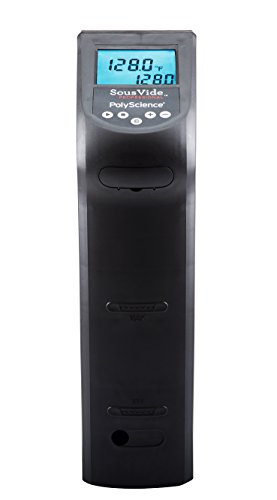
The PolyScience Classic Series Immersion Circulator emerged as a significant player in the early adoption of sous vide by professional culinary establishments. Its robust design and unwavering accuracy quickly cemented its reputation as an indispensable tool in high-volume kitchens where consistency and precision are paramount. While the precise date of its initial release is not readily available in public records, its widespread adoption throughout the late 2000s and early 2010s signifies its pioneering role in bringing professional-grade sous vide capabilities to a broader culinary audience. Restaurants worldwide, from Michelin-starred establishments to bustling bistros, relied on the Classic Series to achieve perfect textures and flavors, setting new standards for culinary execution.
The landscape of sous vide technology has since seen rapid advancement. Newer models, often smaller and more energy-efficient, have entered the market, frequently at more accessible price points. However, the Classic Series’ enduring appeal lies in its foundational strengths, which continue to inform the design and functionality of its successors. Its influence can be observed in the very metrics that define a high-quality immersion circulator today: temperature stability, circulation power, and overall durability.
Unpacking the Performance Prowess
The performance of the PolyScience Classic Series Immersion Circulator was, and remains, its most compelling attribute. Designed to handle substantial water baths, it was capable of accurately circulating water in containers up to 8 gallons in capacity. This scalability made it suitable for a wide range of culinary applications, from individual dish preparation to large-scale banquets.
A key feature contributing to its reliability was the auto-restart function. In professional kitchens, where power interruptions can occur unexpectedly, this feature ensured that cooking processes would resume seamlessly, maintaining the integrity of the food and preventing costly errors. The dual-speed water pump was another innovation that distinguished the Classic Series. This allowed for precise control over water circulation, ensuring uniform temperature distribution throughout the bath, which is critical for achieving consistent results across all food items.
The temperature accuracy of the Classic Series was particularly noteworthy. It maintained desired temperatures within an astonishing +/- 0.09°F, a margin of error infinitesimally smaller than its contemporary Chef Series (later rebranded as the "Creative" series), which achieved +/- 0.1°F. While the real-world impact of this minute difference might be negligible in most practical scenarios, it underscored PolyScience’s commitment to pushing the boundaries of precision engineering. This dedication to hyper-accuracy provided chefs with an unparalleled level of confidence in their cooking, knowing that their sous vide processes were operating at the absolute zenith of technological capability. Such exacting control is not merely a luxury but a necessity in environments where minute variations can significantly impact the final product’s quality and consistency.
Design and Intuitive Control: A Harmonious Blend
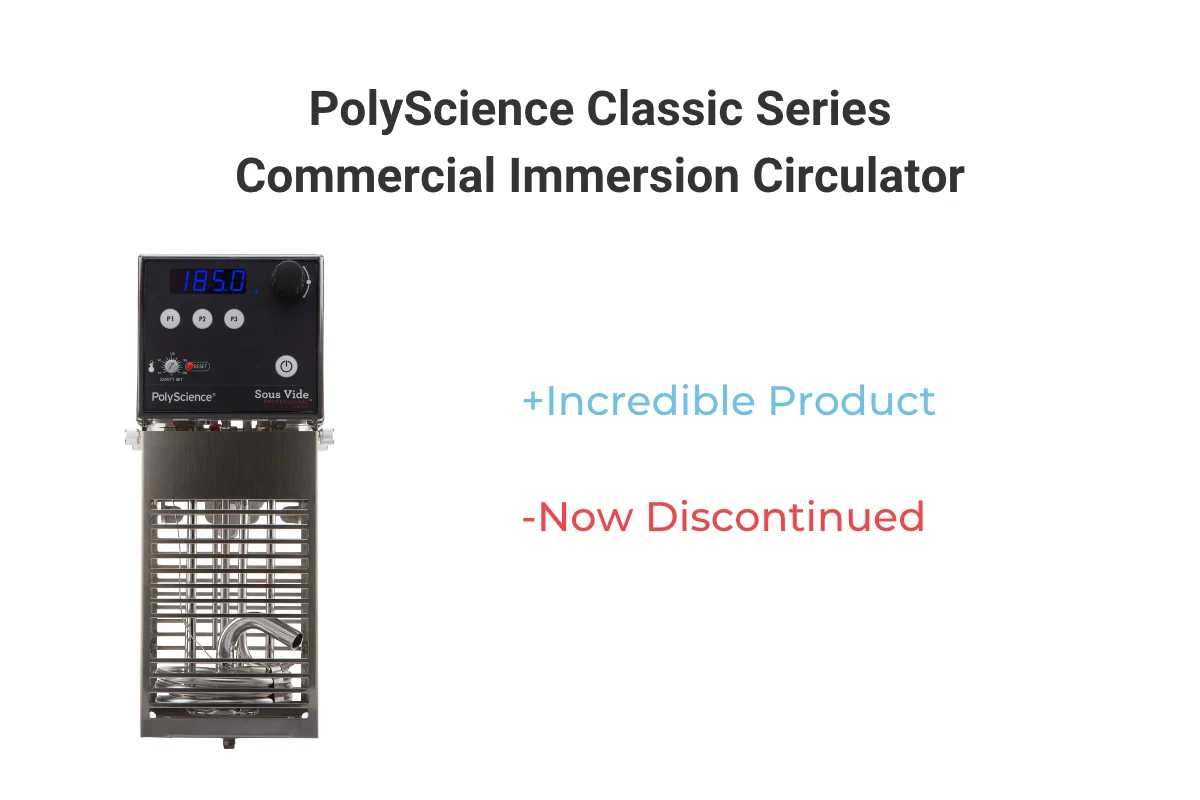
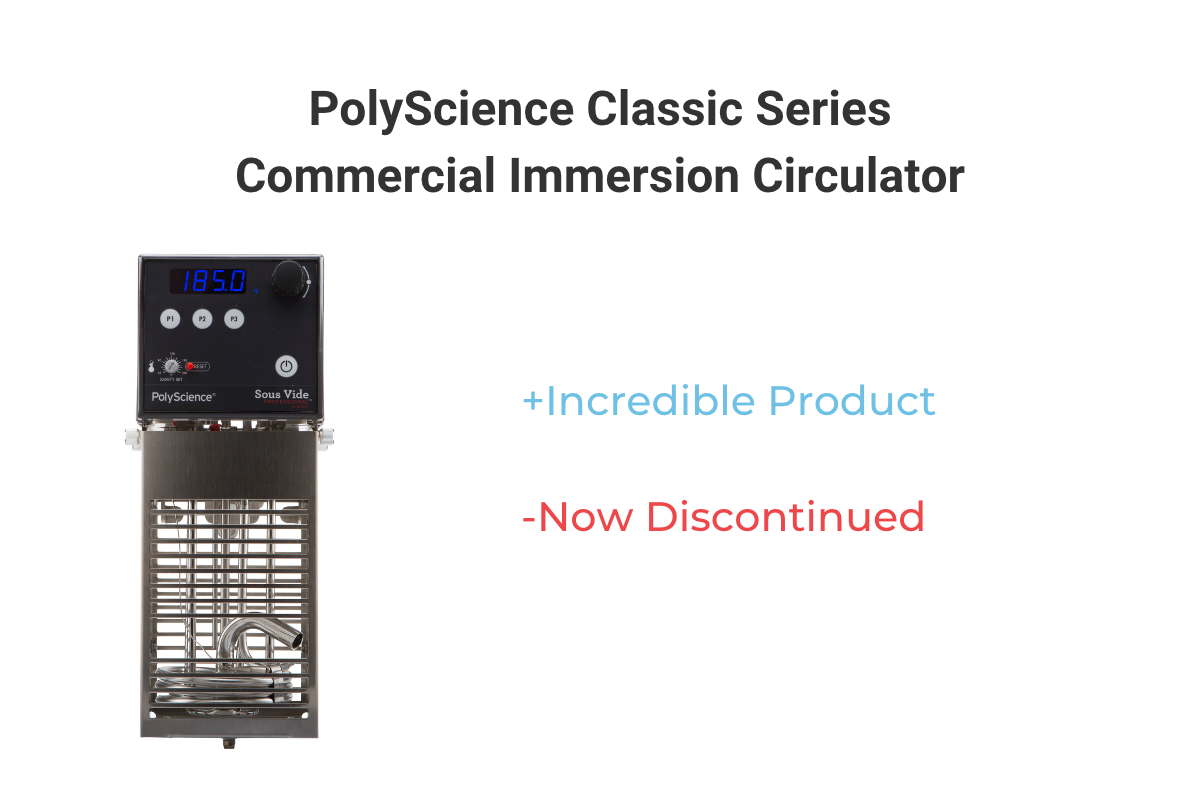
The design of the PolyScience Classic Series was as functional as it was robust, reflecting its industrial-grade origins. Its utilitarian aesthetic was characterized by an open metal cage at the base, offering a transparent view of the stainless steel heating coil and the powerful pump mechanism. This exposed design was not merely for show; it facilitated easy access for cleaning and maintenance, a crucial consideration in the fast-paced and demanding environment of professional kitchens. The entire cage could be swiftly detached, streamlining the cleaning process and ensuring hygienic operation.
Control of the unit was managed through a single, intuitive rotating knob. This minimalist interface allowed for straightforward temperature setting and provided access to a "lock-out" mode. This safety feature prevented accidental adjustments to the set temperature during the cooking cycle, a critical safeguard against unintended deviations from the desired outcome.
Furthermore, the Classic Series incorporated three programmable preset functions. These presets allowed users to save and quickly recall frequently used temperature settings, significantly enhancing workflow efficiency. This user-friendly feature, combined with the robust build, made the circulator not only a high-performing tool but also an exceptionally practical one for daily kitchen operations. The combination of industrial strength and thoughtful design elements made the PolyScience Classic Series a truly distinguished piece of culinary equipment.
The End of an Era and the Rise of Alternatives
The production of the PolyScience Classic Series Immersion Circulator ceased following the acquisition of PolyScience’s culinary division by Breville. This transition marked the end of an era for a product that had become a trusted staple in professional kitchens worldwide. The discontinuation was met with disappointment by many who had come to rely on its unparalleled performance and durability. While the exact reasons for its discontinuation are not publicly detailed, it is often attributed to strategic shifts in product lines and the introduction of newer, more compact, and potentially more cost-effective models by the acquiring company.
Despite the absence of the Classic Series from current production, its legacy endures. The demand for high-quality sous vide equipment remains strong, and the market has responded with a diverse array of innovative alternatives. Many contemporary commercial immersion circulators boast more compact designs, increased power efficiency, and competitive pricing, making professional-grade sous vide more accessible than ever.
For chefs and culinary businesses seeking to replicate the precision and reliability of the Classic Series, several modern options merit consideration. These newer models often incorporate advanced digital interfaces, enhanced connectivity features, and improved energy management systems. The emphasis on user experience and integration into modern kitchen workflows has become a defining characteristic of current-generation sous vide equipment.
Contemporary Recommendations and Future Outlook
In the absence of the PolyScience Classic Series, the Breville PolyScience Creative Series emerges as a direct descendant and a compelling alternative. This series, while maintaining the PolyScience lineage, offers a more modern aesthetic and a more compact form factor, making it highly portable and suitable for a wider range of kitchen spaces. It retains much of the powerful performance and precision that defined its predecessor, albeit with design refinements tailored for contemporary culinary environments. Chefs can expect robust temperature control and reliable circulation, making it a worthy successor for those who valued the original’s capabilities.
Beyond the Creative Series, the market offers a spectrum of commercial immersion circulators, each with its unique strengths. Brands such as Anova, Joule, and various professional lines from manufacturers like immersion circulators from brands like Cambro and Waring continue to innovate, offering solutions for diverse culinary needs and budgets. The selection of the ideal commercial immersion circulator today hinges on specific operational requirements, including the volume of cooking, available counter space, desired feature set, and budget constraints.
The evolution of sous vide technology, exemplified by the journey from the PolyScience Classic Series to its modern counterparts, highlights a continuous drive towards enhanced precision, efficiency, and accessibility in professional kitchens. While the Classic Series may no longer be in production, its impact on culinary practices and its reputation for uncompromising performance serve as a testament to its enduring significance in the history of modern gastronomy. The lessons learned from its design and functionality continue to inform the development of new technologies, ensuring that the pursuit of culinary perfection through precision cooking remains at the forefront of kitchen innovation.
For those looking to equip their kitchens with complementary tools, the importance of a reliable commercial vacuum sealer cannot be overstated. A high-quality vacuum sealer ensures proper food preparation for sous vide, maximizing efficiency and food safety. Exploring the best options in commercial vacuum sealing technology can further enhance the precision and effectiveness of any sous vide operation.