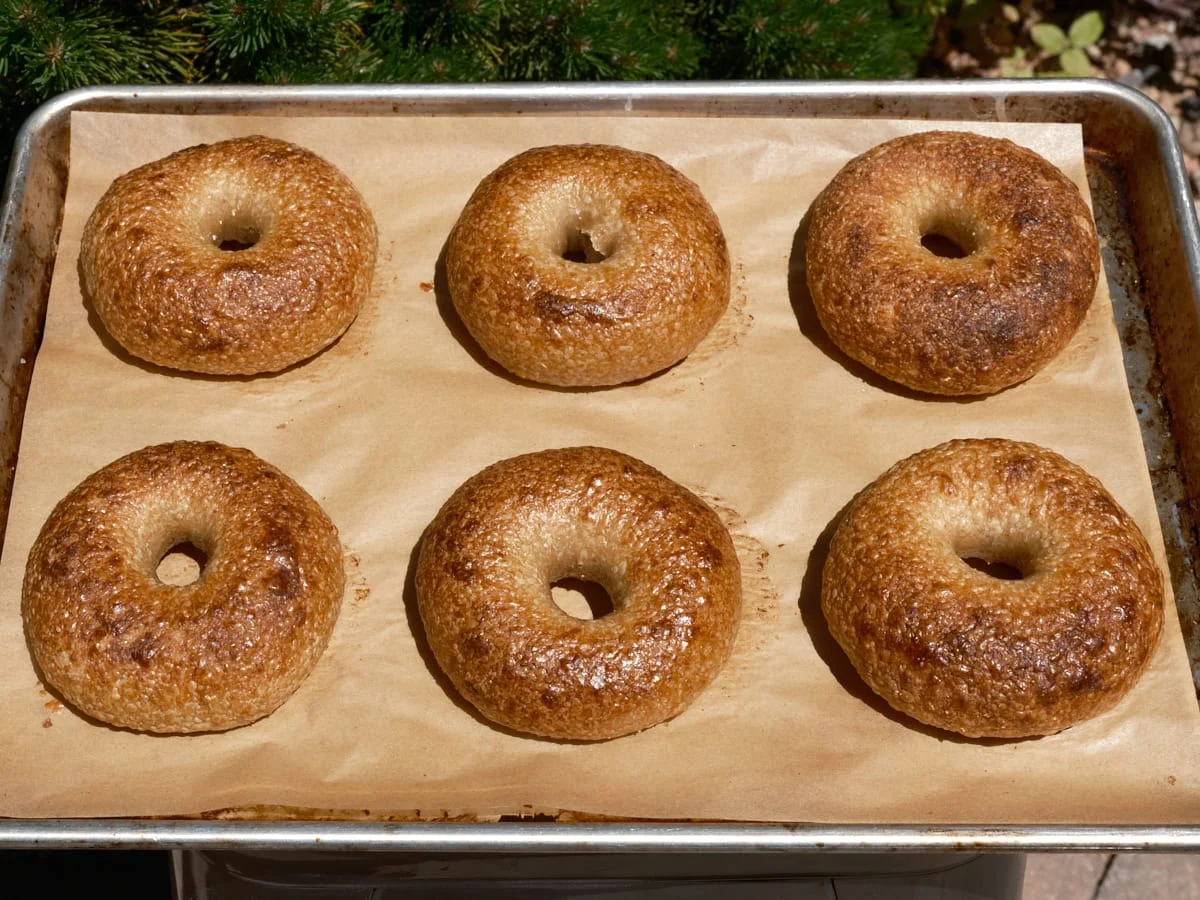

The seemingly simple act of crafting a bagel has become a focal point of innovation and experimentation within the artisanal baking community. For some bakers, the allure of the perfectly formed sourdough bagel is an irresistible challenge, a canvas upon which to explore nuanced techniques and ingredient combinations. This pursuit has led to the development of what is being termed "new wave" sourdough bagels, a departure from traditional styles that prioritizes a lighter texture, a glossy, blistered crust, and a more open crumb structure. This evolution is not merely aesthetic; it represents a deliberate re-evaluation of the fundamental components of bagel making, from the symbiotic relationship between starter and dough to the critical impact of fermentation and boiling techniques.
At the heart of this refined approach lies a series of thoughtful adjustments to a classic sourdough bagel formula. The journey began with a questioning of established norms. What if the sourdough starter, or levain, contributed more than just leavening and tang? What if it could also carry a subtle sweetness, altering the final flavor profile? This led to the incorporation of a small amount of sugar into the levain itself, shifting the balance towards a more yeasty culture and mitigating excessive sourness.
Furthermore, the choice of flour, a cornerstone of any bread-making endeavor, was critically examined. Moving away from a singular flour, the bakers began experimenting with blends that offered more character and a more desirable texture. This involved incorporating a mix of whole grains, such as whole wheat and rye, to impart depth of flavor and a nuanced earthiness. Simultaneously, a slight reduction in protein content in some of the white flours was introduced, aiming for a more tender and open crumb, a characteristic often elusive in traditional bagels.
The physical manipulation of the dough also underwent significant revision. The traditional method of rolling dough into ropes and forming rings was re-evaluated, especially for higher hydration doughs. This paved the way for the adoption of the "poke method," a simpler and more forgiving technique that involves pressing a hole through the center of a dough ball and gently stretching it into a ring. This method not only simplifies the shaping process but also contributes to a more uniform and aesthetically pleasing bagel shape.
Perhaps one of the most impactful innovations in this "new wave" approach is the embrace of an overnight cold proof, or retard. This extended resting period in the refrigerator, after shaping, allows for a profound development of flavor and texture. The slow fermentation under cold conditions leads to a more complex taste profile, a slightly more open crumb, and the formation of delicate blisters on the crust, contributing to a delightful crispness and a more visually appealing finished product. This deliberate scheduling, where dough is shaped one evening and boiled and baked the following morning, offers a practical advantage, streamlining the baking process.
These modifications, while seemingly minor when viewed in isolation, collectively contribute to a bagel that is distinct from its more traditional counterparts. It is a bagel that leans into a contemporary interpretation, reminiscent of those found in trendy artisanal bakeries that are redefining the bagel landscape.
The "New Wave" vs. Traditional New York-Style Bagel
The distinction between the "new wave" sourdough bagel and the classic New York-style bagel is significant, reflecting a divergence in desired texture and crust characteristics. The traditional New York bagel is characterized by its dense, chewy interior, a slightly thicker, more substantial crust, and a closed crumb. This style prioritizes a robust bite and a satisfying chew, often achieved through a higher protein flour blend and a shorter boiling time.
In contrast, the "new wave" sourdough bagel, as described by proponents like those at The Perfect Loaf, aims for a lighter, more ethereal quality. The glossiness and blistered appearance of the crust are hallmarks, achieved through a combination of ingredients and techniques, including a specific boiling water solution and controlled oven steaming. The crumb is intentionally more open, offering a tender mouthfeel that complements the crisp exterior. This evolution is often likened to the offerings at popular modern bagel establishments, such as Courage Bagels in Los Angeles, which have popularized this distinct style.
Key Innovations in Dough Formulation and Technique
The development of this "new wave" sourdough bagel is a testament to iterative refinement, with each element of the recipe being meticulously adjusted.
Flour Blend: A Symphony of Grains
The flour composition is a critical factor in achieving the desired texture and flavor. The "new wave" formula typically employs a blend that includes:
- High-protein white flour (12-14% protein): This forms the backbone, providing the essential chew and structural integrity characteristic of a good bagel. Brands like King Arthur Bread Flour or Central Milling Great Northern are often cited.
- Medium-protein white flour: A finely milled bread flour, such as Central Milling’s Artisan Bakers Craft, contributes further to the dough’s structure and extensibility. If unavailable, a quality medium-protein bread flour with at least 11% protein can be substituted.
- Whole wheat flour: Adding a touch of whole wheat flour (around 10%) introduces a warm, nutty depth to the flavor profile and contributes to a slightly more open crumb without making the bagel feel heavy.
- Whole rye flour: A smaller proportion of whole rye flour (around 5%) provides a subtle earthiness, aids in fermentation activity, and contributes to a richer crust color.
This carefully curated blend moves beyond a simple white flour base, creating a more complex and nuanced flavor that complements the sourdough starter.
Sweeteners: A Multi-Faceted Approach
The role of sweeteners in this recipe is multifaceted, contributing to flavor, browning, and fermentation.
- Barley Malt Syrup: This is a signature ingredient, providing the characteristic malty sweetness and a subtle bitterness that defines a bagel. It’s incorporated both into the dough itself and into the boiling water, significantly influencing crust color and flavor development during baking. Its inclusion can be seen as a nod to traditional bagel making, but its application here is refined for the desired outcome.
- Diastatic Malt Powder: This is a powerful enzymatic agent. Unlike barley malt syrup, diastatic malt contains active enzymes that break down starches into sugars during fermentation and baking. This leads to enhanced crust color, improved oven spring, and a more open crumb. A small percentage, typically around 1%, is used, as its potency is significant. Its use is a direct strategy to achieve the desirable characteristics of the "new wave" bagel.
- Superfine (Caster) Sugar: This is specifically added to the levain, not the final dough. The "sweet levain" or "sweet starter" approach encourages vigorous yeast activity, leading to a substantial rise with minimal sourness being transferred to the finished bagel. This is a key adjustment to control the tanginess often associated with sourdough.
The Sweet Levain: A Foundation for Controlled Fermentation
The preparation of the levain is a critical first step, often initiated the night before mixing the main dough. A typical sweet levain recipe involves:
- Medium-protein white flour
- Water
- Superfine (caster) sugar
- Ripe sourdough starter (100% hydration)
This mixture is left to ferment at a controlled room temperature for 12 to 14 hours. The result is a highly active, bubbly levain that smells sweet and is ready to impart a gentle rise and nuanced flavor to the bagel dough. This deliberate sweetness in the levain is a direct countermeasure to potential over-sourness.
Shaping and Proofing: The Poke Method and Overnight Retard
The shaping of the bagel is simplified and made more effective through the "poke method." Instead of the traditional method of joining ends, a hole is punched through the center of each dough ball and then gently stretched. This technique is particularly well-suited for higher hydration doughs, preventing the seams from separating during the boiling process.
The overnight retard in the refrigerator is a cornerstone of the "new wave" bagel. This cold fermentation period is not just about convenience; it’s about flavor development. The slow, cold rise allows for the complex flavor compounds to build, resulting in a bagel that tastes more intricate and developed. This also offers a practical advantage for bakers, allowing for shaping one evening and baking the following morning, creating a predictable schedule.
The Boiling and Baking Process: Crafting the Perfect Crust
The boiling stage is crucial for developing the characteristic bagel crust. The "new wave" approach utilizes a boiling water bath that is significantly enhanced:
- Barley Malt Syrup: A generous amount of barley malt syrup is added to the water, creating a thick, dark liquid. This is key to the caramelization of the crust and the signature malty flavor.
- Baking Soda: A teaspoon of baking soda is often added to increase the alkalinity of the water, further promoting browning and a desirable crust texture.
The boiling time is also carefully managed. A shorter boil, around 20 to 30 seconds per side, is favored to achieve a thinner, crisper crust. A longer boil would result in a chewier, denser skin. The water must be at a vigorous, rolling boil to ensure proper gelatinization and caramelization of the surface.
Baking on a preheated baking steel or thick stone is essential for providing intense, direct heat to the bottom of the bagel, promoting rapid rise and a well-developed bottom crust. The addition of steam to the oven environment during the initial phase of baking is also employed. This controlled steaming encourages the formation of microblisters on the crust, contributing to its glossy, appealing appearance.
Implications and Future Trends
The evolution of the sourdough bagel represents a broader trend within artisanal baking: a deeper understanding and manipulation of fermentation, ingredients, and technique to achieve specific textural and flavor outcomes. This "new wave" approach moves beyond simply replicating traditional styles and instead seeks to innovate, creating a product that appeals to a modern palate.
The emphasis on whole grains, controlled fermentation through starters and cold proofing, and precise cooking methods highlights a growing sophistication in home and professional baking. It suggests a consumer base that is increasingly educated and discerning, seeking out baked goods that offer not only sustenance but also a complex sensory experience. The success of these "new wave" bagels indicates a willingness within the baking community to experiment and push boundaries, ensuring that the craft of bread making continues to evolve and delight.
The insights gained from developing these "new wave" bagels can be applied to other sourdough creations. The principles of a sweet levain for reduced sourness, the strategic use of diastatic malt for enhanced oven spring, and the benefits of cold retardation for flavor development are all transferable techniques. As bakers continue to explore the potential of sourdough, we can anticipate further innovations that redefine classic baked goods and introduce entirely new culinary experiences. The journey of the sourdough bagel is far from over; it is a living testament to the enduring creativity and passion within the world of artisanal baking.